
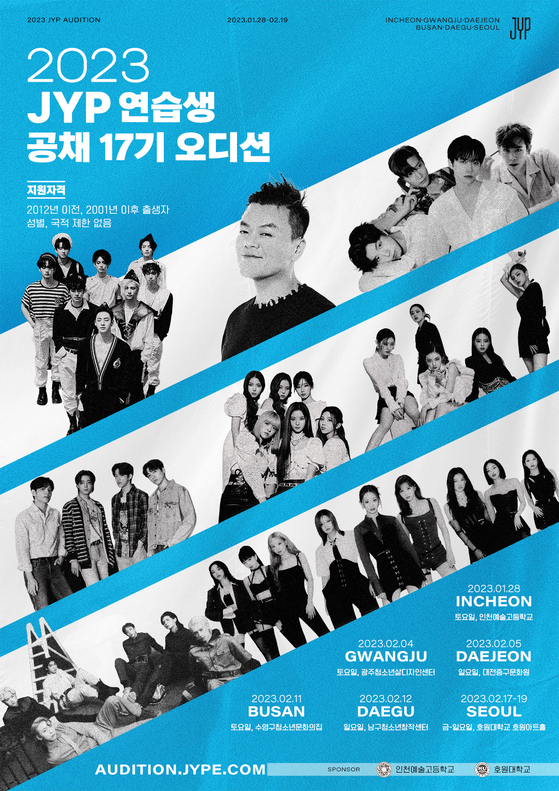

Popular actor Park Min-jun's recent revelation—that a performance alongside a current idol made him profoundly grateful he declined JYP Entertainment's offer years ago—highlights the brutal, often hidden, costs of idolhood. This moment exposes the stark contrast between the relentless, image-obsessed idol trajectory and the more sustainable, creatively fulfilling actor's path in Korean entertainment. Our analysis delves into the training, mental health, privacy, and career longevity divides that define these worlds, moving beyond surface-level glamour to examine the foundational systems that produce—and often exhaust—K-Pop stars. Park's candid reflection offers a rare, validated glimpse into the "road not taken," serving as a crucial case study for understanding the immense personal sacrifice embedded within the global phenomenon of K-Pop.
- Who Is Park Min-jun and What Was His JYP Connection?
- What Performance Sparked His Realization?
- How Do Idol and Actor Training Regimes Diverge?
- What Mental Health and Privacy Battles Do Idols Face?
- Is There a Shelf Life for Idols Compared to Actors?
- Frequently Asked Questions
Who Is Park Min-jun and What Was His JYP Connection?
The Scout That Almost Changed Everything
Park Min-jun, 28, is a celebrated actor renowned for his nuanced roles in hit dramas like "Echoes of the Heart" and the critically acclaimed film "Silent River." His journey, however, nearly took a sharp, irreversible turn at the age of 16 when a talent scout from JYP Entertainment approached him after a high school talent show. The agency, a powerhouse known for meticulously molding global stars like TWICE, Stray Kids, and ITZY, saw raw potential in his charismatic stage presence and offered him a coveted trainee contract.
This encounter occurred during the explosive mid-2010s K-pop boom, a period when major agencies were aggressively recruiting and preparing for the next generation of groups to dominate domestic and international charts. Park's decision point arrived at a cultural crossroads familiar to many talented Korean youths: pursue the glittering, fast-paced idol path or channel his efforts toward another artistic dream, often perceived as less guaranteed.
Choosing the Actor's Path
After weeks of deliberation with his family, Park declined JYP's life-altering offer. Opting for a less structured but more self-directed route, he enrolled in intensive private acting workshops and focused on his academic studies. "I was fundamentally drawn to storytelling, to the process of becoming someone else entirely and exploring human emotions from the inside out," he recalled in a past magazine feature. This pivotal choice prioritized long-term creative depth and personal interpretation over the highly standardized, packaged perfection of the idol training system.
His professional acting debut came at 19 in a minor supporting role, a beginning marked by anonymity and grind. He gradually built his filmography and honed his craft through theater and short films, eventually landing lead parts in web dramas that showcased his emotional range. This slower, steadier climb, common for actors, contrasts sharply with the explosive but often fleeting "debut" moment many idols experience, which is the culmination of years of unseen labor and the beginning of an even more pressurized public life.
The What-If Scenario and Industry Context
Had Park signed with JYP, his late-teens and early twenties would have been consumed by the company's notorious trainee system. He likely would have endured 3-5 years of grueling, all-encompassing training with absolutely no guarantee of debut—a statistical reality for the majority of trainees. He might have been slotted into a conceptual boy group in the vein of GOT7's successors, immediately thrust into the cutthroat competition of the late 2010s idol scene. Instead, his chosen path offered a different kind of struggle: the autonomy to fail, learn, and grow at his own pace, largely away from the public eye, avoiding the rigid hierarchy and constant evaluation of the trainee dormitory.
This background makes his perspective uniquely valuable. He represents a successful branch of the Korean entertainment industry that operates on different principles, a narrative often overshadowed by the global dazzle of K-pop. His story reflects a broader, quieter trend of alternative careers in performance, chosen not out of a lack of opportunity in idolhood, but from a conscious assessment of its costs.
What Performance Sparked His Realization?
The Collaborative Stage on "King of Masked Singer"
The catalyst for Park's public reflection was his guest appearance on the popular MBC show "King of Masked Singer" last month. In a special "star duet" segment, he performed a emotionally charged duet of SHINee's classic "Selene 6.23" with Choi Soo-bin, the main dancer and lead vocalist of the 4th generation boy group AURORA. The performance required not only vocal harmony but also synchronized, expressive choreography, pushing Park far beyond the typical demands of an actor's promotional schedule.

While viewers and the panel praised Park's earnest and emotive effort, the performance inadvertently highlighted the vast technical gap between a professionally trained actor and a seasoned idol. This gap isn't a reflection of innate talent, but of highly specialized, relentless drilling in specific performance disciplines. For Park, the stage was a challenging one-off; for Choi, it was a variation of his daily professional output.
Behind-the-Scenes Glimpse into Idol Machinery
The true revelation occurred during the rehearsal period. Park observed Choi Soo-bin's schedule firsthand: a regimen that began with dance practice at 6 AM, moved to vocal coaching, included a midday fan signing event, and then returned to the studio for rehearsal and fine-tuning until past midnight. Choi managed this on minimal sleep and a strictly regimented meal plan provided by his agency.
"Performing with Soo-bin was exhilarating, but seeing his daily reality up close—the minute-by-minute scheduling, the physical endurance, the constant smile for staff and cameras—I realized with crystal clarity that I could not have handled that relentless pace for years on end. It made me profoundly grateful for the choices I made,"Park shared in the post-show press interview.
This exposure wasn't merely about a busy schedule; it was a masterclass in the non-negotiable culture of perfection expected at every public moment. Idols like Choi operate within a meticulously managed system where any minor misstep—a flat note, a tired expression, an off-hand remark—can instantly trend online, triggering fan wars and affecting the reputation of their entire group and agency.
The Moment of Clarity and Industry Echoes
Park's post-show comments resonated deeply because they gave voice to a silent, almost taboo understanding within the Korean entertainment industry: that the idol's path is one of constant, hyper-visible labor traded for fame. This aligns with the intense pressures explored in related incidents, such as Solo Debut Disaster: What GEMINI's Fall From Grace Reveals, where the weight of performing alone, without the group's buffer, exposes idols to heightened scrutiny.
His palpable sense of relief underscores a critical question for every young person entering this world: at what personal cost does idol stardom come? For Park Min-jun, the projected cost—the near-total loss of personal time, creative autonomy, and mental peace—was too high a price. This is a sobering calculation countless aspiring entertainers make, often without the benefit of such a clear, comparative view.
How Do Idol and Actor Training Regimes Diverge?
The Idol Trainee Grind: A Factory of Perfection
Idol training at major agencies like JYP, SM, and YG is less an education and more a holistic, high-stakes boot camp designed to manufacture all-round entertainers. Trainees, often recruited in their early teens, spend an average of 3 to 7 years mastering a standardized set of skills: singing, dancing, rapping, multiple languages (typically Japanese and English), and media etiquette. Their days are structured down to the minute, with regular monthly or quarterly evaluations that serve as do-or-die assessments, frequently leading to dismissal or "graduation" from the program.
- Physical Demands: Daily dance practices regularly exceed eight hours, focusing on synchronization, power, and facial expressions. This is coupled with vocal lessons that stress technique over raw emotion, often leading to vocal strain.
- Image Crafting: From the outset, trainees undergo lessons in styling, rigid diet management, skincare, and even personality coaching to fit a pre-determined, marketable group or solo concept. Individuality is often curated, not organic.
- Group Dynamics & Hierarchy: Training emphasizes the suppression of individual quirks for unit cohesion. The sunbae-hoobae (senior-junior) hierarchy is rigorously enforced, conditioning trainees for the industry's social structure.
This system is brilliantly efficient at producing polished, charismatic performers ready for the stage but is often criticized for stunting personal development and authentic creative expression—the core trade-off of the idol launchpad.
Actor Development: Cultivating Depth Over Dexterity
In stark contrast, aspiring actors in South Korea typically pursue one of two paths: formal education at prestigious universities like the Korean National University of Arts (K-ARTS) or Seoul Institute of the Arts, or enrollment in private, studio-based workshops run by established actors or directors. The training focus is inward and analytical: deep script analysis, emotional memory exercises (like Stanislavski's system), voice projection, and physical embodiment of diverse characters.
Schedules, while demanding, are more flexible and project-based, allowing trainees to maintain part-time jobs or other academic pursuits. Physical transformation occurs for specific roles (e.g., martial arts training for an action part) but is not a constant, universal requirement. The ultimate goal is versatility and emotional truth, not the repetitive perfection of a single dance routine. Actors like Park Min-jun build their careers through a slow accrual of credits and credibility, a marathon compared to the idol's sprint to debut.
Impact on Early Career and Artistic Identity
This foundational divergence shapes the first decade of a career profoundly. Idols debut as a finished, market-tested product but with severely limited input on their music, concept, or public persona. Actors, while facing the brutal uncertainty of auditions and frequent rejection, gradually carve out a unique artistic identity. The idol's need to maintain peak physical and visual condition is relentless and publicly scrutinized, a pressure explored in controversies like those discussed in Beyond the Scale: What An Idol's Weight Controversy Reveals.
For Park Min-jun, avoiding the trainee grind meant preserving his innate creative instincts and personal agency—a luxury most idols consciously or unconsciously forfeit in exchange for the platform and fame that a major agency provides.
Comparing Training & Early Career Paths Aspect Idol Trainee (e.g., JYP System) Aspiring Actor (Typical Path) Primary Focus Polished performance, group synergy, visual presentation Character immersion, emotional authenticity, script interpretation Duration 3-7 years (indeterminate, debut not guaranteed) 2-4 years of formal education or ongoing workshop training Schedule Rigid, 12-16 hour days, 7 days a week Flexible, project-based, often part-time Evaluation Frequent, high-stakes assessments determining survival Audition-based, role-specific, cumulative portfolio building End Goal Debut in a pre-formed group with a set concept Landing a role that leads to more diverse rolesWhat Mental Health and Privacy Battles Do Idols Face?
The Spotlight's Double-Edged Sword: No Room for Error
Idols exist in a 24/7 digital panopticon. Their physical appearance, rumored relationships, offhand comments, and even moments of quiet fatigue are captured, magnified, and dissected on social media and online communities. Agencies typically enforce strict protocols to mitigate risk: dating bans (often unofficially extending years past debut), pre-approved social media posts, and comprehensive image management that leaves little room for a genuine, unfiltered self. This hyper-scrutiny is a direct occupational hazard, leading to well-documented cases of anxiety, depression, and burnout. Groups from various generations, including LOONA, BTS (with members like Suga and Jungkook speaking openly), and MAMAMOO's Hwasa, have publicly discussed their mental health struggles, helping to destigmatize the issue while highlighting its pervasiveness.
The psychological pressure to constantly be "on"—perpetually cheerful, grateful, energetic, and perfect—is immense. Every stage performance, variety show appearance, and fan interaction is judged not just for technical skill but for the quality of "fan service," creating a psychological toll that actors, while not immune, rarely experience at the same relentless intensity and volume.
Actors: Relative Anonymity and Professional Distance
Actors, by the nature of their craft, enjoy a healthier degree of separation between their personal and professional lives. Press coverage and public interest are largely cyclical, peaking during drama or film promotions and receding afterward. Park Min-jun himself noted this key difference: "I can essentially disappear for a month or two between projects to travel, study, or just rest, and it's considered normal, even responsible. An idol's similar absence would instantly spark rumors of scandal, illness, or internal conflict." This professional distance allows crucial mental space for recovery, reflection, and life outside the industry.
While actors are certainly subject to scandals, the consequences often differ in scale and fan dynamics. Idols face disproportionately severe backlash due to the intense parasocial relationships fostered by the industry; fans feel a sense of personal investment and betrayal. The extreme personal cost is starkly illustrated in cases like The Unforgiven Scandal: How One Idol's On-Camera Confessions Broke a Truce, where private, painful matters become inexhaustible public fodder.
Industry Responses and Systemic Gaps
In recent years, agencies have made incremental improvements, such as providing access to in-house counseling, enforcing mandatory vacation days, and occasionally allowing hiatuses for mental health. However, systemic issues persist. The trainee system's inherently competitive, comparative nature can foster deep-seated insecurity and rivalry. Post-debut, the punishing schedule of comebacks, tours, and endorsements often leaves little practical time for consistent therapeutic care. Actors, benefiting from longer, more predictable gaps between projects, can seek help more discreetly and integrate it into their lives without it becoming a news headline.
This mental health and privacy divide is perhaps the most crucial factor for aspiring entertainers and their families to consider. The idol path demands an almost superhuman level of resilience against invasive scrutiny—a challenge Park Min-jun witnessed firsthand and, by his own account, wisely chose to avoid.
Is There a Shelf Life for Idols Compared to Actors?
The Idol Career Arc: Peaks and Precarious Transitions
The career trajectory of a K-Pop idol is often graphically represented as a sharp peak followed by a gradual, sometimes steep, decline. Popularity typically surges in the 1-3 years post-debut, peaks around the 5-7 year mark (often coinciding with the end of the initial group contract), and then faces significant challenges as newer, younger groups emerge. Music trends evolve rapidly, and while core "fandoms" remain loyal, the broader public's attention is fickle. After the group's peak, members struggle to sustain individual relevance, embarking on perilous transitions into variety show entertainment, acting ("idol-actors"), or solo music careers with wildly mixed success rates.
This "shelf life" is an open secret within the industry, a structurally accepted reality that is nonetheless personally brutal for the individuals experiencing it. The phenomenon of post-idol career struggle is poignantly explored in stories like From Stage to Centerfold: The Bittersweet Saga of a Former Idol's Radical Rebirth, highlighting the desperate and sometimes controversial reinventions some are forced to pursue to maintain a livelihood and public presence.
Acting: A Longer, More Forgiving Arc
In contrast, an acting career in Korea is viewed as a marathon, capable of spanning decades with evolving, age-appropriate roles. Actors gracefully transition from youthful romantic leads to mature characters—respected parents, cunning CEOs, or gritty detectives. Veterans like Song Kang-ho or Kim Hye-soo have seen their prestige and critical acclaim grow with age. Even actors who start young, like Kim Yoo-jung or Park Bo-gum, are expected to and do evolve their filmography over time. The industry and audience allow for, and even celebrate, this maturation process.
While fame may fluctuate, the profession itself does not have an expiration date tied to youth. An actor's "tool" is their ability to embody human experience, which only deepens with time and life exposure, unlike the idol's primary toolkit, which is often intensely linked to peak physicality and youthful energy.
The Cross-Over Challenge: When Idols Attempt Acting
The path from idol to actor is well-trodden but fraught with prejudice. Idol-actors like Im Si-wan (ZE:A), Ok Taec-yeon (2PM), and Eun-ji (Apink) have succeeded through exceptional talent and careful role selection, but they first had to overcome the industry's and public's skepticism regarding their serious acting chops. They carry the "idol" label for years, a tag that can undermine critical reception. For every success, many others are relegated to minor roles or criticized for relying on their fanbase rather than skill. This transition is itself a second, difficult career climb that many actors-by-training never have to face.
Park Min-jun's choice allowed him to build credibility from day one as an actor, free from the preconceptions and limitations of an idol past. His career longevity is inherently more secure, built on a foundation of craft rather than the fluctuating tides of pop music trends and fan devotion.
Frequently Asked Questions
Q: Could Park Min-jun have been successful as an idol if he had accepted JYP's offer?
A: It's impossible to say definitively. He possessed the initial visual and charisma that scouts seek. However, success depends on countless factors: fitting the final group concept, surviving years of training, public reception at debut, and managing the intense mental toll. His personal inclination toward creative storytelling suggests the idol system might have felt restrictive, potentially impacting his motivation and well-being.
Q: Do actors have it "easier" than idols?
A: "Easier" is a misnomer. Both paths are extremely difficult, but the challenges are fundamentally different. Actors face immense instability, frequent rejection, and often long periods of unemployment, especially early on. Their struggle is for opportunity and recognition. Idols, once debuted, face a different battle: maintaining perfection under constant surveillance, with intense schedule pressure, and limited personal freedom. The difficulties are not comparable; they are divergent.
Q: Are agencies becoming more aware of these mental health and career longevity issues?
A: Awareness has certainly increased due to public incidents and advocacy by artists themselves. Some agencies are implementing better support systems. However, the core business model—rapid production of young, marketable groups for maximum profit within a short window—remains largely unchanged. Systemic change is slow, as it conflicts with powerful economic incentives.
Q: What's the key takeaway from Park Min-jun's story for aspiring performers?
A: The key takeaway is the importance of self-awareness and aligning one's career path with core personal values and resilience. Aspiring performers must look beyond the glamour and ask critical questions: Do I thrive under rigid structure or need creative autonomy? Can I handle the complete loss of privacy? Do I seek a long-term craft or a brilliant, potentially shorter-lived spotlight? Park's story is a powerful reminder that there are multiple, valid roads to a life in entertainment, each with its own profound costs and rewards.