
In a moment that reverberated far beyond a simple comment, BTS leader RM has offered a nuanced acknowledgment of his committed relationship status, effectively confirming long-standing fan theories. This isn't a scandalous reveal but a calculated, mature communication that marks a pivotal evolution for both the artist and the industry. We analyze the strategic layers behind his words, the death of the traditional "dating ban," and what this means for the future of artist-fan dynamics in K-Pop's next chapter.
- What Did RM Actually Say & Why Was It Significant?
- From Scandal to Strategy: A Brief History of the K-Pop "Dating Ban"
- Decoding the ARMY Reaction: Why "OMG HE KNOWS" Tells a Deeper Story
- The Generational Shift: Comparing Idol Relationship Disclosures The Ripple Effect: How RM's Move Impacts the Entire Industry
- FAQ: Your Questions on RM & BTS's Evolving Personal Narratives
What Did RM Actually Say & Why Was It Significant?
The confirmation wasn't a press release or a staged "dispatch" moment. It was organic, emerging from his direct communication with fans. The significance lies entirely in the context and delivery.
The "PLANCK" Live & The Nuanced Phrasing
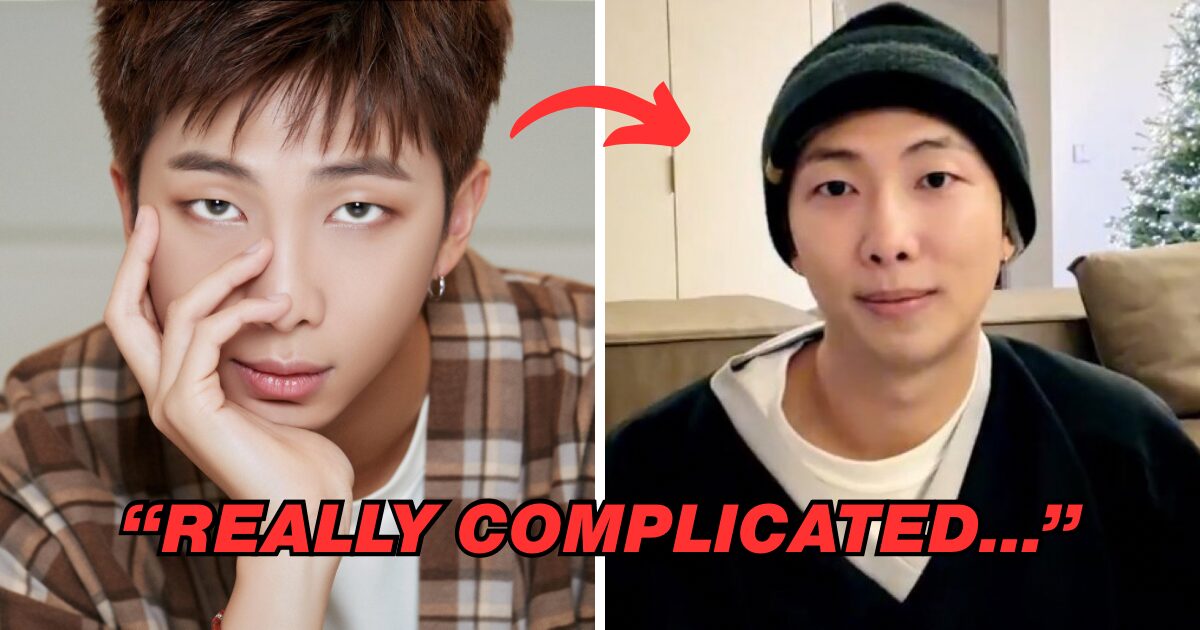
During a personal broadcast discussing his latest artistic endeavors, RM addressed fan comments with characteristic thoughtfulness. He acknowledged the public's awareness and curiosity about his personal life, specifically referencing a long-term, committed partnership. He framed it not as a secret being exposed, but as a facet of his life that exists alongside, and separate from, his artistic identity.
It's something that is part of my life, and I know you are aware. It's a source of stability as I continue my work.
This phrasing is critical. It positions the relationship as a known, accepted element, removing the power from speculative media and placing narrative control firmly in the artist's hands.
Control Over Narrative vs. Reaction to Scandal
This stands in stark contrast to historical K-Pop relationship "reveals," which were typically damage-control exercises following paparazzi exposures. RM’s approach is proactive, not reactive. It mirrors a broader trend we've noted among senior idols, such as the heartwarming family moment seen with Suga's father at the 'ARIRANG' concert, where personal life is shared on the artist's own terms. By acknowledging it calmly, he defuses the potential for explosive "scandal" headlines and reframes it as a simple aspect of his adult life.
From Scandal to Strategy: A Brief History of the K-Pop "Dating Ban"
To understand the magnitude of RM's casual acknowledgment, one must understand the oppressive climate it emerges from. The "dating ban" was rarely a formal contract clause but a powerfully enforced cultural norm.
The First & Second Generation: Absolute Taboo
For pioneers and early mega-groups, public relationships were career-threatening events. News was broken exclusively by dispatch agencies, followed by frantic agency apologies and often fan backlash. The idol was positioned as having "betrayed" fans, reinforcing a parasocial dynamic where fans "owned" an idol's romantic availability.
The Third Generation & BTS's Early Years: Cracks in the Foundation
BTS themselves operated under this shadow early on. As they skyrocketed to global fame, the pressure to maintain a "perfectly single" image was immense. However, their music, deeply focused on personal growth, mental health, and authentic storytelling, began to subtly challenge this paradigm. They were building a fan relationship based on artistic empathy, not romantic fantasy.

The HYBE Pivot and the "Weverse" Era
The rise of direct-to-fan platforms like Weverse fundamentally changed the game. Communication became unfiltered. Agencies like HYBE began a slow, strategic shift, understanding that for legacy artists, mature personal lives could be integrated into a sustainable, long-term career. The goal moved from "hiding" to "managing the narrative with dignity."
Decoding the ARMY Reaction: Why "OMG HE KNOWS" Tells a Deeper Story
The dominant fan reaction—summarized by the viral "OMG HE KNOWS"—was not one of anger or betrayal, but of relieved validation and humor. This is a watershed moment for fan culture analysis.
The Evolution of the Mature ARMY
A significant portion of the BTS fanbase has aged alongside the members. Their life priorities have shifted, and they project the same expectation of growth onto the artists they support. Seeing RM as a whole adult human, capable of love and commitment, aligns with their own life stages. The reaction celebrates his happiness and his respect in trusting them with this knowledge.
From Parasocial to Supportive Partnership
This incident highlights ARMY's transition from a parasocial fandom to a supportive community. The excitement stems from being "in on" a softly held secret, not from feeling entitled to the details. It mirrors the supportive ethos seen in how fans champion solo ventures, like analyzing Jay Chang's "Higher" for its artistic merit rather than its creator's personal status.
The Generational Shift: Comparing Idol Relationship Disclosures
RM's moment is not isolated. It sits on a continuum of how K-Pop's approach to artist privacy has fractured. The table below illustrates this stark generational divide.
Era / Artist Type Primary Disclosure Method Agency/Fan Reaction Career Impact Narrative Control 2nd Gen (Early 2010s) Paparazzi "Dispatch" Exposure Agency apology; fan backlash common Often negative; promotional hiatuses None. Controlled by media. 3rd Gen Peak (Mid-2010s) Limited, often after military enlistment Cautious statement; mixed fan reaction Neutral to slightly negative; depends on fanbase maturity Low. Reactive statements. Senior 3rd Gen / BTS (Now) Artist-led, casual acknowledgment on own platform Mostly positive, supportive fan trends Neutral to positive; reinforces "authentic artist" brand High. Artist owns the narrative. 4th Gen & Beyond (Trend) Increasingly open; some pre-debut relationships known Normalized; less central to idol identity Minimal. Focus is on performance. Moderate. Part of a more holistic "real" persona.The New Normal for 4th Gen and Virtual Idols
This shift is accelerating. For newer groups, the question is becoming less relevant. Furthermore, in completely new paradigms like that of virtual groups, the concept is upended entirely. As explored in our analysis of PLAVE's "Born Savage," the artist's "personal life" is a crafted lore, removing traditional relationship scrutiny altogether and redefining fan connection.
The Ripple Effect: How RM's Move Impacts the Entire Industry
When the leader of the world's biggest boy band normalizes this, it sends a directive to the entire ecosystem.
Agency Playbook Rewrite
Management companies, particularly those with aging flagship acts, are watching. The model is shifting from "restriction" to "lifetime career management." This involves strategically integrating an artist's personal milestones into a narrative of growth and stability, much like how a solo comeback is planned. It's a move from idol manufacture to legacy artist curation.
Media's Diminished Power
Dispatch and similar outlets lose their most potent weapon. When an artist casually confirms what media might try to "expose," the scoop loses its explosive power. This forces media to engage with artists on more substantive grounds—their music, their artistic direction, their cultural impact—as we do in our regular Charts and analysis.
Paving the Way for Juniors
For younger idols under HYBE and other major labels, a precedent is being set. It creates a future pathway where, after a certain career stage, personal life can be acknowledged without apocalyptic consequences. This reduces long-term career stress and could lead to healthier artist sustainability. It also shifts competitive focus back to music, as seen in debates over artistic originality like the NCT Wish vs. RIIZE plagiarism discussion.
FAQ: Your Questions on RM & BTS's Evolving Personal Narratives
Does this mean other BTS members will confirm relationships soon?
Not necessarily. RM's move sets a precedent but does not obligate anyone. Each member will navigate their personal boundaries at their own pace and in their own style, likely through their individual creative platforms or communication channels.
Is this linked to their upcoming military service completion?
Indirectly, yes. The group is transitioning into a new, "Chapter 2" era of individual and collective work as full adults. This acknowledgment aligns with that mature, post-military phase where public perception is expected to shift towards viewing them as established artists, not "idols" in the traditional, restrictive sense.
Will this affect BTS's brand or commercial endorsements?
For mature, global brands targeting a wide demographic, RM's image as a stable, grounded leader may actually enhance appeal. It distances him from "teen idol" imagery and aligns him with reliability and depth. It's a brand evolution, not a degradation.
How should fans respectfully discuss this?
Focus on the significance for the industry and respect for RM's privacy. Speculating on identities or demanding details crosses a line. The healthiest response is to acknowledge the statement, support his happiness, and continue engaging with his art, which remains the primary channel of his public expression.
Does this change how we view BTS's older love songs?
It adds a fascinating layer of retrospective interpretation, but art is always separate from the artist. Songs will resonate based on the listener's experience. It does, however, highlight the authenticity of emotion they've always tried to convey, a complexity we often explore in our song decoders.
Conclusion: The Dawn of the Unapologetic Artist
RM's acknowledgment is a masterclass in modern celebrity navigation. It signifies the end of an era defined by restrictive fantasy and the beginning of one built on respected artistry and mutual growth between artist and fan. It proves that the strongest fan relationships are built not on illusion, but on trust and evolved understanding.
This move solidifies BTS's role not just as hitmakers, but as cultural innovators reshaping the very infrastructure of K-Pop. For the industry, the message is clear: the old rules are obsolete. The future belongs to artists who can control their narrative, and to fandoms mature enough to support them as whole human beings. To follow this evolving story and more deep dives into K-Pop's changing landscape, stay tuned to our latest News and Analysis and explore our full roster of artists on our Artists page.