
The Opening Act: More Than Just a Love Story
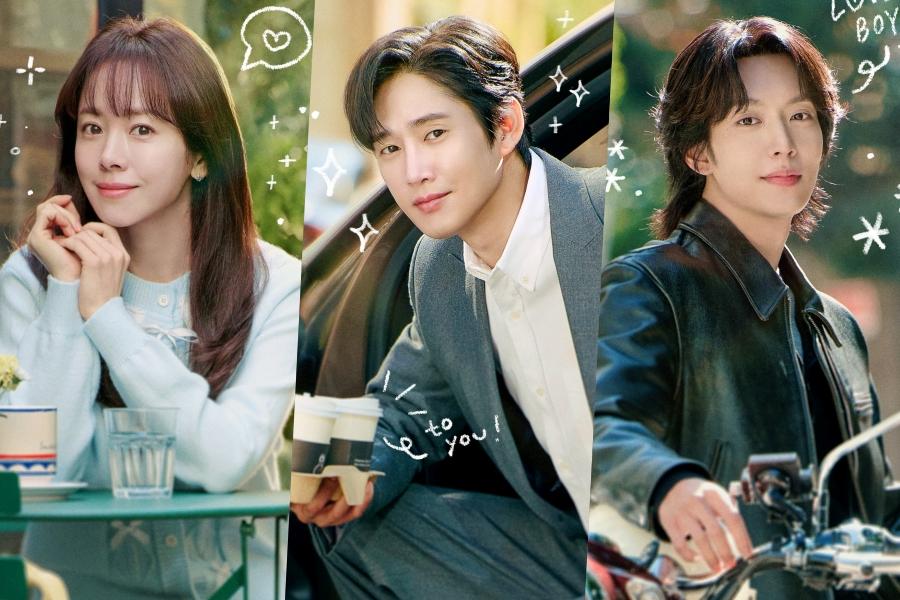
In the meticulously crafted world of Korean entertainment, the lines between drama and idol culture are often beautifully, and strategically, blurred. As JTBC's "The Practical Guide to Love" enters the crucial second half of its run, the narrative pivots are being dissected with the same fervor as a surprise comeback teaser from a top-tier idol group. The drama, led by the formidable trio of Han Ji Min, Park Sung Hoon, and Lee Ki Taek, sells itself as a witty rom-com about a woman writing a dating manual while being hopeless in love herself. But for the keen observer, especially one steeped in the rhythms of K-Pop, it reveals itself as a fascinating case study in performance, persona, and the intense public scrutiny that mirrors the idol experience. The second half promises not just romantic resolution, but a masterclass in narrative control—a concept any K-Pop agency plotting a multi-stage comeback would instantly recognize.
The show’s success hinges on a balance familiar to every idol: showcasing impeccable, crowd-pleasing technique (in this case, rom-com conventions) while allowing moments of raw, authentic vulnerability that forge a deeper connection with the audience. As we turn our attention to the final chapters, two critical points emerge that will define its legacy. These points—character evolution and narrative risk—are the drama's equivalent of a high-stakes comeback: will it play it safe with a proven formula, or introduce a daring, genre-bending "concept change" that could either alienate or immortalize it? The anticipation among viewers mirrors the tension in the days leading up to a major album drop, proving that the ecosystems of K-drama and K-Pop are powered by the same engine of fan investment and strategic revelation.
Background: The Idol-Adjacent Pedigrees of Our Leads
To understand the heightened interest from the K-Pop community, one must look at the cast's intrinsic connections to the idol world. This is not a cast operating in a vacuum; they are woven into the same cultural tapestry.
Han Ji Min: The Veteran "All-Rounder"
Han Ji Min is akin to the revered soloist who has successfully navigated multiple genres, from intense melodramas to lighthearted comedies, maintaining a flawless public image and unwavering fan loyalty for over two decades. Her reputation for kindness and professionalism on set is legendary, often drawing comparisons to the "idol of idols"—those artists respected industry-wide for their diligence and good character. Furthermore, her viral moments with BTS's V, where their warm friendship was highlighted, cemented her status within the periphery of the K-Pop universe, making her a familiar and beloved figure to millions of ARMYs and general K-Pop fans alike. She carries the weight of expectation, much like a senior idol on a comeback stage, tasked with delivering both nostalgia and fresh innovation.
Park Sung Hoon & Lee Ki Taek: The "Rookies" on a Breakout Trajectory
If Han Ji Min is the established star, then her co-stars represent the exciting "rookies" on the verge of a major breakout. Park Sung Hoon captured massive attention with his villainous turn in "The Glory," demonstrating a versatile skill set that can pivot from chilling to charming. His appearance in the music video for BTS member Jimin's "Like Crazy" further tied his profile directly to the heart of global K-Pop fandom. Lee Ki Taek, while perhaps less known internationally, brings a steady, everyman charm that often forms the crucial backbone of successful groups—the reliable vocalist or stable presence that allows the "flashier" members to shine. Together, this trio functions like a perfectly balanced project group, assembled for a specific promotional cycle (the drama's run), each member bringing a distinct fanbase and talent to create a synergistic whole. For more on the dynamics of rookie groups making a strategic impact, our analysis of AMPERS&ONE's genre-bending plans offers a compelling parallel.
The News: Decoding the Second-Half Playbook
With the foundation laid and character motivations established, the second half of "The Practical Guide to Love" must now execute its climax and resolution. This is where the director's cut is finalized, and every scene carries the weight of payoff. Based on narrative build-up and industry patterns, here are the two pivotal points to monitor.
1. The Deconstruction of the "Manual" and the Embrace of Authentic Chaos
The central metaphor of the drama is Ui-yeong's (Han Ji Min) "practical guide" to dating—a rigid set of rules and observations meant to systematize the unsystematizable. The first half saw her theories hilariously clashing with the messy reality of her feelings for Kang Hae-jin (Park Sung Hoon). The second half's primary task is the complete dismantling of this guide. Will Ui-yeong's growth come from writing a new, more empathetic manual, or from throwing the rulebook out entirely? This narrative arc is strikingly similar to an idol's journey toward artistic authenticity. Early in their careers, idols often follow a strict "manual" of concept, performance style, and public persona dictated by their agency. True stardom and longevity, however, frequently arrive when they begin to co-write their own narrative, introducing personal artistry into the mix.
The most compelling love stories, like the most compelling idol careers, aren't about perfect execution of a plan. They're about the beautiful, unscripted moments that happen when the plan falls apart.
Watch for how the script handles Ui-yeong's professional crisis alongside her romantic one. Her credibility as a dating coach is on the line, mirroring the public scrutiny idols face with every career move. Will she face a public "scandal" of incompetence? How she navigates this potential fallout, balancing pride with vulnerability, will be a masterclass in character development that resonates with anyone who has followed an idol through a period of intense public judgment, not unlike the discourse explored in our piece on Jungkook's viral moment and the scars of fame.

2. The Triangular Dynamics: Beyond Simple Rivalry to Nuanced Sympathy
The love triangle featuring Ui-yeong, Kang Hae-jin, and her longtime friend Park Jung-woo (Lee Ki Taek) risks falling into predictable tropes. The second half must elevate it. The key will be in granting Lee Ki Taek's character a narrative agency beyond mere "second lead syndrome." Does he become a catalyst for the main couple's realization, or does he embark on his own fulfilling arc separate from Ui-yeong? The best K-Pop narratives within groups often focus on the individual growth of each member, ensuring the overall story is richer.
Furthermore, the relationship between the two male leads themselves is crucial. Will they devolve into antagonistic rivalry, or will the drama offer a more modern, nuanced portrayal of mutual respect and complicated friendship? This dynamic can be compared to the intricate, often-speculated-upon relationships between idol group members, where brotherhood, competition, and deep care are inextricably linked. The writing's handling of this trio will determine whether the drama is remembered as a straightforward romance or a sophisticated exploration of adult relationships. For fans tracking character depth and actor profiles, be sure to check our Artists page for how idol actors have navigated similar complex roles.
Fan & Community Reaction: Hashtags, Theories, and Fan Edits
The fandom energy surrounding "The Practical Guide to Love" operates on platforms and with a vocabulary identical to K-Pop stan culture. On Twitter (X), dedicated hashtags for each character trend on broadcast nights, with fans creating real-time reaction threads, GIF sets, and "caption this" screenshots. TikTok and Instagram Reels are flooded with fan edits, setting poignant or funny scenes to popular K-Pop tracks, effectively creating unofficial OSTs that amplify the drama's reach into idol fan communities.
A significant point of discussion is Park Sung Hoon's "duality." Fans are relentlessly comparing his gentle, slyly charming Kang Hae-jin to his monstrous portrayal in "The Glory," creating side-by-side edits that highlight his range. This mirrors how idol fans celebrate "duality" between a member's on-stage and off-stage persona. Comments like "He's healing my trauma from 'The Glory'!" dominate forums, illustrating how viewers invest in an actor's narrative across projects, similar to following an idol's concept evolution across comebacks.
The "shipping" wars, while present, have taken a slightly more subdued tone, perhaps due to the clear narrative direction. However, fans of Lee Ki Taek are passionately advocating for his character to receive a worthy, independent happy ending, launching hashtags like #JusticeForJungwoo. This factional support is reminiscent of the dedicated solo stans within a group fandom, who campaign fiercely for their bias's screen time, lines, and narrative appreciation. The overall sentiment is one of invested optimism, as captured in a popular fan tweet:
Watching #ThePracticalGuideToLove feels like stanning a group where all the members have amazing chemistry. I'm rooting for the OTP, but I also need every character to win. Don't hurt my babies, writer-nim! #이유영 #강해진
Industry Analysis: The Hallyu Synergy Machine at Work
The success of "The Practical Guide to Love" does not exist in a silo. It is a product of the refined Hallyu machine that seamlessly cross-pollinates between drama and music. The drama's OST is itself a mini K-Pop showcase, featuring vocalists and idols that draw in their own fanbases. Each released track is promoted like a digital single, with lyric videos and streaming challenges, ensuring the drama maintains a constant presence on music charts and playlists. This strategy directly boosts engagement, as music fans check out the drama, and drama fans stream the OST—a perfect symbiotic promotional cycle.
Furthermore, the casting choices reflect a deep understanding of contemporary appeal. Park Sung Hoon's linkage to BTS's universe is a strategic asset, tapping into a pre-existing, highly engaged global fanbase likely to check out his new project. This is akin to how idol cameos in dramas work, but executed at a more integrated, starring level. The drama also benefits from the current trend of "healing" and lighter content post-pandemic, much like the K-Pop industry has seen a rise in brighter, more nostalgic concepts alongside the persistent trend of high-intensity performance.
This drama, like many modern K-dramas, is also a key vehicle for fashion and beauty trends—"유영코드" (Ui-yeong's code) for her elegant, professional wardrobe is a trending search term. This mirrors the idol phenomenon where an idol's airport fashion or stage outfit sparks immediate sold-out items and style analysis. The entire ecosystem—from the plot, to the stars, to the music, to the fashion—is engineered for multi-platform consumption and fan participation. For a look at how fashion discourse can transcend its origin point, read our analysis on how a simple accessory sparked a major conversation.
What's Next: Curtain Call and Lasting Impact
As "The Practical Guide to Love" approaches its finale, the focus will shift from weekly anticipation to assessing its legacy. For the cast, the outcomes are pivotal. A strong, well-received second half can catapult Park Sung Hoon into the absolute upper echelon of romantic lead actors, solidifying his leading man status. For Han Ji Min, it reinforces her impeccable choice in projects and her timeless appeal. For Lee Ki Taek, it can be the breakthrough that turns him from a recognizable face to a sought-after name.
For the industry, the drama is a test case in balancing traditional rom-com satisfaction with contemporary narrative depth and character agency. Its performance in ratings and on streaming platforms will inform future productions. Will it spawn a re-appreciation for classic, well-executed romantic comedies in an era often dominated by dark thrillers and fantasy epics? Similarly, its integrated promotion with the OST offers a blueprint for maximizing cross-media impact.
Ultimately, the conversation will linger among fans, much like the discourse after a major idol comeback. Did the finale stick the landing? Were the character arcs satisfying? Which scenes will live on as iconic GIFs and edits? The drama's true "practical guide" may be less about love and more about the perfect recipe for modern Hallyu success: stellar casting, a resonant hook, seamless K-Pop integration, and an unwavering understanding of the fan-driven economy that powers it all. As the final episodes air, all eyes will be on our Charts page to see if the OST tracks surge, and our News page for the inevitable follow-up interviews and potential special episodes. The second half is more than just the conclusion of a story; it's the final, decisive performance that determines whether this show becomes a perennial favorite, re-watched and recommended for years to come, much like a classic idol album that never leaves the playlist.