
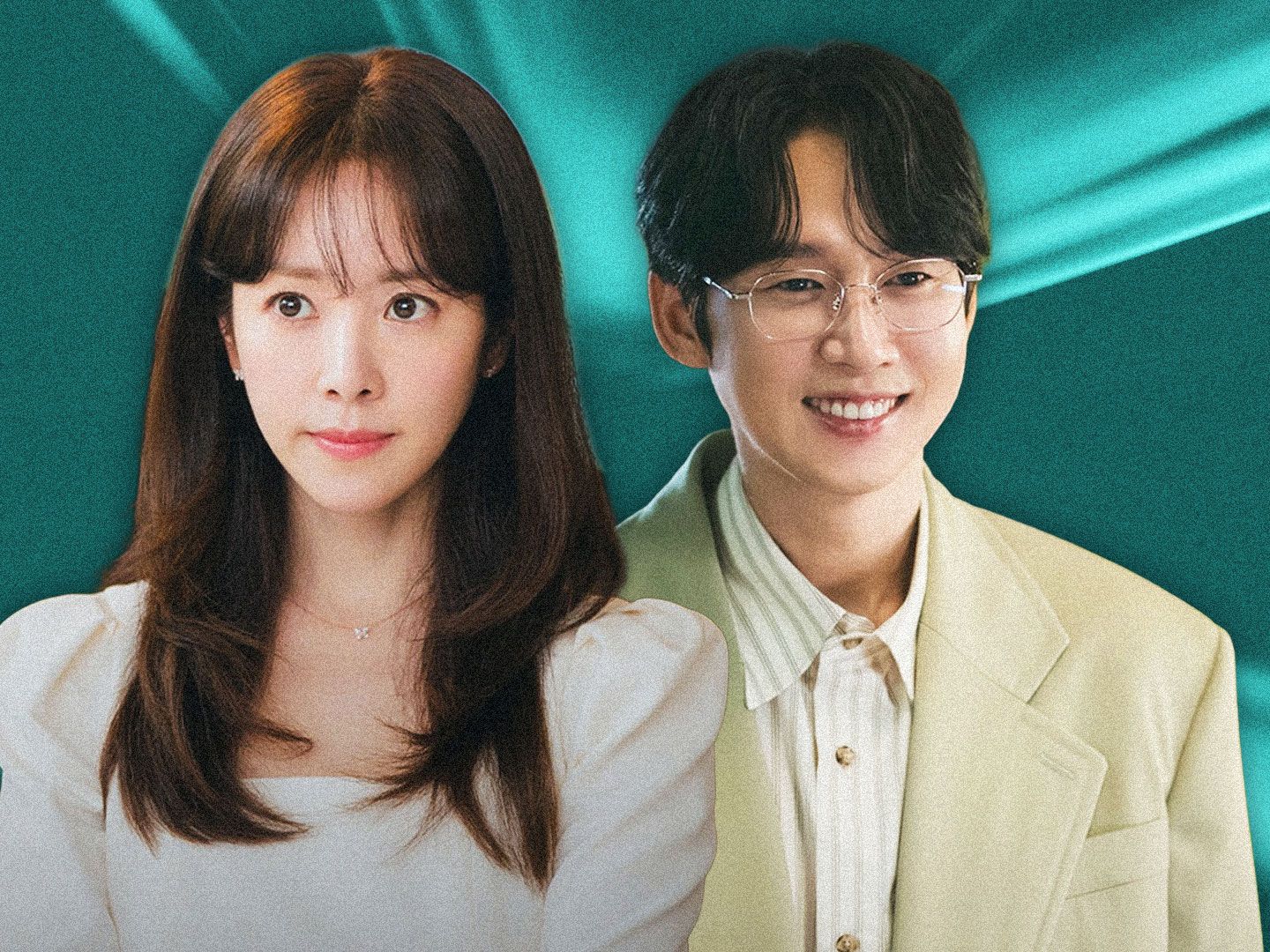
If you've been anywhere near K-drama Twitter or the bustling forums of our News page this week, you've felt the seismic shift. A particular vibration of pure, unadulterated comedic chaos has emanated from the ongoing series The Practical Guide to Love, and its epicenter is none other than actor—and former idol—Park Sung Hoon. While the series has charmed viewers with its quirky premise of a relationship coach (Han Ji Min's Ui Yeong) who is disastrously unlucky in love herself, episodes 5 and 6 didn't just advance the plot; they launched Park Sung Hoon's Tae Seop into the stratosphere of this season's most hilarious and endearing characters. This isn't just a standout drama performance; it's a fascinating case study in how skills honed in the K-pop incubator are being weaponized for peak comedic effect on screen.
The Hook: When the Stoic Facade Cracks, Hilarity Ensues
For the first four episodes, Tae Seop existed as a compelling enigma: the seemingly perfect, composed, and slightly cynical neighbor with a hidden connection to our heroine's past. Episodes 5 and 6 performed the delicate surgery of dismantling that composed image, not with angst, but with a screwdriver of slapstick, situational irony, and perfectly timed awkwardness. The narrative "wheels coming into motion," as hinted, involved Tae Seop's decision to actively manage Ui Yeong's love life, transforming him from observer to flustered, emotionally-invested conductor of a train he quickly realizes is heading off a cliff. The genius of Park Sung Hoon's performance lies in the transition: the micro-expressions of panic beneath a thin veneer of control, the physical comedy of a man trying to maintain dignity while utterly out of his depth.
Blurred Lines: Park Sung Hoon's Journey from Stage to Screen
To understand the depth of this performance, one must appreciate the artist's unique trajectory. While many recognize Park Sung Hoon today for his dramatic chops in shows like The Glory, his foundational training was in the rigorous world of K-pop. Before captivating audiences as the villainous Yeon Jin's husband, he trained and debuted within the idol system, a background that imbues him with a distinct set of tools. Idol training is about more than singing and dancing; it's about precise control over one's body, facial expressions, and timing—all calibrated to convey specific emotions to an audience, often from a distance.
This background is explosively evident in his comedic turn as Tae Seop. The physicality of his humor—the stiff posture melting into frantic gestures, the way he uses his entire frame to express "secondhand embarrassment" during Ui Yeong's dates—feels choreographed in the best way. It’s the precision of a performer used to hitting his mark and conveying a story without words. This seamless crossover is part of a larger, rewarding trend where idol-trained actors bring a heightened sense of performative awareness to their roles. It’s a different kind of artistry, one that complements traditional acting training with the relentless discipline of the idol world. You can explore more artists navigating this transition on our Artists page.
The Idol-Actor Advantage: Precision in Chaos
What does an idol background specifically lend to a comedic K-drama role? Firstly, reactive timing. In variety shows and live stages, idols must think on their feet and react in real-time to unpredictable moments. Park Sung Hoon channels this directly into Tae Seop's increasingly desperate reactions to Ui Yeong's romantic misadventures. Secondly, control over "aegyo" (charming, cute behavior) and its intentional subversion. Idols are often masters of deploying calculated aegyo. Here, Park Sung Hoon uses that same understanding to deliver Tae Seop's awkward, unintentional, and therefore utterly hilarious version of it—a man trying to be smooth and failing spectacularly, which is infinitely more charming.
Deconstructing the Chaos: Four Pinnacles of Comedy in Episodes 5-6
Let's break down the moments that solidified Tae Seop's comedic legend status and showcased Park Sung Hoon's brilliance.
1. The "Undercover" Cafe Debacle
In a move of breathtaking audacity (and stupidity), Tae Seop decides to secretly observe Ui Yeong's date at a cafe. Park Sung Hoon's performance here is a silent film masterpiece. From the overly large newspaper prop with comically cut-out eye holes to the way he attempts to sip coffee through the paper, every choice is calibrated for maximum awkwardness. The pinnacle is his frozen, wide-eyed horror when Ui Yeong suddenly looks in his direction—a reaction shot that lasts just a beat too long, mining the situation for every ounce of cringe-laughter. It's a scene built entirely on physical comedy, a language Park Sung Hoon speaks fluently.
2. The "Expert Advice" Backfire
Armed with misguided confidence, Tae Seop feeds Ui Yeong terrible, overly complex dating advice via text, positioning himself as a mysterious love guru. The comedy stems from the cutaways to his smug, self-satisfied expression as he sends the messages, juxtaposed with Ui Yeong's baffled and increasingly disastrous attempts to follow them. Park Sung Hoon plays the transition from guru pride to dawning, gut-wrenching realization that his advice is causing active harm perfectly. His face falls not with tragedy, but with the comic tragedy of a man who has accidentally set his own shoes on fire.

It’s the precision of a performer used to hitting his mark. Park Sung Hoon isn't just acting embarrassed; he's choreographing it.
3. The Drunken "Confession" of Management
After a drink too many, Tae Seop's tightly-wound control fully unravels. He doesn't confess romantic love, but rather his frantic, all-consuming obsession with managing Ui Yeong's love life. Park Sung Hoon slurs his words, his gestures become loose and grandiose, and he delivers a passionate, illogical speech about market research and competitor analysis applied to romance. It’s hilarious because it's rooted in character—his logical mind short-circuiting. This scene reminds us that the best K-drama comedy emerges from genuine character flaws, not just situational gags.
4. The Morning-After Mortification
The true test of a comedic performance is often the aftermath. Waking up with hazy memories of his drunken rant, Tae Seop pieces together the horror. Park Sung Hoon delivers a masterclass in silent, internal screaming. His attempts to act normal around Ui Yeong are painfully transparent, his eyes screaming with regret while his mouth forms a strained, polite smile. This prolonged sequence of shame is funnier than the rant itself, showcasing the actor's ability to sustain a comedic mood through subtle, agonizing expression work.
The Fandom Frenzy: Memes, Manias, and Mutual Recognition
The fan reaction has been instantaneous and volcanic. Social media is flooded with GIFs of Park Sung Hoon's most pained expressions, clips of the cafe scene, and humorous edits labeling him the "CEO of Ui Yeong's Love Life (Bankrupt Division)." On platforms like Weverse and Twitter, the conversation has fascinatingly bifurcated. Long-time drama fans are celebrating the arrival of a superb comedic foil, while K-pop fans, particularly those who remember Park Sung Hoon's earlier career, are experiencing a wave of proud "I knew him when" energy.
This dual-fandom engagement mirrors the protective, analytical fervor seen in other deeply invested communities. Much like how ARMYs meticulously dissect and defend the narrative around their idols, fans of the drama are collectively reveling in Tae Seop's misadventures. There's a shared language of inside jokes and moment-specific reactions that binds viewers, creating a communal viewing experience that extends far beyond the episode's runtime. It's a dynamic not unlike the one explored in our analysis of fan resilience, "The Unshakeable Bond: How ARMYs Are Dismantling the Latest 'BTS Discord' Narrative." In both cases, a deep understanding and appreciation of the artist's intent fuels a passionate, unified community response.
Industry Ripples: What a Hit Comedic Turn Signals
Park Sung Hoon's success in this role is a significant data point for the industry. It reinforces the immense value of idol-trained actors in genres beyond romance and melodrama, proving their skill set is uniquely adaptable to physical and timing-based comedy. Casting directors are undoubtedly taking note. Furthermore, the series' soundtrack and viewing patterns are seeing a boost. A beloved character drives interest in every aspect of a show, from its OST—often featuring K-pop idols—to its broader cultural footprint.
This synergy is the engine of Hallyu's continued evolution. A drama hit can catapult an actor (and its music) to new prominence, which in turn feeds back into the vibrant ecosystem of K-pop. We see a similar strategic interplay in music releases, where B-sides and special videos are used to deepen artist narratives, a tactic discussed in our piece "Beyond the Title Track: How P1Harmony's 'L.O.Y.L.' Video Release Signals a Strategic Shift." The Practical Guide to Love is executing a parallel strategy with its character arcs, using Tae Seop's hilarious breakout to deepen audience investment in the core romance.
The performance also speaks to a growing appetite for male leads who are multifaceted—who can be stoic, emotionally clumsy, funny, and vulnerable, sometimes within the same scene. This break from the traditionally hyper-cool, impossibly perfect male lead is a breath of fresh air, and audiences are rewarding it with attention and affection. It aligns with a broader trend toward authenticity and emotional complexity, even within comedic frameworks, a theme also present in the raw lyricism of BTS's recent work, as explored in "Riding the Tide: How BTS’s 'Swim' Navigates the Depths of Longing."
What Lies Ahead: For Tae Seop, Park Sung Hoon, and the Crossover Wave
For the remainder of The Practical Guide to Love, the stakes are deliciously high. Tae Seop's hilarious meddling has irrevocably entangled him in Ui Yeong's life. The central question now is how this "practical guide" will confront the deeply impractical feelings clearly brewing beneath his comedic panic. The transition from hilarious manager to genuine romantic contender is a tightrope walk, but if anyone can make it feel earned, it's Park Sung Hoon, who has proven he can make us laugh with a character's pain, not at it.
For Park Sung Hoon's career, this role is a game-changer. It showcases a dynamic range that solidifies him not as a former idol who acts, but as a formidable actor, period. It opens doors to leading man roles in rom-coms and beyond. The industry is watching, and his next project will be highly anticipated. Will he lean further into comedy, or return to darker, dramatic material? His ability to command both spectrums makes him one of the most interesting figures to watch on our Charts page for trending actors.
Ultimately, the uproarious success of this character arc is a win for everyone: for viewers who get premium entertainment, for an actor showcasing his full arsenal, and for the ever-fluid creative exchange between K-pop and K-drama. It reminds us that at the heart of both industries is storytelling—whether through a three-minute song that captures a universe of feeling, like Hyunjin of Stray Kids' intimate solo work analyzed in "The Art of Intimacy," or through a sixteen-episode series where love is learned not from a textbook, but from the hilariously messy, beautiful attempts to connect. The pratfalls are just part of the path, and thanks to performers like Park Sung Hoon, we're laughing every step of the way.