
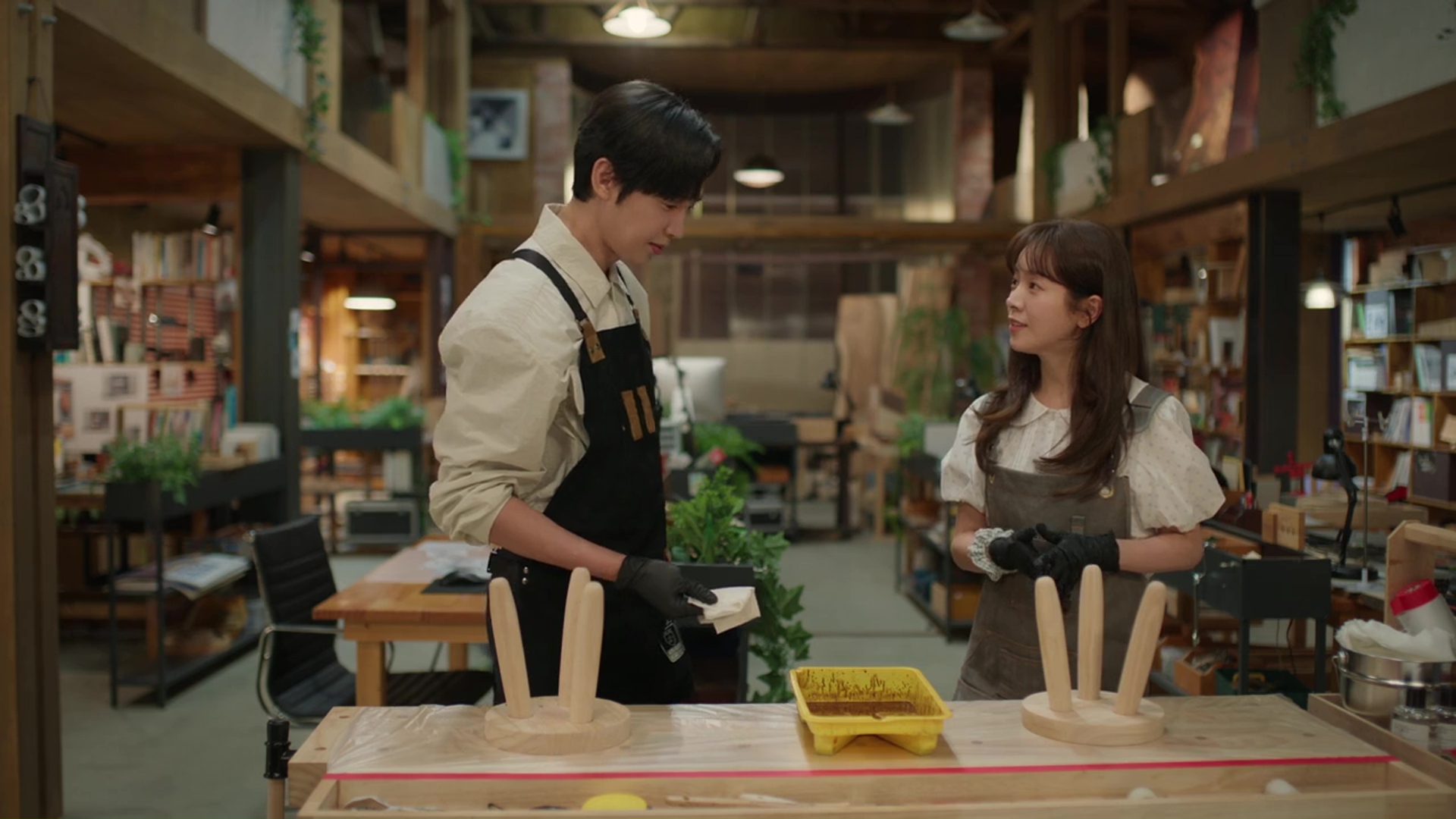
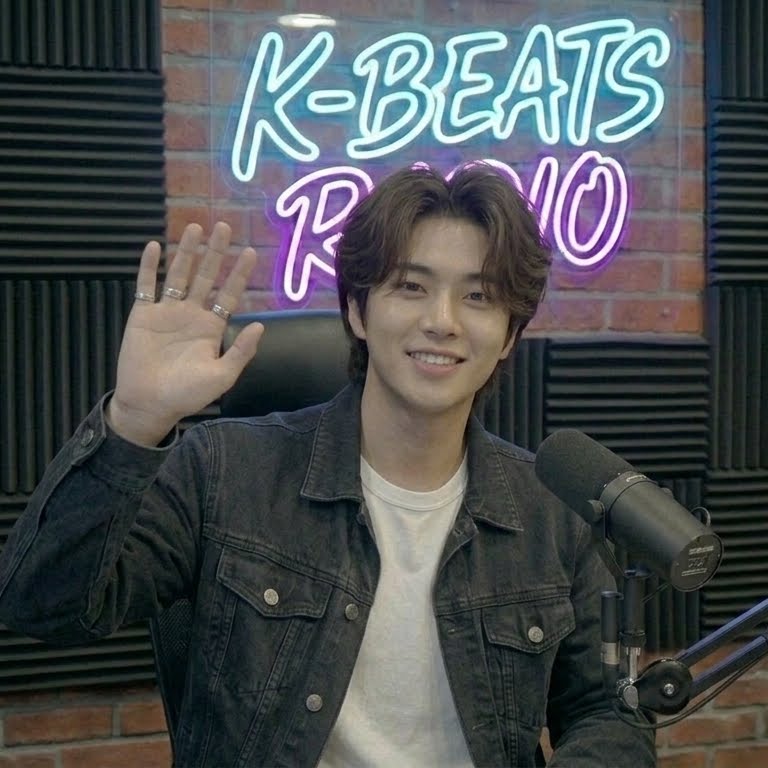
If you've ever watched a K-Pop music video with a cinematic storyline, felt your heart lurch during a particularly raw idol V-Live, or followed the intricate character arcs in a group's concept universe, you understand the power of narrative. It's the secret sauce that transforms performers into personalities and songs into shared emotional experiences. This week, the small screen delivered a potent reminder of that alchemy, as episodes 9 and 10 of the burgeoning hit “The Practical Guide to Love” shifted gears from charming setup to profound emotional payoff, leaving viewers collectively clutching their hearts and reaching for the tissues. The drama, which has quietly built a dedicated following, is doing more than just telling a love story; it's showcasing the very narrative craftsmanship that the K-Pop industry has honed to a fine art.
For fans who live in the world of comebacks, lore, and meticulously crafted personas, the beats of this drama feel intimately familiar. The transition from playful banter to vulnerable confession, the weight of past trauma influencing present actions, the sheer, breathtaking catharsis of a long-awaited, honest moment—these are not just drama tropes. They are the foundational elements of the stories we follow in our favorite artists' careers. This isn't a coincidence. As the lines between K-Pop, K-drama, and web content continue to blur, the success of a show like “The Practical Guide to Love” offers a fascinating case study in emotional resonance, proving that the audience's craving for authentic, character-driven storytelling is as insatiable in primetime as it is on music show stages.
The Stage is Set: K-Drama as the Natural Extension of K-Pop Storytelling
To understand the significance of “The Practical Guide to Love” and its latest emotional onslaught, one must first look at the ecosystem from which it springs. K-Pop has long since evolved beyond mere music production. It is a holistic narrative engine. Groups debut with elaborate mythologies—think of the interconnected universes of groups like BTS or aespa—where each music video is a chapter, each album a season in a grander saga. Idols are not just singers and dancers; they are protagonists. Their reality shows, variety appearances, and even social media feeds are curated to develop their "characters": the diligent leader, the quirky mood-maker, the savage visual.
This deep-seated culture of narrative investment makes the K-Pop fandom uniquely primed for K-dramas. They are experts in parsing subtext, waiting for narrative payoffs, and forming intense emotional attachments to characters. A drama like “The Practical Guide to Love,” which features actors like Park Ji-hu and Chae Jong-hyeop—who themselves exist in the same celebrity orbit as idols—feels like a natural next step. It’s a more traditional, long-form exploration of the same themes of love, growth, trauma, and connection that idols often hint at in their lyrics and concepts. The drama's rise parallels the success of idol-actors and soundtracks performed by top groups, creating a synergistic loop of content consumption. When a drama hits the right emotional notes, it doesn't just succeed as a standalone project; it validates the entire narrative-centric approach of modern Korean pop culture.
Deconstructing the "Aww": Four Heart-Melting Moments from Episodes 9-10
So, what exactly did episodes 9 and 10 do to trigger such a widespread, visceral reaction? The series, which had previously balanced romantic tension with a lighthearted, almost tutorial-like premise, plunged its characters into deep emotional waters. The "practical guide" was thrown out the window, replaced by the messy, unpredictable reality of human hearts. Here are the four key moments that defined this pivotal turn.
1. The Confession That Wasn't a Confession (Until It Was)
The central will-they-won't-they tension reached a boiling point in a quietly devastating scene. After a misunderstanding fueled by external meddling, the male lead, Seo Ji-hwan, finds the female lead, Kim Da-hyun, waiting for him in the rain. Instead of a grand declaration, the scene is masterfully understated. Ji-hwan, his voice thick with emotion, doesn't say "I love you." He says, "My ‘practical guide’ failed. There’s no chapter for this. For the feeling that I want to protect someone even from the slightest chill, even when it means I’m the one getting wet."
“It wasn't in the script. Protecting you. It’s just… what my heart started writing on its own.”
This dialogue is a masterstroke. It acknowledges the show's original premise while simultaneously shattering it, mirroring the way idols often break their "concept" in moments of genuine, unscripted emotion during concerts or fan meetings. The vulnerability isn't in perfect words, but in the admission of a plan gone beautifully, terribly awry.
2. The Flashback That Changed Everything
Da-hyun's character has always been guarded, her practicality a shield. Episode 10 finally revealed the origin of that shield: a past heartbreak not of romantic betrayal, but of familial abandonment and conditional love. The flashback wasn't a dramatic, tear-filled montage. It was a series of small, sharp memories—a missed parent-teacher conference, a birthday forgotten, the cold, transactional language of "achievement equals affection."

This moment reframed her entire character. Her insistence on rules, steps, and practical measures for love was suddenly no longer a quirky personality trait, but a survival mechanism. For K-Pop fans, this is analogous to the moment an idol finally reveals the personal struggle behind a song's lyrics, like the raw admissions that have fueled tracks discussed on our news page. It transforms the performance into a portrait, creating a new layer of empathy and connection that is impossible to shake.
3. The Support Squad's Unwavering Vow
K-Pop is built on the power of the group, the "found family" trope that resonates deeply with fans. “The Practical Guide to Love” honored this by giving Da-hyun's circle of friends a critical, emotionally charged scene. After learning of her past, they don't offer pity. In a moving display of solidarity, they stage a re-do of her worst birthday memory, filling her present with the unconditional love her past lacked.
One friend states, "We can't rewrite your past chapters. But we can make sure every chapter from now on has us in the footnotes, as your loudest, most annoying cheerleaders." This moment celebrated platonic, steadfast love—a dynamic central to idol group dynamics and the fan-idol relationship. It underscored that romantic love isn't the only, or even the most important, love story being told.
4. The Silent Reconciliation
Following the rain-soaked almost-confession, a rift of awkwardness and fear forms between Ji-hwan and Da-hyun. The resolution comes not with more words, but with action. Ji-hwan, remembering a throwaway comment Da-hyun made episodes earlier about a specific, hard-to-find street food from her childhood hometown, spends a day tracking it down. He presents it to her without fanfare, simply placing it on her desk with a small, hopeful smile.
The power is in the listening. It’s a quiet demonstration of love that speaks volumes, proving he values her history, her tiny joys, and her words. This "acts of service" love language is a frequent theme in fan-idol interactions, where fans recall an idol's favorite snack or reference an old inside joke, and the idol later acknowledges it. It creates a profound, intimate bond built on attentive care, a moment that had viewers everywhere whispering a heartfelt "aww" at the screen.
The Fandom Echo Chamber: Memes, Tears, and Theories
The fan reaction to these episodes was instantaneous and massive, flooding social media platforms. On Twitter, the hashtag #PracticalGuideToLove trended globally, with clip after clip of the key moments amassing millions of views. The "rain confession" scene, in particular, was turned into countless reaction GIFs and video edits, often set to the emotional ballads of top K-Pop acts like IVE or soloists, creating a perfect feedback loop of sentiment.
On platforms like TikTok and Instagram, fans created "appreciation edits" for the supporting friend group, dubbing them "the ultimate bias wrecker squad." Deep-dive analysis threads popped up on Reddit and niche forums, dissecting the flashback symbolism and predicting future plot twists based on minor prop details—a behavior directly imported from analyzing K-Pop music videos for lore clues. The emotional response was overwhelmingly positive but nuanced. As one fan posted on a popular forum: "This didn't just make me cry for the characters. It made me think about my own 'practical guides' for life and love. When did I stop letting myself be surprised?"
This reflective, personal impact is the holy grail of both K-drama and K-Pop storytelling. It moves the narrative from the screen or stage into the viewer's own life, cementing a lasting connection. The discourse even drew parallels to recent music releases, with fans noting the thematic similarities between the drama's exploration of self-protection and the defiant energy of songs like ISHA's "F the Love", or contrasting it with the bittersweet reflection in Donghyun's "Happy Death Day."
Industry Ripples: Why This Drama's Success Matters Beyond Ratings
The soaring popularity of “The Practical Guide to Love” is more than just a win for its network and producers. It signals a clear and continuing trend in the Hallyu wave: the demand for emotional intelligence in content. Audiences, especially the globally engaged demographic that follows K-Pop, are sophisticated. They reject purely saccharine stories in favor of narratives that acknowledge pain, celebrate growth, and honor the complexity of human relationships.
This has direct implications for the K-Pop industry. First, it reinforces the value of idol-actors who can deliver this nuanced emotional depth. Second, it validates the investment in high-quality, narrative-driven original soundtracks (OSTs). It's no surprise that the drama's OST, featuring vocals from acclaimed soloists and idol group members, is climbing the real-time charts. Each song functions like a B-side track that deepens the album's story. Third, it shows that the foundational stories idols tell about themselves—stories of training, struggle, friendship, and triumph—are compelling because they are, at their core, classic human dramas.
Furthermore, the drama's handling of trauma resonates in an industry increasingly grappling with its own psychological wounds. The careful, empathetic unpacking of Da-hyun's past stands in stark contrast to the often-sensationalized or ignored mental health struggles of artists, a topic touched upon in K-Beats' exploration of K-Pop's hidden wounds. It demonstrates a mainstream audience's readiness for more thoughtful, less exploitative storytelling about personal history and healing.
The Next Chapter: Anticipation, Crossovers, and Lasting Impact
As “The Practical Guide to Love” moves into its final stretch, the anticipation is palpable. Will the "practical guide" be rewritten entirely? Can the characters maintain their newfound vulnerability? The drama has successfully done what any great K-Pop comeback does: it has raised the stakes and deepened the investment, ensuring its audience is locked in for the finale.
Looking forward, the drama's success blueprint is likely to be studied. We can expect to see more dramas that employ this slow-burn, character-centric approach, perhaps even directly incorporating K-Pop world elements as backdrops. The potential for crossover is immense—imagine cameos from idols playing themselves, or plotlines set in the high-pressure world of trainee life. The conversation it has sparked about emotional authenticity also puts a subtle pressure on the wider industry. Just as this drama moved past superficial tropes, fans may increasingly seek that same depth from the conceptual narratives their favorite idols present, challenging the boundaries of performance in ways previously explored in discussions about K-Pop's conceptual boundaries.
In the end, the resonant "awws" triggered by episodes 9 and 10 are a testament to a simple, universal truth: we are all searching for our own practical guide to connection. “The Practical Guide to Love” succeeds because, like the best K-Pop narratives, it admits there isn't one perfect manual. The real story—in dramas, in music, and in life—is found in the messy, beautiful, unscripted moments when the guidebook is abandoned, and the heart, hesitantly but surely, begins to write its own lines. The journey of Da-hyun and Ji-hwan, much like the ongoing stories of the artists lighting up the charts, reminds us that the most compelling plot is always the one towards genuine, unguarded feeling.