

Opening: When Fiction Holds a Mirror to a Glossy Industry’s Cracks
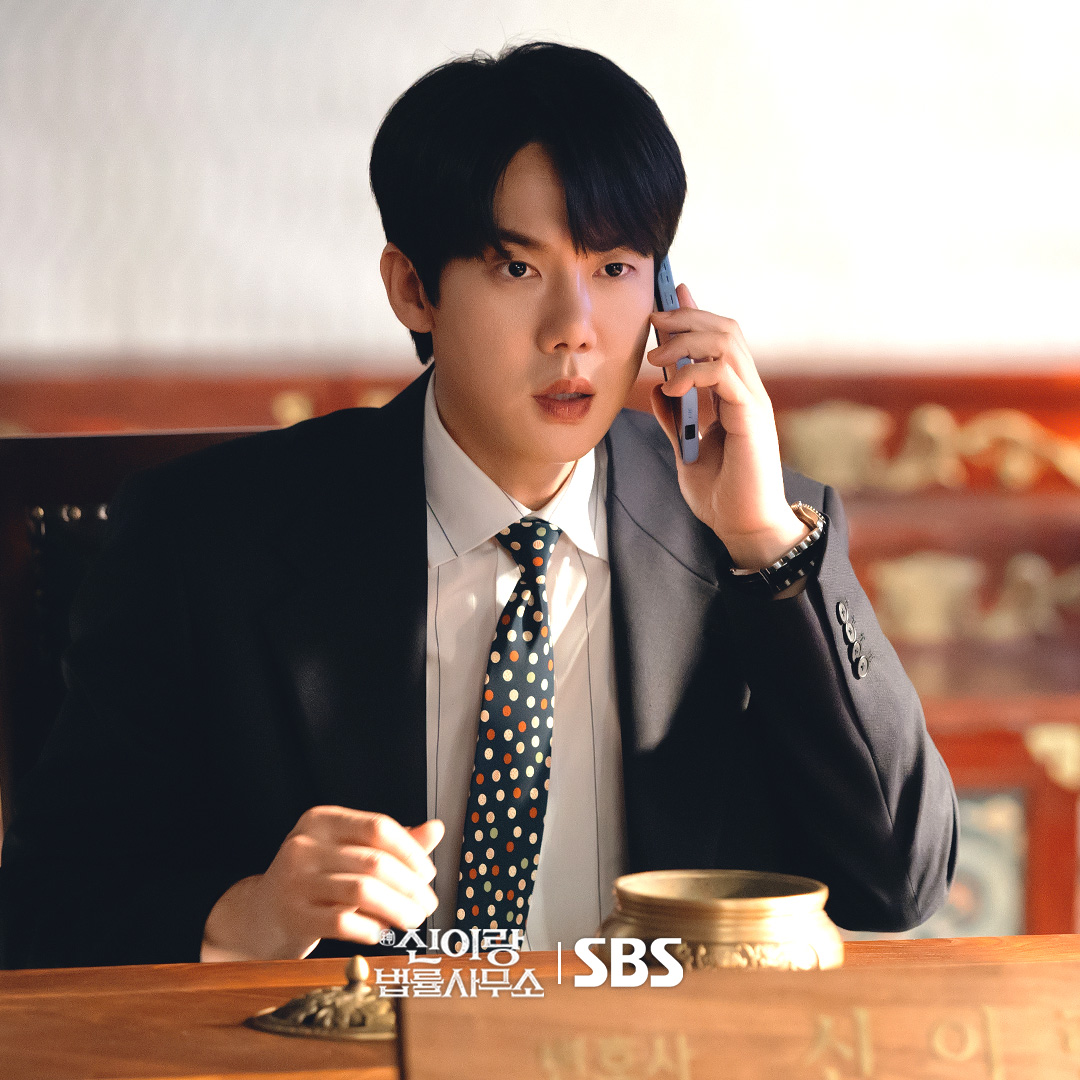
Beneath the dazzling stage lights, synchronized choreography, and meticulously crafted personas of K-Pop lies a world often shrouded in shadows—a world of immense pressure, relentless training, and silent struggles. While fans worldwide celebrate the art and artistry of their favorite idols, the industry's foundational trainee system has long been a subject of both fascination and concern. This week, that complex reality is thrust into the dramatic spotlight as actor Yoo Yeon Seok steps into a role that cuts to the heart of K-Pop's most somber conversations. In an upcoming episode of the SBS drama "Phantom Lawyer," Yoo's character, the eccentric lawyer Shin I Rang, takes on a case that is chillingly familiar to industry watchers: investigating the ambiguous death of a young idol trainee, probing whether it was a homicide or a suicide.
This narrative development is more than just a plot twist; it is a cultural moment. By weaving a trainee's tragedy into its legal framework, "Phantom Lawyer" taps into a reservoir of real-world anxiety, grief, and unanswered questions that have periodically surfaced in K-Pop news. The drama promises to explore not just a whodunit, but a "why-dunit"—delving into the systemic pressures, agency politics, and personal demons that can converge with tragic consequences. For a global audience increasingly aware of the human cost behind the hit songs, this episode serves as a poignant, fictionalized entry point into discussions about mental health, duty of care, and the ethical boundaries of fame creation. It challenges viewers to look beyond the glamour and consider the stories that never make it to our Charts page.
Background: The Actor, The Drama, and The Industry’s Unspoken Legacy
To understand the weight of this storyline, one must first appreciate the confluence of artist and subject matter. Yoo Yeon Seok, known for his versatile roles in "Hospital Playlist" and "Reply 1994," brings a credible gravitas to the screen. His portrayal of Shin I Rang—a lawyer who communicates with ghosts to solve cases—adds a supernatural layer to what is essentially a human story. The drama itself, "Phantom Lawyer," has been described as a quirky yet heartwarming legal series, making this foray into the dark underbelly of entertainment a significant tonal shift that highlights the seriousness of the issue.
The context of idol trainees in South Korea is a saga of its own. For decades, the "trainee system" has been the engine of the K-Pop machine, scouting young talents—sometimes children—and subjecting them to years of rigorous training in singing, dancing, languages, and media presentation. While this system has produced global superstars, it has also been criticized for its intensity, lack of transparency, and the psychological toll it can exact. Stories of trainees enduring extreme diets, sleep deprivation, and constant evaluation are not uncommon. Tragically, real-life incidents involving trainee and idol suicides, though often underreported in their full context, have periodically shaken the industry, leading to public outcry and calls for reform.
This drama episode did not emerge in a vacuum. It follows a period of heightened scrutiny on idol welfare. Recent years have seen more open discussions about mental health, with top idols like Jonghyun of SHINee and Sulli of f(x) remembered in conversations about the price of fame. Furthermore, scandals involving agency malpractice and unfair contracts continue to make headlines. The "Phantom Lawyer" case, therefore, is a fictionalized composite of many real fears. It echoes past tragedies while commenting on the persistent structures that can lead to such outcomes, much like our in-depth report on the intense scrutiny and unseen scars borne by idols like BTS's Jungkook.
The News: Dissecting the Case of the Fallen Trainee
According to previews and production notes from SBS, the upcoming episode of "Phantom Lawyer" will focus intensely on the death of a female trainee named Park Ji-woo (a fictional character). The case arrives on Shin I Rang's desk when the trainee's ghost appears to him, seeking justice but unable to clearly communicate the circumstances of her death. The initial police report leans toward suicide, citing personal struggles and the pressures of trainee life. However, inconsistencies emerge, pointing to possible foul play within her agency, "Starlight Entertainment."
Yoo Yeon Seok's character must navigate a web of secrecy, corporate protectionism, and rivalries among trainees to uncover the truth. The narrative promises to explore several key angles:
- The Agency's Role: The drama hints at a cover-up, with agency executives more concerned about scandal and stock prices than the truth. This reflects real-world anxieties about where loyalties lie in profit-driven entertainment companies.
- The Trainee Ecosystem: Through flashbacks and witness accounts, the show will depict the competitive, isolating environment of the dorms and practice rooms. The pressure to debut, the fear of elimination, and the complex relationships between trainees are all set to be examined.
- The Family's Anguish: The trainee's family, portrayed as working-class individuals who invested everything in her dream, becomes a tragic focal point, questioning the promises of the industry.
"This case isn't about a ghost; it's about the living who failed the dead," a line from the episode's preview states, underscoring the drama's thematic depth.
Production insiders suggest that the episode does not shy away from grim details, showcasing the physical and emotional exhaustion of trainee life. It also introduces a subplot involving a popular debuted idol from the same agency who may hold crucial information, blurring the lines between complicity and victimhood. This multi-layered approach ensures the story is not a simple mystery but a societal critique, positioning "Phantom Lawyer" as one of the first major network dramas to directly tackle the trainee system's darkest potential outcomes in such a forensic manner.

Fan & Community Reaction: A Wave of Empathy, Anger, and Advocacy
Since the previews aired, the K-Pop community online has been alight with discussion. On platforms like Twitter, Weverse, and niche forums, the response has been multifaceted, reflecting the fandom's deep emotional investment in the well-being of idols.
On social media, hashtags like #ProtectTrainees and #PhantomLawyerRealityCheck have trended, with many fans expressing that the drama "finally says what we've all been thinking." Comments often draw parallels to real agencies and past incidents, though names are cautiously avoided to prevent libel. A significant segment of fans has praised the show for its bravery, hoping it will educate the general public about the realities behind the sparkle.
International fan communities have been particularly vocal, using the episode as a springboard to organize resources on idol mental health support. "This fictional story is a gateway to talking about very real issues," wrote one Reddit user in a lengthy r/kpop discussion thread. "It's uncomfortable but necessary." Others have shared links to petitions for better trainee rights and regulations, demonstrating how entertainment can catalyze real-world action.
However, the reaction is not uniformly positive. Some netizens and fans of specific agencies have accused the drama of sensationalism and painting the entire industry with a broad, negative brush. They argue that many agencies provide excellent care and that focusing on extreme cases is unfair. This defensive stance often sparks debate about "company stanning" versus critical support. Additionally, there is a palpable anxiety among fans that such storylines could reinforce negative stereotypes about K-Pop overseas, potentially harming the idols they support.
Notably, the conversation has also spilled into fan artist and writer communities, with an influx of fanfiction and art exploring "what-if" scenarios for their favorite groups' trainee days, often with a more protective, hopeful lens. This creative response shows how fans are processing the themes through their own cultural production. For more ongoing discussions on idol welfare and industry trends, fans are increasingly turning to our News page for balanced reporting.
Industry Analysis: A Critical Juncture for Reflection and Reform
The decision by a mainstream drama like "Phantom Lawyer" to center an episode on this topic is a significant cultural signal. It indicates that the trainee system and its associated risks have permeated public consciousness to a degree that makes them viable, even compelling, prime-time narrative material. This mirrors a broader trend in South Korean media, where dramas increasingly tackle social issues, from inequality to mental health.
From an industry perspective, this portrayal comes at a sensitive time. Major agencies are under more scrutiny than ever, not just from fans but from legislators. Recent amendments to the "Popular Culture Arts Industry Development Act" have aimed to improve contract fairness and limit training periods. However, enforcement and cultural change are slow. A drama like this applies a different kind of pressure—the pressure of public sentiment and moral accountability.
The episode's impact can be analyzed in several ways:
- Normalizing the Conversation: By presenting trainee struggles in a relatable, human story, it destigmatizes discussions about mental health within the competitive entertainment field. This can empower current trainees and idols to speak up, much as how moments of vulnerability from top stars have in the past.
- Agency Accountability: The fictional agency's portrayal as potentially negligent or corrupt holds up a mirror to real companies. While no direct correlations are made, the narrative encourages viewers to question the power dynamics at play. This resonates with real-world scandals, such as the one explored in our article about the harsh and often superficial judgments within the industry.
- Artistic Reclamation of Narrative: Just as established artists like T.O.P are using their work to reclaim their stories—as seen in his solo project "ANOTHER DIMENSION"—this drama represents an external artistic force reclaiming the narrative about the K-Pop system. It's a story about the industry, told from a critical yet empathetic outside perspective.
Furthermore, the timing intersects with the debut of new groups who are navigating a changed landscape. For instance, rookies like AMPERS&ONE from FNC Entertainment are entering an industry where these conversations are live. Their planned "genre-bending conquest," as detailed in our coverage of their "DEFINITION" teaser, occurs within this context of increased awareness and expectation for better practices.
Ultimately, the episode serves as a cultural audit. It asks whether the industry's global success has come at too high a cost and whether the structures built in the past are sustainable for the future. It challenges agencies to prioritize human beings over commodities, a shift that some forward-thinking companies are already attempting to make.
What's Next: The Ripple Effects of a Fictional Case
As the episode airs, its effects will likely extend beyond ratings and immediate social media buzz. We can anticipate several developments in the coming weeks and months.
Firstly, for "Phantom Lawyer" itself, this episode could define its legacy, shifting perception from a quirky legal drama to a series unafraid of substantive social commentary. Depending on its handling, it could set a precedent for other dramas to incorporate K-Pop industry critiques, much as "SKY Castle" did for education pressures.
Within the K-Pop industry, the response from agencies will be telling. While official statements are unlikely, internal communications and potential adjustments to trainee programs could be subtle outcomes. More visibly, we may see an increase in agencies publicly highlighting their trainee support systems, mental health partnerships, and ethical policies as a form of proactive reputation management.
Legislatively and socially, the drama could add fuel to ongoing advocacy efforts. Non-profits and fan unions focused on entertainer rights may use the heightened awareness to lobby for stronger regulations, such as mandatory psychological evaluations, independent ombudsmen for trainees, and clearer guidelines on working hours for minors.
For fans and the media, this moment reinforces the importance of critical, compassionate engagement with K-Pop. It underscores that supporting idols means caring for the people behind the performances and advocating for systems that protect them. The conversation started by "Phantom Lawyer" is likely to continue, influencing how new fans are educated about the industry and how veterans consume content.
In the long term, the hope is that this fictional exploration contributes to a cultural shift where the well-being of trainees and idols is not an afterthought but a foundational principle. As the industry continues to evolve and expand globally, the lessons from this drama—and the real stories it echoes—could help shape a more humane future for the next generation of artists. The phantom of the trainee may haunt the screen today, but its true purpose is to ensure that no more ghosts are created in the silent halls of practice rooms tomorrow.