
Last week's announcement that Ten of WayV and NCT has concluded his exclusive contract with SM Entertainment is not an isolated event. It is the loudest signal yet of a fundamental power shift in K-Pop, where top-tier idols are now architects of their own careers. This move, alongside other major news from Stray Kids, LE SSERAFIM - PUREFLOW pt.1: What Just Landed" rel="internal">LE SSERAFIM, and BTS's Jimin, reveals an industry where artist empowerment, global strategy, and direct fan engagement are rewriting the old rulebook.
- The Power Shift: Why Ten's Move is Bigger Than One Contract
- The Artist Empowerment Blueprint: From Taemin to Today
- The Global Chessboard: How Stray Kids & LE SSERAFIM Are Playing a Different Game
- Beyond the Stage: The New Rules of Idol-Fan Connection What's Next? Forecasting the Industry's Evolution
- Your Questions Answered: The Artist Empowerment Era FAQ
The Power Shift: Why Ten's Move is Bigger Than One Contract
On the surface, an idol concluding a contract with their longtime agency is business as usual. But context is everything. Ten is not a rookie; he's a established star within one of K-Pop's most complex systems. His decision to finalize his SM contract—reportedly to establish his own solo company while maintaining group activities—is a masterclass in modern career navigation.
Redefining the Idol-Agency Relationship
This is not a messy divorce or a bitter departure. Early reports suggest a coordinated, amicable transition. This reflects a new maturity in negotiations. Idols like Ten, with a decade of experience, international fanbases, and proven creative input, are no longer passive assets. They are partners negotiating terms from a position of strength, a theme we explored in The Taemin Tapes regarding another SM veteran's journey toward creative autonomy.
The "Dual-Track" Career Model Emerges
Ten's path hints at a burgeoning model: maintaining group loyalty while pursuing solo ambitions outside the agency's traditional structure. This "dual-track" approach allows idols to leverage the group's platform and resources while building an independent brand tailored to their personal vision. It mitigates risk for both the artist and the agency, keeping a valuable player within the ecosystem but on new terms.
The Artist Empowerment Blueprint: From Taemin to Today
Ten's move is a point on a trendline that has been building for years. The era of the completely agency-controlled idol is fading, replaced by a generation of artists demanding and earning creative and commercial sovereignty.
The Precedents: A Legacy of Reclamation
This didn't happen overnight. We can trace it back to senior artists like G-Dragon and the legacy of BTS's self-production. More recently, Taemin's reported unreleased "diss" track, while not officially confirmed, became a powerful symbol of artistic frustration and the desire to tell one's own story. As discussed in our previous analysis, it signaled a refusal to be silent about industry experiences.
The Current Vanguard: Multiple Paths to Autonomy
Today's idols are pursuing empowerment through diverse channels. Some, like Ten, may start their own labels. Others negotiate for their own sub-labels within major companies, like Bang Chan of Stray Kids potentially influencing future strategy. Still others use their clout to dictate musical direction, concept involvement, and brand partnerships. The common thread is agency—in both senses of the word.
Artist/Group Empowerment Model Key Indicator Potential Outcome Ten (WayV/NCT) Solo Venture + Group Continuity Establishing personal company; maintaining NCT activities Full creative control for solo work; stable group income Stray Kids Creative Leadership within Major Label 3RACHA's production dominance; JYP's stated "partnership" model Increased strategic input, akin to a sub-label BTS Members Hybrid Independence Individual contracts post-enlistment; solo projects under different banners Diversified portfolios beyond HYBE's central control Senior Soloists (e.g., Taemin) Artistic Reclamation Control over discography narrative; direct communication with fans Legacy defined by artist, not agency aloneThe Global Chessboard: How Stray Kids & LE SSERAFIM - PUREFLOW pt.1: What Just Landed" rel="internal">LE SSERAFIM Are Playing a Different Game
While contract news dominates, last week also highlighted how global strategy is now the primary battlefield. Success is no longer just about topping our Charts page in Korea, but about executing flawless multinational campaigns.

Stray Kids' Japanese Platinum: A Case Study in Depth
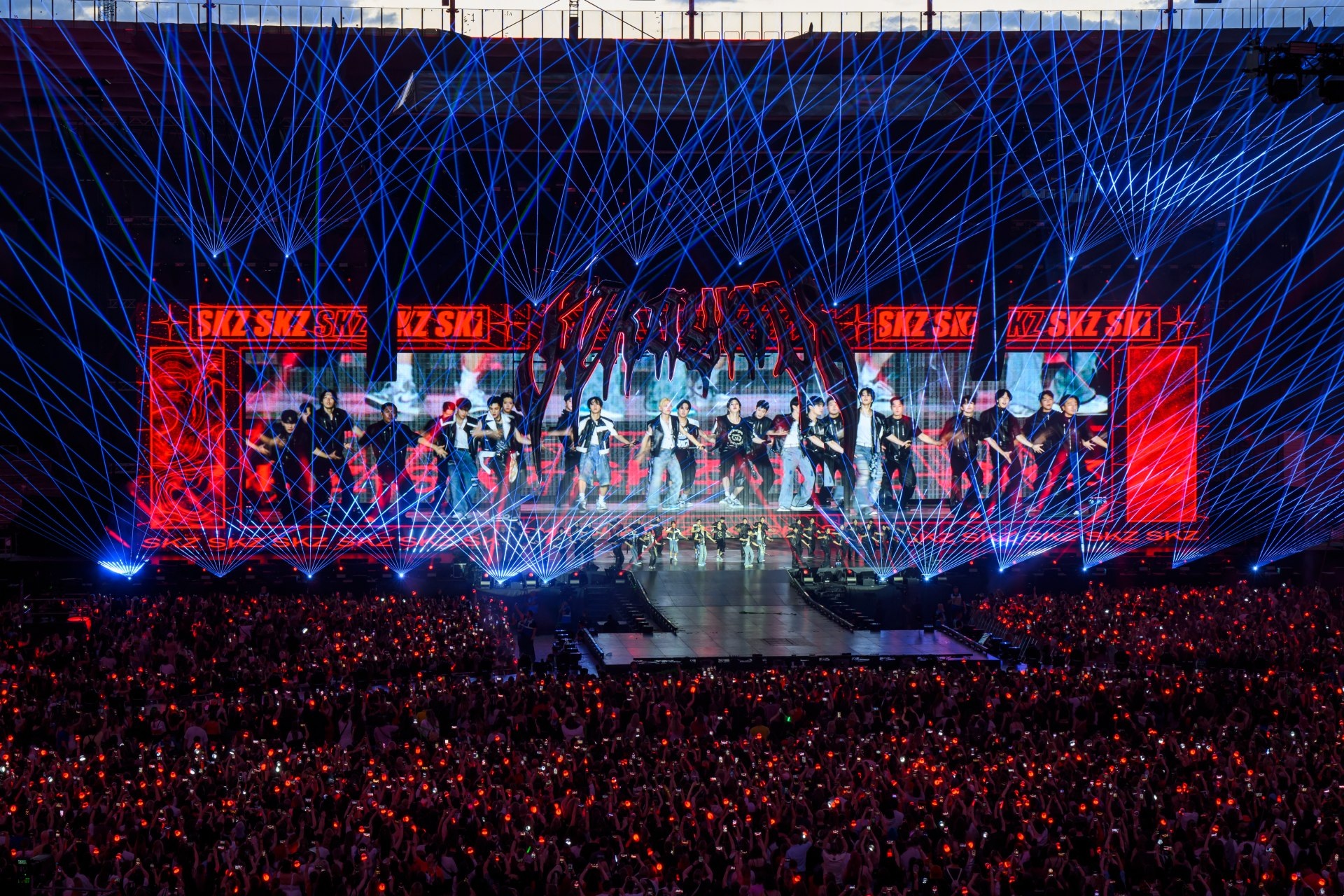
Stray Kids earning RIAJ platinum streaming certification in Japan is a monumental achievement. It's not just a trophy; it's proof of a deep, sustained cultural connection. As we analyzed in Stray Kids’ Japanese Platinum Conquest, this required consistent Japanese releases, localized promotion, and treating Japan not as a satellite market but a home base. This strategic depth gives the group and their company immense leverage and a stable revenue pillar.
LE SSERAFIM - PUREFLOW pt.1: What Just Landed" rel="internal">LE SSERAFIM & BTS Jimin: The U.S. Institutional Play
LE SSERAFIM's performance at the Coachella Valley and Jimin's solo single promotion are part of a push for institutional validation in the U.S. It’s about moving beyond viral moments to secure slots on major festivals and playlists, building a foundation that survives beyond any single trend. This long-game approach mirrors the sustained strategy that led to BTS's "ARIRANG" Three-Peat Decoded on the Billboard 200.
Beyond the Stage: The New Rules of Idol-Fan Connection
This era of empowerment is funded and fueled by fans. The relationship has evolved from distant adoration to invested partnership, changing how idols interact and what they share.
Transparency as the New Currency
Fans now expect a degree of honesty about processes, struggles, and even business moves. Vague hiatuses are less tolerable. Idols like Ten addressing his future directly, or Bang Chan discussing Stray Kids' aspirations on live stream, build a trust that translates into fierce loyalty. This makes fan communities more resilient during changes like contract negotiations.
The Dating Discourse and "Heart Signal"
The intense reaction to idols on shows like Heart Signal 5 underscores this complex bond. As we examined in Beyond The Signal, fans' possessive investment can turn a dating show appearance into a crisis. This creates a tightrope for empowered idols: how much personal life can be shared when your brand is built on intimate connection? It’s a pressure distinct from previous generations.
What's Next? Forecasting the Industry's Evolution
If last week was a snapshot, what does the feature film look like? Several key developments are now inevitable.
The Rise of the "Portfolio Idol"
Future top-tier idols will likely manage a portfolio: group work, solo ventures, production credits, brand ownership, and global collaborations. Their agency will act more like a broker or facilitator for some ventures, and a traditional label for others. Check our Artists page to see who is already building this multifaceted profile.
Contract Innovation at the Negotiating Table
The standard 7-year exclusive contract will see more caveats and custom clauses. We'll see provisions for:
- Guaranteed solo debut timelines
- Profit-sharing models for self-composed work
- Ownership stakes in personal brands
- Clearer pathways to independent ventures after a certain tenure
Hybrid Agencies and Strategic Alliances
Major labels will evolve, potentially creating more joint ventures with senior idols (like Ten's rumored setup) or establishing autonomous in-house divisions. We may also see more strategic alliances between Korean agencies and powerful global distributors, giving artists a bigger international platform from debut.
Your Questions Answered: The Artist Empowerment Era FAQ
Q: Does an idol starting their own company mean they're leaving their group?
A: Not necessarily. The new model, as hinted by Ten's situation, often involves maintaining group promotions under the original agency while running solo activities separately. This "dual-track" approach is becoming the ideal for many established idols.
Q: Why are agencies allowing this? Doesn't it weaken their control?
A> It's a strategic concession. Losing a top artist entirely is worse than sharing them. By accommodating these demands, agencies retain a valuable asset, avoid public disputes, and can share in the profits of the idol's independent success through negotiated agreements.
Q: Will this trend trickle down to mid-tier and rookie idols?
A> The leverage required for such moves is built on a strong personal brand and fanbase. It will likely remain an option for top-tier artists initially. However, it sets a new precedent, potentially raising the standard for how all artists are treated over the long term.
Q: How does this affect fan loyalty?
A> For most, it strengthens it. Fans appreciate seeing their favorite artists gain creative freedom and professional respect. It fosters a sense of supporting an artist's genuine journey, not just a company's product. However, it can test loyalties if solo and group activities conflict.
Q: What was the biggest misconception about last week's news?
A> The biggest misconception was seeing Ten's contract conclusion as an endpoint or a conflict. In reality, it's a beginning and a collaboration—the start of a more sophisticated, personalized phase of his career within the broader NCT universe.
Conclusion: Your Role in the New Era
The story of last week is the story of K-Pop's maturation. The industry is moving from a rigid, factory-like system to a dynamic ecosystem of artist-entrepreneurs, savvy global campaigns, and deeply interconnected fan communities. For fans, this means the relationship is more meaningful but also more complex. You are not just a consumer; you are the shareholder in an artist's vision.
Your support streams, your engagement with solo content, and your understanding during transitions like contract renewals directly fuel this empowerment. Stay informed by following our analysis on our News page. Watch closely as more idols step into their power. The era of the silent idol is over. The era of the architect has begun.