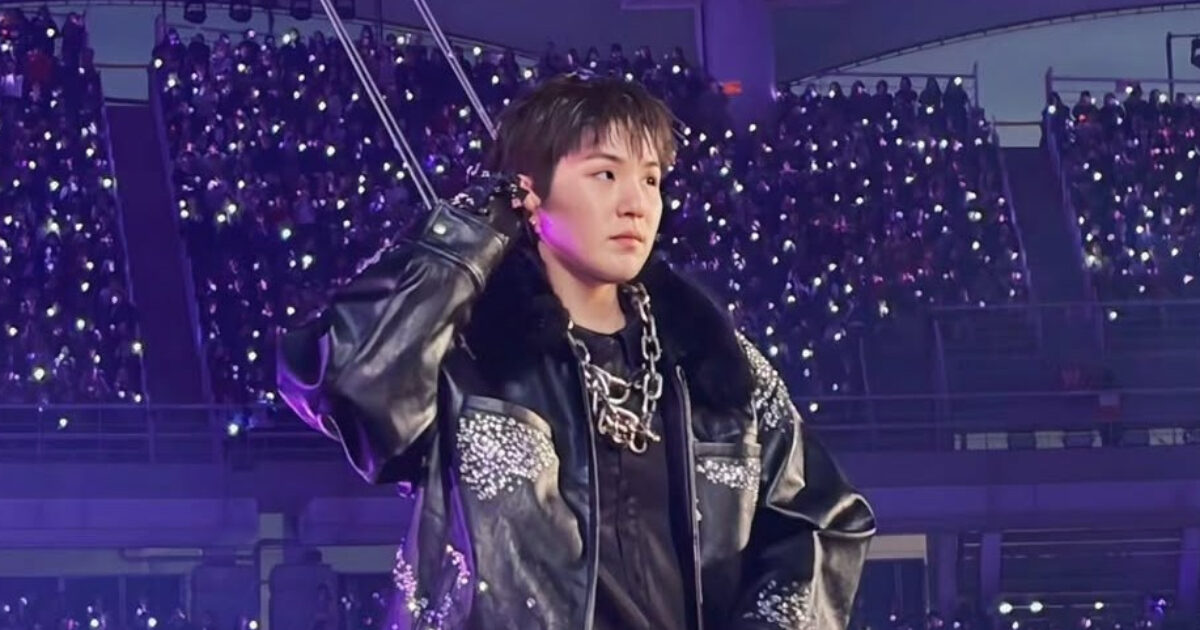

The recent viral clip allegedly showing BTS's Suga making a minor on-stage dance error, reportedly filmed by a sasaeng (an obsessive, intrusive fan), is a startling case study in modern K-Pop fandom. This incident transcends a simple "mistake" video. It critically exposes the persistent, dangerous breach of privacy idols face, the complex ethical failures within certain fan sectors, and the alarming ease with which private moments are weaponized for online engagement, challenging the very boundaries the industry struggles to enforce.
- What Exactly Happened in the Alleged Suga Video?
- Who Are Sasaengs & Why Is This Label So Serious?
- Why Does This Matter Beyond a Simple Dance Mistake?
- How Has the K-Pop Industry Historically Responded to Sasaengs? What Can Ethical Fans (The Majority) Do to Counter This Culture?
- Frequently Asked Questions (FAQ)
What Exactly Happened in the Alleged Suga Video?
The core of the story is a short, shaky video clip that surfaced on social media platforms. It purportedly captures Suga during a live performance, momentarily out of sync with his fellow BTS members. The content of the video itself is mundane—idols are human, and minor performance variations are normal, especially in long concert tours.
The Source of the Controversy: Filming Method & Intent
The outrage stems not from Suga's movement, but from how and why the clip was obtained. Reports and fan investigations suggest the angle was extremely close, obstructed, and from a location that implies the filmer bypassed normal audience protocols. This points to recording by someone with illicit access or equipment, intent on capturing a "gotcha" moment rather than celebrating the performance.
From Private Moment to Public Spectacle
The clip’s journey from a concert venue to a global Twitter trend highlights a toxic digital pathway. A private, fleeting moment was extracted, uploaded without context, and framed not as a human moment but as a "mistake" to be scrutinized. This transforms a live experience into a dehumanizing data point for clicks and fan wars.
Who Are Sasaengs & Why Is This Label So Serious?
The term "sasaeng" (사생) originates from the Korean words for "private" and "life," literally meaning someone who invades another's private life. They are not simply enthusiastic fans. They represent a dangerous extreme of obsession that manifests in criminal behavior, causing severe psychological distress to idols.
Common Sasaeng Behaviors: A Pattern of Harassment
Sasaeng behavior is systematic and predatory. It goes beyond taking unauthorized photos. Common tactics include:
- Stalking: Following idols to their homes, family residences, and personal appointments.
- Illicit Information Gathering: Purchasing flight manifests, hotel details, and phone numbers from corrupt insiders.
- Physical Intrusion: Attempting to touch, grab, or force interactions during airport mobs or by boarding the same flights.
- Gift-Based Harassment: Sending inappropriate, threatening, or tracking-device-laden gifts to agency addresses.
The Psychological & Physical Toll on Idols
The impact is profound. Idols have publicly discussed the constant fear, anxiety, and loss of trust in crowds. This environment forces them to live in a state of hyper-vigilance, eroding the genuine artist-fan connection. Incidents like the alleged Suga video, while seemingly "minor," are digital extensions of this violation, reminding idols that no moment is truly theirs.
Why Does This Matter Beyond a Simple Dance Mistake?
Framing this as a story about a dance step misses the point entirely. This incident is a microcosm of three major, interconnected crises in contemporary K-Pop culture.
Crisis 1: The Erosion of Performance Sanctity & Digital Consent
A concert is a contracted, communal experience. By using hidden cameras or prohibited equipment, sasaengs violate the basic terms of that shared space. They claim ownership of an idol's image and labor in a context never intended for permanent, isolated scrutiny. This strikes at the heart of digital consent—the right for individuals to control how, when, and where their image is captured and distributed.
Crisis 2: The Weaponization of Imperfection for Fandom Drama
The clip was not shared to praise Suga's overall performance but to isolate and highlight a flaw. This fuels toxic fan war dynamics, where such content becomes "ammunition" between rival fandoms. It creates a culture where idols are not allowed to be fallible humans, and every second of their professional lives is audited for failure, similar to the intense, unfair scrutiny seen in incidents like the HYBE & Jungkook "missed opportunity" controversy.
Crisis 3: The Normalization of Surveillance as Fandom
When such content gains traction, it subtly validates the methods used to obtain it. It sends a message that the ends (exclusive content) justify the means (stalking, invasion). This normalizes surveillance and breaks down the crucial barrier between public figure and private citizen, a barrier essential for any individual's mental health.
How Has the K-Pop Industry Historically Responded to Sasaengs?
The industry's response has evolved from reluctant tolerance to more active, though still imperfect, countermeasures. The battle is constant, as sasaengs continuously adapt their methods.
Response Tactic How It Manifests Limitations & Challenges Legal Action & Restraining Orders Agencies like SM, JYP, and HYBE have filed criminal complaints against persistent sasaengs for stalking, property damage, and threats. Some obtain official restraining orders. Legal processes are slow, costly, and require overwhelming evidence. Idols are often reluctant to testify, fearing escalation or negative publicity. Enhanced Physical Security Increased bodyguards, decoy cars, private airport terminals, and secure hotel logistics to create physical buffers. Can make idols seem distant from genuine fans. Sasaengs often find workarounds, like bribing staff or using long-lens photography from distant buildings. Agencies compile lists of known sasaengs and ban them from official fan clubs, ticketing, and fan sign events. Sasaengs use fake IDs, purchase tickets through third parties, or harass other fans to buy goods on their behalf, rendering bans porous. Public Statements & Fan Education Official announcements condemning specific behaviors and pleading for respect of privacy, often posted on fan community platforms. Often preach to the choir. The most obsessive sasaengs interpret this attention as a perverse form of personal recognition from their idol.The HYBE Precedent & The Need for Proactive Policy
As the home of BTS, HYBE's policies are particularly relevant. They have implemented stricter concert protocols and legal threats. However, as discussed in our analysis of military conscription myths, fan anxiety can be manipulated. A truly proactive, industry-wide policy on digital asset ownership and concert footage rights remains elusive, leaving a gray area sasaengs exploit.
What Can Ethical Fans (The Majority) Do to Counter This Culture?
The vast majority of fans are respectful and appalled by sasaeng behavior. Their role is critical in starving the sasaeng ecosystem of the oxygen it needs: attention and validation.
The "Don't Feed the Trolls" Digital Protocol
Ethical fandom action is clear and direct:
- Do Not View, Share, or Engage: Ignore and report clips from可疑 (suspicious) sources. Every click generates revenue and encouragement.
- Contextualize and Defend: If discussion arises, shift focus to the invasion of privacy, not the content of the clip. Remind others that idols deserve off-duty humanity.
- Support Official Content: Engage overwhelmingly with officially released media, concert DVDs, and authorized fan content. This reinforces the market for ethical consumption.
Building a Healthier Fandom Ecosystem
Positive action strengthens community integrity. Celebrate idols' artistry through curated playlists and support their professional milestones respectfully. Understand that loyalty also means protecting an artist's right to privacy, much as true support for a group involves understanding complex decisions, akin to analyzing lineup changes with nuance rather than intrusion.
Leverage Collective Power for Change
Organized fan unions and large fanbases have successfully lobbied agencies for better security measures in the past. Continued, unified pressure from the moral majority of fandom demanding stricter enforcement of privacy policies at events and online can push companies to invest in better technology and legal frameworks.
Frequently Asked Questions (FAQ)
Q: Was the dance mistake even real, or was the video edited?
A: The authenticity of the "mistake" is almost irrelevant. The core issue is the alleged method of acquisition—invasive, non-consensual filming—and the intent behind its distribution. Whether the moment was a genuine error or a trick of perspective, its use as a viral object is the problem.
Q: How is this different from regular fan-cams?
A: Official fan-cams are shot from authorized audience areas without obstructing others' views. The ethical line is crossed with hidden cameras, telephoto lenses from unauthorized locations, footage aimed solely at capturing private moments or errors, and content uploaded to harm or harass rather than celebrate the artist.
Q: Don't idols expect to be filmed constantly since they're celebrities?
A: There is a fundamental legal and ethical difference between being filmed in official, public promotional settings and having every private movement, including in personal spaces or moments of unintended vulnerability, surveilled and sold. Expectation of public attention does not equate to consent for stalking.
Q: What legal consequences do sasaengs actually face?
A: Consequences can be serious but are inconsistent. In Korea, they can face charges under stalking punishment laws, violations of the Act on Promotion of Information and Communications Network Utilization and Information Protection (for spreading private info), and fines or imprisonment for trespassing, assault, or property damage. Enforcement remains a challenge.
Q: Why don't agencies do more to stop this?
A: Agencies are in a difficult position. They must balance idol safety with maintaining fan access, which drives revenue. They often pursue the most egregious cases legally but lack the resources to combat every minor intrusion. There is also a historical tendency to quietly tolerate some sasaeng behavior for insider information, a practice that is now widely condemned but difficult to fully eradicate.
Conclusion: The Line in the Sand
The alleged sasaeng video of Suga is a stark reminder that the battle for idol privacy and dignity is now fought frame-by-frame in the digital arena. It underscores that fandom's greatest responsibility isn't just defense on the charts, but defense of basic human boundaries. The incident calls for a renewed, collective commitment from agencies, platforms, and the global fan community to redefine what constitutes support.
True fandom respects the artist as a complete person, not just a perfect product. It means enjoying the art while fiercely protecting the space required to create it. The next time such content appears, the most powerful response is a collective scroll past—a conscious choice to deny it the audience it craves and to affirm that some lines should never be crossed. For more deep dives into the structures of K-Pop, from group dynamics to industry trends, continue exploring our analysis at K-Beats News.