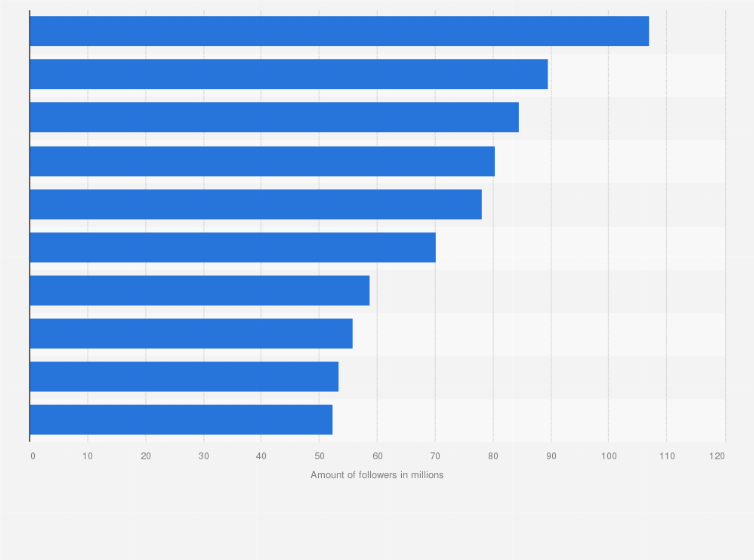
In the meticulously charted cosmos of K-Pop, metrics have always been a language of their own. Album sales, music show trophies, and YouTube views form the traditional lexicon of success. But in the 2020s, a new dialect emerged, one spoken in follows, likes, and shares. Today, that dialect has found its defining proclamation. According to the latest data aggregation from industry trackers, the list of the Top 10 Most Followed K-Pop Idols on Instagram in 2026 doesn't just show popularity; it reveals a seismic shift in the center of gravity for the entire industry. The headline figure is staggering: the artist sitting at #1 now commands a follower count that is twice the population of South Korea, officially breaching the 100 million mark and entering a digital stratosphere previously reserved for global icons like Cristiano Ronaldo and Selena Gomez. This isn't just a milestone; it's a digital singularity, pulling the very concept of K-Pop fame into a new event horizon.
The Platform and the Persona: Instagram’s Decade-Long Conquest
To understand the magnitude of the 2026 rankings, one must rewind to Instagram's awkward first dance with K-Pop. Initially viewed by agencies as a risky, unfiltered channel that could break carefully constructed idols, it is now the indispensable nexus of celebrity. The platform evolved from a mere photo dump to a curated gallery, a direct news feed, a boutique storefront, and a personal documentary channel. This transformation was spearheaded by pioneering idols who grasped its power early. The shift from agency-controlled posts to "close friends" stories and intimate reels didn't just humanize idols; it created parallel narratives to their official activities, fostering a sense of clandestine access that fans, or "stans," crave.
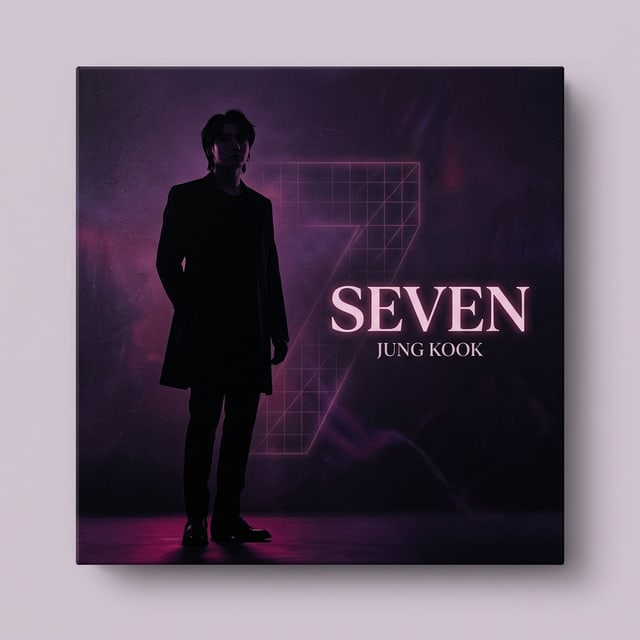
This accessibility became the currency of the modern era. As groups like BTS and BLACKPINK led K-Pop's explosive global penetration, their individual members' Instagram accounts became the primary ports of entry for new international fans. A fan in Brazil might discover BTS's Jung Kook through a viral musical cover on TikTok, but his Instagram—a mix of professional shoots, gym selfies, and artistic doodles—is where that casual interest crystallizes into a dedicated follow. The account becomes a holistic portfolio of the idol's identity beyond the stage. This long-term strategy of persona-building has culminated in the figures we see today, where an idol's Instagram follower count is a direct, real-time poll of their global cultural resonance.
From Group Dynamic to Solo Empire
A fascinating subplot within this data is the tale of solo power versus group identity. The list is dominated by idols from groups that have either entered periods of hiatus for military service or individual activities, or have formally cemented a "forever group, sometimes solo" model. This indicates a critical evolution: the fan's allegiance, once firmly tied to the group's banner, is now robustly transferable to the individual member's brand. The infrastructure of fandom—fanbases, translation networks, streaming projects—has successfully duplicated itself to support solo endeavors. The Instagram account is the command center for these solo campaigns, a fact not lost on agencies now structuring entire business models around an idol's social capital, as seen in the strategic rollouts for artists from BLACKPINK and newer groups like NewJeans.
Decoding the 2026 Leaderboard: A New Hierarchy of Influence
While the identity of the #1 idol—now with over 100 million followers—will be revealed in the breakdown, the composition of the top ten tells its own story. The list is no longer a simple reflection of seniority. It is a complex algorithm of sustained engagement, crossover appeal, and masterful personal branding. Veterans who adapted seamlessly to the visual-language platform hold strong positions, while certain younger "4th and 5th generation" idols have leveraged viral moments and genre-bending aesthetics to crash the party.
Let's delve into the notable tiers within this elite ranking:
- The Centennial Club (100M+): Occupying the throne alone, this idol has transcended the "K-Pop" label to become a global fashion, music, and cultural polymath. Their feed is a case study in high-low culture, seamlessly blending appearances at Paris Fashion Week with mundane, relatable moments. The doubling of South Korea's population in their follower count isn't just a factoid; it's a symbol of K-Pop's complete exportation of its star-making system.
- The Royal Court (70M - 99M): This tier is populated by the other members of the top groups, along with a soloist whose musical reinvention captivated the global market. Each account here showcases a distinct "specialty"—be it cinematic travel photography, avant-garde fashion collaboration, or a curated glimpse into music production. The competition within this bracket is fierce, with follower counts often seesawing around major project releases.
- The New Guard (40M - 69M): Perhaps the most dynamic segment, featuring idols from groups that debuted in the early 2020s. Their rapid ascent is fueled by a native understanding of social media trends. Their content is often more reactive, participatory, and meme-savvy, engaging in challenges and duets that leverage the platform's latest features to maximize discoverability beyond the core K-Pop audience.
"When an idol's personal follower count rivals that of major media corporations, the power dynamic within the agency-idol relationship fundamentally changes. That account is their most valuable asset, a direct line to a population larger than most countries." — Lee Ji-hyun, Digital Media Analyst for SeoulBeat Insights.
It is impossible to discuss the upper echelons of this list without acknowledging the shadow of recent industry controversies. The follower growth of certain idols appears momentarily galvanized by public sympathy during agency scandals, a phenomenon analysts call the "loyalty surge." Conversely, other accounts have weathered storms of online criticism, their follower counts demonstrating a resilient, dedicated core fandom. This resilience speaks to the deep, parasocial connection forged through years of consistent, curated intimacy on the platform, a connection that can buffer against external noise. For deeper context on how agency scandals can impact public perception, readers can explore our coverage on The Seoul Salon Scandal.
Fandom in the Age of the Algorithm: Celebration, Strategy, and Rivalry
The reaction from fan communities to the 2026 list has been a multifaceted digital event in itself. On one hand, it has sparked massive celebratory projects. The hashtag for the #1 idol, congratulating them on the 100M milestone, trended worldwide for over 48 hours, accompanied by donation drives to charity in the idol's name and digital art projects that flooded social media feeds. It's a testament to how fandoms now use quantitative achievements as fuel for positive, collective action.
However, the list has also reignited the perennial undercurrent of fan rivalry. "Follower wars," where fanbases organize mass follow/unfollow campaigns to boost their favorite idol's numbers or diminish a rival's, are an open secret. While agencies publicly discourage such behavior, the 2026 rankings have led to pointed discussions—and accusations—on platforms like Twitter and the Korean forum Instiz about "inorganic growth" and "purchased followers" targeting specific idols in the mid-tier of the list. This underscores the darker side of metric obsession, where the line between organic popularity and manufactured influence becomes dangerously blurred.
More insightfully, fan discourse has moved beyond simple bragging rights. Threads analyzing engagement rates (likes and comments relative to follower count) are gaining as much traction as those celebrating raw follower numbers. A common sentiment echoes: "A smaller, more dedicated fandom that interacts is more powerful than a large, passive one." This shows a maturation in fan understanding of social media economics. Fans are keenly aware that brands and agencies look at these nuanced metrics, and they strategically focus their efforts to demonstrate not just size, but passion and purchasing intent. To track how this online power translates to music performance, fans regularly check our Charts page.
Industry Tremors: Agencies, Brands, and the Power Balance
For entertainment companies, this list is not a vanity chart; it is a crucial financial document. An idol's Instagram follower count is now a primary metric in negotiation for endorsement deals, with rates often calculated on a cost-per-follower basis. The idol at #1 can command fees comparable to Hollywood A-listers, fundamentally altering the revenue structure for their agency. This economic reality is forcing a strategic reevaluation across the board.
Major agencies like HYBE and YG now have entire departments dedicated to "Talent Digital Asset Management." These teams work with idols not to control their narratives, but to optimize and diversify them—coaching on branding, identifying lucrative collaboration opportunities, and mitigating PR risks on the platform. The goal is to systematically grow this tangible asset. However, this concentration of influence in individual hands also creates vulnerability. As seen in the ongoing police investigation into HYBE's Chairman Bang Si-hyuk, corporate instability can directly impact market confidence, which in turn can affect the perceived commercial value of an idol's personal brand. The idol's Instagram, in such times, becomes a crucial barometer of public sentiment.
Furthermore, the success of idols from newer groups on this list validates aggressive, social-first debut strategies. It proves that a powerful individual Instagram presence can be built concurrently with, or even prior to, a group's established fame. This is a marked shift from the old model where solo social media was a reward for years of group service. Agencies are investing in pre-debut content creation for trainees, understanding that a compelling online persona is a head start in the race for digital relevance.
The "Solo-Verse" and Contractual Crossroads
The most significant industry implication lies in contract renewals. An idol entering negotiations with 50 or 80 million direct followers holds unprecedented leverage. They are no longer just a artist under management; they are a walking media conglomerate. This has led to the rise of "360-degree solo ventures" embedded within new contracts, where the idol and agency become partners in launching sub-labels, fashion lines, or production companies under the idol's name, with the Instagram account serving as the launchpad. The traditional idol-agency dynamic is being rewritten as a joint venture, a direct result of the power distilled in that follower count.
Beyond the Double-Tap: The Future of Idol-Fan Connection
As we look beyond 2026, the question becomes: what's next after 100 million? The growth is unlikely to stop, but the nature of the platform and its connection may evolve. We are already seeing leading idols experiment with bypassing traditional social media models altogether. Some are founding their own niche apps for more controlled, subscription-based interactions. Others are using Instagram almost exclusively as a teaser for content on these proprietary platforms, creating a multi-layered ecosystem of access.
The next frontier is the integration of augmented reality (AR) and AI-driven personalization directly into these social feeds. Imagine an idol's Instagram Story featuring an AR filter that allows a fan to virtually try on the jacket the idol is wearing, with a direct "shop now" link. Or a personalized video message generated for top fans based on their interaction data. The line between content and commerce, between communication and transaction, will dissolve further. For a glimpse at how agencies are already experimenting with novel content strategies, the approach of HYBE's rookie group TWS is instructive, as discussed in our analysis of their pre-comeback collab with 24kGoldn.
Ultimately, the 2026 Instagram follower ranking is a monument to K-Pop's global victory, but also a map for its uncertain future. It proves that the world is listening, watching, and following. The challenge for the idols who sit atop this digital kingdom, and for the industry that helped build them, is to ensure that this unprecedented connection remains meaningful, creative, and sustainable. The metric has been set. The story it tells next will depend on how these stars choose to use the spotlight that billions of follows have shone upon them. For continuous updates on how these digital and musical journeys unfold, stay tuned to our News page.