"My stage is a place where I show my truest self. That self is always changing, and I hope to be honest about that journey, even the difficult parts." — Taemin, in a 2023 interview.
The world of K-Pop is built on a foundation of meticulous image curation, where every eyelash, hair strand, and contour is part of a grand, visual narrative. So, when a foundational pillar of that world, SHINee's Taemin, steps into the spotlight looking different, the reaction isn't just noticed—it reverberates. This week, a wave of online discourse, tinged with shock, concern, and fierce defensiveness, crashed over the fandom following Taemin’s appearance at a recent public event. Headlines and social media threads erupted with words like “botched” and “unrecognizable,” sparking a firestorm that goes far beyond mere aesthetics. This isn't just a story about a changed appearance; it’s a pressure point exposing the intense, often contradictory, expectations placed on veteran idols, the public’s ownership over celebrity visuals, and the silent struggle for artistic and personal autonomy in an industry that trades on perpetual youth.
From Boyish Prodigy to Icon of Androgyny: The Weight of a Legacy
To understand the magnitude of the reaction, one must first appreciate the stature of Lee Taemin. Debuting in 2008 at just 14 years old under SM Entertainment as the youngest member of SHINee, he was the epitome of the boyish, talented maknae. However, Taemin didn't just grow up in the public eye; he systematically dismantled and rebuilt his image with each comeback, forging a path that countless later idols would study. His 2014 solo debut with "Danger" was a cultural reset, introducing a mature, sensual, and fluidly androgynous persona that challenged rigid gender norms in K-Pop performance.
Over the next decade, through solo works like "Move," "Want," and "Advice," and his integral role in the supergroup SuperM, Taemin cemented himself not just as a main dancer or vocalist, but as an auteur of performance. His face became as iconic as his movements—sharp, elegant, with a haunting and almost otherworldly beauty that was both delicate and powerful. This visual identity was inextricably linked to his art. Fans and the industry alike came to expect a certain visual standard from him, one synonymous with flawless, ethereal perfection. This legacy, while empowering, also built an invisible cage of expectation, a topic we've explored in contexts like The Weight of the Diadem regarding the burdens carried by top-tier idols.
The Inevitability of Change
Yet, time is an artist that works on everyone. Now 30, Taemin is a 16-year veteran in an industry that often behaves as if its stars are frozen in time. The natural aging process for a male idol, especially one whose visuals have been so intensely scrutinized, is rarely discussed with grace. The pressure to maintain a "debut-day" face conflicts with the reality of human physiology and the personal desire for change. This sets the stage for the inevitable collision that occurred this week.
Decoding the Discourse: What "Happened" to Taemin's Face?
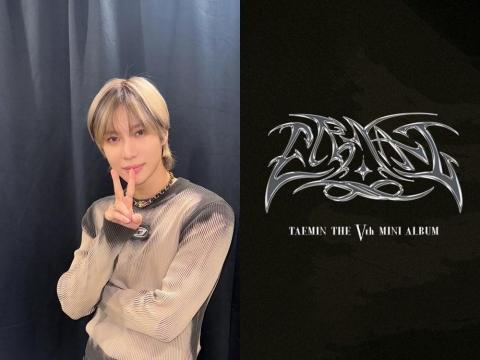
The catalyst was a series of candid photos and video clips from a fan meeting event. In them, Taemin’s facial structure appeared notably fuller, particularly around the mid-face and jawline. His eyes seemed differently shaped, and the overall topography of his face looked softer, less sharply defined than the "Criminal" or "Advice" era visage fans had last seen extensively before his military enlistment in 2021.
Almost instantly, the digital diagnosis began. Forums like Pann Nate and Twitter (X) split into camps:
- Camp One (The Concerned Diagnosticians): This group launched into detailed analyses, speculating about specific cosmetic procedures—suggestions of blepharoplasty revisions, buccal fat removal, or filler use gone awry. The term "botched" was wielded frequently, implying a surgical mistake or poor aesthetic judgment.
- Camp Two (The Defensive Allies): Shawols (SHINee's fandom) and supporters rushed to propose alternative explanations: weight fluctuation post-military service, natural aging changes, puffiness from stress or lack of sleep, the distorting effects of specific camera angles and harsh lighting, or simply a different styling choice (heavier contour, different brow shape).
- Camp Three (The Philosophical Observers): A smaller, but significant, group questioned the entire premise of the debate. Their point: It’s his face. His choice. The entitlement to public commentary on its alteration, regardless of cause, is the root of the problem.
The news cycle, led by sites like Koreaboo, amplified these reactions, often framing the story around the shock value, thus feeding the very beast it was reporting on. This mirrors the dynamic we analyzed in the case of the IVE concert filming incident, where fan behavior becomes the story, creating a meta-narrative that often overshadows the artist's actual work.
The Fandom Fracture: Love, Concern, and a Sense of Betrayal
The reaction within the Shawol community and the wider K-Pop sphere has been profoundly emotional, revealing the complex relationship between idol and fan. This is not a simple case of malicious trolling; much of the discourse is steeped in a genuine, if fraught, sense of care and investment.

On one side, many fans express heartache and worry. Their idol, whose beauty they have celebrated and defended for years, looks like he might be "in pain" or "unwell." Some frame it as a loss of a beloved artistic signature, akin to a painter suddenly changing their distinctive brushstroke. There’s a palpable fear that the unique visual charisma that powered performances like "Move" is dimmed. Comments like, "I just want him to be happy and healthy," are ubiquitous, often layered with an unspoken anxiety about industry pressures forcing potentially unnecessary alterations.
"We fell in love with every version of him. But this sudden change feels jarring, not like an evolution. It feels like something was taken from 'our' Taemin, and we're scared for him." — A trending comment from a long-time Shawol on Weverse.
On the other side, fans are mounting a fierce defense, accusing the "concerned" crowd of hypocrisy, bodyshaming, and violating Taemin’s privacy. They argue that the idol has always been a shapeshifter and that this is just another phase. They point to his recent activities—a successful solo concert, active group promotions with SHINee’s ongoing "HARD" era—as proof of his vitality and happiness. For them, the critique is a betrayal of the unconditional support an artist of his caliber deserves, especially after his dedicated service and return. They see the conversation itself as toxic and reductive, reducing a complex artist to a mere collection of facial features.
The Ownership Paradox
This fracture highlights the central paradox of K-Pop fandom: the line between supportive investment and a perceived sense of ownership. Fans pour money, time, and emotion into an idol’s career, which can unconsciously foster a belief that they have a stake in the idol’s personal and physical decisions. Taemin’s changed appearance, regardless of the reason, challenges that sense of ownership, triggering a response that mixes protectiveness with panic. It’s a dynamic veteran female celebrities know all too well, as seen in the ongoing scrutiny of figures like Song Ji Hyo, where fan expectations clash with the natural trajectory of a long career.
Industry Undercurrents: Pressure, Procedure, and the "Ageless" Ideal
To view this incident in a vacuum is to miss the systemic industry backdrop against which it plays out. The Korean entertainment industry, while increasingly diverse, still operates within a fiercely competitive visual economy. For male idols, especially those like Taemin whose brand is intertwined with a specific type of beauty, the pressure to maintain and refine their appearance is relentless.
First, there is the "Ageless Idol" paradigm. As the industry’s first-generation idols continue active careers into their 30s and beyond, there is an unspoken demand to defy aging. This pushes many towards preventative or corrective aesthetic procedures. What the public often labels "botched" might be an intermediate stage in healing, an intentional result, or an experiment that doesn’t align with public taste. The scrutiny leaves little room for process or error.
Second, military service is a known visual pivot point. The hiatus, change in routine, diet, and stress can significantly alter a person's physique and face. Many idols return looking noticeably different, often more muscular or mature. The public’s re-acquaintance with their face post-enlistment is always a moment of heightened examination, magnifying any change.
Third, the silence speaks volumes. SM Entertainment has issued no statement, and Taemin has not directly addressed the visual controversy. This is standard protocol; agencies rarely comment on personal appearance matters. However, this silence creates a vacuum filled solely by speculation, allowing the narrative to be controlled by external voices rather than the artist himself. It underscores the lack of autonomy idols often have in narrating their own stories, a theme BTS has powerfully challenged, as seen when J-Hope's casual confession about swimming became a meaningful moment of authentic self-disclosure.
This incident forces a uncomfortable question: In a genre built on fantasy, how much right does an idol have to alter the very canvas of that fantasy, especially when it is their own body? The industry sells a dream, but the dreamers are human beings who grow, change, and have agency—a conflict that is rarely gracefully resolved.
Beyond the Face: What Lies Ahead for Taemin and the Conversation?
The fervor will inevitably subside, absorbed into the churning content cycle of K-Pop. But its implications will linger, for Taemin’s career and for the industry dialogue.
For Taemin, the path forward is both artistic and personal. His immediate schedule remains packed with SHINee activities and his own solo work. The ultimate antidote to visual gossip is, as it has always been for him, transcendent performance. When he next commands a stage, the conversation will be forced to shift from static images to dynamic artistry. He may choose to address it subtly through lyrics, concepts, or in a moment of vulnerability with fans. Or, he may simply let his work speak, asserting that his value was never solely in the symmetry of his features but in the soul he pours into his craft. Fans can follow his continuing journey on our Artists page.
For the industry and fandom, this is a critical teachable moment. It highlights the need for a more nuanced, compassionate vocabulary when discussing idol appearances. It calls for a reflection on the sustainability of the "ageless" ideal and the psychological toll of constant visual surveillance. Perhaps it will encourage more artists to slowly peel back the curtain on these pressures, fostering a healthier dialogue about image, aging, and self-determination in the spotlight.
In the end, the story of Taemin’s "botched" visuals is a misnomer. The real story is about transition, perception, and the painful, public negotiation of an idol’s right to evolve—not just as an artist, but as a man. It is a reminder that the idols we place on pedestals are navigating the same human complexities as the rest of us, only under a microscope of unimaginable intensity. Their faces change. Their art deepens. And our understanding of what it means to support them should, perhaps, mature as well. As the charts turn over and new trends emerge, tracked on our Charts page, the enduring lesson may be that the truest fan loyalty is not the preservation of a snapshot in time, but the courage to embrace the unfolding, unpredictable portrait of an artist’s entire journey.