
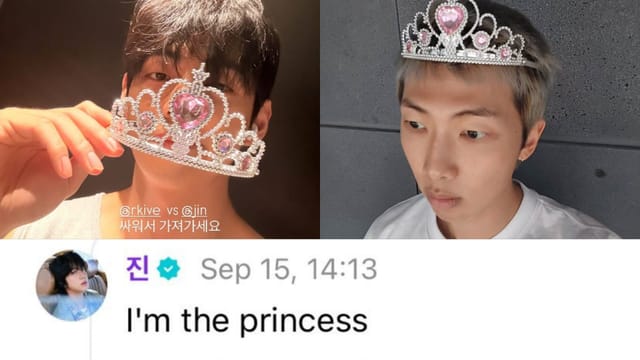

The air in the interview room was thick with a palpable, unspoken tension—a rarity for a group known for its polished sincerity. What was meant to be a reflective conversation about legacy and a look ahead to 2025’s promised reunion has, instead, detonated a cultural landmine. In a sprawling, deeply introspective feature published globally, the members of BTS offered their most vulnerable and, arguably, most contentious commentary to date on the psychological reality of being the world's biggest band. The core theme they returned to, a metaphor now etched into K-pop discourse, was that of "bearing the crown." This wasn't a celebration of triumph, but a raw examination of its weight, its isolation, and its cost. Within hours, the digital landscape of the fandom, ARMY, was not a united front of support, but a fractured arena of heated debate, heartbreak, and pointed backlash.
The Ascent to the Throne: A Legacy Forged in Uncharted Territory
To understand the gravity of this moment, one must first appreciate the unprecedented path BTS carved. Their journey from a hip-hop-focused group from a then-small company to global phenoms was not just a success story; it was a systemic upheaval. They didn't just climb the charts; they rewrote the rulebook for what a K-pop group could achieve, both commercially and culturally. Every milestone—topping the Billboard Hot 100, speaking at the United Nations, selling out stadiums worldwide—was not merely a win for them, but a burden of representation shouldered for an entire industry and nation.
This context is crucial. Their "crown" was not handed down by an existing monarchy; they built the kingdom itself, brick by exhausting brick. As analyst Park Ji-won notes, "BTS exists in a perpetual state of 'first.' The first to do this, the biggest to do that. There is no blueprint, no senior artist to advise them on the specific pressure of being a cultural diplomat, a stock market influencer, and a musical artist simultaneously." This unique position created a symbiotic yet intensely pressurized relationship with their fandom. ARMY's devotion propelled them to heights never imagined, but that same devotion created an ecosystem where every word, every gesture, is scrutinized and amplified on a global scale.
The Enlistment Era: A Pause for Reflection
The ongoing mandatory military enlistment period, with all members currently serving, created a forced intermission. It provided a rare pause from the relentless treadmill of production, promotion, and performance—a chance to breathe and reflect from a distance. Their solo projects, from Jung Kook's pop anthems to RM's artistic explorations, allowed for individual expression but also served as constant reminders of the group's singular, colossal shadow. This period of distributed focus seems to have culminated in the collective realizations they laid bare in the now-infamous interview.
"The Crown is Heavy": Deconstructing The Explosive Interview
The interview, conducted in separate sessions due to enlistment commitments, weaved together the members' individual threads into a tapestry of shared fatigue. The metaphor of the crown was introduced early by RM, setting a somber tone for the discussion.
"We are so grateful, eternally. But people see the glitter, the jewels. They don't feel the weight on your neck, the way it makes it hard to sometimes even look up or turn your head freely. You're constantly aware of its presence, that you must uphold its dignity, that it is always, always being watched."
SUGA, always the most philosophically blunt, delved into the isolation of their position. "The higher you go, the fewer people there are on the mountain with you. You have each other, which is everything, but outside of that... the conversations change. Everyone sees the crown first, not the person wearing it. It becomes a barrier to genuine connection." This echoed past moments of member vulnerability, such as J-Hope's candid admission about his aversion to swimming, which initially surprised fans but ultimately deepened understanding of his personal boundaries.
However, the segment that triggered the most intense reaction came from Jin and j-hope. They spoke about the "performance of gratitude," the exhausting, constant pressure to be publicly and perfectly thankful, even during moments of profound personal struggle or private frustration. V questioned the sustainability of their global influence, wondering aloud if the world had placed too much hope on their shoulders to be beacons of positivity. Jimin became visibly emotional discussing the loss of ordinary life, a sacrifice he said he would make again, but whose toll he was only now fully processing.
The "Ungrateful" Narrative: How Words Were Twisted
Almost instantly, select fragments of the interview were extracted and propagated across social media and forums without the nuanced context of the full conversation. Headlines and tweets zeroed in on the "burden" and "isolation," framing it not as human vulnerability, but as a shocking indictment of their fame and, by extension, their fans. "BTS complains about being successful" became a reductive, viral tagline. Critics and anti-fans seized on the narrative of ungratefulness, arguing that their immense wealth and adulation invalidated any right to express weariness or loneliness.

The Great Fracture: ARMY's Tumultuous Reaction
The reaction within the ARMY fandom was immediate, massive, and devastatingly split, revealing the complex layers of modern fan-idol relationships.
The Protective Front: "We Hear You"
A significant portion of the fandom responded with an outpouring of protective empathy. Hashtags like #WeBearTheWeightTogether and #BTSYouAreNotAlone trended worldwide. These fans argued that the group's willingness to share this pain was the ultimate sign of trust, a raw continuation of the "Love Myself" campaign that acknowledges mental health is not a linear journey. Long-time fans pointed to older lyrics and past V-Live moments where hints of this strain shimmered beneath the surface, feeling this interview was a long-overdue uncorking of bottled pressure. "They've given us permission to be imperfect for years," one fan wrote on Weverse. "The least we can do is extend the same grace to them when they finally show us the cracks in the armor."
The Backlash: "A Slap in the Face"
The backlash, however, was fierce and emotionally charged. A vocal segment of fans expressed feelings of betrayal, hurt, and confusion. Their argument centered on investment: the financial investment in albums and merchandise, the emotional investment in defending the group online, and the life investment of time and energy spent streaming and voting. To them, the interview's tone felt like a dismissal of that shared struggle. Comments ranged from, "We fought for you every day, and you call it a burden?" to "My life is hard too, but I don't have millions to comfort me."
This reaction mirrors patterns seen in other intense fan-celebrity dynamics, such as the scrutiny faced by stars like Song Ji-hyo on 'Running Man', where fan expectations can crystallize into a sense of ownership over a celebrity's narrative and demeanor. The backlash highlighted a fundamental, often unspoken contract in idol culture: the expectation of perpetual, radiant gratitude in exchange for fan devotion.
Industry-Wide Reckoning: Beyond BTS
The tremors from this interview have radiated far beyond BTS and ARMY, prompting a sobering industry-wide conversation. The incident acts as a high-profile case study in the unsustainable psychological architecture of modern K-pop stardom, particularly at the apex.
"BTS has just articulated the silent scream of every top-tier idol," says culture critic Lee Hyun-woo. "They are the canaries in the coal mine. The 'crown' they speak of is worn by every group that reaches a certain level of fame, but theirs is uniquely heavy because it is studded with 'firsts' and 'onlys.' This isn't just about burnout; it's about the existential weight of being a living, breathing symbol." The conversation now turning to the systems—or lack thereof—in place to support the mental health of idols who are treated as both artists and intangible national assets.
Furthermore, the fan backlash component forces a re-examination of the "parasocial" relationship. The industry actively cultivates a sense of intimate connection between idols and fans. But what happens when that idol, from their side of the carefully managed screen, reveals a reality that contradicts the fan's perception of the relationship? The BTS interview has exposed the perilous gap between the perception of intimacy and the reality
The Precedent of Personal Narrative
This moment also sits within a broader, evolving trend of idols asserting more control over their personal narratives, even when messy. From artists changing their stage names to pursue new identities, as seen with Dreamcatcher's Gahyun, to candid discussions about personal struggles and societal pressures, the veneer of perfect, endless contentment is cracking. BTS's comments, while on a different scale, contribute to this gradual normalization of public vulnerability.
The Road to 2025: Healing, Discourse, and a New Chapter
So, where does this leave BTS and the fandom as they look toward their promised full-group activities in 2025? The immediate fallout is a painful but necessary rift. The group has, perhaps involuntarily, initiated a brutal but honest dialogue about the limits of fan-idol symbiosis.
The path forward involves navigating this new, more complex landscape. For BTS, it may mean renegotiating the boundaries of their public discourse or finding new, perhaps more abstract, artistic ways to process these themes—likely through the music they create upon reuniting. For HYBE, the challenge is crisis management that validates the artists' truths while mending the fractured connection with the fanbase, a task of immense diplomatic delicacy.
For ARMY, the journey is one of collective introspection. It demands a confrontation with a difficult question: Do we love BTS as the untouchable kings we helped crown, or can we love them as the complex, weary, and profoundly human individuals who must wear that crown every day? The answer will define the next era of their legacy.
Ultimately, this firestorm is more than a scandal; it is a pivotal growth pain. The "crown" BTS bears is a symbol of their unparalleled success, but as they have shown, symbols are not weightless. Their courage in speaking its true weight, despite the backlash, may ultimately make the crown sit differently—not just on their heads, but in the perception of an industry and a fandom watching, learning, and evolving. As the global phenomenon of K-pop continues to expand, with events like Head in the Clouds LA showcasing its future, the well-being of the artists at its core remains the most critical conversation of all. The throne room has been shaken, and its echoes will be felt by every idol who ascends to great heights, reminding all that even the brightest gold has a density all its own.