
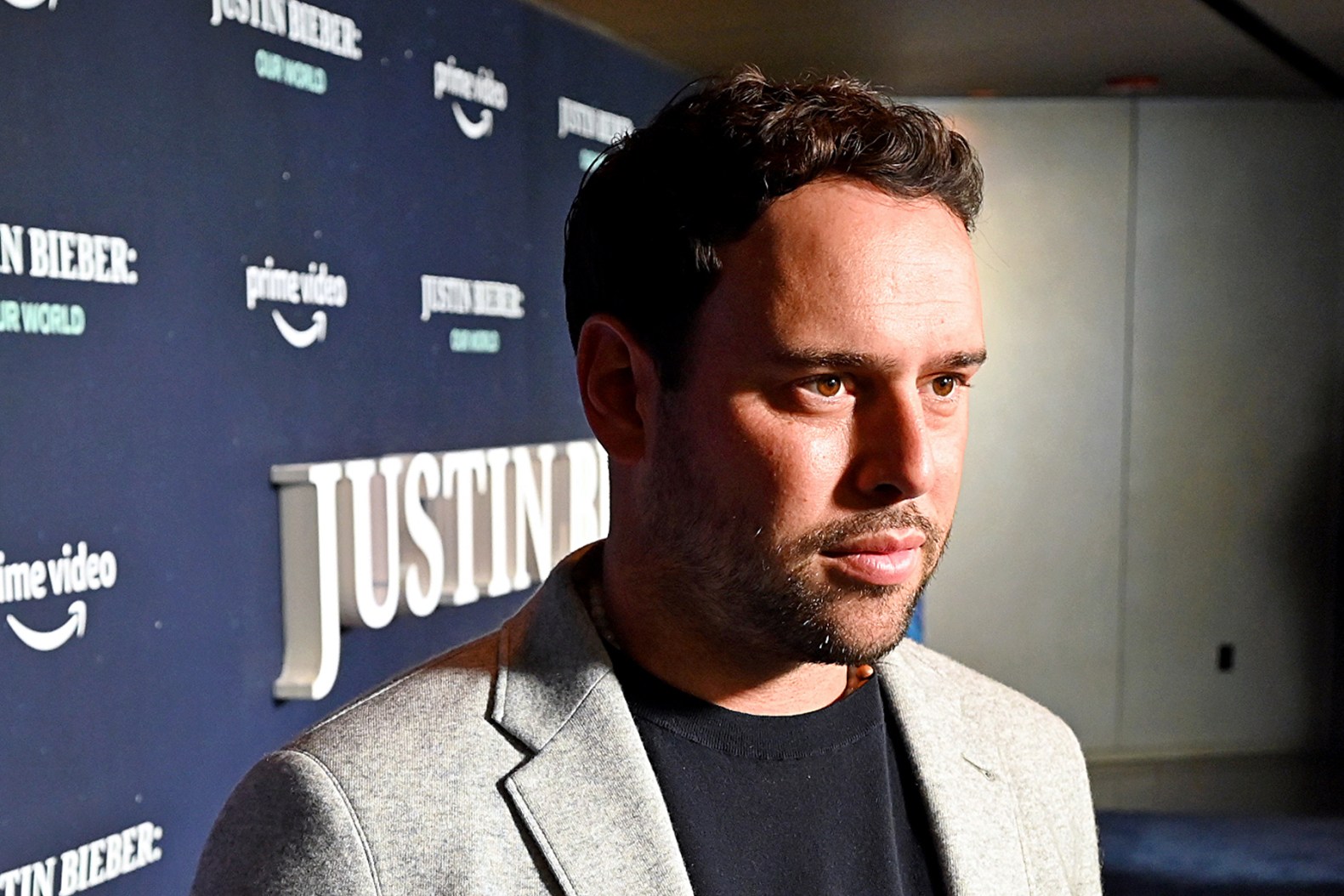

The world of K-pop is no stranger to seismic shifts, but sometimes the most significant tremors are the quietest. This week, the industry's foundations subtly realigned with the confirmation that American music mogul Scooter Braun has fully divested his stake in HYBE, the powerhouse conglomerate behind BTS and NewJeans. According to regulatory filings and industry sources first reported by Koreaboo, Braun has not only sold his shares but has also retired from all executive responsibilities at the company. This isn't merely a financial transaction; it's the closing of a specific, ambitious chapter in HYBE's—and by extension, K-pop's—quest for global dominion.
For observers, the move feels both sudden and inevitable. It removes one of the most recognizable Western faces from HYBE's corporate tapestry, a figure whose initial involvement was hailed as a bridge between Seoul and Hollywood. His exit prompts urgent questions about HYBE's future strategy, the evolving nature of K-pop's globalization, and what it means when a celebrated "gatekeeper" quietly returns the keys.
From Ithaca to Seoul: The Unlikely Alliance That Shook the Industry
To understand the weight of Braun's exit, one must revisit the audacity of his entrance. The story begins not in a Seoul boardroom, but in the aftermath of one of pop music's most publicized catalog wars. Scooter Braun, manager of global superstars like Ariana Grande and Justin Bieber, had orchestrated the landmark $300 million+ acquisition of Big Hit Entertainment's foundational rival: the publishing rights to Taylor Swift's early master recordings. While this deal was making headlines in the West, HYBE Chairman Bang Si-hyuk was executing a masterstroke of his own.
In April 2021, at the zenith of BTS's world-conquering momentum, HYBE announced it was acquiring Braun's company, Ithaca Holdings, in a deal valued at over $1 billion. It wasn't just a purchase; it was a strategic annexation of Western music industry infrastructure, talent, and know-how. Overnight, HYBE wasn't just a K-pop company—it was a multi-genre, trans-Pacific entertainment empire. Braun and his team, including veteran manager Allison Kaye, were brought in to helm HYBE America.
The vision was clear: leverage Braun's expertise to launch and break American acts under the HYBE umbrella (like the girl group Katseye formed through The Debut: Dream Academy), and to deepen the stateside market penetration for HYBE's existing Korean roster. As Bang Si-hyuk stated at the time, the partnership was about "creating a optimal structure for both companies to leverage their respective platforms and expertise." Braun became both a significant shareholder and a key architect of HYBE's Western front.
The Cracks in the Bridge: A Strategy Under Scrutiny
Despite the initial fanfare, the path forward proved more complex than anticipated. The launch of HYBE's American ventures, while ambitious, faced the immense challenge of cracking a saturated and culturally distinct market. Meanwhile, back in Korea, HYBE faced fierce internal and external challenges. The meteoric rise of ADOR and NewJeans under CEO Min Hee-jin—a wholly Korean-born success story—became a cultural phenomenon, but was later rocked by a very public, high-stakes corporate feud that exposed management tensions.
Furthermore, the core engine of HYBE, BTS, began their mandatory military enlistment cycle, necessitating a shift in corporate focus towards artist diversification and fan ecosystem sustainability. Braun's high-profile, Western-centric approach seemed increasingly peripheral to HYBE's most pressing domestic battles and its proven formula for success: artist-centric development, fan community cultivation, and multimedia storytelling—a formula dissected in our analysis of the intricate, long-term fan-idol relationships that define K-pop.
"The initial HYBE-Ithaca merger was a statement of intent: K-pop is here, and it's buying a seat at the global table. But maintaining that seat requires different tools than acquiring it. The challenges of 2024 are about deepening roots, not just expanding territory." — Industry Analyst, Park Ji-won
The Mechanics of the Move: A Clean Break
Details of the divestment, while not officially announced with a press conference, are telling. Regulatory filings show Braun's shares have been disposed of. More importantly, sources confirm he is no longer involved in the day-to-day or strategic operations of HYBE America. This isn't a phased retreat; it's a clean break.

The context of HYBE's recent financial performance adds a critical layer. The company's Q2 earnings reports have highlighted both immense strength—driven by NewJeans, SEVENTEEN, and BTS members' solo activities—and areas of investor concern, particularly regarding the profitability of its overseas ventures. In this climate, streamlining operations and refocusing resources on core, high-yield markets (Korea and Japan) and acts makes strategic sense. Braun's exit allows HYBE to consolidate its leadership under a more Korea-centric executive team, perhaps aiming to replicate the ADOR model's creative success without its management drama.
It also severs a potential source of peripheral controversy. Braun's name, forever linked to the Taylor Swift catalog saga, carried baggage in certain pop circles—baggage that was arguably at odds with HYBE's carefully cultivated, artist-friendly image built on the profound connection exemplified by groups like BTS.
A Fandom's Fractured Response: Relief, Nostalgia, and Speculation
Fan reaction across platforms like X (formerly Twitter), Weverse, and online forums has been a fascinating study in modern fandom's nuanced perspective. The response is not monolithic but divided across faction lines, reflecting the diverse priorities of the HYBE multiverse.
- BTS's ARMY: A significant portion expresses relief. Many had viewed Braun's involvement with skepticism, wary of a Western manager's influence over BTS's creative direction and individual endeavors during their enlistment period. Comments like, "Now the company can focus 100% on supporting our artists' visions again," are common. There's a palpable sense of wanting HYBE's leadership to be intimately familiar with the unique Korean idol system that forged BTS.
- Multi-Fandom Stans: For fans who follow multiple HYBE groups, the reaction is more pragmatic. The primary concern is resource allocation: "Hopefully this means more budget and attention for my faves from other labels like &TEAM or from Pledis," one fan posted, highlighting the internal competition within the HYBE ecosystem.
- Industry Observers: A more speculative tone prevails. Many are connecting dots to other high-profile moves, questioning if this signals a broader retrenchment of HYBE's global ambitions or a strategic pivot. Others see it as inevitable house-cleaning, noting, "The Min Hee-jin situation showed HYBE that its biggest threats and biggest opportunities are both homegrown."
Notably absent is any mass mourning of Braun's departure. The response underscores a core truth: for K-pop fans, the central draw is the idol and their music, not the corporate executives behind them—unless those executives are perceived as obstacles. The focus remains squarely on artists, a principle clear in the excitement surrounding solo ventures like WJSN’s Dayoung's upcoming solo debut.
The Ripple Effect: What Braun's Exit Means for HYBE and K-Pop
The implications of this divestment extend far beyond a change in a shareholder registry. It represents a critical inflection point with multi-layered consequences.
1. The "American Dream" on Pause
HYBE's ambition to create a successful, homegrown American pop act remains, but the strategy will likely undergo a profound recalibration. The Braun-led model of importing a established American industry framework is being reevaluated. Expect future U.S. initiatives to be more deeply infused with K-pop's native development and training philosophies, perhaps taking a page from the collaborative, culturally hybrid approach seen in projects like BLACKPINK member Lisa's historic Las Vegas residency, which blends global spectacle with specifically Thai and K-pop performance artistry.
2. The Reaffirmation of Korean Creative Leadership
This move is a powerful, if silent, statement that HYBE's core competency and primary growth engine lies in Korean talent and Korean executive vision. The staggering success of NewJeans, LE SSERAFIM - LE SSERAFIM - PUREFLOW pt.1: What Just Landed" rel="internal">PUREFLOW pt.1: What Just Landed" rel="internal">LE SSERAFIM, and the sustained power of SEVENTEEN and BTS members' solos proves the model works. It reinforces the idea that K-pop's global appeal is precisely in its *Korean-ness*, not in its dilution to fit Western molds. This mirrors the confidence seen in artists like MAMAMOO's Hwasa, whose success is built on unfiltered, individualistic expression rooted in her identity.
3. A Changing Global Investment Landscape
For other K-pop companies looking westward, Braun's exit serves as a cautionary case study in the challenges of cross-cultural corporate integration. It may slow the rush for similar high-profile Western acquisitions and encourage more organic, partnership-based growth. The focus may shift from buying stakes to building strategic alliances in distribution, technology, and touring.
"This isn't a failure of globalization; it's its maturation. Phase one was about proving K-pop could have global hits. Phase two was about acquiring global assets. We are now entering phase three: refining a sustainable, globally-integrated yet distinctly Korean corporate and creative model." — Lee Chul-ho, Music Business Professor
Looking Forward: A Consolidated HYBE and a Liberated Braun
So, what comes next? For HYBE, the path involves consolidation and focused execution. All eyes will be on Chairman Bang Si-hyuk and his reinforced Korean leadership team to steer the ship through the completion of BTS's enlistment, the cultivation of their next-generation acts, and the navigation of fierce domestic competition from the likes of SM, JYP, and emerging players. The company will likely double down on its tech and platform initiatives like Weverse, which serve as a direct, controlled conduit to global fans, independent of Western industry gatekeepers.
Expect HYBE to pursue global growth through the undeniable power of its existing Korean artists on the world stage, and through more targeted, perhaps less headline-grabbing, investments in areas like gaming, metaverse experiences, and production technology. You can track the ongoing impact of this strategy on our Charts page, which will reflect the commercial performance of this refined approach.
For Scooter Braun, this divestment frees him from the constraints of a public, multinational corporate structure. He returns to his core identity as an agile manager and entrepreneur, likely to focus on his remaining stable of Western artists and new ventures. The HYBE chapter provided him with a monumental financial return and unique insight into the K-pop system, but his future now lies outside of it.
In the end, the story of Scooter Braun and HYBE is a testament to K-pop's boldness and its self-correcting mechanisms. The industry was unafraid to invite a giant inside, to learn, to experiment, and to leverage foreign expertise. And now, confident in its own unparalleled strengths, it appears equally unafraid to usher that giant back out, choosing to write its next global chapter on its own terms. The era of seeking validation through high-profile Western acquisition is over. The era of confident, Korean-led global cultural leadership is firmly underway. The true test will be how HYBE, now fully in control of its own destiny, navigates the immense opportunities and challenges that this new, introspective chapter brings. For the latest on all HYBE artist movements and industry shifts, stay tuned to our News page.