
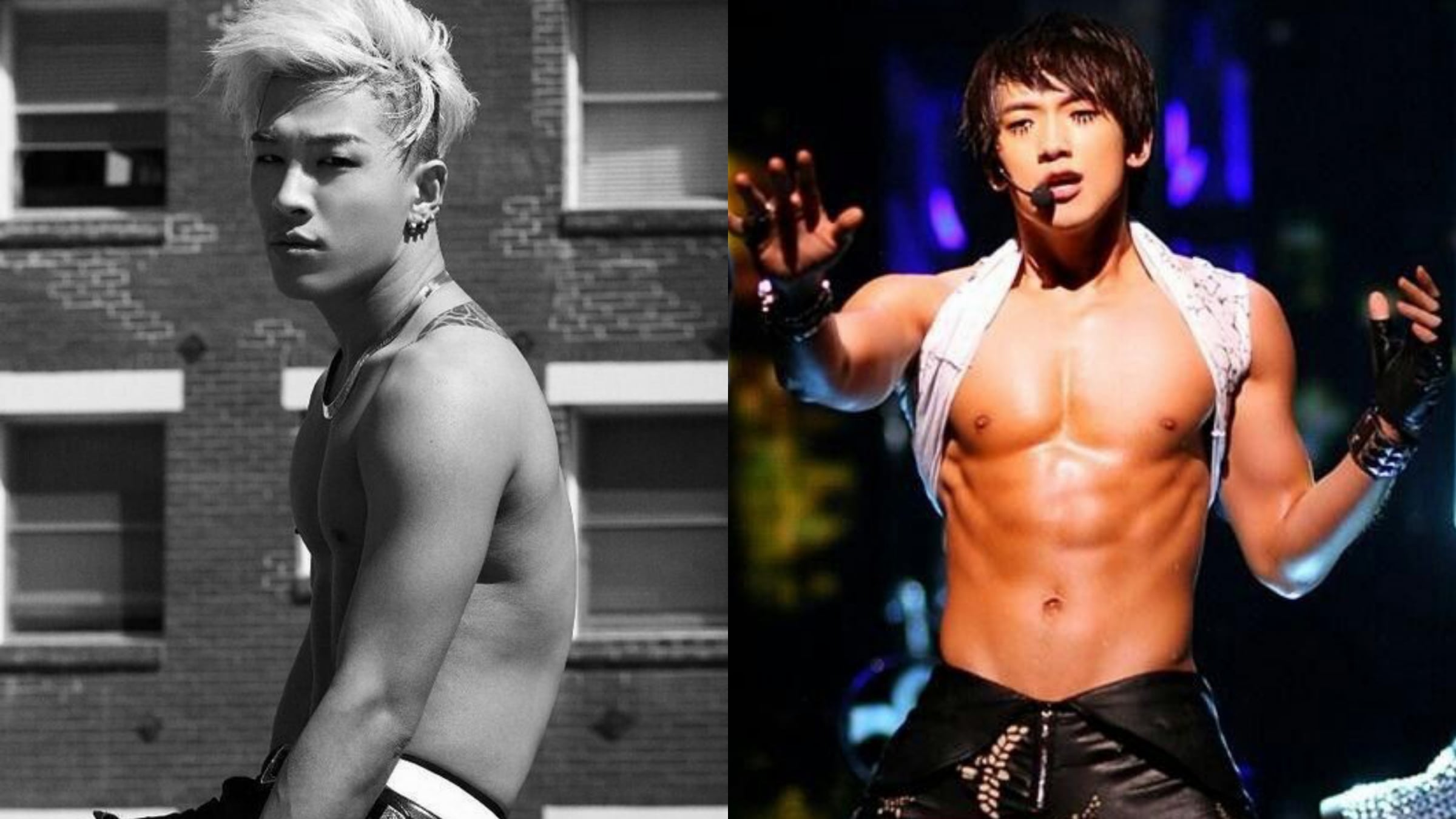

In a performance that has ignited global debate, ECHO's main dancer Kang Seo-jun removed his shirt during the climax of their recent concert, prompting a firestorm of discourse on artistic freedom, fan service ethics, and the pressures on fifth-generation idols. This analysis argues the moment is not an isolated incident but a symptom of a generational shift, where idols are navigating a treacherous line between personal artistry and public expectation in an era of hyper-visibility. The controversy highlights a critical tension: the increasing demand for "raw" authenticity clashing with the industry's historically controlled presentation.
- Deconstructing "The Moment": What Actually Happened?
- Beyond Fan Service: A Brief History of the "Reveal" in K-Pop
- Artistic Statement or Agency Mandate? Interpreting the Intent
- Fandom on Fire: Decoding the Polarized Reaction
- The Fifth-Gen Precedent: What This Means for the Industry
- FAQ: Your Burning Questions, Answered
Deconstructing "The Moment": What Actually Happened?
The incident occurred during the final stop of ECHO's "Vertigo" world tour in Seoul. It was not during a typical upbeat track, but in the middle of "Silent Scream," a fan-favorite B-side known for its melancholic lyrics about emotional repression.
The Performance Choreography and Context
As the song reached its instrumental bridge, the formation broke. Seo-jun, positioned center stage under a single spotlight, executed a series of powerful, isolated contemporary dance moves. The shirt removal was integrated into the choreography—a deliberate, slow pull over the head rather than a sudden tear. The act was followed by him tracing scars drawn in body paint across his torso, a detail missed in many initial cellphone clips but clear in official fancams.
The Immediate Aftermath and Initial Silence
The arena's reaction was a palpable mix of screams and stunned silence. Social media exploded within minutes. Critically, neither ECHO's agency, Nova Entertainment, nor Seo-jun himself addressed it for 48 hours. This silence fueled speculation, allowing narratives to solidify before any official context could be given. Our News page tracked the real-time spike in global searches.
Seo-jun's Eventual Statement
When he did speak, it was via a handwritten letter on the fan platform Weverse. He framed it as a "physical manifestation of the song's theme—shedding the skin of silence." He thanked fans who understood his "vulnerability" and apologized to those made uncomfortable, emphasizing it was a personal decision discussed with the creative team. The agency's subsequent boilerplate statement about "supporting artists' expressions" did little to quell the debate.
Beyond Fan Service: A Brief History of the "Reveal" in K-Pop
To label this simply as "fan service" is to ignore a complex performance history. The display of the idol body has evolved dramatically, reflecting changing industry norms and audience demographics.
The Second-Gen "Power" Muscle Show
In second and early third-generation eras, shirtless moments were often framed around concepts of power, athleticism, and "beastly" idol imagery. Think of Rain's iconic rain scenes or 2PM's acrobatic performances. It was about showcasing hard work in the gym, often during summer-themed tracks or concert encores, and was squarely in the realm of crowd-pleasing spectacle.
The Third-Gen Choreography Integration
Later generations began weaving reveals more intricately into storytelling. BTS's "Blood Sweat & Tears" era used suggestive undressing as metaphor. Monsta X and ATEEZ have used ripped costumes to denote character transformation mid-performance. The body became part of the stage costume narrative, not just a separate display.

The Fifth-Gen "Vulnerability" Aesthetic
Current trends show a pivot toward emotional vulnerability and artistic intimacy. This isn't about perfect abs for hype; it's about imperfection, realism, and psychological exposure. It parallels the lyrical shift toward mental health themes, as seen in songs like HITGS's "Cherry Blossom". The body is now framed as a canvas for inner turmoil, not just a symbol of power.
Generation Primary Framing Typical Context Fan Reaction Norm 2nd/3rd Gen Power, Athleticism, Spectacle Summer singles, concert encores, MV concepts Celebratory, expected fan service 4th Gen Conceptual Storytelling, Transformation Dark concept MVs, performance climaxes Analyzed as part of lore, generally accepted 5th Gen (Emergent) Artistic Vulnerability, Authenticity Emotional B-sides, personal artistic statements Highly polarized, ethical debatesArtistic Statement or Agency Mandate? Interpreting the Intent
This is the core question fueling the controversy. Was this a genuine artistic choice by Seo-jun, or a calculated, agency-driven risk for media buzz?
Evidence for Artistic Autonomy
Seo-jun has a documented history in contemporary dance prior to debut. He has co-choreographed several of ECHO's more expressive B-side stages. The specific song choice, "Silent Scream," is one he has cited as his favorite for its lyrical depth. The use of symbolic body paint suggests a level of forethought and narrative intent beyond simple titillation. This aligns with a broader fifth-gen push for creative input, detailed in analyses like our piece on TXT's Sonic Evolution.
The Case for Calculated Commerce
Nova Entertainment is known for aggressive, viral marketing. The tour's final stop was in Seoul, guaranteeing maximum press coverage. The move occurred just weeks before a scheduled comeback, a classic timing for momentum-building. Furthermore, the delayed response allowed the story to dominate news cycles for days, a common strategy in "any publicity is good publicity" playbooks. The incident mirrors the calculated provocations seen in works like Wheein's "The Symphony Of Fxxkboys", though in a different medium.
The Most Likely Truth: A Negotiated Gray Area
The modern idol industry rarely deals in absolutes. The most plausible scenario is a negotiated agreement. Seo-jun may have proposed a powerful visual expression for his solo moment. The agency, recognizing its viral potential, approved it within the "safe" context of a concert for consenting ticket-buyers, not a broadcast. This hybrid model—artist-driven idea, agency-approved amplification—defines much of today's headline-making content.
Fandom on Fire: Decoding the Polarized Reaction
The fan response has been a fascinating case study in modern fandom sociology, split across clear ideological lines.
Camp 1: The "Artistic Freedom" Defenders
This group champions the act as a brave artistic choice. They argue:
- Idols, especially fifth-gen, are artists entitled to use their bodies as expression.
- The moment was contextually appropriate to the song's theme.
- Critics are imposing puritanical standards and denying his agency.
They often cite the body paint detail as proof of artistic merit.
Camp 2: The "Exploitation and Objection" Critics
This faction views the act as regressive or coercive. Their concerns include:
- The pressure on young idols to perform physically revealing acts to stay relevant.
- The discomfort of younger or more conservative fans in the audience.
- The potential for it to set a precedent where such acts become an expectation, not a choice. This fear of shifting baselines is a recurrent theme, as seen in fan-led protests using protest trucks.
Camp 3: The "Context is Key" Pragmatists
A growing middle ground focuses on consent and environment. Their stance: was there clear prior warning for concert-goers? Does the idol have real veto power? This group is less concerned with the act itself and more with the power dynamics and transparency behind it. They demand clearer communication from agencies, akin to content warnings.
The Fifth-Gen Precedent: What This Means for the Industry
ECHO's incident is not an island. It's a pressure point revealing broader shifts in the K-Pop ecosystem that will influence strategies for years to come.
The Push for "Unfiltered" Authenticity
Fifth-gen groups are marketed on relatability and "realness." This extends to performances, where polished perfection is sometimes swapped for raw, unpredictable emotion. The shirtless moment, framed as vulnerability, feeds this demand for unfiltered access, blurring the line between staged performance and personal revelation.
Increased Idol Agency (and Associated Risk)
Idols have more creative input than ever, but with that freedom comes the risk of backlash they must personally manage. Seo-jun's handwritten apology is part of this new burden. The idol is no longer just a performer but a curator and defender of their artistic persona, a dynamic explored in narratives like "Phantom Lawyer".
Navigating Global vs. Domestic Sensibilities
The reaction split notably along geographical lines. International fans largely praised the act as progressive, while domestic responses were more mixed, with significant criticism on Korean forums about appropriateness. Agencies like Nova now must calibrate such high-impact moments for a fragmented global audience with differing cultural norms, a constant challenge tracked on our Charts page which reflects these divergent tastes.
The New Concert "Climax" Arms Race
In a saturated market, concert moments must be "eventized" to drive ticket sales and social media chatter. This creates an implicit pressure to top previous tours with ever-more dramatic, shareable stunts. The visceral, visual nature of a reveal guarantees clips will circulate, setting a new bar for what constitutes a "memorable" concert moment.
FAQ: Your Burning Questions, Answered
Was Seo-jun forced to do this by his agency?
There is no evidence of coercion. The integration of personal symbolism (body paint) and his history of choreography input suggest his buy-in. However, the agency's approval and strategic timing for publicity are undeniable factors. It exists in the industry's typical gray zone of collaborative, incentivized ideas.
Does this mean we'll see more shirtless performances in fifth-gen?
Likely, but the framing will evolve. It may become more normalized as an artistic tool for specific concepts, especially for groups targeting global audiences. However, the backlash ensures it won't become a universal expectation. The focus will shift to the "why" behind it, requiring stronger narrative justification.
Why is this such a big deal when it's happened before?
The context is new. Previous instances were largely read as fan service or power displays. This was framed as intimate, vulnerable, and tied to mental health-themed art. That reframing challenges older industry paradigms, making it a debate about the fundamental purpose of idol performance, not just the act itself.
Are female idols held to a different standard?
Absolutely. The societal and industry scrutiny on female idols' bodies is exponentially higher. A comparable act by a female idol would trigger a vastly more severe backlash concerning "morality" and "appropriateness." This controversy, while focused on a male idol, inadvertently highlights that persistent double standard.
Will this hurt ECHO's or Seo-jun's career?
In the short term, it has generated immense visibility. Long-term impact depends on consistency. If Seo-jun and ECHO continue to back such choices with substantive artistic output, it could solidify his reputation as a serious performer. If it feels like a one-off stunt, it may be dismissed as a cheap tactic. The true test is their next creative chapter.
The Final Verdict: A Defining Crossroads
The ECHO controversy is a microcosm of fifth-generation K-Pop's growing pains. It encapsulates the struggle between artistry and commerce, autonomy and expectation, global appeal and domestic tradition. Kang Seo-jun's moment on stage was more than skin deep; it was a flashpoint exposing the new rules—or lack thereof—governing idol expression.
For the industry, the lesson is clear: audiences are savvy. They can distinguish between authentic vulnerability and manufactured shock. The agencies and idols who succeed will be those who align such powerful visuals with genuine artistic narrative and transparent respect for their fans' intelligence and comfort. The conversation has moved from "if" an idol can reveal their body to "how, why, and who for."
What's Next? Watch how ECHO's upcoming comeback addresses—or ignores—this narrative. Monitor if other fifth-gen groups incorporate similar vulnerable physicality in their performances. For deeper dives into the artists shaping this complex era, explore our profiles on our Artists page. The evolution is just beginning, and the lines between persona, performance, and person have never been more intriguing—or more contested.