
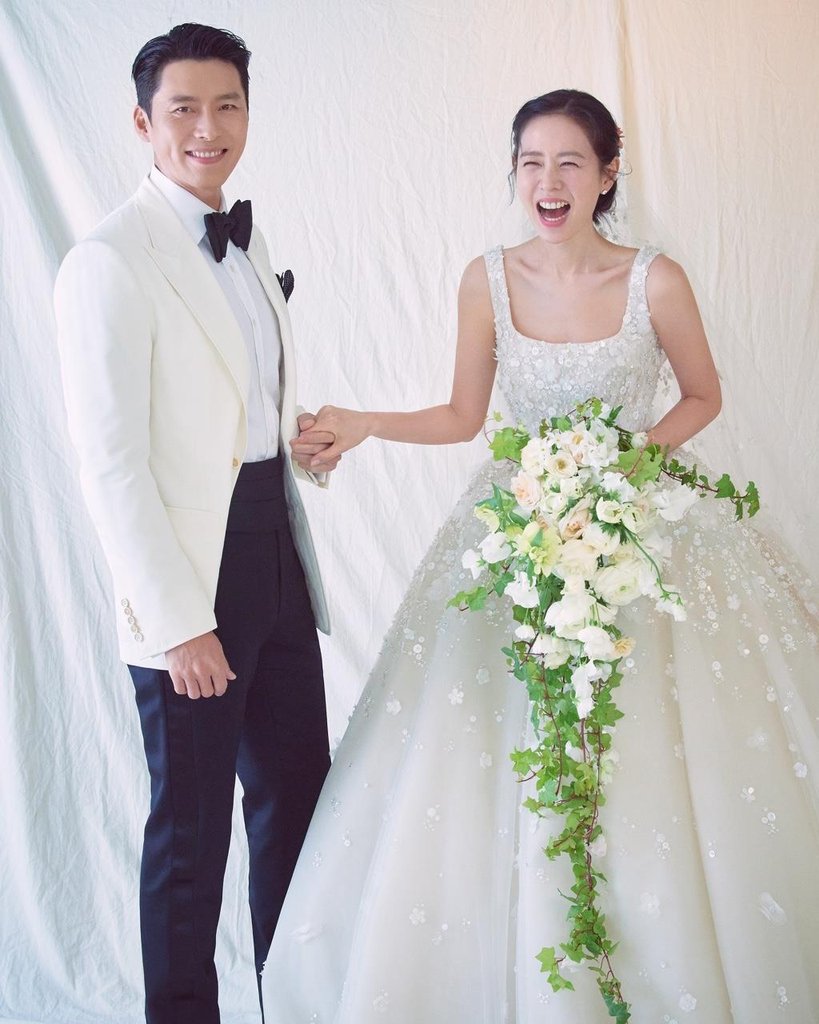

When a beloved actor recently shared the intimate story of how he courted and married a K-Pop idol a decade his junior, it did more than just trend. It became a case study in the changing rules of engagement between celebrities and the public. This isn't merely a cute love story; it's a masterclass in modern reputation management, a sign of shifting fan culture, and a strategic blueprint that future stars may follow. The key takeaway? Transparency, when executed with precision and authenticity, is becoming the new currency in an industry built on carefully controlled images.
- The Unconventional Blueprint: What Did He Actually Do?
- Why Did Fans Cheer? The Evolution of the Idol Dating Fan From Secrecy to Strategy: How Are Agencies Adapting?
- Beyond the Couple: The Ripple Effect on K-Pop Culture
- What's Next? Predicting the Post-"Cute Reveal" Era
- Your Questions Answered: K-Pop, Age Gaps & Public Relationships
The Unconventional Blueprint: What Did He Actually Do?
The actor’s narrative broke from traditional K-Pop celebrity relationship scripts. Instead of a scandalous dispatch photo or a forced agency confirmation, he offered a voluntary, detailed, and charmingly human account. His strategy provides a fascinating new model.
Mastering the "Respectful Pursuit" Narrative
Central to his story was framing his initial interest as profound professional respect that evolved organically. He emphasized admiration for her artistry and work ethic long before any personal feelings, effectively disarming the "creepy older fan" trope that can plague age-gap relationships in the public eye. This established a foundation of equality before romance even entered the chat.
Leveraging "Official" Channels for Legitimacy
Reports indicate he used formal, industry-standard methods to make initial contact—likely through shared management or professional intermediaries. This bypassed the informal, and often scandal-prone, routes like social media DMs or mutual friends in club scenes. It framed the connection as serious and legitimate from day one.
The Power of Patience and Context
He famously waited until after her group's most active promotional period and a major career milestone for her before making his feelings clear. This demonstrated an acute awareness of the intense pressures of the idol schedule, showing a level of consideration that resonated with fans who understand those sacrifices. It wasn't just about his timing; it was about respecting hers.
Why Did Fans Cheer? The Evolution of the Idol Dating Fan
The overwhelmingly positive reaction is perhaps more shocking than the relationship itself. This signals a profound shift in fan-idol dynamics, moving away from pure fantasy ownership toward a more nuanced support system.
The "Protector" Fan Mindset Takes Over
For many fans, especially the actor's established, slightly older demographic and the idol's long-time supporters, the narrative painted him as a stable, protective figure. In an industry rife with burnout and scrutiny, as seen in the pressures discussed in our analysis of A-List Actor-Idol divorces, a "safe harbor" partner is increasingly viewed as a positive. Fans aren't just cheering a romance; they're endorsing what they perceive as a healthy support structure for their idol.
Rejecting the "Sasaeng" Proof Culture
The clean, self-reported story preempted the toxic "gotcha" cycle of leak culture. Contrast this with incidents like The Haechan Incident, where blurry, invasive "proof" fuels fury and distrust. Here, the couple controlled the narrative entirely, depriving malicious actors of power and allowing fans to feel like respectful confidantes rather than suspicious detectives.

Authenticity Trumps Perfect Packaging
Today's audience, particularly newer K-Pop fans, values perceived authenticity as much as flawless performance. A genuine, well-articulated love story, with relatable details about awkward first meetings and patient courtship, feels more "real" than a perfectly sculpted idol persona. This mirrors the trend of artists breaking personal taboos, similar to an idol owning plastic surgery narratives or exploring mature themes like in "The 'Sex' Album Breakdown".
From Secrecy to Strategy: How Are Agencies Adapting?
The traditional agency playbook—deny, suppress, threaten—is becoming a liability. This public reveal, likely coordinated with both managements, hints at a new, more sophisticated PR approach to idol relationships.
Old Agency Playbook Emerging Strategy (As Seen Here) Risk vs. Reward Strict "No Dating" Clauses & Denials Controlled Narrative Release Old: High risk of explosive, damaging leak. New: Manages timing and message. Treating Relationships as Scandals Framing Relationships as Positive Life Milestones Old: Creates enemy narrative with media/fans. New: Garner sympathy and positive press. Isolating the Idol Vetting & Leveraging a Partner's Public Profile Old: Idol bears all PR burden. New: Partner's good reputation becomes an asset. Punishing the Artist Integrating the Story into the Artist's Brand Old: Halts careers. New: Can add maturity and depth to an artist's image.The Calculated "Soft Launch"
This wasn't a surprise. Observant fans noted subtle, positive interactions between the two camps for months—joint follows on social media, respectful mentions in vague interviews. This "soft launch" allowed the core fandom to acclimatize, making the official reveal a confirmation rather than a shock.
Partner as PR Asset, Not Liability
The actor's own spotless reputation, established career, and eloquent public speaking skills made him an ideal partner from a management standpoint. He wasn't a "risk" to be managed; he was a stabilizing force who could eloquently share their story, absorbing much of the media pressure himself.
Beyond the Couple: The Ripple Effect on K-Pop Culture
The implications of this story extend far beyond one happy marriage. It applies pressure to outdated systems and offers a new potential path forward for artists seeking personal fulfillment.
Redefining the "Ideal" Age Gap Narrative
While significant age gaps are not new in Korean entertainment, they are often shrouded in quiet scandal or patriarchal tropes. This story actively worked to reframe the gap as irrelevant, focusing instead on emotional maturity, shared values, and mutual respect. It challenges the default suspicion around such pairings.
Increasing the Burden of Proof on Toxic Fandom
When a relationship is presented this openly and positively, it becomes harder for antis to spin malicious narratives. Their usual tactics—accusing the partner of being a fan, gold-digger, or distraction—fall flat against a pre-established, respectful courtship story. It raises the standard for what constitutes a legitimate "criticism."
The New Benchmark for "Happy News"
Future celebrity couples now have a public benchmark. The chaotic, stressful "scandal" reveal is no longer the only option. This creates an expectation, both among fans and artists, that happy personal news can be shared in a dignified way that enhances, rather than harms, careers. Check our News page for how these reveals are being reported differently.
What's Next? Predicting the Post-"Cute Reveal" Era
This event is a symptom of a larger transformation. Here’s what industry watchers can expect in the coming years.
More "Post-Peak" Relationship Announcements
We will likely see more idols in their late 20s and 30s, particularly those transitioning to solo careers or acting, feel empowered to publicize stable relationships. The model will be: establish your career legacy first, then integrate your personal life. This mirrors the actor's strategy of waiting for his partner's career milestone.
The Rise of the "Power Couple" Collaboration
Don't be surprised to see strategic professional collaborations between confirmed couples—duet songs, magazine spreads, or drama appearances. What was once considered taboo mixing of personal and professional life could become a powerful branding tool, showcasing chemistry that is both real and marketable.
Agency Policies Will Quietly Evolve
While strict contracts won't vanish, enforcement will become more nuanced. Agencies for established artists may shift focus from preventing relationships to managing them—guiding the narrative, vetting partners, and identifying the optimal time for revelation to maximize positive impact. Explore the careers of artists navigating this shift on our Artists page.
Your Questions Answered: K-Pop, Age Gaps & Public Relationships
Q: Is this a sign that "no-dating" rules in K-Pop are over?
A: Not entirely, but they are eroding, especially for senior idols. The rules are most stringent for rookies and groups in their peak growth phase. For established artists with a solid fanbase, the rules are increasingly pragmatic rather than absolute, focusing on image management over outright bans.
Q: Why was the age gap such a non-issue in this case?
A: Three key reasons: 1) The actor's meticulous framing of respect and equality. 2) The idol was in her late 20s at the time of courtship, not a teenager, avoiding power imbalance concerns. 3) Both were at stable, high points in their careers, coming together as equals, not as mentor-protege.
Q: Would this strategy work for two active, junior idols?
A: Almost certainly not. This strategy relied on the actor's established, non-idol career and the idol's transition into a more stable career phase. The intense competition and fantasy-marketing central to junior groups make such a transparent reveal far riskier. The core fan demographic for junior groups is often less forgiving.
Q: Does this mean fans are no longer possessive of their idols?
A: Possessiveness evolves; it doesn't disappear. For many fans, the desire to "protect" their idol's happiness has become a stronger motivator than the desire to "own" their fictional availability. This is a maturation seen in long-term fandoms.
Q: How does this relate to conversations about live authenticity in K-Pop?
A: It's part of the same cultural demand for authenticity. Just as fans are passionately debating live singing vs. performance perfection, they are also seeking more authentic glimpses into idols' lives. A genuine, well-handled relationship story satisfies that craving for realness behind the polished performance.
Conclusion: The Love Story That Schooled the Industry
This marriage reveal was more than a celebrity gossip milestone. It was a sophisticated PR operation, a cultural mood check, and a potential turning point. It proved that in the modern K-Pop landscape, characterized by intense scrutiny and a hunger for authenticity, a well-told truth can be more powerful than a perfectly maintained fiction. The strategy demonstrated that fans are ready to support idols as whole human beings, that agencies must adapt to guide rather than suppress, and that the narrative, above all else, belongs to those who tell it first and tell it best.
What to Watch Next: Keep an eye on senior idols from 3rd and 4th generation groups, as they are most likely to test this new paradigm. Monitor how agencies for top-tier artists phrase future dating-related statements—look for softer, more accepting language. Finally, observe chart performance and fan project trends following future relationship reveals to gauge if this positive reception becomes the new norm. For ongoing analysis of how these trends affect popularity, follow our weekly updates on the Charts page.