
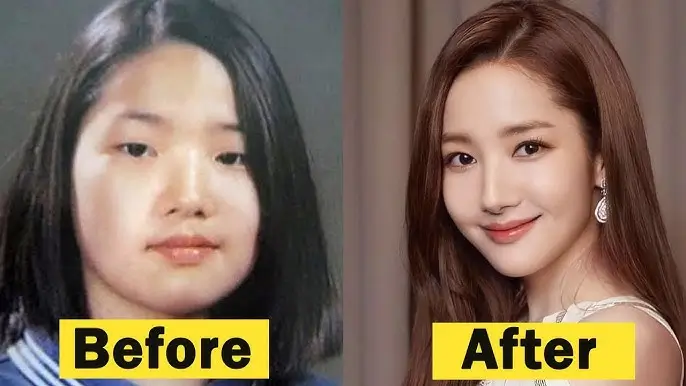
In a move that stunned the industry, former True Queen member and rising actress Park Ji-Hyun intentionally liked an online post accusing her of undergoing extensive plastic surgery, flipping the script on a decade-old K-Pop scandal tactic. This calculated act of defiance signals a profound shift in how public figures, especially women navigating the idol-to-actress pipeline, are reclaiming their narratives from netizens and agencies alike. By engaging with the criticism directly, Ji-Hyun didn't just address the rumors—she weaponized them, setting a new precedent for authenticity and control that could redefine celebrity-fan dynamics.
- Who is Park Ji-Hyun? From True Queen's Main Vocal to Rising Actress
- The Incident: What Did She Actually Do?
- Why This "Like" is a Strategic Earthquake
- Industry Precedents: How Other Idols Have Handled Surgery Claims
- Fandom Reaction Decoded: From Shock to "Stanning" Harder
- Broader Implications for the K-Pop & K-Drama Ecosystem
- FAQ: Your Questions Answered
Who is Park Ji-Hyun? From True Queen's Main Vocal to Rising Actress
To understand the weight of her action, you must understand her journey. Park Ji-Hyun debuted in 2018 as the main vocalist of the five-member girl group True Queen under Starline Entertainment. The group achieved moderate success with their powerful vocal-centric title tracks like "Glass Heart" and "Nova," but never broke into the absolute top tier.
The Idol Years: Talent Overshadowed by "Visual" Discourse
Even during her idol career, Ji-Hyun was a focal point for online discussion. Praised for her technical skill, she was simultaneously subject to relentless visual analysis. Comparisons between her pre-debut photos and her idol persona began circulating on forums like Instiz and Pann within months of debut. The narrative was less about her singing and more about the perceived transformation of her jawline and nose.
The Pivot to Acting: A Calculated Rebrand
Following True Queen's unofficial hiatus in 2022, Ji-Hyun aggressively pursued acting. She took supporting roles in web dramas before landing a breakout role as the cunning, sympathetic second lead in the 2024 hit drama "Echoes of You." This role required a depth of emotion that reshaped her public image from "idol who sings" to "serious actress." Yet, the plastic surgery discourse followed her, often used to undermine her acting accolades.
The Incident: What Did She Actually Do?
The incident was deceptively simple, which is why its impact was so profound. On April 10, a post on a popular Korean community board titled "Actress Park Ji-Hyun's face is 90% surgical results, change my mind" gained traction. The post included meticulous, side-by-side photo comparisons from her middle school days, pre-debut training, True Queen era, and current drama stills.
The "Like" Seen Around the Industry
What happened next was not an accidental scroll. Park Ji-Hyun's verified personal Instagram account was observed to have liked the critical post. Screenshots spread like wildfire across all major social media platforms within the hour. This was not a vague, positive post about her; it was the direct, accusatory article itself.
Strategic Silence: The Follow-Up That Spoke Volumes
Neither Ji-Hyun nor her new management agency, which specializes in actor representation, issued any statement. They did not "unlike" the post, claim it was a hack, or apologize. The like remained, and her social media activity continued as normal, posting behind-the-scenes drama photos. This silence was a megaphone, confirming the action was intentional and letting the public reaction run its course.
Why This "Like" is a Strategic Earthquake
In the highly controlled world of K-Pop and Korean entertainment, every social media move is choreographed. Ji-Hyun's action broke multiple unwritten rules, creating a strategic playbook for others.

1. Reclaiming Agency and Narrative Control
For years, the narrative about her appearance was controlled by netizens, anti-fans, and gossip columns. By liking the post, she snatched that control back. The message was clear: "I see this. I am aware. And I do not care enough to hide it." It transformed a point of criticism into a point of power. This resonates deeply in an era where fans crave authenticity over manufactured perfection.
2. The "IDGAF" Persona as a Career Asset
This move expertly cultivated an "IDGAF" (I Don't Give A F***) persona, a valuable commodity for an actress seeking mature, complex roles. It distances her from the innocent, flawless idol image and aligns her with strong, independent characters. Casting directors now see a woman with thick skin and public command—traits ideal for leading roles.
3. Draining the Power from Antis
The primary weapon of online antis is the emotional reaction they provoke. By openly acknowledging and "endorsing" their criticism, Ji-Hyun drained it of its power to hurt or shock. It’s a masterclass in negation by acceptance. What can critics say once the subject herself has agreed with them?
Industry Precedents: How Other Idols Have Handled Surgery Claims
Ji-Hyun's approach is radical precisely because it departs so starkly from the established industry playbook. The standard responses have fallen into a few predictable categories.
Response Strategy Typical Action Example (Hypothetical) Perceived Outcome Complete Silence & Denial Agency issues legal statement against "malicious rumors"; idol never addresses it. Many 2nd & 3rd Gen idols during peak career. Often fuels more speculation; maintains "flawless" image but feels inauthentic. Humble Confirmation Idol admits to minor procedures (like double eyelid surgery) on a variety show, framing it as self-improvement. Various idols on shows like "Radio Star." Can generate positive "honest" press but keeps the topic in polite, limited terms. Deflection & Humor Idol makes a joke about it or credits "makeup" and "weight loss." Idols posting "then vs now" with Puberty/Glow-Up captions. Disarms lightly but doesn't silence hardcore critics; seen as evasive. Direct, Defiant Acceptance (The "True Queen" Move) Publicly engaging with the critical narrative without apology or explanation. Park Ji-Hyun's Instagram "like." Seizes narrative control, builds a "strong" persona, nullifies critics' leverage.This shift mirrors the larger conversation we analyzed in The "Pre-Debut Face" Obsession, where the very nature of the critique is evolving. Ji-Hyun's move is a direct answer to that obsessive cycle.
Fandom Reaction Decoded: From Shock to "Stanning" Harder
The fan and public reaction followed a predictable yet rapid arc, demonstrating how such a gamble can pay off with modern audiences.
Phase 1: Collective Shock and Confusion
The first reactions were pure disbelief. "Did she get hacked?" "Did she misclick?" Fans scrambled to find a technical excuse, unable to process the intentionality. This phase lasted mere hours, documented in real-time on our News page.
Phase 2: Realization and Viral Amplification
Once the lack of a correction became clear, the story exploded. It was no longer a gossip item but a cultural moment. Memes were created. The phrase "True Queen behavior" trended, divorcing the act from her old group's name and turning it into a synonym for fearless authenticity.
Phase 3: Solidification of a New Narrative
Her existing fans, especially those who followed her to acting, rallied with immense pride. Comments shifted from "How could she?" to "She's so powerful for this." New fans, intrigued by her audacity, began checking out her drama work. The controversy directly boosted the viewership of "Echoes of You" on replay services.
Broader Implications for the K-Pop & K-Drama Ecosystem
Ji-Hyun's action is not an isolated incident. It's a symptom of a larger transformation in Korean entertainment, intersecting with trends from solo careers to fandom wars.
For Idols Transitioning to Acting
This provides a potential new blueprint. The transition is notoriously difficult, with idols battling prejudice about their talent and authenticity. An act like this can forcefully sever the "manufactured idol" label and accelerate acceptance as a serious actor. It’s a high-risk, high-reward strategy that may become more common, much like the strategic solo releases we dissected in Jungkook's "Seven" Hits 600M Views.
The Changing Role of Management Agencies
Her new agency's silence is telling. It suggests a modern approach to PR that understands the value of organic, viral moments over controlled statements. This reflects a broader shift where agencies act as enablers of an artist's personal brand rather than strict controllers of it.
A New Frontier in Fan-Idol Communication
The act redefines the boundaries of communication. It’s a non-verbal, yet profoundly clear, message to fans and antis alike. It demonstrates that the most powerful statement can sometimes be a single, intentional click—a form of communication native to the digital age. This echoes the fierce, direct fan engagement seen in moments like Irene's Solo Win Decoded, where raw sentiment drives the story.
FAQ: Your Questions Answered
Q: Could this have been a genuine accident?
A: Industry experts consider that virtually impossible. The post was deeply critical and specific. For her account to find and like it amid the flood of tagged, positive content would be incredibly unlikely. The subsequent strategic silence from her agency confirms it was a deliberate move.
Q: Does this mean she's admitting to all the surgeries claimed in the post?
A: Not necessarily. The genius of the move is its ambiguity. She is not admitting to anything specific. She is simply acknowledging the existence of the criticism and displaying indifference to its intended shame. It's about the narrative, not the medical details.
Q: Is this a PR stunt?
A> By definition, any public action by a celebrity has PR implications. Whether pre-planned or a spontaneous personal decision, it was executed with a clear understanding of the media landscape. Its effectiveness as a brand-redefining moment is undeniable, making it a highly successful PR outcome regardless of origin.
Q: Will this encourage more idols to be this direct?
A> It provides a powerful case study. However, it requires a specific context: an individual with a strong secondary career (acting) to fall back on, a degree of distance from the rigid idol system, and the personal fortitude to handle the initial blowback. We may see it more from established soloists or actors, not from rookies in active groups.
Q: How does this affect her former True Queen members?
A> The incident has temporarily refocused public attention on the group, sparking nostalgia and renewed streaming of their discography. For the members, it’s a double-edged sword: it brings positive attention to their past work but may also invite renewed, unwelcome scrutiny of their own pasts.
Conclusion: The Aftermath and What to Watch Next
Park Ji-Hyun's single "like" has done more than quiet plastic surgery rumors. It has announced a new mode of celebrity existence in the digital age—one where perceived vulnerabilities are transformed into pillars of strength. She successfully migrated the discussion from "what did she do to her face?" to "how bold is her character?"
The true test will be the longevity of this narrative and its impact on her casting opportunities. Will she be offered roles that leverage this newfound image of unshakeable confidence? Early indications suggest yes, with rumors of her being shortlisted for a formidable lead role in an upcoming legal thriller.
What's Next? Watch her upcoming projects and social media for continued signs of this curated authenticity. For more deep dives into how idols are reshaping their careers and public personas, explore our features on our Artists page and track the data behind these shifts on our Charts page. The era of silent suffering through online criticism is evolving, and Ji-Hyun may have just written the first line of the new rulebook.