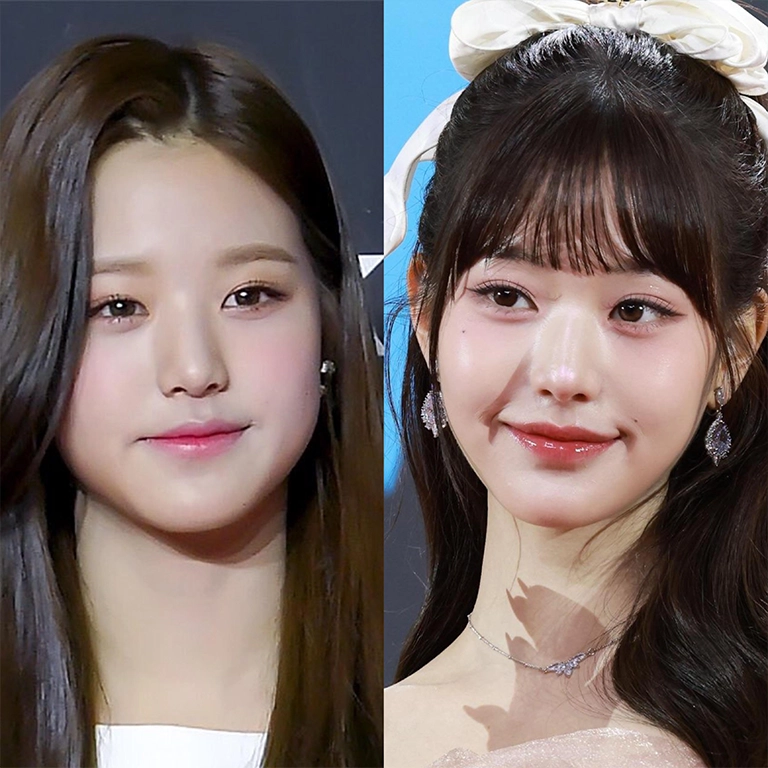
When a top 3rd-generation male idol recently appeared with subtly refined features, the internet didn't just notice—it erupted. This wasn't mere gossip; it was a cultural flashpoint. This analysis argues that the intense backlash is less about one star's choices and more about a fandom grappling with the irreversible passage of time, the rigid beauty standards that define the industry, and the complex power dynamics between idols, their agencies, and the public that claims to own their image.
In This Article
- Who is the idol at the center of the controversy, and why does this case feel different?
- What exactly are netizens calling "off-putting," and is it really about the surgery?
- How have K-Pop beauty standards evolved from 2nd Gen to 5th Gen, making older idols targets?
- Do agencies force procedures, or is this about an idol's personal agency in a short-lived career?
- What is the "Pre-Debut Face" obsession, and why is it psychologically powerful?
- How does this controversy connect to larger trends in idol longevity and artistic rebranding?
- FAQ: Idol Plastic Surgery, Netizen Culture, and Industry Pressure
Who is the idol at the center of the controversy, and why does this case feel different?
While K-Beats maintains a policy of not amplifying targeted negativity, the subject of this discourse is widely understood to be a member of a legendary 3rd-generation boy group known for both groundbreaking music and exceptionally strong, distinct visual identities. This isn't a rookie seeking to establish a look; this is an established superstar with a decade-plus career.
The "Legacy Visual" Factor
This idol's original face wasn't just accepted—it was celebrated as a core part of the group's brand. His features were considered unique, charismatic, and perfectly aligned with the group's conceptual identity. This deep association makes any change feel like an alteration to a beloved masterpiece, not just a personal update.
The Timing: A Career Crossroads
The speculation comes at a critical juncture: the group's military enlistment era is concluding, and members are navigating intense solo career building. Any visual change is hyper-scrutinized as a strategic rebranding move, a sign of personal crisis, or preparation for a new chapter, amplifying its perceived significance far beyond a simple cosmetic choice.
What exactly are netizens calling "off-putting," and is it really about the surgery?
The terminology is key. "Off-putting" is a subjective, emotional word, not a medical critique. It suggests a disruption of the familiar emotional connection fans feel when they look at an idol. The criticism often centers on a perceived loss of expressiveness or unique character, framed as a trade-off for a more standardized, "perfect" look.
The "Uncanny Valley" of K-Pop
Netizens aren't objecting to the idea of procedures—K-Pop's history with enhancements is an open secret. They're reacting when the result crosses into a perceived "uncanny valley," where the face seems smoothed, tightened, or altered just enough to feel less human, less relatable, and less dynamic. The complaint is often, "He can't emote as well," linking the visual directly to artistic performance.
Nostalgia Masked as Aesthetics
Beneath the surgical critique often lies a potent wave of nostalgia. The "before" face is tied to specific eras, iconic stages, and personal memories for fans. The "after" face represents the present, a reminder that time has passed, their idol is aging, and the golden era of their fandom is receding. The critique becomes a vehicle for mourning that passage.
How have K-Pop beauty standards evolved from 2nd Gen to 5th Gen, making older idols targets?
The ideal K-Pop visual is not static. It evolves with technology, trends, and generational shifts in consumer taste. What was considered peak visual in 2015 can look "dated" or "harsh" through a 2026 lens, particularly with the rise of hyper-optimized digital content.

The Filter & V-Tuber Influence
Fifth-generation idols are debuting in an ecosystem defined by TikTok filters and virtual avatars. The beauty standard has shifted towards flawless, poreless, and almost digitally-native smoothness. This creates an unfair comparison point for 3rd-gen idols, whose faces were built for HD broadcasts, not 4K vertical streams with beauty filters applied in real-time.
Generation Beauty Ideal Media Context Pressure Point for Older Idols 2nd Gen (Late 2000s) Distinct, charismatic features; stronger jawlines; "imperfect" charm. Standard TV broadcast, early YouTube. Features may now be seen as "too strong" or "unrefined." 3rd Gen (Mid 2010s) The "flower boy"/sharp visual blend; v-line jaws; defined but elegant. High-definition TV, rise of fancams. The original standard-bearers, now being compared to their younger selves and new gens. 4th/5th Gen (2020s+) Ultra-symmetry, minimalist "clean" looks, fox eyes, extreme smoothness. 4K/8K content, omnipresent live filters, virtual concerts. Sets a new, digitally-optimized benchmark that is difficult to age into naturally.The "Aging Out" Narrative
There's an unspoken, brutal timeline in K-Pop. Idols in their late 20s and 30s face immense pressure to look not just good, but ageless. When an idol chooses a procedure perceived as trying to reclaim youth, it can ironically highlight the very aging process it seeks to combat, triggering a netizen narrative of "desperation" instead of "maintenance."
Do agencies force procedures, or is this about an idol's personal agency in a short-lived career?
This is the industry's eternal gray area. While outright coercion is likely rare, the environment creates powerful incentives that make the line between suggestion, strong encouragement, and personal choice blurry.
The System of "Strong Recommendations"
Insiders often describe a process of "visual counseling." An idol might be consistently shown edited images of themselves, have certain features gently critiqued in evaluations, or be presented with a path of "improvement" that aligns with the company's brand vision. For a young trainee or an idol fearing irrelevance, saying "no" requires immense fortitude.
Personal Agency vs. Career Preservation
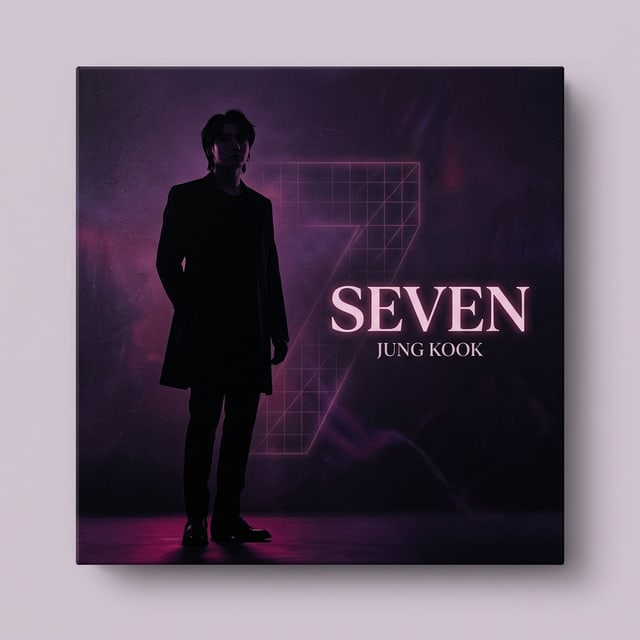
For a veteran idol, the calculation changes. This could very well be a personal decision driven by his own mirror, his own insecurities under the spotlight, or a strategic desire to remain competitive in the solo market. As we analyzed in Jungkook's "Seven" Hits 600M Views, solo success requires a distinct, marketable identity. An idol may see visual refinement as part of that new brand architecture.
What is the "Pre-Debut Face" obsession, and why is it psychologically powerful?
The "pre-debut face" is a mythical artifact in K-Pop fandom. Blurry trainee photos and old school videos are treated as a "true" self, untouched by the corrupting influence of the industry. This obsession is a form of puritanical fantasy.
The Myth of Authenticity
Fans cling to the pre-debut image as a symbol of authentic, "pure" talent—the idol before he became a product. Any alteration post-debut is framed as a corruption of that authenticity. This ignores the fact that pre-debut visuals are often still the result of rigorous dieting, skincare, and minor enhancements even at that stage.
Ownership and Betrayal
When fans invest years of emotion and money, they can develop a subconscious sense of ownership over an idol's image. A significant change, without "consultation," can feel like a betrayal of the shared history. It's a painful reminder that the idol ultimately controls his own body, not the fandom. This dynamic echoes the intense factionalism seen in moments like KATSEYE's Coachella sound check debate, where fan expectations clash with artistic direction.
How does this controversy connect to larger trends in idol longevity and artistic rebranding?
This incident is a microcosm of the central challenge for 3rd-generation idols: how to evolve and stay relevant while honoring the legacy that made them stars. The visual is the most immediate, and therefore most volatile, aspect of that evolution.
The Soloist Rebrand Imperative
Leaving the group unit often requires a visual pivot to signal a new artistic direction. A more mature, sleek, or intense look can demarcate the solo persona from the group identity. The backlash occurs when the new look is perceived as diminishing the idol's unique traits rather than enhancing them for a new context.
Longevity Beyond the Stage
Idols now plan for decades-long careers in acting, variety, and entertainment. The marketability of an actor's face has different requirements than an idol's. Procedures might be undertaken with a long-term second career in mind, a rationale lost on fans who only view the idol through the music performance lens. The sustained, strategic solo success of artists like Irene shows how a carefully managed evolution is critical.
Power Shifts and Defiance
Finally, a senior idol with enough clout might make a change precisely because he can—as an act of personal autonomy. In an industry that controls so much, controlling one's own face can be the ultimate statement of power, even if the public interprets it as weakness. This aligns with the narrative of artistic control seen in groups like (G)I-DLE's final ascent, where self-determination defines their legacy.
FAQ: Idol Plastic Surgery, Netizen Culture, and Industry Pressure
Q: Is plastic surgery really that common in K-Pop?
A: Cosmetic procedures, ranging from non-invasive treatments like fillers and Botox to surgical interventions, are an open part of the industry's ecosystem for many idols, both male and female. It's often viewed as part of the "maintenance" required for the job, similar to extreme dieting and vocal training.
Q: Why do netizens feel so entitled to comment on an idol's appearance?
A: The fan-idol economy is built on a parasocial relationship where fan support (financial and emotional) is exchanged for idol access and performance. This leads some fans to believe they have a stake in the idol's decisions, including visual ones. It's an unhealthy byproduct of the industry's business model.
Q: Could this controversy actually be a coordinated hate campaign?
A: While genuine fan concern exists, any viral issue in K-Pop can be weaponized. Rival fandoms or malicious actors often amplify such discussions to trend negative keywords and damage an idol's reputation. It's crucial to discern between organic discussion and manufactured outrage.
Q: How should fans process these changes in a healthy way?
A: Focus on the artistry. An idol's primary contract is to deliver music and performance. While the visual is part of the package, anchoring your support in appreciation for their talent, rather than a static image of their face, is healthier for both fan and idol. Explore their work through our Charts page to reconnect with their musical output.
Q: Are newer generations of idols changing this paradigm?
A: There are signs of shift. Some 4th and 5th gen companies emphasize "natural" visuals and ban certain procedures pre-debut for contractual reasons. However, the underlying pressure to maintain a flawless image remains immense, even if the standards have evolved. The rise of raw, behind-the-scenes content may foster slightly more acceptance of natural variation.
The firestorm over this one idol's face is not an isolated event. It is a symptom of K-Pop's growing pains as its first truly global generation enters maturity. It reflects fan anxiety over change, industry pressure to defy time, and the painful, beautiful humanity of idols who are negotiating their identities in the world's most scrutinized arena.
The conversation shouldn't end at "he looked better before." It should probe why we think that, what we demand of the people who entertain us, and how the industry can support sustainable careers that don't hinge on the impossible goal of eternal, unchanging youth. For more nuanced analysis on the artists shaping this complex industry, follow our ongoing coverage on our News page and explore the profiles of influential figures on our Artists page.