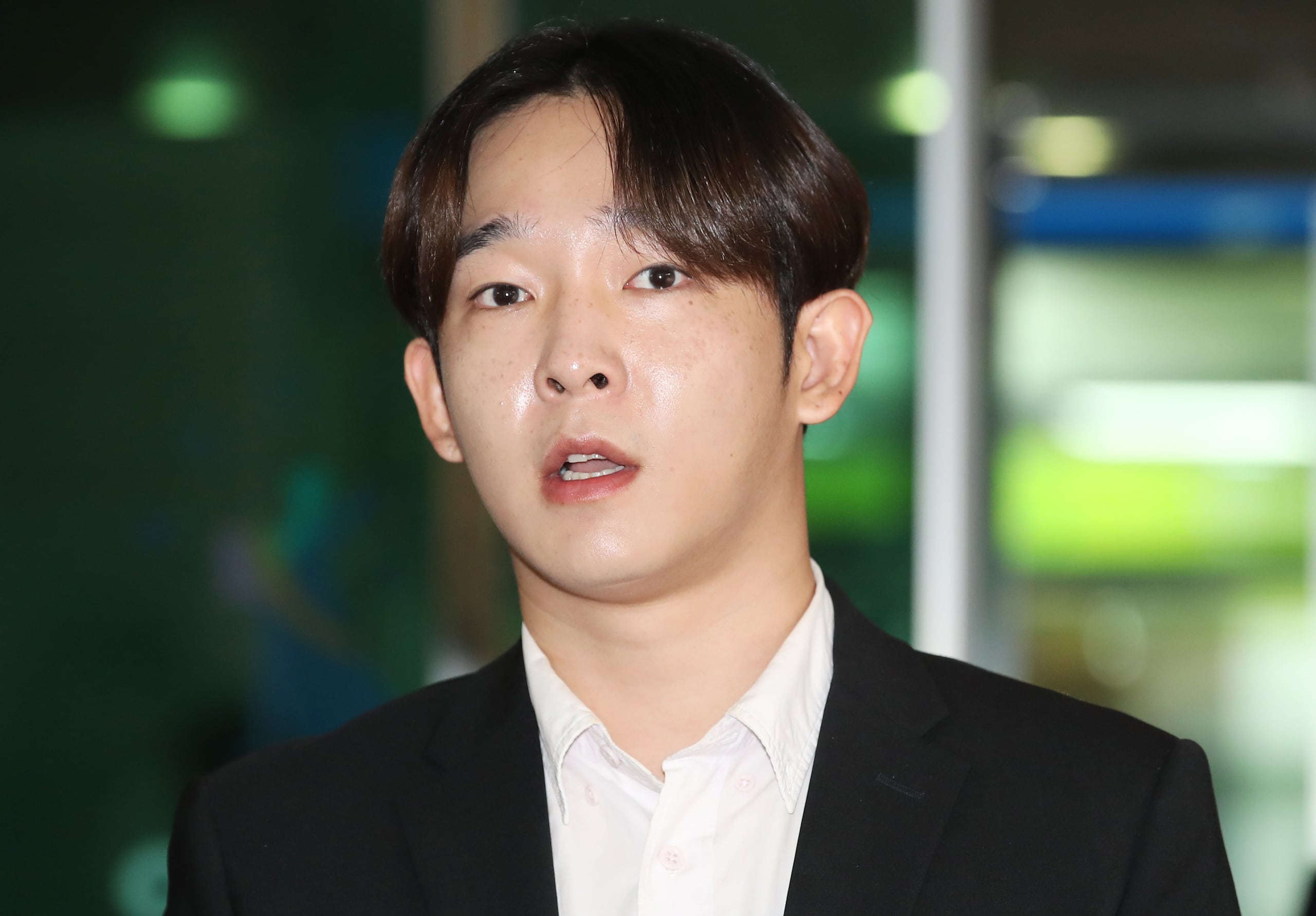

Former WINNER member Nam Tae Hyun has been sentenced to one year in prison by the Seoul Western District Court for drunk driving, marking a severe legal and career watershed. This first-trial verdict, stemming from a December 2023 incident where he crashed into a guardrail and fled, reflects the judiciary's hardened stance on celebrity DUI. The sentence delivers a stark message about accountability, shattering any illusion of leniency for idols and signaling a profound shift in how the industry's transgressions are judged.
- The Verdict & Charges: What Exactly Did the Court Decide?
- From YG Shining Star to Legal Pariah: How Did We Get Here?
- A New Zero-Tolerance Era? Comparing Idol DUI Sentences & Agency Protocols
- Broken Trust: How Fan Culture is Forced to Reckon With "Cancellation" vs. "Support"
- Beyond the Headline: The Legal Trends Reshaping Celebrity Justice in Korea
- Nam Tae Hyun Case: Your Questions Answered
The Verdict & Charges: What Exactly Did the Court Decide?
The Seoul Western District Court's Criminal Division 11 handed down a decisive ruling. Nam Tae Hyun received a one-year prison term for charges related to drunk driving and a hit-and-run. This was not a suspended sentence, which is often pursued in first-offense cases, but an immediate custodial sentence.
The Core Offense: A Dangerous Sequence of Events
The incident occurred in the early hours of December 2023. Nam Tae Hyun was driving under the influence when his vehicle collided with a guardrail in Seoul's Mapo District. The critical aggravating factor was his decision to leave the scene without reporting the accident. This transforms a DUI charge into the more serious offense of a hit-and-run, which significantly influenced the court's harsh sentencing.
The Court's Rationale: Why Prison, Not Probation?
In their statement, the judges emphasized the high level of alcohol in his system and the "serious danger" posed to public safety. They noted the potential for catastrophic injury, despite no other vehicle being involved. The court explicitly rejected leniency, stating that the gravity of the offense and the need for general deterrence—sending a message to the public—outweighed any factors in his favor. This aligns with a broader, visible tightening of DUI penalties in South Korean law.
What Happens Next: Appeals and Incarceration
This was a first-trial verdict. Nam Tae Hyun and his legal team have the right to appeal, which could potentially see the sentence reduced or changed to a suspension in a higher court. However, the firm stance of the lower court sets a challenging precedent. Until an appeal is filed and processed, the sentence stands, fundamentally altering his immediate future and any lingering career plans.
From YG Shining Star to Legal Pariah: How Did We Get Here?
Nam Tae Hyun's journey is a classic K-Pop arc of meteoric rise and precipitous fall. His story is not just about one night's mistake, but a series of pivots that distance him from his institutional roots.
The WINNER Pedigree and YG's Shadow
Debuting in 2014 as a vocalist and keyboardist of WINNER under YG Entertainment, Nam Tae Hyun was part of a group that instantly achieved monster success with "Empty" and "Color Ring." The YG brand at that time symbolized elite, artistically credible hip-hop and pop. However, he departed the group in 2016, citing mental health struggles, a move that initially garnered fan sympathy but began his path as an independent actor outside the big agency system.
The South Club Experiment and Independent Path
He later formed the band South Club, aiming for a grittier, rock-inspired sound. This chapter was defined by a deliberate move away from the idol system, targeting a different audience. While building a niche fanbase, the insulating structure of a major agency was absent. This lack of a robust management framework, some industry watchers suggest, can leave artists more vulnerable to personal missteps without immediate intervention.
A Pattern of Controversy: When Incidents Become a Narrative
This DUI incident is not his first public controversy. Past issues, including livestream behavior that raised concerns, had already begun to shape a public narrative of instability. The legal system, as seen in this verdict, may view such a pattern as evidence of poor judgment, reducing the likelihood of leniency often granted to those with spotless records. It underscores a key theme: the court of public opinion and the court of law are increasingly in sync.
A New Zero-Tolerance Era? Comparing Idol DUI Sentences & Agency Protocols
Nam Tae Hyun's sentence feels like a tipping point. To understand why, we must compare it to past idol DUI cases and examine how agency policies have evolved from quiet management to public excommunication.
Artist (Group) Year of Incident Initial Sentence / Outcome Agency & Public Response Career Impact Nam Tae Hyun (ex-WINNER) 2023 1 year in prison (First Trial) No major agency representation; verdict is public record. Career effectively halted; future dependent on appeal. Kang Daniel (Wanna One) 2024 Fine of 20 million KRW (~$14,500 USD); license suspended. Konnect Entertainment issued immediate, severe public apology; internal sanctions. Temporary hiatus from activities; gradual return with continued public scrutiny. Mino (WINNER) 2021 Fine of 20 million KRW; license revoked. YG Entertainment issued apology; activity suspension. Returned after hiatus; case remains a part of public record. Junggigo (Soloist) 2022 2-year prison term, suspended for 3 years. Legal process dominated; significant public backlash. Career severely damaged, struggling to regain footing.The Agency Playbook: From "Reflection" to Rapid Severance
Modern agency responses are now protocol-driven and swift. The old model of a vague "period of reflection" is obsolete. Today's standard, as seen with Kang Daniel's agency, involves an immediate public apology, acceptance of all legal consequences, announcement of internal penalties (donations, suspension), and a clear, temporary removal of the artist from the spotlight. This is a crisis PR strategy designed to limit brand damage.
The Independent Artist Vulnerability
Nam Tae Hyun's case highlights the unique peril for artists operating without a major agency. There is no corporate buffer, no coordinated PR response, and often less leverage in the public and legal spheres. The consequence is that the legal outcome speaks for itself, loudly and undiluted, as seen in this stark one-year sentence. For more on how idols are navigating power outside traditional systems, read our analysis on The Self-Funded Revolution: How THE BOYZ Are Risking Everything.
Broken Trust: How Fan Culture is Forced to Reckon With "Cancellation" vs. "Support"
For fans, especially those who supported him since WINNER, this sentence forces a painful moral and emotional calculus. The era of unconditional support is being tested by serious legal and ethical breaches.
The Devotion Debt: When Fandom Investment Feels Betrayed
Fans invest emotionally, financially, and temporally. A DUI, particularly with a hit-and-run, is seen not just as a mistake, but as a reckless disregard for the lives of others and the trust fans placed in the artist's character. This creates a profound sense of betrayal that goes beyond typical scandals. Comment sections and fan forums are now battlegrounds between those advocating for "human forgiveness" and those declaring the trust irrevocably broken.
Legal Consequences as a Fandom Boundary
A civil dispute or a dating scandal is one thing; a criminal conviction is another. For many fans, a prison sentence crosses a bright red line. It moves the issue out of the realm of "entertainment gossip" and into the concrete world of societal rules and justice. Supporting an artist in prison becomes a much heavier moral load than supporting one in a company basement "reflecting."
The New Fan Accountability
Modern fan unions and large project-making accounts are now more likely to issue statements condemning an idol's illegal actions, prioritizing community safety and ethics over blind defense. This represents a maturation of fan culture that mirrors the judiciary's harder line. It shows that the audience itself is developing a zero-tolerance policy, which in turn pressures agencies to act decisively. Explore how fan sentiment drives industry change in our coverage of Beyond The Mugshot: AI Ethics & Fan Backlash.
Beyond the Headline: The Legal Trends Reshaping Celebrity Justice in Korea
This case is a data point in a larger trend. South Korea's legal and social landscape for celebrity misconduct is undergoing a fundamental transformation, with less patience and higher stakes.
Deterrence Over Mercy: The Sentencing Shift
Judges are increasingly using celebrity sentences as a tool for general deterrence. The message is clear: fame and influence will not buy leniency for acts that endanger public safety. The Nam Tae Hyun sentence, especially the denial of a suspension, is a textbook example of this principle in action. It tells every public figure that the consequences will be tangible and severe.
The End of the "Suspended Sentence" Safety Net
Historically, a suspended sentence was a common outcome for first-time DUI offenders without injury. This allowed a career to continue, albeit with a stain. That safety net is visibly fraying. The prosecution is seeking, and courts are granting, actual imprisonment more frequently, changing the career-risk calculus for every idol and celebrity.
Broader Industry Implications: Insurance, Contracts, and "Morality Clauses"
This legal hardening has concrete business effects. Agency contracts now contain ironclad "morality clauses" that allow for immediate termination without recourse. Insurance premiums for idol schedules may rise based on risk assessments of individual members. Brand deals have always been fragile, but now the severance is instant and total. An artist with a criminal record becomes virtually uninsurable for major commercial work.
Nam Tae Hyun Case: Your Questions Answered
Q: Can Nam Tae Hyun appeal the sentence?
A: Yes. This is a first-trial verdict. He has the right to appeal to a higher court, which could uphold, reduce, or even suspend the sentence. The appeal process will determine his final legal fate.
Q: How does this affect other members of WINNER or his former associates?
A: While legally separate, the association inevitably brings unwanted attention and media queries to former group members and YG Entertainment. They are forced into a position of having to diplomatically distance themselves while navigating fan sentiments that connect them to his past.
Q: Will he be removed from WINNER's old music and content?
A: That is a complex copyright and archival decision for YG Entertainment. Complete erasure is logistically difficult and historically contentious. More likely, he will simply not be promoted or highlighted in any future content or re-releases, a form of passive deletion.
Q: Is a career comeback possible after serving a prison sentence?
A: The Korean entertainment industry has historically been unforgiving of criminal records. While not impossible, the path is extraordinarily difficult. It would require a profound public rehabilitation, likely outside the mainstream idol sphere, perhaps in independent music or behind-the-scenes work. The court of public opinion rarely overturns its verdict.
Q: Why was the sentence so much harsher than Kang Daniel's recent DUI fine?
A> Two key factors: Hit-and-run (leaving the scene) is a major aggravating offense that Kang Daniel's case did not involve. Secondly, the blood alcohol level and specific circumstances (crashing into a guardrail) presented to the judge were severe enough to warrant imprisonment in their view.
Q: Where can I follow legitimate updates on this and similar cases?
A> For verified legal developments and responsible industry analysis, always rely on established news outlets and avoid unverified social media rumors. You can track major industry news through our dedicated K-Pop News Desk.
Conclusion: A Watershed Moment for Accountability
Nam Tae Hyun's one-year prison sentence is more than a personal tragedy; it is a benchmark. It signals the closure of an era where celebrity status could reliably soften legal consequences for grave misconduct. The judiciary, the public, and fan culture itself are now aligned in demanding a higher standard of accountability.
For the industry, it's a stark risk management lesson. For current idols, it's a warning that their privilege is contingent on their conduct. For fans, it's a challenging new landscape where support must be reconciled with personal ethics. This case will be cited in future legal arguments and crisis management meetings for years to come. The message is unequivocal: in today's K-Pop, driving under the influence doesn't just risk your career—it risks your freedom.
What's Next? The focus now shifts to the appeals court. Meanwhile, the industry will continue to adapt its safeguards. To understand how agencies are managing careers amidst other types of crises, delve into our exclusive report on Mark's NCT Exit Decoded. For a broader view of the artist landscape, explore profiles on our comprehensive Artists page.