

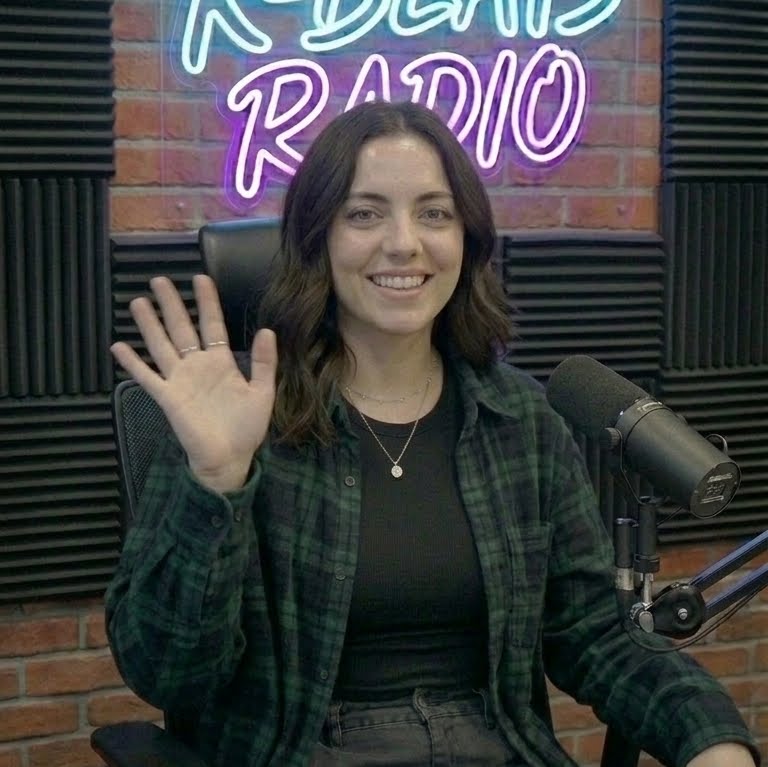
The image of an idol at a fan signing event is one of K-Pop's most enduring and carefully curated visuals: beaming smiles, grateful eye contact, and brief, warm exchanges that reinforce the sacred bond between artist and supporter. It's a ritual of appreciation, a transactional yet emotionally charged moment where the fantasy of proximity becomes briefly real. But what happens when that script is flipped, when the exchange leaves the idol not glowing but visibly diminished? This week, the global K-Pop community was forced to confront that unsettling question after LE SSERAFIM - PUREFLOW pt.1: What Just Landed" rel="internal">LE SSERAFIM, HYBE's quintet celebrated for their empowered "Fearless" concept, found themselves at the center of a storm following a fan signing event where members were allegedly made to feel profoundly uncomfortable by specific fan behavior.
The incident, first flagged by observant fans on social media before being amplified by media outlets, has transcended typical fan gossip to spark a furious and necessary debate. It touches on the very foundations of idol-fan dynamics, the often-invisible pressures of "fan service," and the ethical responsibilities of both agencies and audiences. This isn't just about a single awkward moment; it's a symptom of a deeper tension in an industry built on accessibility and parasocial intimacy. As one fan succinctly put it on a forum thread dissecting the event, "We claim to love them, but do we know how to respect them?"
A Meteoric Ascent Forged in "Fearlessness"
To understand the weight of this moment, one must first appreciate the unique position LE SSERAFIM holds. Debuting in 2022 under Source Music (a HYBE label), they were not just another girl group. Their formation followed high-profile pre-debut narratives, including the inclusion of former IZ*ONE members Kim Chaewon and Sakura, and ex-BALLISTIK BOYZ trainee Kazuha. Their concept was boldly declarative from the start: FEARLESS. This wasn't merely a title track; it was a manifesto. Through songs like "ANTIFRAGILE" and "Unforgiven," they crafted a narrative of resilience, self-assurance, and unapologetic strength, pushing back against criticism and embracing their flaws.
This carefully constructed image of empowerment resonates deeply with their fanbase, FEARNOT. The fandom sees in the members a reflection of aspirational confidence. However, this very "fearless" persona can create a dangerous double-bind, a topic we've explored before in relation to the "necessary performance" of idolhood. When an idol's brand is built on being unshakable, the expectation to perpetually perform that strength, even in patently uncomfortable private moments, can be immense. The pressure to always be "on," to gratify fan expectations born from their own music videos and lyrics, is a relentless aspect of the job that few outsiders fully comprehend.
Their success is undeniable. They have consistently topped our Charts page, with "UNFORGIVEN" achieving perfect all-kills and their recent Coachella performance marking a historic moment for K-Pop girl groups. This blend of critical acclaim, commercial power, and global recognition places them at the pinnacle of the industry—a position that makes any incident questioning their autonomy and comfort all the more jarring.
Anatomy of an "Uncomfortable" Moment
The specific event in question was a scheduled fan signing. While official statements from Source Music have been characteristically guarded, focusing on "grateful fan interactions," the story has been pieced together through multiple fan accounts and viral video clips. The issue did not stem from the majority of attendees, but from the actions of a select few individuals whose behavior allegedly crossed from enthusiastic support into intrusive discomfort.
Reports consistently highlight several troubling patterns. The most discussed involved fans making specific, persistent requests that ignored the members' stated boundaries or obvious physical cues. This included demanding atypical poses for photos that members hesitated to perform, prolonging interactions well past staff-indicated time limits in a pressuring manner, and making comments that were reported as overly personal or objectifying rather than supportive. In one widely circulated account, a member was allegedly asked repeatedly to engage in a bit of fan service that referenced a previous, slightly embarrassing moment, despite her attempts to politely deflect.

"You could see the moment the smile switched from genuine to defensive. Her eyes shifted, her posture closed off. It was no longer an interaction; it was an imposition," wrote one fan who claimed to have witnessed the exchange from further back in line.
The critical factor here is the power dynamic. A fan signing, while framed as a meet-and-greet, is a structured commercial transaction. The idol is obligated to be present and engaged. Certain fans, whether intentionally or not, can leverage this implicit obligation to make requests an idol may not feel able to refuse without seeming rude or ungrateful—directly contradicting their own "fearless" image. This creates a no-win scenario: endure the discomfort or risk a "diva" scandal. As explored in our analysis of a recent male idol's "unfiltered" video, any deviation from consummate professionalism, even in response to provocation, is often harshly penalized by the court of public opinion.
The Agency's Role: Protocol and Protection
This incident has placed a glaring spotlight on the role of the agency and event staff. Fan signs are tightly choreographed, with managers and security personnel present precisely to monitor interactions and enforce rules. The furious reaction from the wider fandom includes significant criticism directed at Source Music and HYBE for what is perceived as a failure in duty of care. Questions are being asked: Were staff adequately trained to identify and intervene in real-time when an idol became visibly uncomfortable? Were the rules of engagement clearly communicated and, more importantly, enforced?
Many industry insiders note that staff often hesitate to interrupt, fearing they might upset a paying fan or create a scene that could be misconstrued. This prioritization of "smooth operation" over artist well-being is a systemic issue. "The staff's job is to be the barrier the idol cannot be," commented a former event coordinator for a major agency in an anonymous interview. "They must have the authority and the mandate to step in and say, 'This interaction is over,' without hesitation. That protection is non-negotiable." The absence of such decisive action in this case is what many FEARNOTs find most galling.
A Fandom Divided: Fury, Reflection, and Defensiveness
The reaction from the LE SSERAFIM - PUREFLOW pt.1: What Just Landed" rel="internal">LE SSERAFIM fan ecosystem has been volcanic, complex, and illuminating. The majority of FEARNOTs have reacted with protective fury. Social media platforms, particularly Twitter and specialized fan forums, have been flooded with threads detailing "fan etiquette," condemning the alleged perpetrators, and demanding stronger action from Source Music. Hashtags advocating for idol safety have trended globally. This contingent is fiercely defending the members' right to basic respect, arguing that buying an album does not purchase ownership of an idol's personhood.
"We are fans, not owners. Our love should be a shelter, not a cage," read a viral tweet that has been liked over 200,000 times.
However, a smaller, more defensive faction has emerged, embodying the perennial "sasaeng-adjacent" mindset that plagues all large fandoms. Some argue that fan signs are inherently for fan gratification, that idols are "paid to be nice," and that labeling certain behavior as inappropriate is simply "snowflake" culture infecting K-Pop. This viewpoint fundamentally commodifies the idol, reducing them to a service provider whose discomfort is an irrelevant byproduct of the job. This rift highlights the ongoing battle within fan cultures themselves between supportive admiration and possessive entitlement.
Notably, international and Korean fan reactions have shown subtle differences in focus. While both are angry, international forums have leaned harder into discourses of consent and emotional labor, framing the issue through a modern socio-cultural lens. Korean community responses, while equally passionate, often contextualize it within longstanding debates about "맞팬" (mutual fan/true fan) culture versus "일팬" (public fan/event fan) behavior, and the specific expectations of "팬서비스" (fan service). For a deeper look at how fan speculation and entitlement can manifest, the recent incident involving invasion of privacy over a cafe signature shows a parallel dynamic of overreach.
Industry-Wide Reckoning: More Than a One-Off Scandal
The LE SSERAFIM - PUREFLOW pt.1: What Just Landed" rel="internal">LE SSERAFIM incident is not isolated. It is a high-profile flare-up of a chronic condition within the K-Pop industry. Every few months, a similar story emerges: an idol flinching from an overreaching fan at the airport, a teary-eyed moment at a concert when overwhelmed by screaming, a viral clip of a manager forcefully blocking a camera. Each event prompts a transient wave of outrage before the cycle continues. But the stature of LE SSERAFIM and the clarity of the "fearless" versus "uncomfortable" dichotomy may make this a potential inflection point.
The core issue is the commercial and cultural structure of parasocial relationships. The entire industry is engineered to foster a sense of intimate, one-sided connection. From reality shows and bubble messages to fan calls and signed albums, the channels for "interaction" have multiplied. But the safeguards have not evolved at the same pace. The system encourages fans to invest financially and emotionally with the promise of reciprocal recognition, however fleeting. This naturally breeds a minority who believe their investment grants them special rights or access, blurring the lines of appropriate conduct.
Furthermore, agencies operate in a precarious balance. They must sell this fantasy of accessibility to drive album sales (often tied to fan call opportunities) and engagement metrics, while also being the ultimate guardians of their artists' physical and mental health. It is a conflict of interest often resolved in favor of commerce. There is also a fear, perhaps, that implementing stricter, more militarized boundaries at events could be portrayed as idols being "cold" or "ungrateful," damaging the very brand they've built. This mirrors larger industry narratives, such as those discussed in our piece on narratives of favoritism and pressure at the highest levels.
The Precedent Question: What Changes?
Could this force tangible change? Possible outcomes include:
- Stricter Event Protocols: Agencies may be pressured to implement clearer, zero-tolerance rules announced beforehand (e.g., "Staff will end any interaction immediately at their discretion"), and empower security to act faster.
- Revised Fan Training: Some fans have suggested mandatory short "etiquette videos" or guidelines sent with fan call confirmations, formally setting expectations.
- A Shift in Fan Culture Discourse: The strongest hope is that this reinforces a cultural shift within fandom, where calling out inappropriate behavior becomes normalized, and the idea of being a "good fan" is tied to respect, not just expenditure.
- Idol Agency: Will idols, especially senior ones, feel more empowered to politely but firmly set their own boundaries in real-time, knowing their core fandom will support them?
Looking Forward: The "Fearless" Path Ahead
For LE SSERAFIM, the path forward is delicate. The group is currently preparing for a anticipated comeback and a continued global touring schedule. Their management must now navigate reinforcing their artists' safety without undermining the confident, approachable image central to their brand. The most powerful statement they could make would be to quietly but firmly strengthen protective measures at future events, demonstrating through action that their artists' well-being is paramount.
The true test will be in whether this incident becomes a forgotten footnote or a catalyst. The most optimistic scenario is that it contributes to a slowly building critical mass within the industry—a recognition that the health of the artist is the health of the industry itself. Just as the conversation around mental health has opened up, so too must the conversation about physical and emotional safety in fan interactions.
In the end, the "Fearless" identity of LE SSERAFIM may find its most profound expression not just in their music, but in how this incident is handled. True fearlessness isn't the absence of discomfort; it's having the support system and agency to address it without penalty. The hope is that all stakeholders—agencies, fans, and the media—use this moment not for blame, but for building a framework where admiration doesn't have to come at the cost of an idol's fundamental comfort. The future of fan-idol relationships may depend on it. For more on artists navigating the pressures of performance and authenticity, explore our features on our Artists page.
As the industry evolves, the legacy of this moment will be measured by whether idols can finally feel truly fearless, not just on stage, but in every room their fame requires them to enter.