

The Echoes of a Quiet Room: A Performance Overshadowed
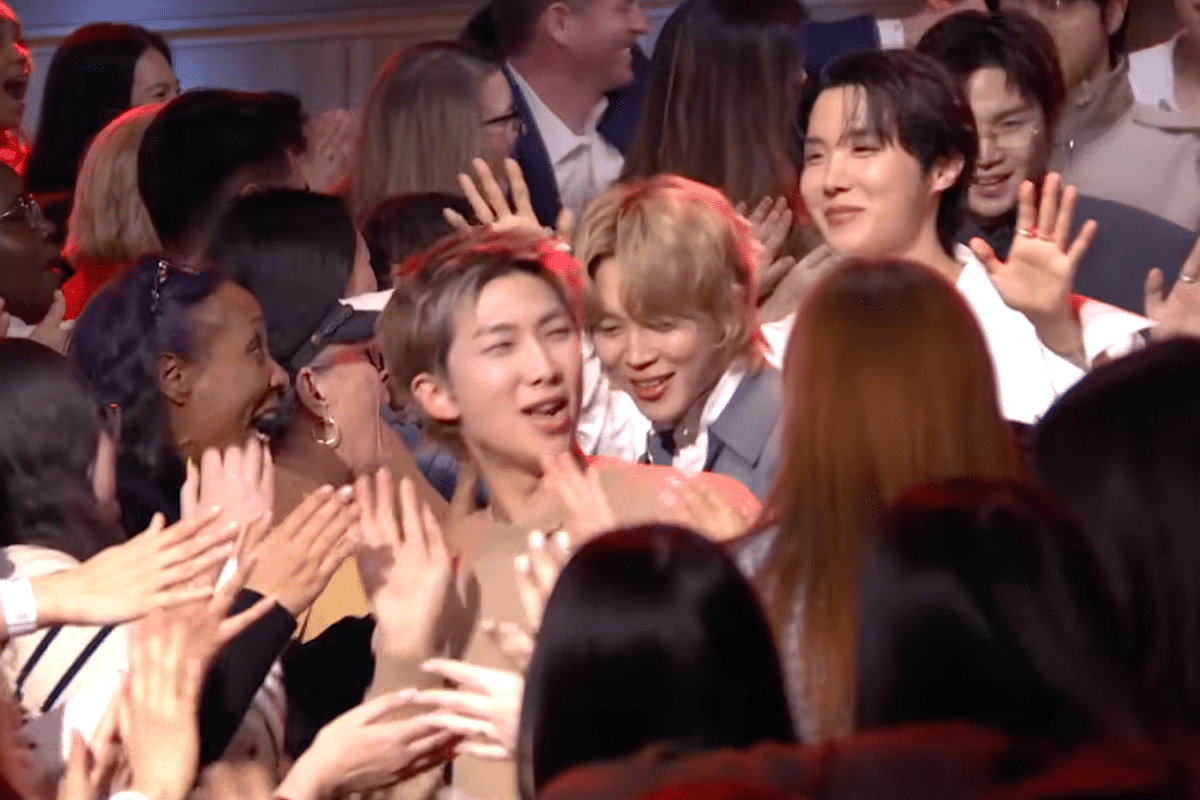
In the meticulously orchestrated world of late-night television, where applause is cued and reactions are often part of the stagecraft, silence can be the loudest statement of all. This was the unsettling reality that unfolded this week following BTS's highly anticipated, landmark performance on The Tonight Show Starring Jimmy Fallon. The segment, intended to be a celebratory capstone to a promotional run for their anthology album Proof, instead ignited a firestorm of criticism aimed not at the artists, but at their legendary fandom, ARMY. Broadcast footage from the in-studio performance showed a startlingly quiet, subdued audience reaction during key moments, a stark contrast to the deafening waves of support typically associated with the group. Almost instantly, the digital ecosystem of K-pop erupted. Headlines and social media threads accused ARMYs in attendance of poor etiquette, lack of enthusiasm, and even disrespect. But as the dust settles and more nuanced accounts emerge, a far more complex story is being told—one of perceived media manipulation, defensive fan psychology, and the intense pressure of representing a global phenomenon under the bright, unforgiving lights of mainstream American television.
From Basement to Peak: BTS and the Sacred ARMY Dynamic
To understand the magnitude of this controversy, one must first appreciate the foundational bedrock of BTS's unprecedented success: their symbiotic, fiercely protective relationship with ARMY. This is not a typical artist-fan dynamic. Forged in the group's early years when they communicated directly and vulnerably with fans through platforms like V Live, the bond is often described in familial or partnership terms. ARMYs famously mobilize for record-breaking achievements, such as securing the group's historic number-one debut on the UK's Official Albums Chart, a testament to their coordinated power. Conversely, BTS's lyrics, speeches, and entire "Love Yourself" campaign have consistently positioned ARMY as the source of their strength and purpose.
The Weight of the Spotlight
Every public appearance by BTS, especially on a stage as prestigious as Fallon—a show that has wholeheartedly embraced the group with themed weeks and playful games—is seen by ARMY as a critical battleground for perception. Fans feel a profound responsibility to present the best possible image: to be loud but not disruptive, passionate but not "crazy," to prove that the love for BTS is both immense and intelligent. This performance was particularly charged, serving as a poignant retrospective moment celebrating their journey, making the expectation for a powerful, visible fan presence even higher. The pressure on the few hundred fans who secured tickets to be perfect ambassadors was immense.
Dissecting the "Silence": Production, Perception, and Panic
The core of the incident lies in the broadcast version of the performance of "Yet to Come." Online clips circulated widely, juxtaposing the known decibel level of an ARMY-filled room with the muted sound from NBC's feed. Critics pounced, labeling the audience reaction as "dead" and "disappointing." However, within hours, a counter-narrative built from firsthand accounts from attendees began to dominate fan forums and social media.
The Attendees' Testimony
Dozens of fans present that day reported a very different experience. They describe a room electric with anticipation, erupting into screams when BTS appeared, and singing along throughout. So, what created the disconnect? The consensus among these attendees points squarely at television production techniques. They allege that audience microphones were deliberately turned down or off during the musical performance itself, a standard practice in live TV to ensure clean audio for the artists' vocals. Furthermore, some noted that the studio managers explicitly instructed the audience to remain quiet and seated during the actual taping of the song, a directive often given to maintain camera shots and audio quality but one rarely visible to the home viewer.
"We were screaming our hearts out, but we also wanted to follow the rules so we didn't get BTS in trouble. The second the cameras cut, the place exploded. But they only showed the quiet part," shared one attendee in a lengthy Twitter thread that garnered tens of thousands of likes.
This created the perfect storm: a fandom already hyper-aware of media narratives that paint them as "hysterical" or "too much" chose to comply with production requests, only to be portrayed as disinterested. The feeling of betrayal was palpable. The word "intentional," as highlighted in initial reports, became the rallying cry. Many ARMYs believe the audio mix was intentionally crafted to downplay their presence, perhaps to present BTS in a more "serious," mainstream light unencumbered by stereotypical fan frenzy—a theory that touches on long-standing frustrations about Western media's awkward framing of passionate, predominantly young female fanbases.
A Fandom Up in Arms: Defensive Mobilization and Nuanced Debate
The reaction from the broader ARMY community was swift and multifaceted. Initially, there was hurt and anger directed inward, toward the perceived "bad" fans in the audience. This quickly pivoted as firsthand testimonies spread. The outrage then turned outward, toward the production of The Tonight Show and the media outlets that ran with the critical narrative without seeking context.
The Core Argument: Respect and Representation
Prominent fan translators and community leaders penned threads analyzing the audio engineering, comparing it to previous late-night performances. The central argument became one of respect. "They used our silence as a weapon," one viral tweet stated. "They asked for it, then edited it to make us look bad." This incident has tapped into a deeper, ongoing conversation within the K-pop sphere about how fan culture is perceived and depicted. It echoes themes from our previous report on the intense scrutiny of idol behavior, but from the fan perspective. ARMYs feel they are constantly navigating a double bind: criticized for being too loud, then criticized for not being loud enough.

However, not all discourse was unified. A smaller, but vocal, segment of the fandom used the moment to critique "audience etiquette" broadly, sparking internal debates about the difference between supportive cheering and screaming that drowns out the performance. This meta-conversation reflects a fandom that is constantly self-regulating and evolving, conscious of its massive footprint on platforms like our own Charts page.
Industry Implications: The Delicate Dance of Fan Power
This incident is not an isolated one; it's a high-profile case study in the modern tension between artistic presentation, media production, and participatory fandom. From an industry perspective, it highlights several critical points.
The Illusion of Control
Production teams, especially in mainstream Western media, are used to controlling the audience environment. With a typical talk show audience, this is manageable. However, importing a fanbase as vast, organized, and emotionally invested as ARMY creates a variable that standard protocols cannot easily handle. The instinct to control the audio environment clashed directly with the fanbase's desire to be an audible part of the historic moment. This isn't just about BTS; as more K-pop acts ascend to global platforms, producers will need to develop new approaches. Perhaps they could explicitly incorporate fan reaction as a featured element, rather than a nuisance to be minimized—acknowledging it as the integral part of the K-pop experience that it is.
Narrative Ownership
The controversy also underscores the battle for narrative ownership. Media outlets often frame stories about fan reactions for maximum engagement (positive or negative). Meanwhile, fandoms now possess the collective power to instantly challenge those narratives with grassroots reporting and evidence, as seen here. This forces a new level of accountability. The rapidity with which the "intentional" theory spread also shows the deep-seated mistrust that can exist between large fandoms and traditional media, a sentiment that likely influences general K-pop news consumption patterns.
Furthermore, it relates to the industry's ongoing struggle with inter-fandom respect and mentorship, a topic we explored when TXT's Taehyun praised Red Velvet's Wendy. Just as artists learn from seniors, fandoms often look to ARMY's strategies and controversies as a roadmap, for better or worse. How ARMY navigates this conflict will set a precedent.
Looking Forward: Healing, Learning, and the Unbreakable Thread
So, where do we go from here? The immediate fallout will likely involve quieter behind-the-scenes conversations between label representatives, show producers, and perhaps even fan liaison channels about expectations for future appearances. For BTS and ARMY, this episode, while painful, will likely strengthen their "us against the world" solidarity. The group has a long history of acknowledging and validating ARMY's feelings, and they may well address the situation indirectly in a future live broadcast, offering the reassurance the fandom seeks.
A New Paradigm for Performance Broadcasts?
Long-term, this could be a catalyst for change. Imagine a world where a performance like this is broadcast with a dedicated "fan mix" audio option, or where the director cuts deliberately to passionate audience reactions, treating them as part of the spectacle, much like a stadium concert film. The explosive success of projects like Rosé's "APT." collaboration, which shattered YouTube records, proves the market power of content that celebrates artist-fan connection. Television may need to catch up.
Ultimately, the "silence" on Fallon was an illusion, a technical artifact magnified by preconceived notions and a fandom's protective instincts. The real sound, as always, is the relentless, global chorus of support that continues to propel BTS forward. This incident serves as a stark reminder that in the digital age, the story behind the broadcast is as important as the broadcast itself, and that the most powerful fanbase in the world will always fight to ensure their voice—and their love—is heard, not silenced. As BTS continues to chart uncharted waters, their journey remains inextricably linked with the millions who sail with them, a truth no audio mix can ever fade. For more on the artists shaping this industry, explore our comprehensive Artists page.