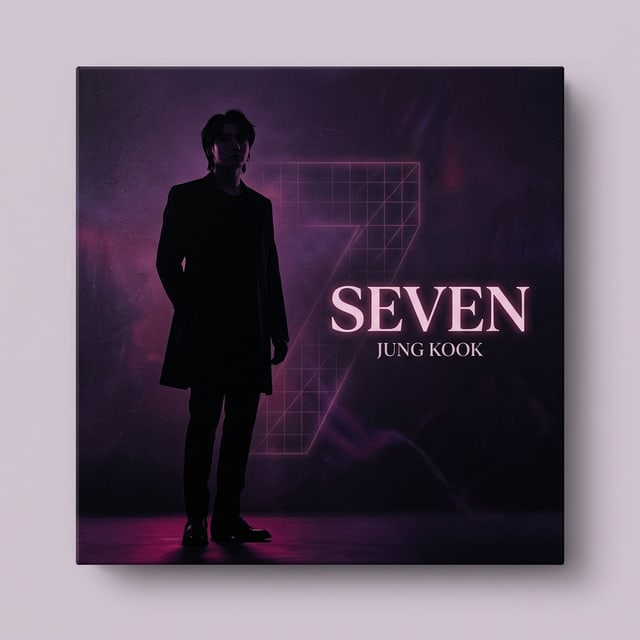
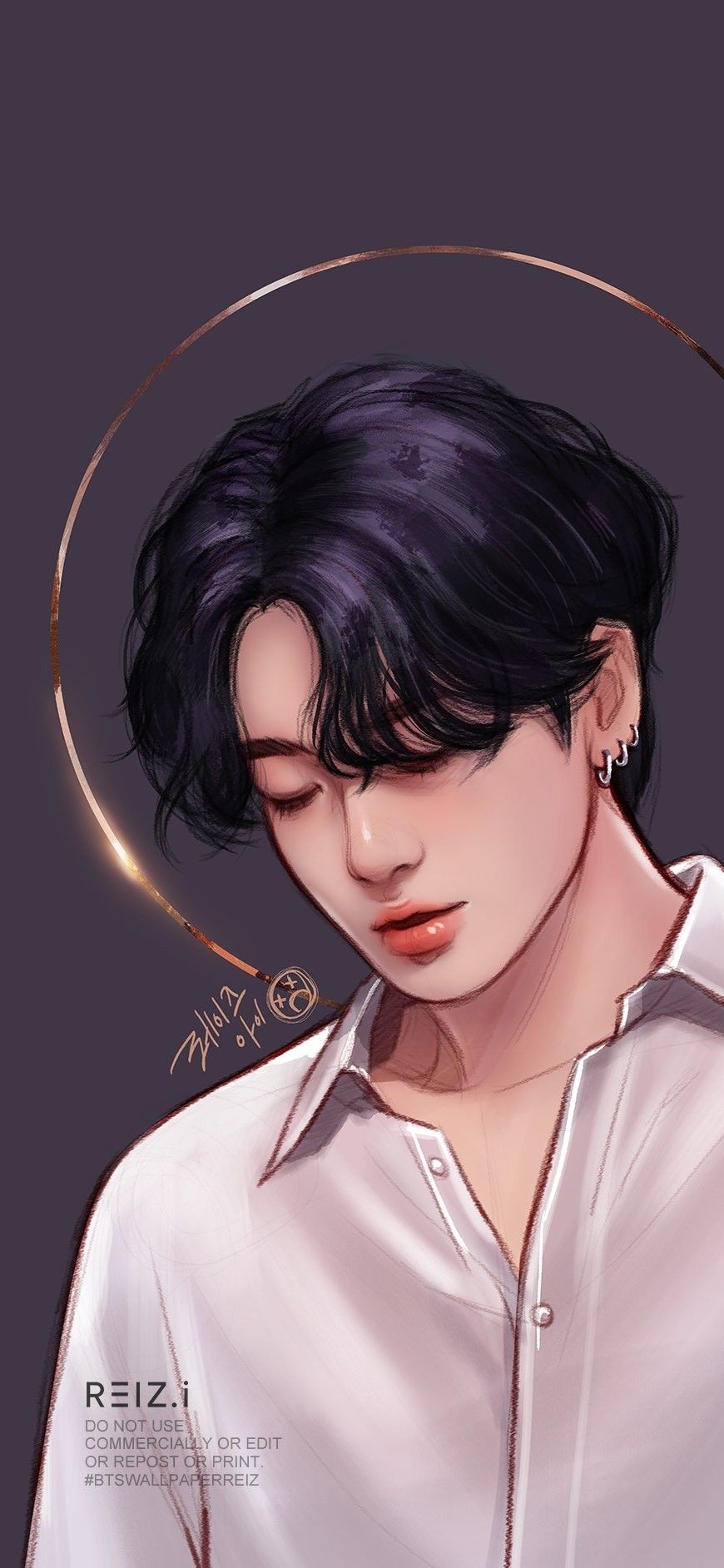
The recent, viral episode of a fan artist meticulously avoiding BTS's Jungkook online, only for the idol to effortlessly discover their work, is more than a charming anecdote. It is a masterclass in the new reality of always-on, algorithm-driven fandom. This analysis reveals how HYBE's strategic data integration, an idol's authentic digital behavior, and the porous nature of online spaces have collapsed the traditional distance between star and supporter, creating a paradigm where meaningful discovery is inevitable.
- The Great Hideout: Why Do Elite Fan Artists Go "Undercover"?
- Jungkook's "Golden Maknae" Radar: Instinct, Algorithm, or Both?
- Beyond Serendipity: Is This HYBE's Data-Driven Fandom Playbook in Action?
- The New Rules of Engagement: What This Means for Idols and Fans
- Broader Industry Impact: Will Every Company Chase This Connection?
- Frequently Asked Questions (FAQ)
The Great Hideout: Why Do Elite Fan Artists Go "Undercover"?
To understand the significance of Jungkook's find, we must first understand the "hide." Elite fan artists often operate in a paradox: they create breathtaking, public tributes to global stars while actively avoiding direct acknowledgment from those very idols.
The Pressure of the "Notice"
Being noticed by an idol is a double-edged sword. While it's a dream for many, for established fan artists, it brings intense scrutiny, a flood of new followers (sometimes toxic), and pressure to replicate or top the recognized work. Their accounts can transform from creative sanctuaries into public spectacles overnight, as detailed in our analysis of Jungkook's Fan Interaction Sparks Firestorm.
Preserving Artistic Integrity & Mental Space
Many artists separate their fandom identity from their personal or professional artistic life. Using secondary accounts, vague handles, and avoiding trending tags are common tactics. This creates a space for experimentation without the weight of millions of eyes or the fear of inadvertently causing controversy for their bias.
The Thrill of the "Organic" Find
There's an unspoken romance in the idea of an idol stumbling upon fan art naturally, not because it was mass-tagged or charted. By hiding in plain sight, artists preserve the possibility of a "pure" discovery, making the eventual interaction, should it happen, feel uniquely authentic.
Jungkook’s "Golden Maknae" Radar: Instinct, Algorithm, or Both?
Jungkook's ability to find what others miss isn't magic; it's a combination of personal habit, digital literacy, and the environment HYBE has cultivated.
The Authentic Digital Native Behavior
Unlike a curated corporate search, Jungkook's explorations are well-documented. He browses platforms like Weverse, Twitter, and Instagram like any user—following trails of tags, checking stories of friends or collaborators, and diving into recommendation feeds. His curiosity is his primary search engine.
Algorithmic Symbiosis
Modern platforms are designed to show users content they will engage with. Jungkook's consistent engagement with ARMY content—likes, saves, shares—trains the algorithm to serve him the creme de la creme of fan creativity, even from smaller accounts. The artist's attempt to avoid him may have been undone by the very platform's logic of connection.
The Network Effect of a Connected Fandom
ARMY is a highly networked community. A piece of art shared in a private Discord or a close-knit Twitter circle can be screenshot and reposted by a mutual in minutes, entering a new vector that eventually leads to the main feed. Jungkook wasn't just searching; the fandom's circulatory system delivered the content to him.
Beyond Serendipity: Is This HYBE's Data-Driven Fandom Playbook in Action?
This incident reads like a perfect case study for HYBE's overarching philosophy: engineering authentic moments through technological infrastructure.
Weverse as a Controlled Discovery Engine
Platforms like Weverse are not passive bulletin boards. They are engineered ecosystems that prioritize content likely to drive idol and fan engagement. While the specific discovery may have happened elsewhere, HYBE’s cultivation of a centralized, data-rich fan space normalizes and encourages this level of interaction, blurring the lines between organic and facilitated.
Empowering Idols as Curators
HYBE encourages its artists to be active participants in fan culture, not distant figures. By giving idols the tools and, crucially, the permission to engage deeply—as seen with RM's deep dives into various cultural niches explored in How RM's Thai BL Dive Reveals HYBE's Next Play—they transform them into the ultimate content curators for the fandom.
From Engagement to Ecosystem
The goal is to move beyond simple metrics (likes, shares) and create a living ecosystem where fan-created content fuels idol engagement, which in turn inspires more creation. This virtuous loop increases platform stickiness, data collection, and overall brand loyalty. The fan artist's hideout was, in a sense, always inside HYBE's garden.
Traditional Fan Artist Strategy Digital "Hideout" Strategy HYBE/Jungkook Counter-Strategy Post on public forums with clear usernames. Use anonymous handles, alt accounts, avoid main tags. Algorithm training via consistent engagement patterns. Rely on mass tagging for visibility. Share in semi-private communities (Discord, private Twitter). Leverage fandom's network effect; content migrates. Hope for a shout-out on broadcast. Seek "organic" discovery via idol's personal browsing. Idol operates as an authentic, browsing super-fan. Static relationship (fan to idol). Dynamic, but one-sided, relationship. Engineered symbiotic ecosystem (idol <-> platform <-> fan).The New Rules of Engagement: What This Means for Idols and Fans
The collapse of the digital hideout establishes new, unwritten rules for interaction in the K-Pop sphere.
For Idols: The Expectation of "Deep Browsing"
The bar for fan engagement is rising. Periodic thank-you messages are no longer enough. There's a growing, albeit unspoken, expectation that idols are "in the trenches" with fans, aware of memes, trends, and standout creative works. This creates immense pressure but also offers unparalleled connection.
For Fans: The End of True Anonymity
If a dedicated fan artist can be found, anyone can. This means fans must operate online with the awareness that their idol could be reading, watching, or listening. It promotes more thoughtful engagement but also raises the stakes for every comment or piece of content created.
Redefining "Privacy" in a Public Arena
Both parties are negotiating a new form of privacy. For the idol, it's the privacy to browse as a civilian. For the fan, it's the privacy to create in a semi-obscure space. This incident proves those boundaries are more porous than ever, demanding a new social contract.
Broader Industry Impact: Will Every Company Chase This Connection?
HYBE, through BTS and now groups like LE SSERAFIM - PUREFLOW pt.1: What Just Landed" rel="internal">LE SSERAFIM and NewJeans, is setting a template. The industry-wide question is: can this model be replicated, or is it unique to HYBE's specific assets?
The "Jungkook Factor": Can't Be Manufactured
The core of this incident relies on an idol's genuine, curious personality. Companies can encourage platform use, but they cannot fabricate the innate desire to seek out fan culture that artists like Jungkook or RM possess. Forced attempts would ring hollow and be quickly exposed.
Platform Parity Challenge
Competitors lack a unified platform with the cultural gravity of Weverse. Relying on scattered Instagram or Twitter interactions doesn't generate the same depth of data or facilitate the same level of engineered serendipity. SM's Bubble, for instance, is powerful for direct messaging but less so for broad cultural discovery.
The New Benchmark for "Fan Service"
This moves fan service from staged video calls and pre-written letters to real-time, evidenced cultural participation. It becomes less about "service" and more about "shared existence." As the industry evolves, this may become a key differentiator in attracting and retaining dedicated fandoms, much like musical genre or concept. For more on how new artists are navigating this landscape, see our review of hrtz.wav's "Nineteen".
Frequently Asked Questions (FAQ)
Q: Is it safe or legal for idols to browse fan art like this?
A: Generally, yes. Idols browsing publicly posted content is standard. Legal issues only typically arise with copyrighted material used commercially. Most fan artists operate under transformative fair use. The greater risk is in the social dynamics and potential misinterpretation of interactions.
Q: Won't this make fan artists stop posting if they want to avoid attention?
A: It's a delicate balance. While some may retreat further, the innate desire to create and share for a community is powerful. This event may simply refine hiding tactics, leading to more creative methods of sharing within trusted circles, knowing absolute secrecy is near impossible.
Q: Do other BTS members engage this way?
A> Yes, though their methods differ. RM is known for deep cultural dives into music, art, and literature shared by fans. V often engages with fan edits on Instagram. Each member's engagement style reflects their personality, but all operate within the digitally-permeable environment HYBE fosters.
Q: How can I, as a fan, see more of this type of interaction?
A> Follow your idols on platforms like Weverse and Instagram Stories. Observe their likes (when visible) and the content they repost. Engage authentically with creative fan content you love—you might be boosting it into their algorithm. Most importantly, manage expectations; these are moments, not a guaranteed service.
Q: Could this strategy backfire for HYBE?
A> Potentially. If interactions feel surveilled or engineered, authenticity is lost. There's also a risk of idol burnout from the pressure of constant cultural consumption. The line between connected and overwhelmed is thin and must be carefully managed.
Conclusion & The Path Forward
The tale of the fan artist and Jungkook is the definitive parable for K-Pop's current era. It signals the end of the distant, untouchable star and the ascendancy of the digitally-immersed, culturally-curious idol. The "hideout" is no longer a physical or digital space, but a fleeting moment before discovery.
For the industry, the lesson is clear: building walls between idols and fans is obsolete. The future lies in building better, more nuanced bridges—platforms and policies that facilitate genuine connection while safeguarding mental health. For fans, it means creating with the joyful awareness that your work resonates in a shared, vibrant, and astonishingly connected universe.
This evolution is ongoing. To track how these artist-fan dynamics continue to develop across the industry, keep an eye on our dedicated News page for real-time analysis, and explore the diverse interaction styles of artists on our Artists page. The conversation between star and supporter has become a live, unending feed, and we are all tuning in.