

The recent online furor surrounding BTS's Jungkook and a perceived moment of arrogance toward fans is a microcosm of the volatile intersection of global fame, cultural nuance, and unsustainable fan expectations. This analysis cuts through the noise, examining the incident's context, the industry's shifting power dynamics, and why it represents a critical pressure point for modern idols navigating a borderless, yet deeply fragmented, fanbase. The key takeaway? The rules of engagement have changed forever, demanding a new playbook for stars and supporters alike.
- What Actually Happened with Jungkook?
- Lost in Translation: The Cultural Context of "Learn Korean"
- The Idol-Fan "Contract": Is It Changing?
- How Does This Compare to Other Idol Controversies?
- FAQ: Your Questions Answered
- Conclusion: Navigating a New Era of Accountability
What Actually Happened with Jungkook?
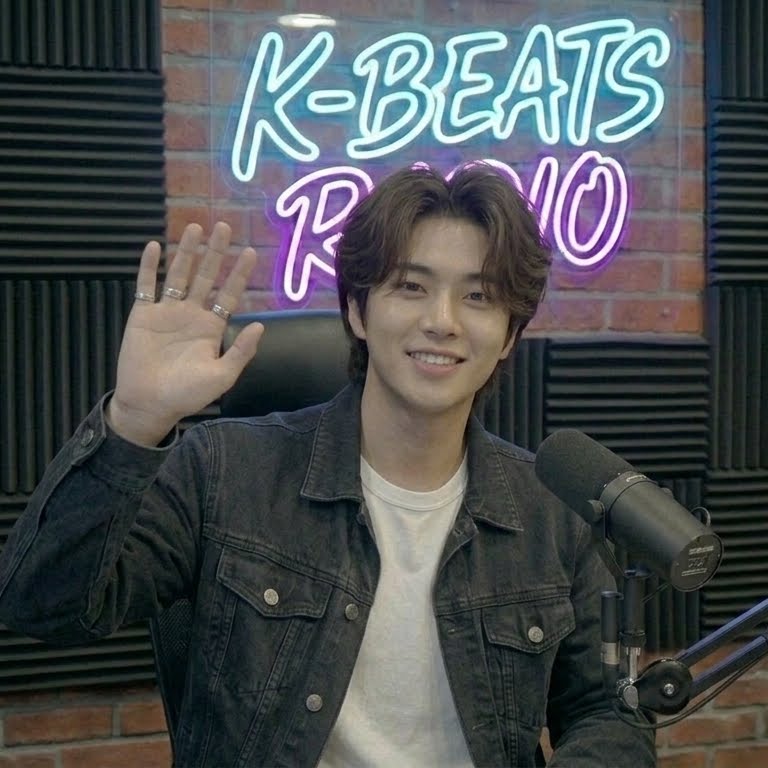
The core incident, stripped of editorialization, occurred during a casual, unofficial online interaction—a space that has become both a sanctuary and a minefield for idols. Jungkook was reportedly on a live-streaming platform like Weverse Live or a similar service, where communication is rapid, informal, and largely unmoderated. A torrent of comments, a significant portion in English and other non-Korean languages, flooded the chat in real-time.
The Reported Exchange and Immediate Fallout
In response to the barrage, Jungkook reportedly stated, "Learn how to use Korean" ("한국어 배우세요"). This brief, direct statement was instantly captured, translated without contextual nuance, and disseminated across Twitter (X), TikTok, and Instagram. The reaction was binary and explosive. One segment of the international fanbase interpreted it as dismissive, ungrateful, and arrogant—a star at the pinnacle of global success chastising the very audience that propelled him there. The sentiment echoed a consumer-rights anger: "We spend money and time; we deserve respect, not scorn." Hashtags and threads dissecting the "offense" spread rapidly, fueled by the platform algorithms that thrive on conflict.
The Other Side of the Coin: Defenders' Perspective
Simultaneously, a strong counter-narrative emerged from Korean fans (K-fans) and long-time international followers (I-fans). They argued for crucial context: the livestream was an informal, personal space for Jungkook to connect, not a curated official event. The comment, they contended, was likely born from repeated frustration at an ever-present communication barrier during what was meant to be a direct, personal moment. They framed it not as malice toward fans, but as a human, perhaps exasperated, expression of a recurrent hurdle—the desire for a genuine, fluid conversation in his native language. This perspective views the comment as akin to saying, "I wish we could talk more easily," rather than a command. This defense highlights the perennial tension between an idol's personal space and their public persona, a tension we've seen in analyses of communication breakdowns, such as in Heeseung's Exit as EVAN.
Furthermore, defenders pointed to Jungkook's extensive history of appreciative gestures toward international fans—his efforts to speak English, his inclusion of global hits in his covers, and his consistent messages of thanks. They argued that judging his entire character on a single clipped phrase from an hours-long, relaxed broadcast was a fundamental distortion.
Lost in Translation: The Cultural Context of "Learn Korean"
To view this incident solely through a Western individualist or consumerist lens is to misunderstand the fundamental cultural dynamics powering the K-Pop industry. The statement taps into deep-seated aspects of Korean national identity, the philosophy of cultural exchange, and the inherent paradox of Hallyu.
Hallyu's Double-Edged Sword: Exporting Culture, Importing Scrutiny
The Korean Wave (Hallyu) was a deliberate, top-down strategy to package Korean language, cinema, drama, and music for global consumption. However, the idol industry's core infrastructure—from the years of training at companies like SM, YG, JYP, and HYBE, to lyricism, to fan communication protocols—was built on a monolingual, Korean-cultural core. The meteoric, unprecedented global scaling of BTS exploded that model. Idols are now expected to be perpetual, flawless cultural ambassadors, intuitively understanding the social mores and political sensitivities of dozens of countries—an impossible standard for anyone.
Jungkook's comment, however blunt, highlights a rarely acknowledged expectation from the Korean perspective: the concept of reciprocal effort in cultural exchange. While idols are trained to sing, dance, and communicate in foreign languages to access markets, there is a parallel, often unspoken hope that international fans will meet them partway. Engaging with the Korean language is frequently seen not as an obligation, but as the ultimate sign of deep respect and genuine cultural interest, moving beyond passive consumption to active engagement. This desire for reciprocal effort is embedded in the culture; it's why language exchange is a cornerstone of international relations.

The Formality-Informality Divide in Korean Communication
Korean society and language are built on a complex hierarchy of formality levels (해요체, 합니다체, 반말, etc.). Idols undergo rigorous training to navigate this, maintaining polite, grateful, and slightly formal personas with fans through official letters, fan meetings, and even most social media posts. This creates a baseline expectation of perpetual pleasantness.
Unofficial, off-the-cuff livestreams exist in a dangerous grey area. Here, an idol's "real" voice can slip out—a voice that may be more direct, less filtered, and more reflective of typical peer-to-peer Korean speech patterns. A direct imperative like "배우세요" (learn) can be used jokingly or in frustration among friends. Without the cushion of honorifics or softening phrases, and stripped of vocal tone and facial expression through text translation, it can be catastrophically misinterpreted as harsh, rude, or commanding by cultures where such directness is reserved for reprimands.
The Idol-Fan "Contract": Is It Changing?
For decades, an unspoken but ironclad "social contract" governed K-Pop: idols provide perfect performance, relentless gratitude, curated accessibility, and a fantasy of proximity; fans provide unwavering devotion, significant financial support (album bulk-buying, streaming, merchandise), and a protective public shield against criticism. The Jungkook incident suggests this contract is being unilaterally rewritten and renegotiated on a global scale, with conflicting terms of service.
From "Parasocial" to "Transactional"? A Shift in Fan Power
The traditional parasocial relationship—a one-sided emotional bond where the fan feels they "know" the idol—is now complicated by a potent, consumer-rights mindset among segments of the global fanbase. Platforms like Weverse, Bubble, and Instagram create a direct, paid-for line of communication, subtly reframing the relationship. Fans investing substantial money (for albums, concert tickets, membership, paid messages) and time (for streaming, voting) may increasingly feel entitled to dictate terms of interaction, viewing idols more as high-end service providers or digital companions than distant, untouchable stars. A perceived breach of "good service"—such as a blunt comment that violates the expectation of eternal gratitude—can trigger rapid, organized backlash on global platforms, akin to leaving a negative review for a luxury brand. The power of the collective fan purse is now a potent tool for accountability, for better or worse.
The Idol's Dilemma: Human vs. Hologram
Idols are constantly pushed to show "authenticity" and "realness" to foster deeper connections, yet they are punished brutally the moment that authenticity deviates from the flawless, eternally grateful hologram fans have collectively built in their minds. This creates an impossible bind. Jungkook, in his post-enlistment era and as an established global soloist with his own musical identity (as seen in hits like "Seven" and "3D"), is naturally navigating his own personal and artistic evolution. This evolution might include setting boundaries or expressing mild frustration—normal human behaviors that clash violently with the static "idol" persona. This tension between personal growth and rigid public expectation is a recurring, painful theme in the industry, as seen in the scrutiny faced by artists like Heeseung launching his Solo Gram post-group, where every independent action is analyzed for traces of betrayal.
How Does This Compare to Other Idol Controversies?
This incident is not an isolated storm but part of a broader climate of "accountability controversies" reshaping the K-Pop landscape. Placing it on a spectrum alongside other issues reveals its unique communicative nature and the common thread of evolving fan expectations.
Incident (Artist) Nature of Controversy Core Fan Emotion Industry Impact / Outcome Jungkook's "Learn Korean" Comment Perceived arrogance/ingratitude in direct, informal fan communication. Betrayal of supporter role, heightened consumer anger. Intense debate on cultural reciprocity & the limits of idol "authenticity." Outcome: Purely narrative, relying on perception shifts. No formal apology or corporate action needed. Cha Eun Woo's Tax Issue Legal/financial accountability and public trust. Disappointment, concern for legal/ethical standing. Required formal, public apology and financial rectification. Reinforced "idol as law-abiding citizen" as non-negotiable. Various Dating "Scandals" Breach of implicit romantic fantasy clause in old idol contract. Personal betrayal, shattered illusion. Historically led to apologies and activity hiatuses. Modern impact is lessening, showing a shift in permissible "idol" behavior. Mingyu's Birthday Scrutiny Private, off-duty behavior judged as risky or un-idol-like. Parental concern, debate over invasion of privacy vs. duty of care. Intensified debate on the boundaries of idol privacy and the extent of fan "ownership" over an idol's personal time. Heeseung's EVAN Exit Perceived betrayal of group loyalty and fan investment for solo ambition. Deep personal betrayal, group identity trauma. Highlights the fragile nature of group contracts in the 4th/5th gen era and the complex negotiation of individual vs. collective futures.As this expanded table shows, Jungkook's situation sits distinctly in the communicative and relational category. Unlike legal or clear ethical breaches, its resolution relies entirely on narrative, cultural translation, and the court of public perception. There is no regulatory body or company guideline to cite—only the fragile, evolving understanding between star and supporter.
FAQ: Your Questions Answered
Q: Did Jungkook actually mean to insult international fans?
A: Based on the informal context, his established history of global appreciation, and the nature of live, unscripted communication, it is highly unlikely his intent was malicious insult. The interpretation leans far more heavily towards a spontaneous moment of frustration with a persistent communication barrier, expressed with a cultural directness that lacks the softening phrases expected in English. It was likely a comment on the situation, not a judgment on the fans themselves.
Q: Should international fans really "learn Korean"? Is it an obligation?
A: It is not, and should not be, a formal obligation. However, understanding its significance is key. Learning even basic phrases (hello, thank you, I love your music) is often received in Korean culture as a profound sign of respect and a desire for genuine connection. It actively bridges the gap created by one-sided cultural consumption. The industry is adapting, with idols learning more English and companies providing better translation, but the symbolic effort from fans remains powerfully meaningful.
Q: Will this incident hurt BTS's or Jungkook's global standing long-term?
A: For an artist of Jungkook's and BTS's monumental stature, short-term social media noise is inevitable but long-term impact is likely minimal. Their legacy is built on a vast foundation of music, philanthropy, and positive interaction. The incident serves primarily as a critical case study for the entire industry—a stark lesson in the amplified sensitivity of real-time, global, informal communication. For context on the resilience of such legacies, see our analysis of BTS's "SWITM" Triple Crown achievements.
Q: How are agencies like HYBE likely to respond to these new communication risks?
A> Expect a move towards "managed authenticity." Agencies will likely implement:
- Enhanced Cultural & Media Training: Going beyond language to include crisis simulation for real-time interactions.
- Platform Strategy: Encouraging longer-form, slightly more prepared communication on official moderated platforms (e.g., longer YouTube lives) over completely spontaneous chats on faster platforms.
- Diplomatic Phrasebooks: Equipping idols with pre-vetted, diplomatic ways to address common live-stream challenges (e.g., "There are so many languages here! I wish I could read them all. Thank you for staying with me.").
- Post-Stream Analysis: Monitoring fan reaction to specific types of content to guide future interactions without stifling the idol's genuine voice.
Q: Is this a generational shift among idols and their approach to fans?
A> Absolutely. Senior 2nd generation idols debuted in an era dominated by TV, fan cafes, and formal letters. The 3rd generation, led by BTS, pioneered social media intimacy. Now, 4th/5th generation idols and established stars in new phases (like post-enlistment or solo careers) are navigating a hyper-accelerated world where every mumbled word, every expression, is globally recorded, translated, and dissected in real-time across TikTok, X, and Instagram. This demands a new, innate level of diplomatic awareness and personal boundary-setting that previous generations never had to master on this scale.
Conclusion: Navigating a New Era of Accountability
The Jungkook incident is a symptom, not the disease. The disease is the profound and growing pain of a culturally specific, relationship-driven industry now operating at a deafening, relentless global volume. The idol-fan relationship is undergoing a painful, necessary, and messy evolution from a carefully curated monologue of gratitude to a fraught, real-time, cross-cultural dialogue with millions of participants.
For the global fanbase, this moment calls for a measure of cultural translation, contextual grace, and the recognition that idols are not AI-powered customer service bots designed for perpetual pleasantness, but complex individuals navigating immense linguistic, psychological, and professional pressure. It is an invitation to engage with Korean culture more holistically.
For idols and their powerful agencies, it underscores the non-negotiable need for sophisticated, proactive cross-cultural communication strategies. The job description has expanded exponentially: the expectation is no longer just to be a world-class performer, but to also be a part-time diplomat, a psychologist managing parasocial boundaries, and a flawless global citizen 24/7, all while trying to maintain a shred of private selfhood.
The path forward requires nuance, empathy, and education from all sides. Fans can deepen their engagement by seeking context and understanding the cultural foundations of the industry they love. Idols and companies can leverage their immense platforms not just to sell content, but to gently educate and foster genuine two-way cultural exchange. The industry must invest in building better infrastructure—not just for content consumption, but for meaningful connection that respects the humanity on both sides of the screen.
This moment, like others before it, will be analyzed, debated, and eventually absorbed into the ever-evolving story of K-Pop. To stay updated on how these dynamic tensions continue to shape the world of K-Pop, from chart-topping wins to behind-the-scenes pressures, follow our ongoing coverage on our News page and explore the profiles of artists navigating these complex waters on our Artists page. The conversation, much like the global fanbase itself, is fragmented, passionate, and only just beginning to define its new terms.