The recent private celebration for SEVENTEEN's Mingyu, which sparked online concern over his well-being, is less a simple scandal and more a complex symptom of the immense pressures facing top-tier idols. This incident opens a critical window into the relentless scrutiny of idol behavior, the fragile boundaries between public and private life, and the evolving crisis management playbook of major agencies like HYBE. The key takeaway is that in today's hyper-visual, social media-driven K-Pop landscape, even private moments are subject to public diagnosis, forcing idols and their companies into a continuous performance of perfection that can obscure genuine human needs.
- What Exactly Happened at Mingyu's Birthday Gathering?
- Why Did This Private Moment Trigger Such a Public Reaction?
- How Does HYBE and PLEDIS's "Crisis Playbook" Apply Here?
- The Bigger Picture: Idol Privacy, Mental Health, and the "Always-On" Expectation
- Comparative Analysis: How Do Other Idol "Incidents" Contextualize This?
- Mingyu & SEVENTEEN FAQ: Addressing CARAT Concerns
- Conclusion: Where Does This Leave Fans and the Industry?
What Exactly Happened at Mingyu's Birthday Gathering?
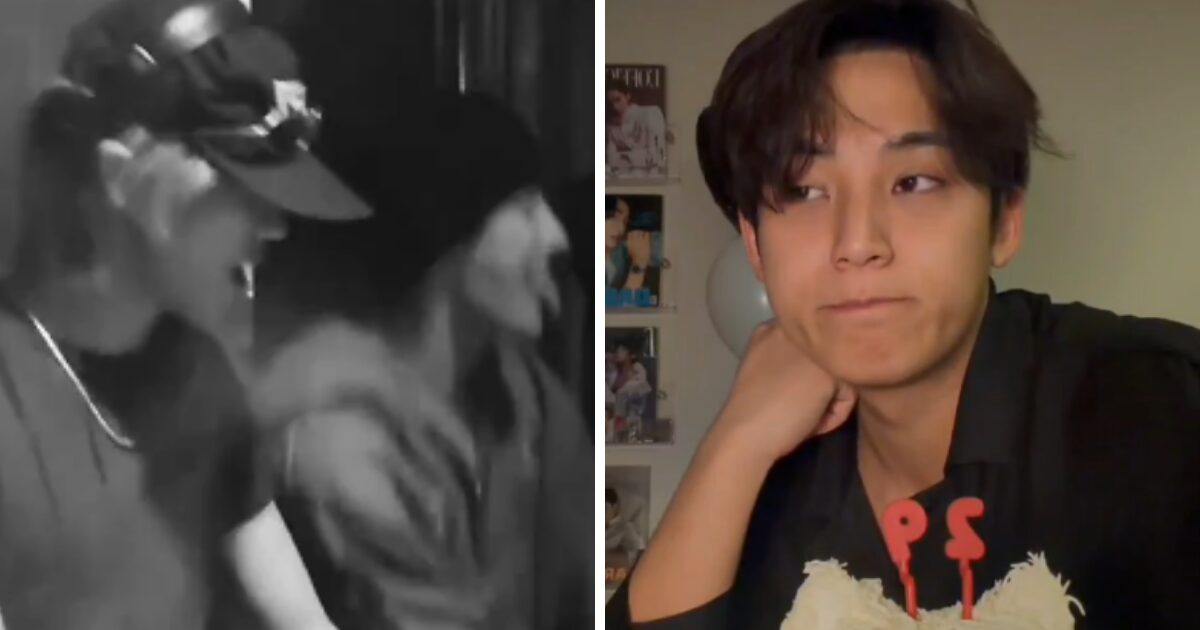
Based on fragmented social media clips and fan accounts, SEVENTEEN's Kim Mingyu celebrated his birthday in early April with a private gathering at what appeared to be a residence. The details remain largely private, as intended, but select moments circulated online, leading to intense fan and public speculation.
The Sequence of Publicly-Gleaned Events
The narrative was pieced together from non-official sources. Short video clips, reportedly from attendees' private social media, showed Mingyu in a celebratory, casual setting. The core of the concern stemmed from visual cues interpreted by viewers as signs of excessive alcohol consumption and emotional distress, though these are subjective interpretations of limited footage.
The Role of Social Media and the "Private-to-Public" Pipeline
This incident underscores a modern paradox: an event intended to be private becomes public through the digital footprints of guests. Unlike a formal, agency-managed event, private gatherings rely on the discretion of all present. A single shared story or video can fuel a global news cycle, as seen here. This creates an impossible environment for idols, who must police not only their own actions but also the actions of everyone in their private circle.
HYBE/PLEDIS's Official Stance (or Lack Thereof)
As of this analysis, neither HYBE nor sub-label PLEDIS Entertainment has issued an official statement regarding the party. This silence is a strategic choice. Commenting on an idol's private, non-scheduled activity sets a precarious precedent, potentially validating the invasion of privacy. Their playbook likely involves internal monitoring and private guidance rather than public acknowledgment, a tactic we've analyzed before in our piece on strategic "attitude hiatuses".
Why Did This Private Moment Trigger Such a Public Reaction?
The reaction was disproportionate to the confirmed facts, revealing deeper currents in fan culture and public perception. It was not just about a party; it was a projection of broader anxieties.
The "Wellness Check" Phenomenon in K-Pop Fandom
Modern fandoms, especially deeply invested ones like SEVENTEEN's CARATs, often engage in communal "wellness checks" based on visual cues. Slight weight changes, perceived tiredness in videos, or off-script moments are meticulously analyzed. Mingyu's case became a focal point for pre-existing concern, with the party footage serving as "evidence" for a narrative about his stress levels, turning empathetic concern into public diagnosis.
The Pressure of the "Gentle Giant" Persona
Mingyu has long been framed by the media and fans as the reliable, strong, and perpetually kind "gentle giant" of SEVENTEEN. This persona, while endearing, creates a rigid expectation. Any display that contradicts this—such as being visibly emotional or uninhibited in a private setting—can be read as alarming or "out of character," rather than a normal human expression. The incident highlights the psychological weight of maintaining such a defined public image 24/7.
Amplification by Media and the News Cycle
Outlets, including forums like Koreaboo, operate on a cycle that requires constant fuel. Ambiguous, emotionally charged incidents involving top stars provide high-engagement material. The headlines shift focus from "private celebration" to "dangerous drinking" and "huge concern," framing the story through a lens of crisis before any facts are established, effectively shaping public perception from the outset.
How Does HYBE and PLEDIS's "Crisis Playbook" Apply Here?
Major agencies have sophisticated, non-public strategies for managing incidents that fall in the gray area between public and private life. This situation is a textbook case for their nuanced approach.
The "Strategic Silence" for Private Matters
Publicly addressing a private party, even to deny allegations, legitimizes the public's claim to that private space. HYBE's likely strategy is calculated silence, avoiding the creation of an official record for an unofficial event. This protects the company from being drawn into future debates about every idol's personal time while privately counseling the artist on managing their social circle and digital exposure.
Controlled Narrative Through Official Channels
Instead of addressing rumors directly, the agency will pivot to controlling the narrative through scheduled, official content. Expect a carefully curated appearance from Mingyu in upcoming SEVENTEEN content—a behind-the-scenes video, a Weverse live, or a group promotion—where he appears healthy, professional, and engaged. This visually reassures fans without ever mentioning the incident, effectively containing the story.
Long-Term Image Reinforcement
The long game involves reinforcing Mingyu's and SEVENTEEN's core brand pillars: teamwork, professionalism, and fan gratitude. Upcoming group activities, charitable work, or heartfelt fan interactions will be emphasized to naturally overshadow the isolated private moment. This is a marathon, not a sprint, in reputation management.
The Bigger Picture: Idol Privacy, Mental Health, and the "Always-On" Expectation
Mingyu's situation is not an anomaly but a point on a spectrum of industry-wide issues. It reflects systemic problems that go beyond any single idol or agency.
The Erosion of the Private Sphere
The concept of a true "off-duty" moment for a top idol is increasingly mythological. With smartphones in every hand and a lucrative market for insider content, any space can become a public stage. This erodes the essential psychological safety of having a space to be imperfect, unwind, or process emotions without performance.
Performance Exhaustion and Emotional Labor
Idols are professional performers, but the expectation now is for that performance to extend, in some form, to nearly all waking hours. The emotional labor of constantly managing one's image, even around friends, is immense. Moments of release, when captured, are then pathologized, creating a vicious cycle that can exacerbate the very stress fans worry about.
Agency Responsibility in the Social Media Age
Agencies like HYBE have a dual responsibility: to protect their artists' private lives as a matter of mental health and to manage their public image as commercial assets. These goals are often in direct conflict. Proactive education for idols on digital security, clear contracts with consequences for leaking private content, and fostering a culture where idols can seek rest without stigma are critical, yet often under-prioritized, needs.
Comparative Analysis: How Do Other Idol "Incidents" Contextualize This?
Placing Mingyu's situation alongside other recent industry events reveals patterns in cause, public reaction, and corporate strategy.
Artist / Incident Nature of Event Public/ Fan Reaction Agency Strategy Key Lesson SEVENTEEN's Mingyu (Private Party Scrutiny) Private celebration, leaked personal moments. Concern, speculation, "wellness check" fervor. Strategic silence; narrative control via official content. The line between private life and public image is virtually nonexistent; silence can be the strongest statement. Heeseung → Evan (Post-ENHYPEN Rebrand) Strategic career pivot and identity change. Initial fury and confusion, evolving into acceptance. Proactive, artistic rebranding; embracing a new narrative. Explored in our deep dive on the backlash. Idols reclaiming their narrative can be jarring but is a powerful tool for artistic and personal liberation. T.O.P's "Studio54" Comeback Artistic statement post-controversy. Critical acclaim for defiance; polarized fan reaction. Full embrace of artistic autonomy; using controversy as thematic fuel. As analyzed in our piece on T.O.P's masterclass. Confronting public perception head-on through art is a high-risk, high-reward strategy for established artists. Anonymous "Attitude Hiatus" Idol Backstage/off-camera behavior controversies. Moral outrage, calls for accountability. Temporary removal from spotlight; private reflection; staged redemption arc. We decoded this in our crisis playbook analysis. The "hiatus" is a standardized tool for de-escalating public fury and allowing for a controlled return.Mingyu & SEVENTEEN FAQ: Addressing CARAT Concerns
As discussions continue within the fandom, here are evidence-based answers to the most common questions.
Q1: Has Mingyu or PLEDIS addressed the party directly?
A1: No, there has been no official statement. This is a deliberate strategy. Issuing a statement about a private gathering would set a precedent that an idol's every private moment is subject to agency commentary and public accountability.
Q2: Should fans be worried about Mingyu's health?
A2: While concern stems from a place of care, it's crucial to distinguish between observed snippets and a full understanding of someone's well-being. Idols, like all people, have a right to private emotional experiences. The best support is to respect that privacy and engage positively with his official professional work.
Q3: How will this affect SEVENTEEN's upcoming activities?
A3> It is highly unlikely to affect scheduled group promotions. HYBE and PLEDIS are experts at compartmentalizing such issues. SEVENTEEN's activities are a multi-million dollar enterprise involving dozens of people; they will proceed as planned, with the focus kept firmly on the group's output, as seen on our Charts page tracking their success.
Q4: Is this a sign of deeper problems within SEVENTEEN?
A4> There is no evidence to suggest that. Extrapolating group-wide issues from a single member's private moment is speculative. SEVENTEEN has built a 9-year career on notable teamwork and stability. Isolating one incident does not define the group's dynamics.
Q5: What can fans do to support healthily?
A5> Support can be redirected to respectful engagement: consuming official content, respecting boundaries by not spreading unverified clips or speculation, and trusting that the mature adults in SEVENTEEN and their management are capable of handling personal matters.
Conclusion: Where Does This Leave Fans and the Industry?
The scrutiny of Mingyu's birthday party is a watershed moment that clarifies several uncomfortable truths about contemporary K-Pop. It highlights an unsustainable paradigm where idols are denied a true private self, and where fan concern, however well-intentioned, can morph into a invasive public audit of personal behavior.
For the industry, the mandate is clear. Agencies like HYBE must develop more robust, preemptive systems to protect their artists' private lives—not just as a PR tactic, but as a duty of care. This includes legal recourse for leaks and fostering an environment where mental health support is normalized. For fans, the path forward involves a conscious recalibration of perspective. Supporting an idol means championing their art and respecting their humanity, which includes their right to unobserved moments, imperfect emotions, and a life beyond the lens.
The next step is to watch how this unfolds not in rumor forums, but in official channels. Observe SEVENTEEN's next group comeback, their interactions on Weverse, and their stage presence. The true indicator will be in the sustained quality of their art and their professional synergy. For more insights into how idols navigate these complex pressures, explore our features on other artists and continuing coverage on our News page. The conversation about privacy, pressure, and performance in K-Pop is just beginning.