
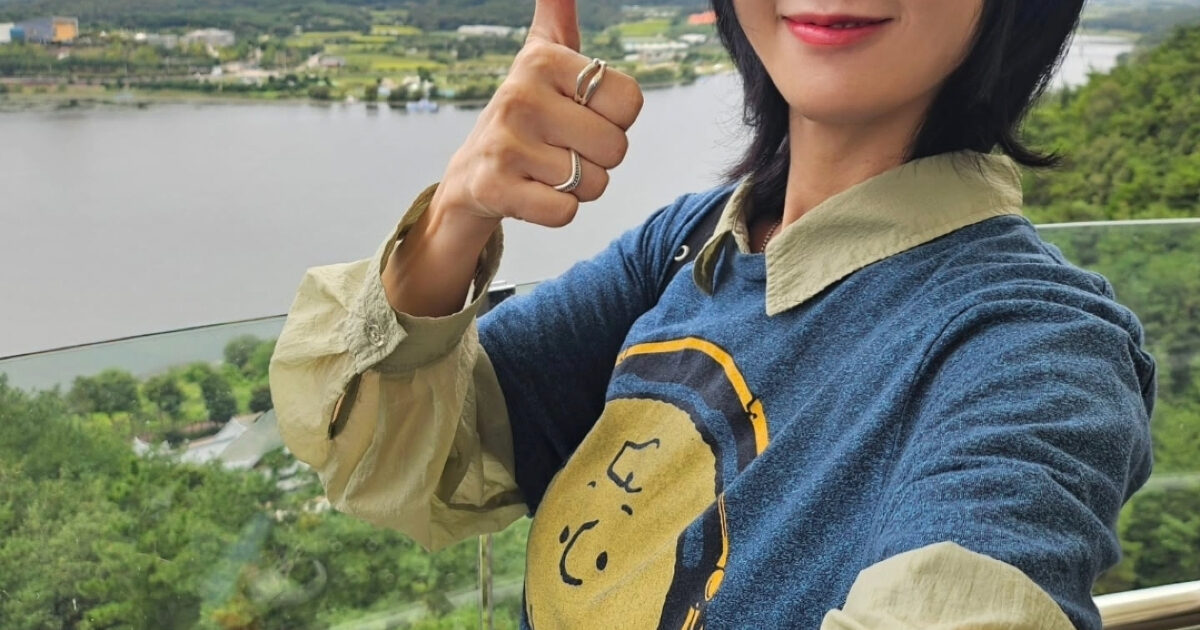

The curtain of curated perfection that often surrounds K-pop idols was pulled back in the most vulnerable of ways this week. In the intimate, unfiltered space of a late-night fan livestream, WJSN's Dayoung—known for her effervescent energy and sharp wit—made a stunning confession that has since reverberated across the industry. With a calm yet resolute demeanor, the 26-year-old singer and actress revealed she was formally dismissed from her university program, a fact she had kept private for years. Her stated reason for coming forward now was simple, yet powerful: "I don't want any misunderstandings," she told her viewers, a phrase that has become a rallying cry for advocates of greater idol authenticity.
A Revelation in Real Time: The Livestream That Broke the Mold
The moment unfolded not in a press release or a managed interview, but in the direct, digital living room Dayoung shares with her fans, known as Ujung. These casual broadcasts are typically spaces for lighthearted chatter, song covers, and everyday updates. However, on this particular evening, a shift in Dayoung's usual bubbly tone was perceptible. After fielding questions about her current projects, she paused, took a steadying breath, and addressed the camera with a newfound gravity. "There's something about my past I think I should clarify, because I value the truth between us," she began, leading into her confession about her academic journey.
"Many of you know I enrolled with great hopes. But balancing the schedule of a promoting idol with the rigorous demands of academic life... it became an impossible equation. I fell behind, and despite my attempts to catch up, the university made its decision. I was dismissed. I've carried this quietly, but I speak now because I don't want there to be any gap between the Dayoung you see and who I am. I am not just my successes."
The admission was met with a flood of supportive comments in real-time. This act of voluntary vulnerability from an active, high-profile idol like Dayoung is a significant departure from the traditional, tightly-controlled narratives managed by agencies. It follows a growing, though still delicate, trend of idols addressing personal setbacks head-on, a subject we explored in depth regarding The Weight of a Glance: How Stray Kids' Han's Instant Apology Highlights a New Era of Idol Accountability.
From Cosmic Girl to Grounded Artist: Dayoung's Journey
To understand the weight of this confession, one must look at the trajectory of Joo Dayoung. Debuted in 2016 under Starship Entertainment as a member of the 13-strong girl group WJSN (Cosmic Girls), she quickly established herself as a vital, versatile pillar of the group. Initially a sub-vocalist, her talents in variety shows and her evolving vocal color made her a standout. She became a fixed cast member on the popular show "Weekend Playlist," showcasing a quick mind and a relatable charm that won her a broad public following beyond the group's fandom.
The Dual-Track Pressure: Idol vs. Student
Dayoung's enrollment in a university performing arts program was publicly celebrated at the time, framed as a natural step for an ambitious young artist seeking to hone her craft. This "dual-track" life—simultaneously being a full-time idol and a full-time student—is a common, yet Herculean, challenge in the industry. Idols are expected to excel in both arenas, a pressure that often goes unacknowledged until it results in hiatuses for "health reasons" or, as in this case, private academic struggles. The public sees the graduation photos and congratulatory posts, but rarely the all-nighters after music show recordings, the missed lectures due to overseas schedules, or the mental exhaustion of juggling two complete identities.
For Dayoung, her public persona was that of a successful multi-hyphenate: a mainstay on variety, a steadily improving vocalist in a top-tier girl group, and a diligent student. This revelation peels back that layered image to reveal the very human struggle that existed beneath it. It reframes her journey not as a seamless series of achievements, but as a path marked by a significant, and privately borne, setback.
Deconstructing the Confession: "No Misunderstandings"
The core of Dayoung's statement lies in her proactive desire to prevent "misunderstandings." In the hyper-scrutinized world of K-pop, where every action is analyzed and narratives can be co-opted by malicious actors, her preemptive transparency is a strategic and personal gamble. She is essentially controlling her own narrative, denying potential future "scandal" headlines the power to define her past.
"I didn't want someone to find out later and twist it into a story of me being lazy or ungrateful for the opportunity. The truth is, I tried, and I failed at that particular thing. And that's okay. It doesn't define my worth as an artist or a person."
This approach signifies a maturation in both the artist and the industry's ecosystem. It acknowledges that fans today, particularly the core fandom that sustains careers, crave and respect authenticity. They can handle complexity. The era of the flawless, untouchable idol is giving way to the era of the relatable, resilient human being who performs on stage. This mirrors the sentiment captured in Beyond The Stage Dive: I.N’s Heartfelt Apology and the Unseen Weight of Idol Responsibility, where personal accountability builds deeper, more trusting bonds.

The Language of Accountability and Self-Forgiveness
Significantly, Dayoung's wording avoided deflection. She did not blame her agency's scheduling, though that was undoubtedly a factor. She did not make excuses. She stated the facts: she could not balance the demands, she fell behind, and the institution made its decision. However, she coupled this accountability with a crucial message of self-acceptance. By stating, "I am not just my successes," she directly challenges the perfectionist culture that fuels both the industry and the intense academic pressure in Korean society. It is a public step in her own process of self-forgiveness, inviting others to view their own stumbles with similar grace.
Ujungs and the Public: A Wave of Empathetic Support
The reaction from the fan community and the general public has been overwhelmingly supportive, trending across Korean forums and international social media platforms like Twitter and Instagram. The dominant sentiment is one of admiration for her courage and anger at a system that sets young people up for such impossible choices.
- #WeLoveRealDayoung trended worldwide, with fans sharing messages of gratitude for her honesty and sharing their own stories of academic or personal setbacks.
- Many older fans, in particular, posted about the relatable pressure of societal expectations, praising Dayoung for "freeing herself from the prison of perfection."
- On Korean portals like Naver, the top-voted comments on news articles read: "This is more impressive than any graduation certificate," and "She taught us a real lesson today, one not found in any textbook."
Notably, the conversation quickly expanded beyond Dayoung herself. It sparked broader discussions about the need for more flexible, idol-friendly academic programs and greater mental health support for artists navigating dual careers. Fans are using this moment as a catalyst to advocate for systemic change, questioning why the industry's structure so often forces young talents into untenable situations. For more on how fandom conversations evolve, see our analysis in Your Dream Lineup Is A Time Capsule.
Industry Ripples: The New Calculus of Idol Image
Dayoung's disclosure is being closely analyzed by industry insiders. The traditional risk calculus would have deemed such a confession as damaging to a "celebrity image." However, the positive, empathetic public response provides a compelling new data point. It suggests that in 2024 and beyond, authenticity may be a more valuable currency than flawlessness.
Public relations experts within the music industry are likely re-evaluating their playbooks. A managed, confessional narrative that demonstrates growth and humanity can forge a stronger, more loyal connection with the audience than a pristine but distant facade. This is especially true for idols like Dayoung, who are transitioning into established artists and public figures with longer-term careers. Her credibility as a relatable variety star and a sincere artist has arguably been enhanced, not diminished.
Furthermore, this event places a subtle but important pressure on agencies. Starship Entertainment's reported decision to support Dayoung's choice to speak openly—or at least not to prevent it—could indicate a shifting internal policy. It raises the question: will this empower other idols under immense pressure to speak their truths? The industry's response to such moments is a key indicator of its evolution. You can track the careers of artists navigating public moments on our Artists page.
The Sisterhood of WJSN and Group Dynamics
Internally, the response from the WJSN members has been one of unified, public support. Members like Seola, Exy, and Bona posted subtle but clear messages on their social media stories—images of holding hands, sunrises, and lyrics about resilience—interpreted by fans as gestures of solidarity. This public sisterly support is crucial. It signals that within the group, her value is unchanged, and that the confession is met with love, not judgment. This internal stability is the bedrock that allows an idol to weather such a public personal revelation.
What Lies on the Horizon for Dayoung
So, where does Dayoung go from here? Far from derailing her momentum, this moment of clarity appears to have solidified her path. Industry observers point to several immediate effects:
- Strengthened Fan Bond: Her connection with Ujungs is now deeper and more trusting. This loyalty will be crucial for her upcoming activities, both with WJSN and as a solo entertainer.
- Expanded Artistic Range: This lived experience of struggle and resilience provides deeper emotional wells to draw from as a performer. It adds a layer of gravitas to her existing skillset, potentially opening doors to more serious acting or MC roles that require nuanced emotional expression, much like the transitions discussed in A Radiant Farewell.
- Advocacy Potential: Dayoung may naturally become a sympathetic voice for mental health and work-life balance discussions within the entertainment field, whether formally or through the example she sets.
With WJSN members increasingly active in solo endeavors and the group maintaining a respected position in the industry—their latest releases consistently performing well on our Charts page—Dayoung's individual brand is more defined than ever. She is no longer just the "bright variety member," but the "courageously authentic artist."
In the end, Dayoung's story is not about a university dismissal. It is about the moment an idol chooses to reclaim her narrative, trading the heavy armor of perfection for the empowering, if vulnerable, armor of truth. In doing so, she has not only freed herself from a private burden but has also given countless fans—and perhaps fellow idols—permission to embrace their own complex, imperfect, and utterly human stories. The final lesson, echoing through her late-night livestream, is that sometimes, the most powerful thing a star can do is to show the world what it means to be gloriously, unflinchingly human. For continued coverage on stories shaping the industry, follow our News page.