
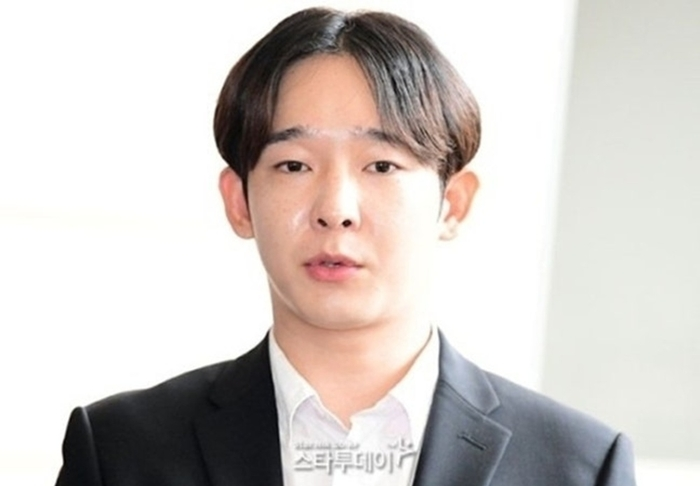

Former WINNER member Nam Tae Hyun is appealing a prison sentence for a drunk driving accident that occurred while on probation for prior drug charges, marking a critical juncture in a career defined by artistic promise and personal turmoil. This legal battle transcends one idol's fate, serving as a stark case study on the industry's zero-tolerance policies, the efficacy of rehabilitation, and the fragile second chances offered to fallen stars. The appeal's outcome could set a powerful legal and cultural precedent for how South Korea handles idol transgressions.
- The Legal Battle: What Exactly Is Nam Tae Hyun Appealing?
- From YG Shining Star to Pariah: How Did His Career Trajectory Lead Here?
- A Recurring Nightmare: How Does This Fit a Broader Industry Pattern?
- Can Public Perception Ever Recover? The Role of Mental Health Narratives
- What Happens Next? Potential Outcomes and Ripple Effects
- FAQ: Your Questions Answered
The Legal Battle: What Exactly Is Nam Tae Hyun Appealing?
The core of Nam Tae Hyun's appeal hinges on contesting the severity of the initial ruling. The court found his actions—driving under the influence during an active probation period for a drug conviction—to demonstrate a flagrant disregard for the law and public safety, warranting imprisonment.
Breaking Down the Charges and Probation Violation
His legal troubles are a two-part cascade. First, the 2022 conviction for illegal drug use (LSD and ketamine) resulted in a suspended sentence. This probation was a conditional second chance. The subsequent 2023 drunk driving incident, where he collided with a guardrail, wasn't just a new crime; it was a direct violation of those probation terms. Courts view such violations extremely harshly, as they invalidate the trust placed in the offender's rehabilitation.
The Stakes of the Appeal Argument
While the specific grounds of his appeal are not fully public, legal experts suggest the defense likely argues for a commutation to a heavier fine, extended probation, or mandated inpatient treatment, citing factors like remorse, character witnesses, or disputing the accident's severity. The prosecution will vehemently oppose this, framing imprisonment as necessary for deterrence and justice. This clash makes the appeal a benchmark for judicial tolerance.
A Comparative Look at Idol Legal Precedents
To understand the potential outcomes, it's useful to view Nam's case alongside other high-profile idol legal issues. The table below illustrates how charges, contrition, and timing influence sentencing.
Artist (Group) Primary Charge(s) Key Context & Response Outcome & Career Impact Nam Tae Hyun (ex-WINNER) Drug Use, Probation Violation, DUI Incidents occurred post-group, during probation. Public apologies issued. Initial Prison Sentence (Appealing). Career as idol effectively terminated; independent music activity halted. B.I (ex-iKON) Attempted Drug Purchase (Marijuana, LSD) Charges from pre-debut period. Admitted guilt, highlighted mental health struggles. 3-year probation, 80 hrs community service. Successfully re-launched solo career under new label. Jung Joon-young (non-idol, singer) Sexual Crimes, Illegal Filming Part of the "Burning Sun" scandal. Widespread public outrage. 5-year prison sentence. Complete and permanent industry blacklisting. Various Idols (e.g., TOP, Park Bom) Drug Possession/Use Cases often involve mental health treatment claims. Responses vary from denial to apology. Often results in fines & suspended sentences. Career hiatus, with variable success in returns (e.g., TOP's acting).From YG Shining Star to Pariah: How Did His Career Trajectory Lead Here?
Nam Tae Hyun's journey isn't just a fall from grace; it's a complex unraveling from the heart of K-Pop's elite system. His path from a prized YG Entertainment trainee to a defendant reveals the pressures and pivots that can destabilize a young artist.
The WINNER Pedestal and Sudden Departure
Debuting in 2014 under the prestigious YG banner with WINNER, Nam Tae Hyun was immediately visible. He was a main vocalist and keyboardist for a group born from a survival show, carrying immense expectations. His departure in 2016, officially due to health issues (panic disorder and sleep disorder), was a shock. It highlighted the severe mental and physical toll the idol system can exact, a theme that would recur. For more on idol career pivots and pressures, see our analysis of stars transitioning to acting in "If Wishes Could Kill".
The South Club Reboot and Independent Path
His reinvention as the frontman of the band South Club in 2017 was an attempt at an authentic, artist-driven identity away from the idol machinery. The music received critical praise for its rock sensibility, proving his genuine talent. However, operating independently without the structural support of a major agency also meant navigating the industry's peripheries, which may have presented different sets of challenges and vulnerabilities.

The Point of No Return: Scandals Erode the Foundation
The 2022 drug charge was the first major legal breach, severely damaging his reputation but not destroying his core fanbase. The subsequent DUI while on probation, however, transformed the narrative from "a troubled artist seeking help" to "a repeat offender disrespecting the law." This sequence is what makes his case particularly damning in the court of public opinion and, seemingly, in the court of law.
A Recurring Nightmare: How Does This Fit a Broader Industry Pattern?
While each case is unique, Nam Tae Hyun's story echoes familiar, tragic refrains within K-Pop. It intersects with systemic issues the industry continues to grapple with, often reactively rather than proactively.
The "Broken Idol" Archetype and Public Scrutiny
The industry manufactures idols of near-flawless public image. When that image shatters due to scandal, the fallen star becomes a "broken idol"—a subject of intense scrutiny, moral judgment, and schadenfreude. The public's reaction is often binary: unconditional fan defense or wholesale condemnation. This leaves little room for nuanced discussion on rehabilitation, as seen in the polarized discourse around his appeal.
Zero-Tolerance vs. Rehabilitation Debates
South Korea maintains stringent drug laws with strong social stigma. Agencies, fearing brand damage, typically enforce zero-tolerance policies, leading to immediate termination of contracts. This system prioritizes brand protection over (and often at the expense of) artist welfare. The question becomes: does removing an idol from their career structure aid or hinder their rehabilitation? The industry lacks a clear, compassionate pathway for those who wish to atone and return, unlike the more defined (if difficult) paths for those moving into acting or other ventures.
The Pressure Cooker and Lack of Safety Nets
The years of trainee rigor, relentless schedules, and intense public scrutiny create a pressure cooker environment. While not an excuse for illegal behavior, it is a critical context. Many companies are improving mental health services, but historically, these supports were inadequate. Idols leaving major agencies, like Nam did, might lose even that fragile safety net, navigating a less structured and potentially more isolating professional landscape. The relentless scrutiny doesn't end, either, as discussed in our piece on the sasaeng crisis and privacy erosion.
Can Public Perception Ever Recover? The Role of Mental Health Narratives
In the modern K-Pop landscape, public redemption is a fragile, complicated process. It increasingly involves the fraught integration of mental health discourse into apologies and comebacks.
The "Mental Health Apology" Double-Edged Sword
Following scandals, citing mental health struggles (anxiety, depression) has become a common element in public apologies. While raising awareness is positive, there is a risk the narrative can be perceived as instrumentalization—using health as an excuse rather than a context. For it to be credible, it must be backed by tangible, long-term actions (verified treatment, significant hiatus) and not immediately followed by further transgressions, as in Nam's case, which severely undermines the argument.
The Fandom Divide: Loyalists vs. The General Public
Recovery often depends on which "public" you consider. A dedicated core fandom may practice "idol forgiveness," separating the art from the artist and supporting a return. However, winning back the general public (GP)—essential for broadcast appearances, endorsements, and broad chart success—is exponentially harder. The GP has a longer memory and less emotional investment. A successful GP-facing return, like that of B.I, requires not just time and clean living, but a demonstrable, exceptional artistic contribution that demands attention on its own merits.
Media's Role in Shaping the Narrative
Outlets play a crucial role. Sensationalist coverage can cement a "villain" narrative, while more analytical approaches (like this one) can contextualize without absolving. The tone of media reporting on his appeal verdict will significantly influence the next chapter of his story. For a masterclass in how thoughtful critique can transcend scandal, read why a culinary master's BTS review became a vital cultural critique.
What Happens Next? Potential Outcomes and Ripple Effects
The appeal court's decision will send a signal, not just to Nam Tae Hyun, but to the entire entertainment industry. The ramifications extend beyond a single courtroom.
Scenario 1: Appeal Upheld (Prison Sentence Stands)
This would be the most severe outcome. It would underscore the judiciary's hardline stance on probation violations, especially involving public safety risks like DUI. For the industry, it would be a chilling, clear precedent: certain lines, once crossed twice, lead to irrevocable professional and personal consequences. His music career would be indefinitely paused, likely ending his public life as an entertainer.
Scenario 2: Sentence Commuted (Suspended Sentence/Heavy Penalty)
A commutation would suggest the court sees a viable path for rehabilitation outside prison. It would likely come with draconian new probation terms, massive fines, and mandated community service or treatment. For his career, a glimmer of a path would exist, but the climb back would be monumental. He would need to demonstrate years of flawless, low-profile contribution and produce work of undeniable quality to even begin a discussion about a return.
Broader Industry Impact and Precedent
This case is being watched closely by agency legal teams. A upheld prison sentence could make agencies even quicker to permanently sever ties at the first sign of serious legal trouble to distance themselves entirely. A commuted sentence might slightly soften that impulse, but the fundamental calculus—that an idol's legal trouble is a severe commercial liability—remains unchanged. For ongoing legal and industry news, follow our dedicated News page.
FAQ: Your Questions Answered
Q: What was Nam Tae Hyun originally on probation for?
A: He was on probation following a 2022 conviction for the use of illegal drugs, specifically LSD and ketamine. The court had given him a suspended sentence, which is a conditional freedom that requires no further legal violations for a set period.
Q: Could he ever re-debut as an idol or in WINNER?
A>A return to WINNER is virtually impossible. Re-debuting as a conventional idol in a new group under a major agency is also highly unlikely due to the severe reputation damage. His only potential path in music is as a solo indie or band artist, reliant on a dedicated niche fanbase, much like his work with South Club.
Q: How does South Korea's view on DUI compare to other countries?
A>South Korea has drastically toughened its DUI laws and social stigma over the past decade. Penalties are severe, and public condemnation is intense, often leading to immediate career termination for celebrities. It is considered a serious social crime, not a minor traffic offense.
Q: Have any idols successfully come back from a prison sentence?
A>There are very few examples of idols who served actual prison time returning to mainstream idol success. More often, those who serve time (for non-sexual, non-violent crimes) may re-enter adjacent fields like acting, variety, or behind-the-scenes work after a long period, but the idol career itself is typically over.
Q: Is his mental health history a factor in the legal appeal?
A>It could be presented as a mitigating factor by his defense team, arguing for rehabilitation over incarceration. However, given that the DUI incident occurred while he was already on probation (a period meant for rehabilitation), the court may be less sympathetic to this argument than in a first-time offense.
Conclusion: A Cautionary Tale at a Crossroads
The appeal of Nam Tae Hyun is more than a legal formality; it is the climax of a modern K-Pop tragedy. It encapsulates the immense pressure of the idol system, the perilous journey of post-agency independence, and the unforgiving nature of public and legal judgment when second chances are squandered. Whether the sentence is upheld or commuted, his story will stand as one of the industry's most definitive cautionary tales.
The outcome will remind everyone—agencies, trainees, active idols, and fans—of the fragile contract of fame. For idols, it underscores that talent is not a shield against consequence. For the industry, it highlights the urgent, unresolved need for sustainable support systems that can genuinely protect artists' well-being long before crises erupt. To explore the careers of artists navigating success on their own terms, visit our comprehensive Artists page. The final gavel in this case will echo for years to come.