
The digital landscape of K-Pop is a volatile ecosystem, where a single, fleeting moment can detonate into a universe-spanning discourse overnight. This week, that moment belonged to ENHYPEN's Heeseung. A brief, grainy clip purportedly showing the idol leaning in to kiss a woman has rocketed across social media platforms, amassing millions of views and plunging the ENGENE fandom into a state of intense polarization. The video, devoid of clear origin or context, has become less about verifiable fact and more about a Rorschach test for the modern K-Pop fan's psyche, probing deep-seated beliefs about ownership, performance, and the ever-shrinking line between an idol's art and their autonomous life.
From "I-LAND" to Icon: ENHYPEN's Meteoric Ascent and the Weight of Expectation
To understand the magnitude of the reaction, one must first understand ENHYPEN's unique genesis and trajectory. Born from the intense crucible of the 2020 survival show I-LAND, a joint venture between HYBE and CJ ENM, the seven-member group—Heeseung, Jay, Jake, Sunghoon, Sunoo, Jungwon, and Ni-ki—was literally forged in the gaze of the public. Their debut narrative was not one of mysterious, pre-formed perfection, but of visible struggle, growth, and eventual triumph under the watchful eyes of global voters. This created an unusually potent and intimate parasocial bond from day one. Fans didn't just buy a debut album; they felt they had invested in the very existence of these artists.
Since their 2020 debut with Border: Day One, ENHYPEN has charted a relentless course upward, distinguished by a cohesive "vampire" and dark fantasy concept that explores themes of otherness, connection, and thirst—both literal and metaphorical. Their musical identity, crafted heavily by producer and HYBE founder Bang Si-hyuk, is sophisticated and narrative-driven, setting them apart as conceptual storytellers. This curated mystique, however, exists in constant tension with the hyper-exposed reality of their lives. As explored in our analysis of persona scrutiny in "The Kim Taehyung Paradox", the K-Pop industry often builds idols into archetypes, leaving little room for the complexities of the individual behind the icon.
Their success is quantifiable: multiple million-selling albums, chart-topping hits, and a fiercely loyal international fanbase. Yet, this very success amplifies every ripple. For a group whose lore often revolves around the forbidden and the intimate—the vampire’s bite as a stand-in for desire and connection—a real-world implication of romantic intimacy becomes a potent, destabilizing force within the fandom's constructed narrative.
Deconstructing the Digital Storm: Anatomy of the Viral Clip
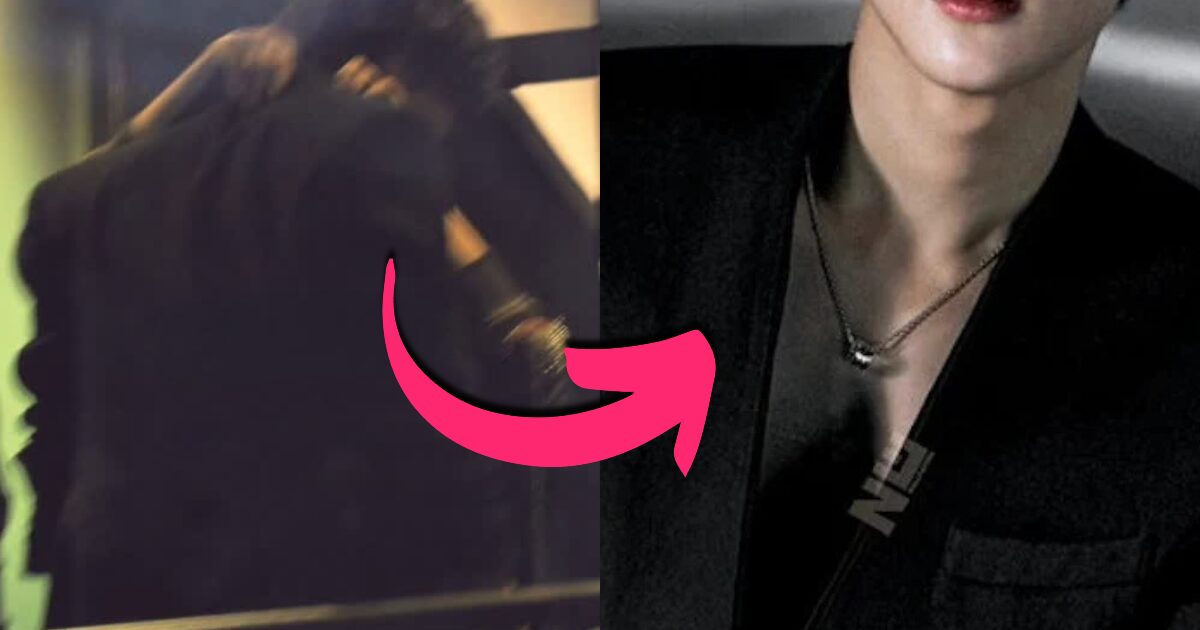
The clip in question is a masterclass in modern misinformation: short, ambiguous, and perfectly engineered for virality. Lasting only a few seconds, it appears to be a vertically filmed video, possibly from a phone, capturing Heeseung in what looks like a casual, dimly lit setting. He is seen turning his head toward an off-camera individual, his face obscured by angles and low resolution, before the video cuts abruptly. There is no clear audio, no establishing shot, and no verifiable timestamp or location.
Origins and the Black Hole of Context
Attempts to trace the clip's origin have led to a digital dead end. It first surfaced on niche fan forums before being catapulted to mainstream platforms like Twitter, TikTok, and Instagram by aggregator accounts. The original poster is anonymous, and claims that it is leaked behind-the-scenes footage from a photoshoot or a private gathering remain completely unverified. HYBE and BELIFT LAB have, as of this writing, maintained a stony silence, a strategy that has only fueled further speculation. This silence is a double-edged sword; it prevents the legitimization of baseless rumors but also allows the narrative to be wholly controlled by the online mob.
Visual Ambiguity and the Power of Suggestion
Critical analysis of the footage reveals its intentional ambiguity. The "kiss" is not explicitly shown; it is implied through motion and the power of the viewer's expectation. It could just as easily be interpreted as Heeseung leaning in to hear someone speak in a loud environment, adjusting his position, or interacting with a staff member. However, the framing and the rapid spread with inflammatory captions ("HEESEUNG KISSING CONFIRMED?") have cemented a specific interpretation in the public consciousness. As one industry insider we spoke to under condition of anonymity noted,
"This isn't a scandal; it's a Rorschach test. Fans are seeing what they are primed to see, whether that's a betrayal of their fandom 'contract' or a brave act of normalcy. The clip itself is almost irrelevant—it's the reaction that's the real story."

The Fandom Fractures: ENGENE's Tumultuous Response
The reaction from ENGENEs has been a seismic split, reflecting the broader ideological divide within fourth-generation K-Pop fandom. The community has effectively cleaved into three distinct camps, each battling for dominance on social media timelines.
The first, and most vocal in certain spaces, is the "Anti-Dating Police." For these fans, the clip—regardless of its authenticity—is a cardinal sin. Their outrage stems from the perceived breach of an implicit contract: the idol's dedication to the fan in exchange for financial and emotional support. Comments range from heartbreak ("I feel so betrayed") to outright vitriol and calls for him to leave the group. This faction often weaponizes the group's own concepts against them, asking how a "vampire" destined for his members or fans could dare look elsewhere.
The second, and equally vocal, camp is the Defender Squad. These fans vehemently dispute the clip's authenticity, mobilizing digital forensics to highlight inconsistencies, blurring, and potential edits. Beyond defense, they champion a more progressive view: "Heeseung is a 22-year-old man. Even if it were real, he has a right to a private life." They argue that the toxic expectation of eternal celibacy is a relic of a bygone era and that true support means respecting an idol's humanity. This group has flooded hashtags with messages of support and older clips showcasing Heeseung's professionalism and kindness.
The third group is the Exhausted Majority. These fans, often older or longer-term K-Pop enthusiasts, express weariness. Their sentiment is captured in tweets like, "Not this again. Can we just focus on the music?" They are tired of the cyclical drama, the intentional spreading of misinformation, and the way these storms detract from ENHYPEN's artistic output. They crave a return to normalcy and see the entire event as a manufactured distraction, perhaps even a malicious attack from anti-fans aiming to disrupt the group's momentum ahead of potential new music.
This fracture is not unique to ENHYPEN. It echoes the transformative periods seen in other groups, where the narrative must evolve from exclusive fantasy to inclusive support. The journey of self-discovery, as seen in stories like former trainee Sia's path, reminds us that idols are on their own human journeys, often in stark contrast to the static characters they portray on stage.
Industry Echoes: Privacy, Parasociality, and Evolving Protocols
This incident is a microcosm of the industry's central, unresolved conflict. The K-Pop business model, particularly for groups like ENHYPEN that leverage immersive storytelling, is still deeply invested in the parasocial relationship. The "boyfriend/girlfriend" idol fantasy, while gradually being phased out or nuanced in some agencies, remains a powerful driver of album sales, fan meeting attendance, and streaming loyalty. A perceived breach of this fantasy can have real financial consequences, as agencies are acutely aware.
However, the global market demands evolution. International fans, in particular, often view such "scandals" with bewilderment, applying Western pop star standards where dating is a non-issue. HYBE, as a corporation with global ambitions, is caught between these two worlds. Their response protocol is telling. The choice to remain silent could be a calculated new strategy: refusing to dignify every piece of unverified gossip with a statement, thereby training the fandom to distrust un-sourced content. It’s a high-risk, high-reward play that banks on the incident fading faster without the oxygen of an official denial or confirmation.
Furthermore, this event highlights the changing role of companies. Beyond just managing careers, they are now full-time digital reputation custodians, battling deepfakes, edited clips, and malicious leaks in real-time. The tools of fandom have become the tools of sabotage, and agencies are in an arms race to keep up. This incident will undoubtedly become a case study in future crisis management meetings across the industry.
The timing is also curious. With groups like TWS actively reclaiming their narrative with concepts like "NO TRAGEDY", and established acts like BTS members navigating solo careers under immense scrutiny, the industry is at an inflection point. The old rules are straining, and the public's capacity for outrage may be reaching a saturation point. As seen when BTS continues to make history, lasting legacy is built on artistic merit, not manufactured perfection.
The Path Forward: Healing, Creation, and Inevitable Change
So, what comes next for ENHYPEN and ENGENE? The immediate future hinges on BELIFT LAB's next move. A continued silence may allow the storm to pass, but it risks alienating fans who crave reassurance. A firm legal statement threatening action against defamation and malicious spread of false information could be a strong middle ground, addressing the behavior without addressing the specific, unverified clip. The most unlikely option is a personal statement from Heeseung, which would set a major precedent for the group.
Artistically, this moment could be transformative. History shows that periods of intense external pressure often forge an artist's most resonant work. ENHYPEN's concept is already built on themes of persecution, longing, and navigating a world that doesn't understand you. This real-world experience could deepen the authenticity and emotional resonance of their next chapter. Will their next album reflect a darker, more defiant tone, or will it be a deliberate pivot toward brighter, unifying themes to heal the fandom? The creative direction they take will be the most telling response of all.
For the fandom, the challenge is one of maturation. The "I-LAND babies" are now global stars, and the nature of the relationship must evolve. This painful moment could be the catalyst for that growth, pushing the community toward a model of support that celebrates the artist's humanity as much as their artistry. It is a difficult but necessary transition, one that every major fandom eventually faces.
In the grand tapestry of K-Pop, this viral clip will soon be a footnote. But the conversation it has ignited—about privacy in the digital panopticon, the sustainability of parasocial contracts, and the right of young artists to simply *live*—will reverberate far longer. ENHYPEN's journey, like the journeys of so many artists chronicled on our Artists page, continues to be written not just in their music, but in how they, and their fans, navigate the dizzying space between the person and the persona. The final verdict won't come from a blurry video, but from the music they make next and the evolved community that chooses to support it.