

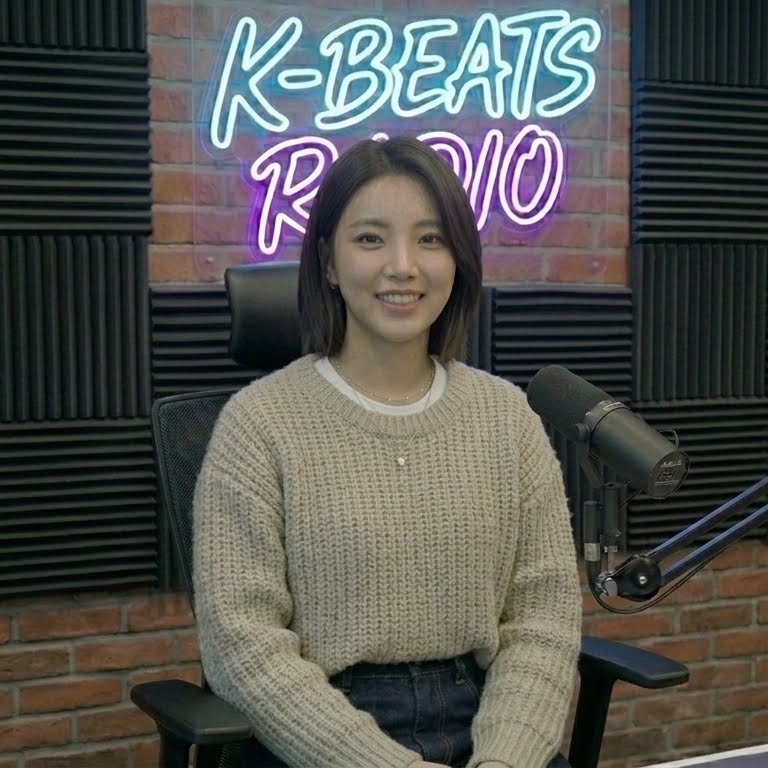
The Photo That Sparked a Quiet Revolution
It was an Instagram post that felt, at first glance, like so many others in the K-Pop ecosystem: a soft-focus, warmly lit selfie, a genuine smile, a caption about finding happiness. But for those who had followed the career—and subsequent disappearance—of trainee Lee Minjun, the image was a seismic shift. The face was familiar, yet profoundly different. The name in the bio was new: Sia. The caption, written in both Korean and English, began with a simple, powerful declaration: "Hello, I'm Sia. This is the real me." With that, a former aspirant to the fiercely guarded throne of boy group fame publicly embarked on a new path, not just as a woman, but as a vocal coach helping guide the next generation of idols. Her story is more than a personal triumph; it is a stark, unprecedented lens into the unyielding gender binary of the K-Pop industry and the immense personal cost of conformity.
The Ghost of ARIAX: A Trainee's Dream Deferred
To understand the magnitude of Sia's announcement, one must first understand the world she left behind. Lee Minjun was a publicly known trainee under the mid-tier agency Starlight Entertainment from 2018 to 2021. He was a core part of the pre-debut project group ARIAX, a team of five young men who were heavily promoted on the agency's social media through dance covers, vocal snippets, and reality-style vlogs. ARIAX cultivated a modest but dedicated fanbase, who tracked their every move in anticipation of a debut that was perpetually "just around the corner."
ARIAX embodied the classic boy group blueprint: sharp, synchronized hip-hop dances, powerful rapping, and a visual concept balancing youthful charm with masculine intensity. Minjun was often highlighted for his technical vocal skill and his disciplined, quiet demeanor. In trainee diaries, he was portrayed as the "reliable hyung," a stabilizing force during arduous practice sessions. However, in retrospect, some fans noted a certain distance in his eyes, a performative quality to his on-camera persona that differed from the boisterous energy of his peers. The pressure within such a system is immense, a topic we explored in depth regarding the emotional toll on debuted artists in our coverage of AURORA’s onstage breakdown.
The Disappearance and the Silence
In late 2021, without fanfare, Lee Minjun vanished from all ARIAX content. Agency statements were vague, citing "personal reasons" and "a mutual agreement to pursue different paths." The fan community, though disappointed, accepted the common narrative of trainee turnover. Rumors swirled—burnout, a better offer from another agency, a family issue—but the truth remained locked away. Meanwhile, ARIAX eventually debuted without him, rebranded as the group VEX, to moderate success. Minjun became a footnote, a "what could have been" in the ever-churning machine of K-Pop, his story filed away alongside countless other trainees who didn't make the final cut. For a deeper look at how fan speculation fills such voids of information, consider the enduring mysteries discussed in the analysis of V's family history.
"Hello, I'm Sia": The Announcement and a New Beginning
The revelation came not through a press conference, but through a carefully curated, heartfelt social media journey. Over the past six months, a new account under the name Sia began posting content focused on vocal technique, breath control, and wellness for singers. The expertise was undeniable, the voice warm and knowledgeable. Followers, including some keen-eyed former ARIAX fans, began to notice subtle similarities in speech patterns, vocal timbre, and even a distinctive mole. The speculation grew until two weeks ago, when Sia posted the definitive selfie and a long-form letter addressed to her past and future supporters.
"For as long as I can remember, I lived in a house of mirrors that only reflected a person I was told to be. The trainee life, with its strict rules about appearance, behavior, and even emotion, was both a refuge and a prison. It gave me a dream to chase, but it demanded I bury my true self deeper every day to fit a specific mold. Leaving was the hardest and most necessary choice I ever made. My journey to become Sia has been my real debut—into a life of peace and authenticity. I am now using the skills I honed in those practice rooms not to perform an image, but to help others find their unique voice, literally and figuratively."
She detailed her transition, expressing gratitude for a supportive circle of friends and medical professionals. Crucially, she announced her new career as a freelance vocal coach, already working with a select number of independent artists and, in a poignant twist, a few current trainees from non-major agencies. She positioned herself not as a critic of the industry that shaped her, but as an advocate for holistic artist development, emphasizing mental health and self-acceptance alongside pitch and rhythm.
A Career Pivot Rooted in Experience
Sia's new venture is not a complete departure from K-Pop, but a radical re-engagement with it from a position of empowerment. Her coaching philosophy, as outlined in subsequent posts and a new YouTube channel, directly addresses the pressures she endured. "Idols are taught to weaponize their voices, to project power or manufacture aegyo," she said in a recent video. "But rarely are they encouraged to connect that voice to their core, to understand it as an extension of their humanity, not just a tool for performance." This insider perspective is invaluable. She understands the grueling practice schedules, the pressure to maintain a specific image, and the vocal strain that comes with constant performance—all topics rarely discussed with such authority by those outside the system.
Fan Reaction: A Spectrum of Shock, Support, and Scrutiny
The response from the public and, specifically, the former ARIAX fandom has been a complex tapestry, reflecting the broader societal conversation about gender identity in South Korea.

The Supportive Majority: A significant portion of the original fandom has rallied around Sia with overwhelming love. Comments on her posts are flooded with messages like, "We loved Minjun's voice, and now we support Sia's happiness," and "Thank you for your courage. You're inspiring." Many have expressed admiration for her continued dedication to music, framing her not as someone who left the industry, but who transformed her role within it.
The Vocal Minority and Online Hate: Unsurprisingly, a segment of netizens and some former fans have reacted with transphobic vitriol, questioning her motives and making cruel comments about her appearance. This mirrors the kind of intense, often hypocritical visual scrutiny faced by even the biggest stars, as seen in the backlash against BTS's Suga over unedited photos. Sia has addressed this with remarkable poise, stating she focuses on the supportive messages and has learned to protect her peace.
The LGBTQ+ Community's Embrace: The announcement has been hailed as a landmark moment within South Korea's LGBTQ+ community and among international K-Pop fans. While there are a handful of openly queer Korean entertainers, a public gender transition by someone so closely associated with the hyper-gendered K-Pop trainee system is unprecedented. It has sparked intense discussion about representation and the rigid boxes imposed on idols. Forums and social media are abuzz with analysis, with many hoping her story might pave the way for greater acceptance, or at least dialogue, within the industry.
Industry Analysis: Cracking the Binary Ceiling
Sia's journey forces a critical examination of K-Pop's foundational structures. The industry is built upon a strict, market-driven gender binary: boy groups and girl groups, with meticulously curated concepts of masculinity and femininity that are often exaggerated for appeal. Trainees are sculpted—sometimes from a very young age—to fit these molds, with every aspect of their appearance, voice, and personality subject to adjustment.
1. The Impossibility of Transition Within the System: As an analyst, it is almost inconceivable for an active trainee or debuted idol within a major agency to publicly transition. The commercial risks, the potential fan backlash, and the sheer disruption to a group's dynamic are seen as insurmountable. Sia's path—leaving the system entirely, transitioning, and then re-entering in a different, self-directed capacity—may, for now, be the only viable model. This highlights a stark lack of institutional support or precedent.
2. The Global Context vs. Korean Reality: Internationally, conversations about gender fluidity and LGBTQ+ representation in pop music are increasingly mainstream. Yet in Korea, conservative social values and powerful evangelical Christian groups create a climate where such openness is still a significant career risk. Agencies, always risk-averse, are unlikely to lead this charge unless market forces or a fundamental shift in public opinion compels them. Sia's story exists in this tense gap between global progressive trends and local cultural conservatism.
3. The Mental Health Imperative: Sia's narrative underscores the profound mental health challenges within the trainee system. The pressure to suppress one's identity for years, coupled with the intense competition and public scrutiny, can be devastating. Her decision to become a vocal coach who emphasizes well-being is a direct response to this culture. It asks a pressing question: can the industry sustain itself if it continues to prioritize a flawless image over the authentic well-being of its artists? The emotional volatility this pressure creates is not new, as evidenced by the intense reactions from leaders like Bang Si Hyuk documented in the viral chair video analysis.
What's Next: For Sia, For Fandom, For the Industry
The final chapter of this story is far from written. For Sia, the future is one of building her coaching brand. She has the potential to become a unique and influential figure—a bridge between the insider knowledge of the K-Pop machine and a more humane, holistic approach to artist development. Whether larger agencies would ever quietly engage her services for their trainees remains to be seen, but her credibility is undeniable.
For the fan community, this is a test of empathy and evolution. Will support be conditional on an idol fitting a predefined mold, or can it extend to celebrating an individual's journey to authenticity, even if that journey leads them away from the stage? The supportive response to Sia suggests a growing segment of the fandom is ready for this complexity.
For the industry, Sia's story is a quiet challenge. It does not demand immediate, radical change, but it illuminates a human reality that the system currently has no mechanism to handle. In the long term, as new generations of artists and executives emerge with potentially different views, her courage may be seen as a pivotal, early step. The relentless pursuit of new talent means agencies are constantly scouting promising artists, yet the parameters of who is considered "promising" remain narrow.
Ultimately, Sia’s transition from trainee to coach is more than a career change; it is a reclamation. She took the skills, discipline, and passion forged in a system that asked her to be someone else, and is using them to build a life entirely on her own terms. Her success and happiness, now visible for all to see, stand as the most powerful critique of—and alternative to—the old way of doing things. In an industry obsessed with "firsts," Sia may have just defined one of its most important and humanizing ones yet. As the charts continue to be dominated by record-breaking rookies like ILLIT, the true measure of the industry's growth may lie not just in view counts, but in its capacity for stories like hers.
For continuing coverage on evolving stories in the K-Pop world, stay tuned to our dedicated News page.