
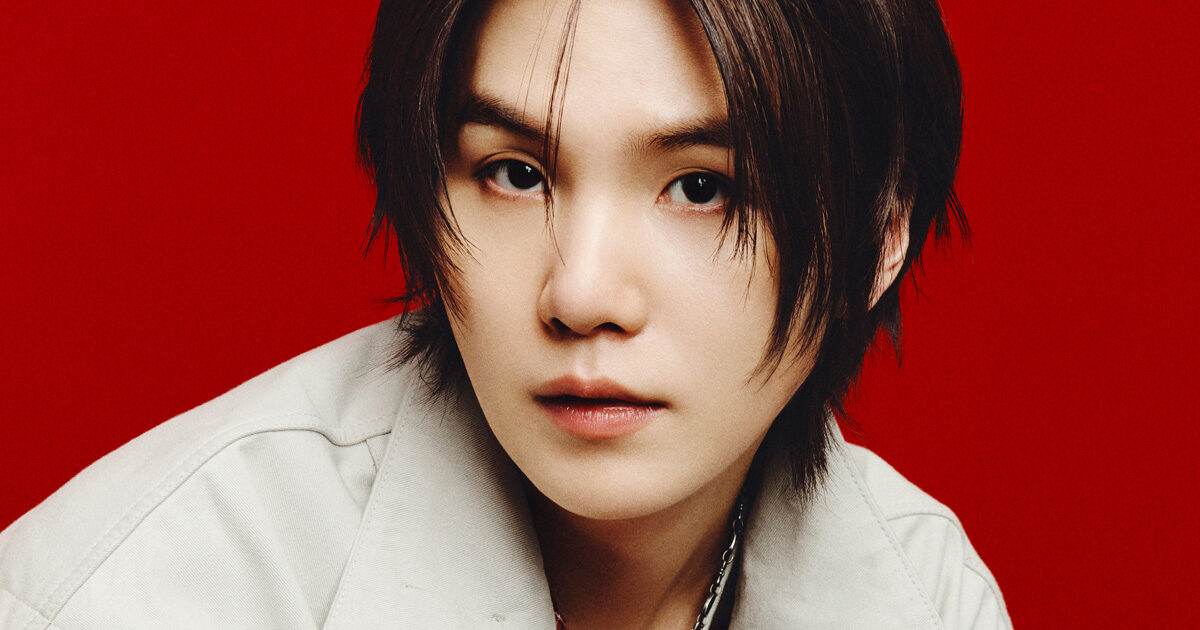

In a rare moment of profound vulnerability, BTS's Suga has pierced the polished facade of idol life, detailing the immense psychological burden of constant public scrutiny. His recent interview revelations go beyond a simple celebrity complaint, serving as a critical case study on the hyper-visibility of modern K-Pop stars, the evolution of media pressure, and the unsustainable expectations placed on artists. This analysis unpacks Suga's words to map the anatomy of fame-induced stress, examining its roots, its manifestations, and the changing dialogue around mental health that his stance powerfully advances.
- How Has the Nature of Public Scrutiny Evolved for Icons Like Suga?
- What Specific "Difficult" Scrutiny Does Suga Reference, and How Has He Historically Coped?
- Is This a Suga-Specific Issue or a Symptom of a Wider Industry Crisis?
- How Is Suga's Candor Shifting the Mental Health Dialogue in K-Pop?
- What Role Do ARMY and the Fandom Ecosystem Play in This Dynamic?
- FAQ: Understanding Scrutiny in the Idol World
How Has the Nature of Public Scrutiny Evolved for Icons Like Suga?
The journey from a trainee in a small agency to a global superstar for Suga mirrors a seismic shift in the very architecture of public scrutiny. The pressures faced today are qualitatively different in scale, speed, and permanence than those of even a decade ago.
The Pre-Digital Era vs. The 24/7 News Cycle
In earlier generations, media interaction was largely funneled through official channels: scheduled press conferences, managed variety show appearances, and print magazine interviews. Today, scrutiny is omnipresent and instantaneous. A single off-hand comment in a live stream, a momentary expression caught on a fancam, or a misinterpreted social media post can trigger a global firestorm within minutes, analyzed and dissected across countless platforms from Twitter to TikTok to niche forums.
From Domestic Tabloids to Global Media Deconstruction
For BTS, scrutiny expanded from Korean media outlets to encompass major Western publications like Billboard, Rolling Stone, and The New York Times. While often more analytical, this global gaze brings intense focus on their every artistic choice, political stance, and personal history. As Suga noted, the expectation to be a flawless representative of not just a company, but a nation and a generation, adds a geopolitical weight few artists have ever carried.
The Datafication of Popularity
Modern scrutiny is brutally quantified. Every move is tracked by real-time charts, brand reputation rankings, social media metrics, and stock price fluctuations. Artists like Suga are not just performers but data points. Our own analysis in pieces like Beyond The Ranking: The April Boy Group Member Brand Reputation Shakeup Decoded shows how these metrics create a relentless pressure cooker of visible, comparative success.
What Specific "Difficult" Scrutiny Does Suga Reference, and How Has He Historically Coped?
Suga’s allusion to "difficult" scrutiny isn't vague; it's a culmination of specific, sustained pressures witnessed throughout his career. His coping mechanisms, from lyrical therapy to strategic withdrawal, offer a blueprint for survival at the pinnacle of fame.
The Weight of Lyrical and Musical Criticism
As a primary songwriter and producer for BTS and his solo work as Agust D, Suga's art is deeply personal. Scrutiny of his music transcends mere critique of a performance; it feels like a critique of his soul. Early in his career, he faced dismissive attitudes towards idol rappers and producers. Even after proving his prowess, every release is subject to intense debate about authenticity, messaging, and commercial appeal, a pressure few mainstream pop stars face to this degree.
"The eyes on us... they're millions of magnifying glasses, and sometimes they burn." - A sentiment echoed in Suga's introspective lyrics long before this interview.
Navigating Personal Privacy in a Fishbowl
The invasion of privacy is a constant theme. From the dissection of his family and pre-debut life in early tracks like "The Last" to the speculation about his every interaction and health hiatus, the line between public figure and private individual has been perpetually under siege. His decision to undergo shoulder surgery was a private health matter that became a global news story, accompanied by unwarranted speculation about his future.

Artistic Outlet as a Pressure Valve
Suga's primary coping mechanism has always been channeling scrutiny into his art. The entire Agust D mixtape trilogy is a masterclass in using music as exorcism. Tracks like "The Last," "Dear My Friend," and "Amygdala" directly confront depression, societal pressure, trauma, and anxiety. By preemptively admitting his struggles, he attempts to disarm the critics. This aligns with the vocal resilience we analyzed in BTS ARIRANG Tour Vocal Analysis, where technical mastery meets emotional delivery under pressure.
Type of ScrutinyManifestation ExampleSuga's Documented Response Artistic AuthenticityCriticism of idol rappers, commercial vs. underground credibilityReleasing raw, explicit mixtapes as Agust D; lyrical transparency about mental health. Personal PrivacyMedia/fan speculation on health, relationships, and family.Strategic silence on private matters; addressing rumors indirectly through music or rare, controlled statements. Representational BurdenPressure as a Korean cultural ambassador, spokesperson for a generation.Embracing the role in interviews while candidly discussing its weight; focusing on universal messages in music. Professional PerformanceAnalysis of every live stage, production choice, and commercial performance.Meticulous preparation; continuous skill development (e.g., learning piano, improving live singing).Is This a Suga-Specific Issue or a Symptom of a Wider Industry Crisis?
Suga's experience is a high-profile case study in a systemic industry condition. The infrastructure of K-Pop, built on parasocial intimacy, relentless content, and hyper-competition, inherently manufactures this type of scrutiny.
The Parasocial Paradox
The industry cultivates a "closeness" between idols and fans through constant VLIVEs, bubble messages, and fan service. This blurs boundaries, making fans feel entitled to opinions on idols' personal lives, leading to the "difficult" scrutiny Suga describes. It's a double-edged sword: the source of immense support and also of suffocating expectation.
A Cross-Generational and Gender-Wide Reality
This pressure is not limited to male idols or veteran groups. Fourth-gen idols debut into this intensified environment. Stories like that highlighted in The Silver Strands Sparking Dialogue show physical manifestations of stress in extremely young artists. Similarly, global groups like KATSEYE, as analyzed in The KATSEYE Conundrum, face immediate, global dissection of group dynamics and company strategy from day one.
The "Content Machine" and Burnout
The demand for non-stop content—reality shows, social media updates, variety appearances—leaves no room for artists to breathe or exist out of character. This constant exposure provides more surface area for criticism. Groups known for intense performance prowess, like ATEEZ, face similar pressures, as explored in ATEEZ's Sonic Revolution, where every musical evolution is critically weighed.
How Is Suga's Candor Shifting the Mental Health Dialogue in K-Pop?
Suga’s decision to speak openly is a strategic and cultural act. It challenges deep-seated stigmas and pioneers a new framework for discussing artist well-being, moving the conversation from taboo to necessary.
From Stoic Endurance to Vulnerable Communication
The traditional expectation was for idols to express gratitude constantly and endure silently. Suga, alongside other members like RM who has spoken about therapist consultations, reframes struggle not as a failure but as a human reality. This legitimizes the experiences of countless other idols and fans.
Impact on Company Policy and Industry Standards
When an artist of Suga's stature speaks, agencies listen. This candidness adds pressure on companies like HYBE to prioritize mental health resources, enforce stricter boundaries against slander, and reconsider the relentless pace of promotions. It advocates for systemic change from within.
Empowering the Next Generation
Younger idols now have a powerful precedent. They can reference Suga's words to justify needing a break, seeking help, or setting boundaries. It helps normalize the use of psychological support within an industry where perfection is the marketed standard.
What Role Do ARMY and the Fandom Ecosystem Play in This Dynamic?
The fandom is not a monolith but a complex ecosystem that can both exacerbate and alleviate the scrutiny Suga describes. The relationship is symbiotic and perpetually evolving.
The Protective Battalion vs. The Toxic Minority
The vast majority of ARMY act as a defensive shield, proactively reporting malicious comments and celebrating the members' humanity. However, as with any massive fandom, a vocal minority can engage in "concern trolling," internal policing, or applying pressure regarding schedules and achievements, indirectly contributing to the stressful environment.
Consuming Candidness: Support vs. Over-Analysis
When Suga is candid, the fandom's response is crucial. Supportive messages that respect his vulnerability without dissecting it for hidden meanings can create a safer space. Conversely, over-analyzing every word of his confession for "clues" about his mental state replicates the very scrutiny he finds difficult.
Setting the Temperature of the Discourse
Fandoms ultimately control the temperature of online discourse. By choosing to focus on artistic support, celebrating milestones without toxic comparison to others, and respecting privacy, ARMY can directly reduce the "difficult" scrutiny Suga and BTS face. This is a conscious choice in engagement that our News page strives to model through responsible reporting.
FAQ: Understanding Scrutiny in the Idol World
Q: Is Suga complaining about being famous?
A: No. This is a critical distinction. He is addressing the specific, often invasive and psychologically taxing nature of constant, multi-directional scrutiny, not the fame itself. It's an observation about the quality of attention, not its quantity alone.
Q: Doesn't he have a team to handle this?
A> Yes, but management teams filter media requests and legal threats; they cannot shield an artist's psyche from the ambient awareness of being watched, judged, and discussed by millions daily. The psychological impact is personal and internal.
Q: Are things getting worse or better for idols' mental health?
A> It's paradoxical. Awareness and dialogue are improving (a positive), but the digital landscape makes scrutiny more intense and inescapable (a negative). The hope is that the rising dialogue, led by figures like Suga, leads to better systemic safeguards.
Q: How is this different from criticism any artist faces?
A> The K-Pop idol system adds unique layers: intense parasocial expectations, the pressure of representing a collective (group, company, nation), a rigorous "perfect" persona, and a culture where public criticism can be violently extreme ("anti" culture).
Q: What can fans do after hearing this?
A> Engage mindfully. Support art, celebrate successes, offer kindness, and defend against malice. Crucially, respect the boundary between supporter and entitled commentator. Trust that artists share what they wish to, when they wish to.
Conclusion: The Unseen Labor of Stardom
Suga’s interview is more than a headline; it's a landmark moment of institutional critique from within K-Pop's highest echelon. It names the unseen labor of modern stardom—the emotional and psychological management required to navigate a world of infinite eyes. His vulnerability is, ironically, a show of immense strength and a demand for a more humane paradigm.
This isn't just about BTS. It's about the future health of the entire industry. As K-Pop continues its global conquest, the well-being of the artists propelling it must be prioritized with the same innovation and resources applied to music production and marketing. The next step for engaged fans and industry watchers is to absorb this lesson, advocate for sustainable practices, and continue supporting artists as complex human beings, not just content-producing idols. For more deep dives into the artists shaping this conversation, explore our full Artists page.