

A Hush Over the Stadium
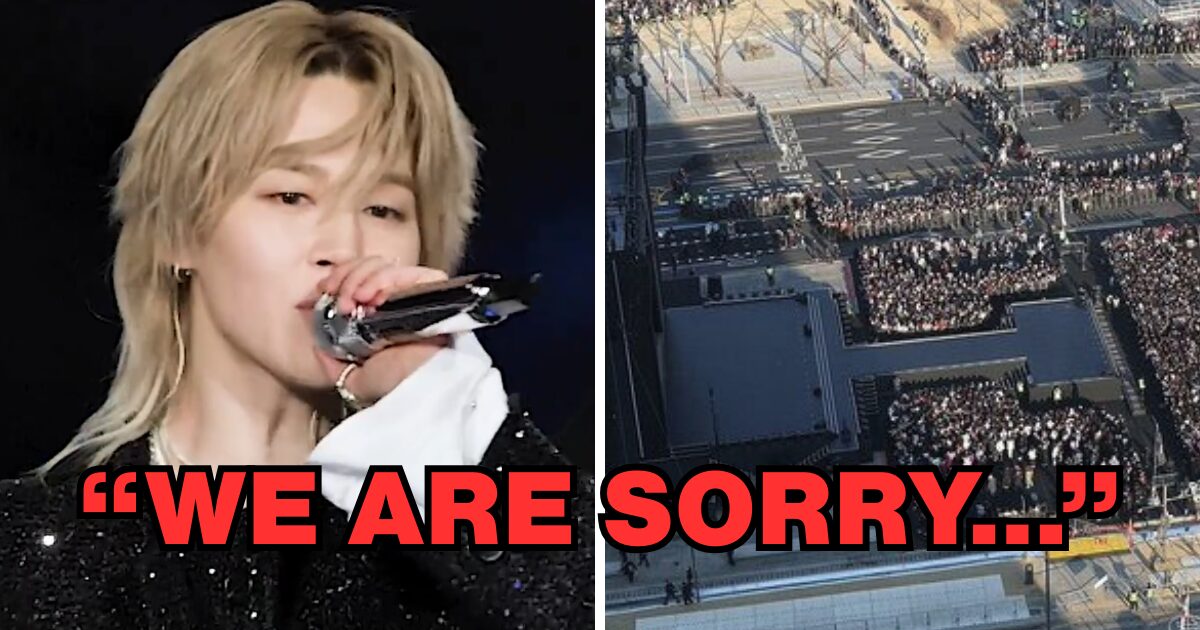
The atmosphere inside Seoul’s Olympic Stadium was electric, a palpable wave of devotion from over 70,000 ARMY members cresting as BTS’s Jimin stepped forward during the encore. But this was not the prelude to a high note or a dance break. The cheers softened into a confused murmur, then a deafening, anticipatory silence. The superstar, known for his radiant smile and flawless stage presence, stood alone under the spotlight, his face etched with a gravity seldom seen in a concert setting. He took a deep, steadying breath, gripped the microphone, and began to speak words no fan expected to hear: a heartfelt, personal apology. This unscripted moment, now etched into the group’s legendary history, did not just address a controversy—it dismantled it, revealing the unshakable human core beneath the global phenomenon.
Rooted in Respect: The BTS Foundation
To understand the seismic impact of Jimin’s apology, one must first understand the bedrock upon which BTS was built. Since their debut, Bang Si-hyuk and Big Hit Music (now under HYBE) instilled a culture of profound gratitude and mutual respect. This wasn’t just PR; it was a foundational ethic. The members have consistently credited their staff—from producers and choreographers to managers and makeup artists—as the unsung architects of their success. Their speeches at awards shows famously run long because they insist on naming every department. This genuine culture has been a key differentiator, fostering a loyal, familial company environment that fans have long admired.
However, the scale of their success has created unprecedented logistical challenges. As explored in our previous coverage, "Beyond 'Borrowing the Moon'", the sheer magnitude of ARMY’s devotion can strain public systems and corporate infrastructure. With global fame comes intense scrutiny, where every interaction, real or perceived, is magnified. The group has navigated controversies before, often related to the immense societal shadow they cast, as seen in debates sparked by incidents like increased security measures. Yet, a public rift with their own staff was uncharted and deeply troubling territory.
The Spark: When Rumors Become a Firestorm
The controversy began subtly. Over the past week, anonymous forum posts and whispers from purported "insiders" suggested growing tensions behind the scenes of the ongoing "Yet to Come in Seoul" encore concerts. The allegations were vague but damaging: claims of "diva behavior," unreasonable last-minute demands, and a dismissive attitude toward certain crew members. These rumors gained traction in niche online communities, often fueled by the kind of speculative toxicity that surrounds mega-celebrities.
The situation escalated rapidly when a single, out-of-context video clip from a rehearsal—showing a tired-looking Jimin speaking tersely to a staff member—went viral. While the audio was inaudible, the narrative was already set. The clip became "evidence" for the burgeoning scandal. For an artist and a group whose brand is built on kindness and respect, these accusations struck at their most sacred value. The silence from HYBE's official channels, likely due to the complexity of addressing nebulous online gossip, only allowed the speculation to balloon. The fanbase, ARMY, was fractured between those dismissing the rumors as malicious fabrications and those expressing deep concern over the group's cherished principles.
The Moment of Truth: Jimin's Unflinching Address
This was the tinderbox Jimin walked into on the final night of the Seoul concert series. Rather than letting the show end on a pure high, he chose to confront the storm head-on. After the final scheduled song, as confetti still drifted in the air, he requested the house lights be brought up.
"ARMY, before we say goodbye tonight, there is something very important I need to say. These last few days, my heart has been so heavy," he began, his voice thick with emotion. "I’ve heard the stories being told about me and about how we treat the people who work tirelessly to make these dreams come true for us. To think that I, or any of my brothers, would ever show disrespect to our staff… it hurts more than any other words."
He then detailed, without revealing private details, the immense pressure of mounting a stadium show, acknowledging that in moments of extreme stress, intentions can be misunderstood. "In trying to perfect every detail for you, the focus can become narrow. A tired voice, a rushed conversation… these can be twisted into something they are not. But that is no excuse."
A Public Vow and a Personal Burden
Jimin then did something extraordinary. He turned away from the audience and faced the wings of the stage, directly addressing the off-stage team. "To every single one of our staff, our producers, our coordinators, our security team, our stage crew—I am so sorry. I apologize for any pain the rumors have caused you, and I apologize personally if my actions, in any moment, ever made you feel unappreciated. You are our family. We are nothing without you." He then bowed deeply, holding the position for a long moment as the stadium remained in stunned silence.

This wasn't a corporate statement read from a teleprompter. It was a raw, personal assumption of responsibility. He thanked the staff by name—mentioning long-time choreographers, sound engineers, and managers—highlighting specific contributions. He concluded by turning back to ARMY. "Please, do not direct your love for us into anger toward others. Instead, please show your amazing love and support to our staff as well. They deserve the world." The act of redirecting fan devotion from a defensive posture to one of collective gratitude was a masterstroke of emotional intelligence and leadership.
ARMY's Echo: From Outrage to a Unified Front
The reaction across the fandom and the broader K-Pop community was immediate and transformative. Social media, which had been a battleground, pivoted almost instantly.
- Trending Hashtags: #WeTrustJimin and #ThankYouBTSStaff began trending globally within minutes, drowning out the negative chatter.
- Fan Projects: Fanbases organized coordinated thank-you messages and virtual flower deliveries to HYBE’s staff departments, heeding Jimin’s call directly.
- Veteran ARMY Voices: Long-time fans penned lengthy threads contextualizing the moment, reminding newer fans of BTS’s decade-long record of staff appreciation, contrasting it sharply with the fleeting nature of unverified rumors.
The most poignant reactions came from those who saw it as a painful but necessary growth moment. One fan tweeted, "He stood there and showed us that being the strongest doesn't mean never stumbling; it means having the courage to acknowledge it and help others up with you. I've never been prouder." Another noted, "He protected our fandom's spirit tonight. He stopped us from becoming something toxic and reminded us who we're supposed to be." The controversy, rather than causing lasting damage, seemed to deepen the bond of trust between artist and fan, and refocus collective attention on the often-invisible workforce behind the spectacle.
Industry Reverb: A New Standard for Scandal Response?
Within the insular world of K-Pop, Jimin’s action sent shockwaves. The standard playbook for idol scandals involves carefully worded agency statements, sometimes vague apologies, and a period of quiet hiatus. A direct, emotional, and detailed address from the idol themselves, on stage in front of tens of thousands, is virtually unprecedented at this scale.
Industry analysts are now debating the implications. Some see it as a risky but ultimately brand-saving move that only an artist with Jimin’s established sincerity and BTS’s cemented legacy could pull off. "It was high-stakes emotional authenticity," says culture critic Lee Ji-young. "In an industry built on controlled images, he traded that control for transparent humanity. The public rewards that, but it's a path fraught with peril for artists without the same reservoir of public goodwill."
The act also puts indirect pressure on other agencies. When faced with similar internal rumors, can they expect their artists to follow suit? Or will it highlight a disconnect between their idols' on-stage persona and off-stage reality? It draws a fascinating parallel to other recent industry moments where unscripted sincerity caused shockwaves, such as ENHYPEN Ni-ki's live stream moment, though with vastly different tones and outcomes.
HYBE's Quiet Endorsement and the Bigger Picture
Notably, HYBE issued no separate statement. Their silence was a powerful endorsement, allowing Jimin’s words to stand as the definitive resolution. This reflects a mature artist-agency relationship where the artist is trusted as the authentic voice. It also cleverly defuses the situation; there is no "corporate spin" to critique. This stands in contrast to controversies that involve higher-level corporate figures, such as the discussions sparked by Bang Si-hyuk's past concert cameos.
Furthermore, this event highlights the evolving role of the idol. They are no longer just performers but CEOs of their own image, diplomats, and now, in moments of crisis, their own most effective spokespeople. Jimin demonstrated that the currency of trust is more valuable than the currency of flawless perfection.
Healing and Moving Forward: The Road After the Apology
So, what comes next for BTS and Jimin? In the immediate term, the focus will shift back to music and military enlistment preparations. However, the legacy of this night will linger.
- Strengthened Internal Bonds: By publicly defending and thanking staff so profusely, Jimin has likely solidified team morale behind the scenes. The staff, often the silent sufferers in public scandals, have been publicly validated by the very star they were allegedly at odds with.
- A Blueprint for Maturity: This incident becomes a case study in the group’s maturity. It moves their narrative beyond record-breaking chart achievements and into the realm of ethical leadership within the entertainment industry.
- ARMY's Refocused Mission: Jimin successfully channeled the fandom's protective energy into a positive, appreciative force. This may influence how ARMY engages with future challenges, prioritizing supportive action over defensive aggression.
Ultimately, the "massive controversy" was not about a verified transgression, but about the threat to a story—the story of BTS as humble, grateful artists. Jimin, in a stunning act of narrative reclamation, didn't just deny the threat. He rewrote the story in real-time, making it more powerful, more human, and more convincing than ever before. He transformed a potential stain on their legacy into a gleaming testament to it. In the annals of K-Pop, this will be remembered not as the scandal that threatened BTS, but as the night Jimin, with tears and unwavering eye contact, showed the world what BTS truly stands for, proving that their greatest performance might just be their authenticity itself.