

Opening: A Forecast That Shook a City
The air in Seoul has been thick with anticipation for months, a palpable electricity familiar to anyone who has witnessed a BTS comeback season. But this week, a single, staggering figure from an official police briefing transformed that excitement into a tangible, logistical reality that has left the nation, and the industry, reeling. In preparation for the group's monumental "2024 BTS FESTA" comeback concert at Seoul World Cup Stadium, the Seoul Metropolitan Police Agency disclosed they are preparing for a peak crowd of approximately 260,000 people to descend upon the area. This number, far exceeding the stadium's 66,000 capacity, is not just a testament to BTS's enduring power; it is a seismic event that forces a reckoning with the very scale of modern fandom, testing the limits of infrastructure, security, and what it means to welcome home the world's biggest band.
This prediction transcends typical concert hype. It sketches the outline of a temporary city, a spontaneous gathering of ARMY that would rival the population of major urban centers, all mobilized by the return of seven artists from their mandatory military service. The police forecast has become the lead story, overshadowing even the setlist rumors, because it quantifies a cultural phenomenon in the most concrete terms possible: bodies, space, and the monumental effort required to keep them safe. As one city official anonymously stated, "We are not planning for a concert. We are planning for a mass human movement of historic proportions."
"The 260,000 figure isn't just about tickets. It's about the global ARMY ecosystem—the fans who will fly in without entry, just to be in the city's energy, to camp in the parks, to gather at live play zones. Our planning has to account for a concentric ring of fandom radiating far beyond the stadium walls." — Senior Official, Seoul Metropolitan Police Agency (speaking on background).
Background: The Long Road Back to the Stage
To understand the magnitude of this moment, one must rewind through what has felt like an eternity for ARMY. Since the announcement of the group's hiatus from group activities to fulfill South Korea's mandatory military service, the global fandom has operated in a state of suspended animation. Each member's enlistment was a carefully staggered, emotionally charged event, chronicled in real-time across social media. During this period, the members pursued individual projects—from Jin's variety show appearances and astronaut training to j-hope's headline-making set at Lollapalooza, RM's introspective solo work and collaborations, and the flourishing acting and solo music careers of V, Jimin, Jung Kook, and SUGA.
Yet, the longing for the ot7—the complete, seven-member unit—only grew stronger. Their last full-group concert before the enlistments was an emotionally charged event that felt like both a celebration and a farewell. The "2024 BTS FESTA" concert, timed to the group's annual anniversary celebration but on a scale never before attempted, was announced not merely as a comeback show, but as a re-coronation. It symbolizes the end of a chapter defined by separation and the triumphant start of their "Chapter 2," a phrase that has taken on almost mythical significance. This context is crucial: the 260,000 are not just concertgoers; they are pilgrims marking the end of a long, shared journey. For a deeper look at how BTS members navigate their individual voices within the group dynamic, our analysis of RM's lyrical approach explores the fine line between solo artistry and collective identity.
A Fandom in Waiting: The ARMY Economy
The economic ripple effect of this comeback has been measurable for quarters. Flight bookings to Seoul for the concert dates spiked over 300% year-on-year from key markets in Southeast Asia, North America, and Europe. Hotel occupancy in the Mapo-gu district, near the World Cup Stadium, is at 98%. Local merchants have created special BTS-themed menus and goods, a practice now known as "BTS-proofing" a business. This isn't just a concert; it's a stimulus package. The police's crowd estimate confirms what economists have been predicting: the "BTS Effect" is back online at full, unprecedented power. The scale is so vast it even echoes past controversies about public space and security, reminiscent of the debates sparked by increased security measures during previous BTS events.
The News: Decoding the 260,000 Blueprint
The police briefing was a masterclass in logistical forecasting, breaking down the daunting 260,000 figure into comprehensible streams. Officials explained that the estimate accounts for multiple, overlapping layers of attendance:
- Primary Ticket Holders (66,000): Fans with actual seats inside Seoul World Cup Stadium.
- Live Play Zone Attendees (40,000-60,000): HYBE, in collaboration with the city, will set up massive outdoor screens in designated parks (like Haneul Park and Nanji Hangang Park) for free viewing. This is a direct response to demand, but a major crowd multiplier.
- The "Atmosphere" Crowd (100,000+): This is the most astonishing category. It comprises international and domestic fans with no ticket or live play access, who plan to travel to Seoul simply to be near the event, participate in fan-organized gatherings, experience the city-wide celebrations, and be part of the historic moment. Police track hotel bookings, flight data, and social media sentiment to gauge this number.
- General Public & Traffic (30,000+): Everyday citizens whose movement will be affected by road closures, added public transport pressure, and general curiosity.
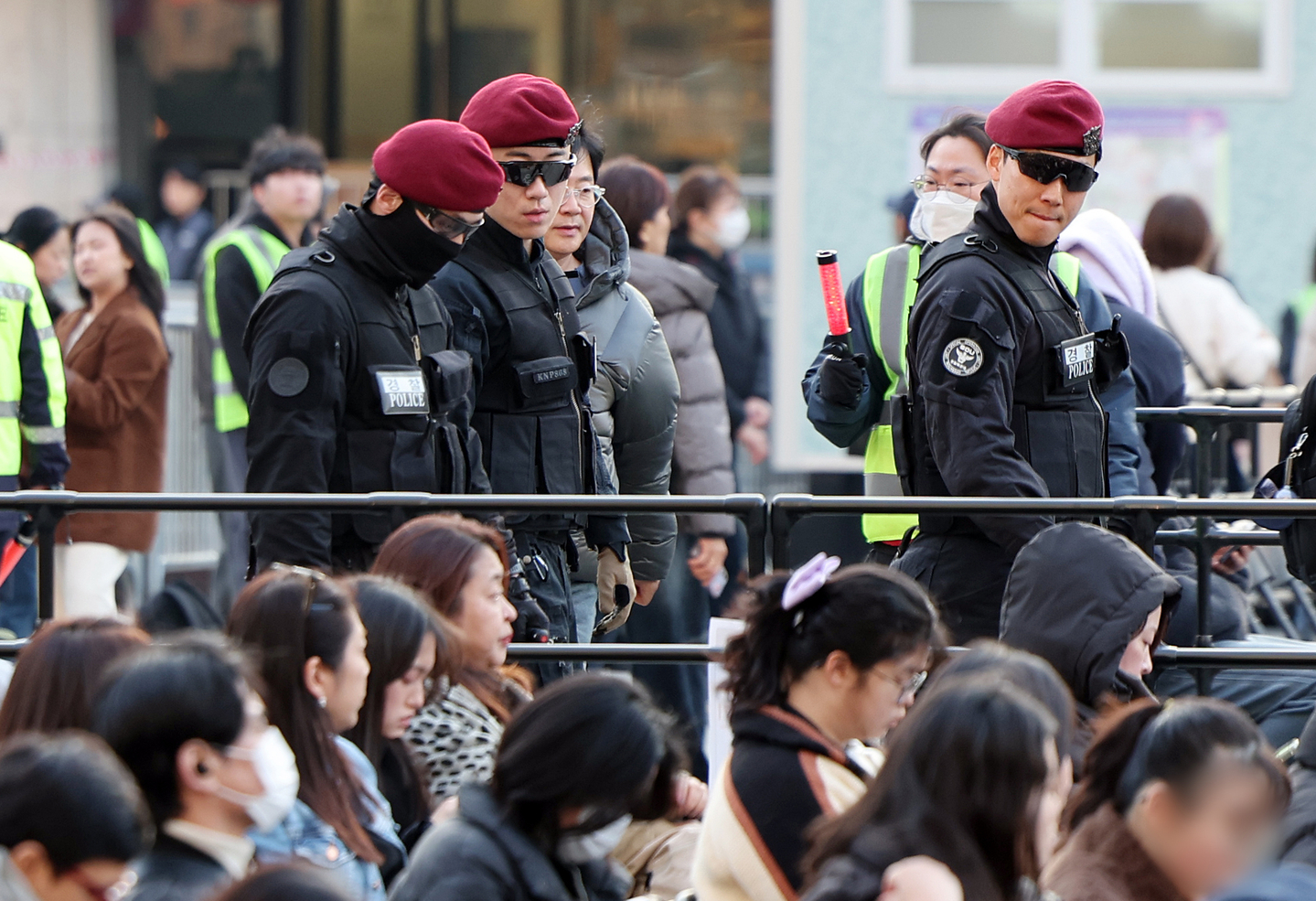
The operational plan is commensurate with the threat—or opportunity—profile. Over 5,000 officers will be deployed, a number typically reserved for national protests or major international summits. A dedicated command center will monitor hundreds of CCTV feeds in real-time. Public transportation, particularly the Seoul Subway Line 6, will run on a 24-hour schedule for the key nights, with express buses laid on from other districts. Ambulance bays and field medical stations will be established around the live play zones. "The goal is safety through flow," explained a traffic management coordinator. "We cannot stop people from coming. Our strategy is to anticipate their movement and create channels to manage it."
The HYBE & City Partnership: A New Model?
This event is notable for the deep coordination between HYBE and multiple Seoul government agencies. It moves beyond a simple permit application into the realm of a jointly managed mega-event. The city sees immense value in the global spotlight and economic boost, while HYBE needs the city's full machinery to realize their vision for the comeback. This partnership, however, is not without its tensions. Some city council members have quietly questioned the allocation of such vast public resources to a private corporate event, a debate that will likely intensify in the aftermath. It recalls the complex interplay of corporate and founder influence discussed in the analysis of Bang Si-hyuk's concert cameos.

Fan & Community Reaction: Organized, Overwhelmed, and Overjoyed
The ARMY reaction to the police estimate has been a fascinating blend of pride, concern, and meticulous planning. On platforms like Twitter (X), Weverse, and TikTok, the dominant sentiment is one of awe: "Only BTS could cause a city to plan for a quarter-million person gathering." Hashtags like #260KARMY and #BTSComebackCity are trending globally.
However, the famously organized fandom is also deeply involved in the practicalities. Fan unions across the globe have been sharing detailed guides on "How to Navigate FESTA Weekend," including:
- Recommended arrival times at live play zones.
- Maps of lesser-known subway exits to avoid congestion.
- Lists of essential items to pack (from portable chargers to rain ponchos).
- Reminders about local etiquette and safety protocols.
This self-policing and community care are hallmarks of the ARMY culture. As one fan base manager from the Philippines told us, "We feel a responsibility. This is our family gathering, and we want everyone to be safe and happy. The police number just made us double-check our own plans." This level of fan organization stands in stark contrast to the spontaneous and often chaotic revelations that can rock other fandoms, such as the unforeseen turmoil caused by unscripted moments during idol live streams.
The Local Resident Perspective
Within Seoul, reactions are mixed. Businesses in the vicinity are thrilled, preparing for a windfall. "It's like the World Cup and New Year's Eve combined," said a cafe owner near the stadium. Others, particularly residents in apartments bordering the planned live play zones, are anxious about noise, trash, and access to their homes. The district office has set up a dedicated hotline and is holding community briefings to alleviate concerns, promising intensive clean-up crews and strict noise curfews. This micro-level community impact is a crucial, often overlooked, part of the K-Pop events ecosystem.
Industry Analysis: Redefining the "Concert" and the Idol's Place in Society
The implications of this event for the K-Pop industry are profound. Firstly, it resets the ceiling for what a "comeback" can be. It is no longer confined to music show appearances and a fan meeting. For the top tier of artists, it must be a multi-platform, city-scale happening. Competitors and agencies are undoubtedly studying this model, knowing that replicating it requires a fandom with BTS's specific global reach and demographic weight.
Secondly, it forces a reevaluation of the idol-group relationship with public infrastructure. BTS has long transcended the "idol" label to become cultural ambassadors. This event positions them, and by extension HYBE, as quasi-civic partners capable of mobilizing and managing populations on a scale comparable to a government. This grants immense soft power but also invites immense scrutiny. Any incident—a crowd crush, a major traffic failure—would have devastating reputational consequences.
Economically, the "BTS Effect" is now a predictable, quantifiable force that national tourism boards and city planners will seek to harness. The concert is a potent advertisement for post-pandemic Seoul, showcasing its ability to host the world's biggest cultural events. You can track the inevitable chart dominance that will follow this physical gathering on our Charts page, which will monitor the global streaming and sales surge.
"This isn't a concert crowd; it's a demographic snapshot. The 260,000 represent a highly mobile, digitally-native, and passionately engaged global community. For brands and governments, understanding how BTS catalyzes this movement is the key to understanding youth culture for the next decade." — Dr. Lee Min-ji, Professor of Cultural Studies, Seoul National University.
What's Next: The Show Must Go On, and Then What?
As the final rehearsals take place behind closed doors, all eyes are on Seoul's weather forecast, its subway control rooms, and the first fans who will begin queuing days in advance. The "2024 BTS FESTA" will be dissected in real-time, its success measured not just by the performance on stage, but by the smoothness of operations off it. The post-concert analysis will be relentless: Did the systems hold? Was the experience positive for fans and residents alike?
For BTS, this concert is the explosive first step in a much-anticipated new chapter. The world tour announcements will certainly follow, each likely requiring similar, city-by-city logistical feats. The music itself, the first OT7 release in years, will carry the weight of this monumental homecoming. For more on the artists driving this and other industry movements, explore our comprehensive Artists page.
But perhaps the most enduring legacy of this moment may be the blueprint it creates. The 260,000 figure, once a shocking prediction, may become a benchmark. It solidifies the concept of the "destination comeback," where the event is so significant that the location becomes part of the narrative. It proves that in the digital age, the hunger for physical, collective experience is stronger than ever. As the lights go down on Seoul World Cup Stadium and the first chords ring out for a sea of people stretching to the horizon, the message will be clear: BTS is back, and they are not just filling a stadium; they are, for a fleeting, spectacular moment, redefining the city itself. The industry, and the world, will be watching to see how a city holds a quarter-million dreams at once, setting a precedent that will resonate far beyond this weekend, shaping the future of live music and global fandom for years to come.