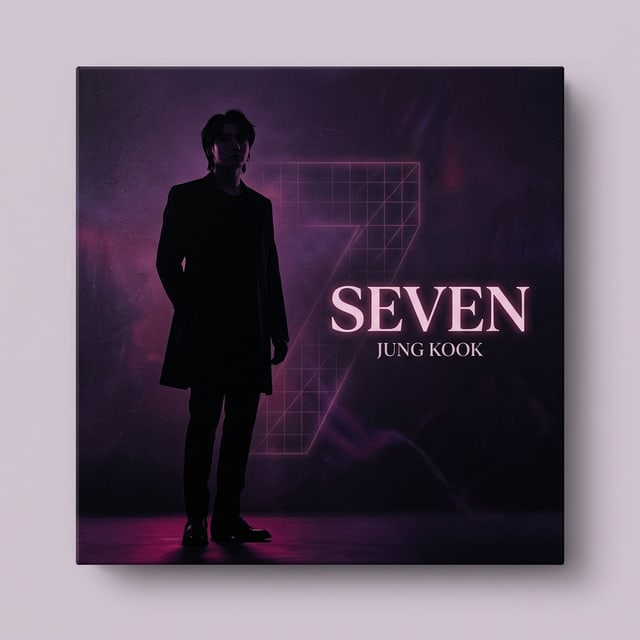

The shimmering, near-mythical narrative of BTS has long been built on a foundation of seven pillars. More than just synchronized dancers and harmonious vocalists, the members—RM, Jin, SUGA, j-hope, Jimin, V, and Jung Kook—have been presented to the world as an unbreakable brotherhood. Their motto, “Beyond The Scene,” symbolized not just artistic evolution but a bond that transcended the typical idol group dynamic. Phrases like “we are family” weren’t just fan service; they were the bedrock of the BTS universe, a key reason ARMY invested so deeply, both emotionally and financially. Yet, the meticulous construction of that universe is facing one of its most significant public stress tests, not from external scandals, but from within the fandom itself.
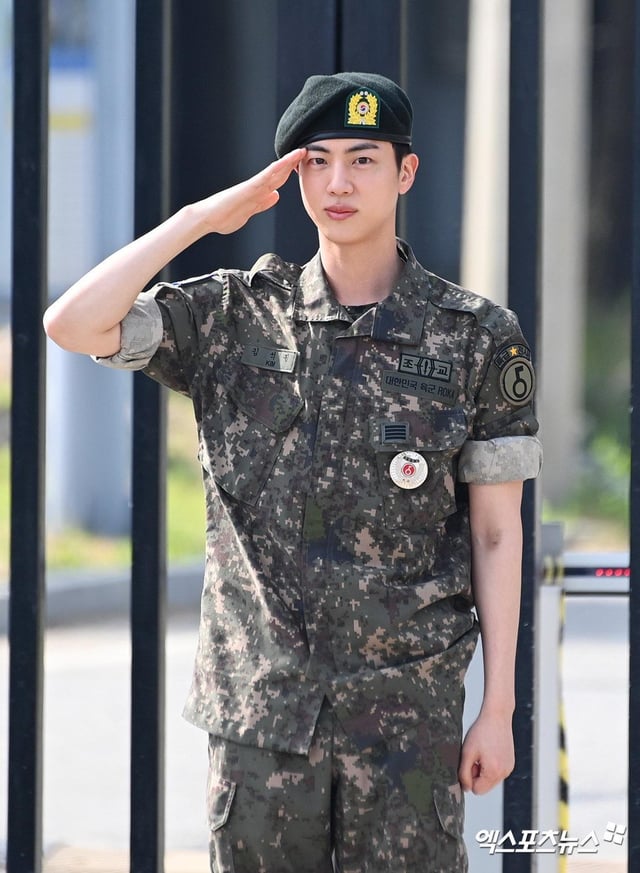
The catalyst? The highly anticipated comeback activities for Jin, the group’s eldest hyung, following his discharge from mandatory military service. What should be a moment of joyous, full-circle celebration has instead morphed into a cloud of confusion, concern, and palpable anger among a segment of the fanbase. Multiple reports, fan-compiled timelines, and observed absences from key promotional events have led to a singular, distressing question echoing across social media platforms: Is BTS’s cherished “family” bond being prioritized, or is it being strategically sidelined for corporate convenience?
The Bedrock of a Dynasty: Understanding the BTS "Family" Brand
To grasp the magnitude of the current discourse, one must understand what the BTS bond represents in the K-Pop ecosystem. Unlike many groups whose public interactions can feel curated or distant, BTS’s narrative was meticulously crafted and felt authentically lived-in. From their early Bangtan Bombs showing chaotic dorm life to heartfelt acknowledgments of their struggles in documentaries like Burn the Stage, their story was one of mutual survival and profound affection. This wasn't merely a successful business partnership; it was framed as a lifelong friendship forged in fire.
"We really grew up together. We share the same memories, the same pain, and the same happiness. That’s something no one can take away from us," RM stated in a past interview, a sentiment echoed countless times by each member.
This “family” concept became their unique selling proposition. It fueled the trust of ARMY, who believed that supporting one member meant supporting all, and that the group’s decisions, even difficult ones like the military enlistment sequence, were made with collective care. This deep-seated belief in their unity is what made their global dominance feel human and their record-breaking achievements, like the monumental viewership for "THE COMEBACK LIVE: ARIRANG" on Netflix, feel like shared victories. The bond was the engine of their brand.
The Enlistment Era: A Pledged Promise of Return
The members' sequential enlistment, beginning with Jin in December 2022, was a period of anxious transition. The promise from HYBE and the group was clear: this was a pause, not an end. Activities would continue in a staggered format, and the eventual full-group comeback would be an epochal event. Jin’s discharge in June 2024 was the first step in that long-awaited reunion, met with tears of joy from fans worldwide. The expectation was a gradual, respectful reintegration of the eldest member into the spotlight, celebrating his return while bridging the gap created by his absence.
The Spark: A Comeback Clouded by Omission
The current controversy stems not from a single press release, but from a pattern of perceived omissions during Jin's first major post-discharge project. While details of the comeback itself are under wraps, fan-led scrutiny of pre-comeback activities has raised alarms.
Key points of contention include the reported absence of Jin from initial group planning meetings for the comeback cycle, his lack of involvement in the early concept photo shoots that allegedly included the other six members, and—most glaringly to fans—his solo appearance on a popular variety show to promote the comeback, where he was reportedly the only BTS member featured. This stood in stark contrast to previous group comebacks, where even during busy solo schedules, members would make supporting appearances on each other's promotional content, reinforcing the "we are together" image.
"It feels like they're introducing Jin as a soloist who happens to be in BTS, not as the returning heart of BTS," one longtime fan commented on an online forum. "Where is the 'Welcome back, hyung' from the members? Where are the behind-the-scenes clips of them rehearsing together or celebrating his return?"
Further fuel was added by the alleged logistical handling. Insiders suggest that Jin’s schedule was managed separately from the other members’ for a significant portion of the pre-comeback period, with different teams and less cohesive cross-promotion. For a fandom trained to analyze every detail, this separation sent a discordant message.

HYBE's Strategic Muddle: Solo vs. Group Synergy
Industry observers point to a potential conflict in HYBE’s post-enlistment strategy. The company has successfully launched and sustained the members' solo careers during the group's hiatus. Now, the challenge is re-integrating seven established solo artists—each with massive individual fandoms and distinct professional identities—back into the BTS group entity. The current approach with Jin’s comeback appears, to critics, as a clumsy hybrid: using the BTS brand to amplify a solo endeavor without committing to the full, collaborative "OT7" presentation fans crave. This taps into broader anxieties about whether HYBE views the full-group unit as logistically cumbersome compared to the flexibility of managing separate, highly profitable solo acts.
ARMY's Fractured Front: Love, Logic, and Loud Outrage
The fan reaction has been a complex tapestry of disappointment, defensive logic, and investigative fervor. Social media platforms are the main battleground.
On one side, a vocal faction expresses deep hurt. Hashtags questioning Jin's treatment and the group's unity have trended globally. Long-form threads meticulously catalog his apparent absences, comparing them to past comebacks. This group views the situation as a betrayal of the core brand promise. They argue that if the "family" narrative was ever real, Jin's return should be the central, celebrated focus of all seven members, not a siloed event.
On the other side, more pragmatic fans urge caution. They speculate about simple, non-malicious reasons: Jin needing personal adjustment time post-military, conflicting solo schedules already contracted before his discharge, or a desire by the company to give him a dedicated solo spotlight before the full group onslaught. They warn that assuming the worst damages the very bond fans claim to protect.
Then there's the middle ground, expressing quiet concern. These fans aren't ready to cry betrayal but are uneasy. They point to the changing nature of the K-Pop industry itself, where the intense, family-like bonds of earlier generations, like the heartfelt reunion of Girl's Day, can sometimes feel like a relic in the hyper-commercialized, corporate-driven landscape of 4th generation and beyond. The conversation has even drawn parallels to discussions about idol life cycles, reminiscent of when we covered BELUGA's Sena announcing her child, showcasing the evolving pressures on idols at different career stages.
Industry Echoes: A Systemic Crossroads for K-Pop
This incident reverberates beyond BTS and touches on critical, systemic questions within the K-Pop industry.
The Sustainability of the "Family" Narrative: As groups mature into their late 20s and 30s, with individual careers, personal lives, and military service behind them, can the intense "we live together, we are brothers" image be maintained authentically? Or does it naturally evolve into a more professional, respectful partnership? BTS is the first group of its global magnitude to hit this phase, making them the test case.
Corporate Control vs. Artist Agency: The controversy hinges on a key unknown: are these decisions made by HYBE management for logistical or strategic reasons, or do they reflect the actual wishes of the BTS members, including Jin? Have the members themselves, as grown men and veteran artists, chosen a more independent working style? The lack of clear communication from either the company or the members leaves a vacuum filled by anxiety.
The Monetization of Nostalgia: The industry is increasingly reliant on fan emotional investment. BTS’s bond is a priceless asset. Any perception that this bond is being undervalued or manipulated for short-term gain risks severe brand damage. It challenges the model that companies can have it both ways: monetizing deep emotional connection while treating artists as separate commercial units. This tension between artistic identity and commercial branding is not new, as seen in innovative but controversial campaigns like McDonald's "KPop Demon Hunters" campaign, which blended idol appeal with franchise needs.
The Precedent for Legends
Every legendary group faces this transition. The ones who endure, like Shinhwa, did so through transparent communication and clear evidence of mutual commitment beyond the stage. The ones who fracture often do so amid whispers of mismanagement and perceived inequity. The world is watching to see which path BTS—and HYBE—will take.
Beyond the Headlines: What the Future Holds for BTS and ARMY
The coming weeks will be critical. The rollout of Jin's comeback and the subsequent activities of all seven members will be dissected like never before. Every interaction—or lack thereof—will be loaded with meaning.
The most likely path forward involves a strategic correction from HYBE's communications team. Expect a surge of carefully curated "OT7" content: behind-the-scenes videos showing the members together, social media posts from the others supporting Jin's release, and interviews emphasizing their collective excitement for the future. The goal will be to reassure the fanbase that the bond is intact, even if the operational mechanics have changed.
Long-term, this episode may force a more honest conversation between artists, company, and fandom. The "family" narrative may need to be subtly reframed as a deep, enduring bond that doesn't require 24/7 togetherness, but is proven through lasting support and shared history. It also underscores the immense pressure on BTS as they navigate this new chapter. They are not just making music; they are actively managing the expectations of a global community that loves them as a unit.
Ultimately, the strength of BTS's bond will be judged not by promotional cycles, but by time. Can their connection, as they promised, go "Beyond The Scene" of fame and into the decades of life that follow? For now, ARMY's love is being tested by a new emotion: doubt. How HYBE and BTS choose to address that doubt will define their legacy as much as any record on the charts or award show trophy. The world’s biggest boy band now faces its most delicate performance yet: proving that the family fans believed in is still there, not just as a marketing slogan, but as a living, breathing reality. As the industry evolves, keeping track of these dynamics is crucial, which is why fans consistently turn to sources like our News page for ongoing, in-depth analysis.