
A Dawn Watched By Millions
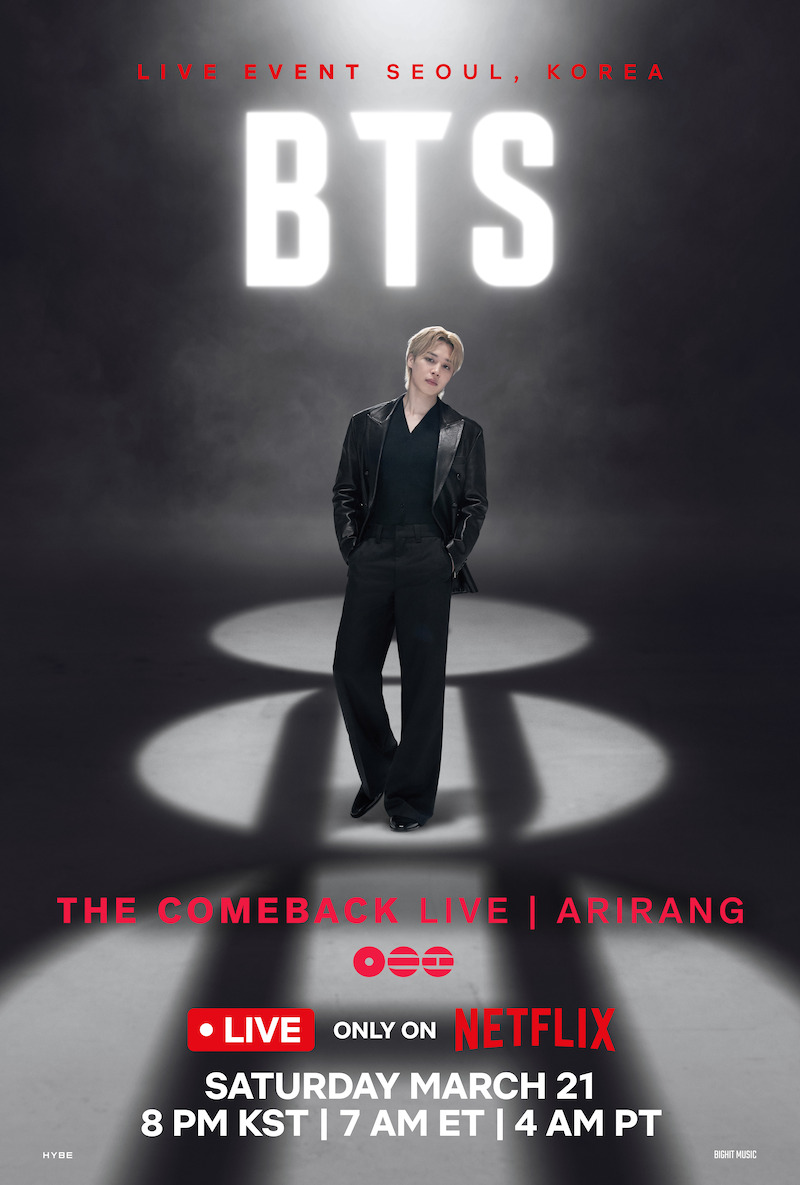
In the quiet hours before sunrise in Seoul, a digital constellation of over 18 million points of light flickered to life across the globe. They weren’t tuning in for a pre-recorded concert film or a glossy documentary, but for a live, shared moment of reckoning. On March 23, BTS staged their first full-group live performance in nearly two years, a comeback special titled “ARIRANG,” broadcast exclusively on Netflix. Within 24 hours, Netflix announced a staggering viewership of 18.4 million unique accounts, a number that doesn’t just break records—it vaporizes them. This wasn't merely a concert; it was a global cultural event that leveraged streaming architecture to forge an unprecedented level of simultaneous intimacy and scale. For the members—RM, Jin, SUGA, j-hope, Jimin, V, and Jungkook—and the ARMY fandom, it was a profound, emotional homecoming. For the industry, it was a masterclass in narrative control and a bold blueprint for the future.
The Long Road to ARIRANG: A Context of Anticipation and Absence
To understand the seismic impact of those 24-hour figures, one must first grasp the journey that preceded them. BTS’s decision to begin fulfilling mandatory military service in late 2022 initiated a period of planned hiatus unlike any other in pop history. This wasn't a disappearance. Instead, it was a strategic, member-by-member transition into service, punctuated by a relentless stream of individual projects that kept the group's creative flame burning brightly. From Jungkook’s record-breaking solo debut with GOLDEN to Jimin and V’s own acclaimed releases, the members proved their individual star power. Yet, the central promise, the North Star for ARMY, was always 2025—the year of their slated full-group reunion.
The “ARIRANG” special, however, served as a powerful prologue to that 2025 story. The choice of title itself was deeply symbolic. “Arirang” is a centuries-old Korean folk song, a melancholic yet resilient anthem of separation, longing, and hope that is often considered an unofficial national hymn. By invoking it, BTS connected their personal narrative of temporary parting for national service to a timeless Korean cultural touchstone. It framed their absence not as a hiatus, but as a chapter in a larger, culturally-rooted story of return. This context transformed the comeback special from a simple performance into a symbolic act of reclamation and reaffirmation of their identity, a nuance not lost on a global audience that has become increasingly engaged with the cultural layers of K-pop.
“This was never about filling a stadium for one night. It was about building a digital campfire that every single ARMY, no matter where they were, could gather around at the exact same moment. The ‘live’ aspect was non-negotiable—it had to be a shared, real-time heartbeat,” shared a source close to the group’s creative team, speaking on background.
This period of individual activity was not without its complex public discourse, a reality BTS has navigated with increasing openness. As explored in a recent K-Beats analysis on the intense scrutiny faced by V during his solo endeavors, every member's step has been parsed under a microscope of immense expectation. The pressure on idols, especially those from a group of BTS's stature, is a recurring theme in modern K-pop, a topic we delved into regarding the challenges faced by newer generations in “The Emotional Avalanche”. The “ARIRANG” special, therefore, also served as a powerful reset, recentering the narrative on their collective unity and artistic synergy.
Deconstructing the Digital Phenomenon
Netflix’s announcement provided more than just a headline number. The 18.4 million viewer tally refers to the number of accounts that watched the live broadcast or its immediate replay for at least two minutes. This metric, while standard for streaming platforms, almost certainly undersells the true scale of engagement. Industry analysts note that “co-viewing”—where multiple fans gather on a single account—is particularly high for BTS content, suggesting the actual human audience could be significantly larger. The special trended at #1 on Netflix in 98 countries, including South Korea, the United States, Japan, Brazil, France, and India, demonstrating a truly borderless appeal.
The Production and Setlist as Narrative
Staged at the iconic Jamsil Olympic Stadium in Seoul, the production cleverly bridged BTS’s past, present, and future. The setlist was a meticulously curated emotional journey. It opened not with a bombastic new single, but with the anthemic “Yet To Come (The Most Beautiful Moment),” a song from their 2022 anthology album that serves as a promise of a future reunion. This choice immediately framed the entire event as a fulfillment of that promise. Performances of beloved fan favorites like “Spring Day” and “Boy With Luv” served as connective tissue to ARMY’s shared history.
The core of the show, however, was the live debut of their new double-title track comeback. The performances were characterized by a mature, confident energy—less about frenetic, synchronized perfection and more about powerful stage presence and palpable joy at being together. The choreography for the new songs incorporated motifs of reconnection and support, with members frequently linking arms or moving as a cohesive, supportive unit. This visual language spoke volumes about their current chapter.
The Netflix Factor: Accessibility and Legitimacy
The exclusive partnership with Netflix was a strategic masterstroke. Unlike traditional pay-per-view live streams which require a separate transaction, the special was available to Netflix’s existing 260 million-plus global subscriber base. This removed a significant barrier to entry and allowed for spontaneous, mass participation. It also lent the event a certain prestige and mainstream legitimacy, positioning it as premium global entertainment rather than niche fan content. The platform’s robust infrastructure successfully handled the massive concurrent load, a technical feat in itself, ensuring a smooth experience that was crucial for maintaining the special’s emotional momentum.

The ARMY Echo: A Global Wave of Emotion
In the minutes, hours, and days following the broadcast, the digital landscape became a testament to its impact. The hashtag #BTS_COMEBACK_LIVE generated over 42 million tweets globally. Social media platforms were flooded with clips, not just of the performances, but of fans’ own live reactions: tears, group watch parties, and stunned celebrations. This “reaction economy” is a powerful amplifier in the K-pop ecosystem, and for this event, it was operating at peak capacity.
“Watching them stand on that stage together again, after counting the days for so long, I felt a physical weight lift. It was like the world clicked back into place,” shared @JJK_eternal, a fan from the Philippines, in a sentiment echoed thousands of times over. The emotional release was palpable. On platforms like Weverse and TikTok, fans meticulously analyzed every glance, every smile, and every ad-lib between members, reveling in the restored group dynamics. This intense communal analysis is a hallmark of modern fandom, though it can sometimes lead to fractured interpretations, as seen in the discussions around a recent RM and Jungkook interview. For “ARIRANG,” however, the narrative was overwhelmingly one of unified joy and relief.
The response also highlighted the generational breadth of ARMY. Parents posted about watching with their young children who had only known BTS through their solo work. Long-time fans who had followed the group since their early days shared side-by-side comparisons, marveling at the evolution. This event served as a rare unifying moment in a fandom culture that can sometimes segment around individual biases, proving the enduring, magnetic power of the group as a whole.
Industry Tremors: What 18.4 Million Signals for K-Pop
The ramifications of this success extend far beyond BTS’s own impressive resume. It sends shockwaves through the entertainment industry, offering clear lessons and new benchmarks.
- The Streaming Platform as Premier Venue: The numbers prove that a major streaming platform can rival, and in terms of sheer global reach, potentially surpass, even the largest physical venue. This opens new economic and creative models for top-tier acts. Labels will now seriously consider global live streaming not as a secondary revenue stream, but as a primary, headline event strategy.
- Narrative is the Ultimate Asset: BTS didn’t just drop a new album. They orchestrated a two-year narrative arc of individual growth and national duty, culminating in a emotionally charged, symbolically named reunion. The public invested in the story, making the payoff—the live special—a must-see event. This elevates comeback strategy from marketing to mythmaking.
- Post-Enlistment Viability, Redefined: The Korean entertainment industry has historically treated mandatory military service as a career hurdle, especially for male idols. BTS, through their individual activities and now this staggering group comeback, are systematically dismantling that anxiety. They are demonstrating that a well-managed enlistment period can build anticipation and that an artist’s value can not only be maintained but amplified. This provides a hopeful roadmap for other senior boy groups.
- The Bar for “Event” Content is Raised: The standard for what constitutes a major K-pop event has been irrevocably raised. It’s no longer just about music show wins or concert tours. It’s about creating global, trans-media moments that leverage the deepest forms of fan connection. For more on how other top artists are forging unique paths, see our analysis of Jennie’s successful solo strategy in the U.S. market.
Furthermore, this event blurs the line between traditional broadcast television events and streaming. It captured the live, water-cooler moment of a Super Bowl halftime show but delivered it through an on-demand platform, creating a new hybrid category. As one music business analyst put it to K-Beats, “Netflix just proved it can be the world’s biggest stadium. That changes everything for live music.”
The Horizon: 2025 and the New Chapter
“BTS THE COMEBACK LIVE: ARIRANG” was explicitly not the end of a story, but a vibrant, powerful new beginning. The new music performed will be part of their upcoming album, slated for release later this spring, which itself acts as the overture to the full-group activities promised for 2025. The success of the special has created an almost unimaginable level of momentum for this next phase.
The members now return to their service commitments with this resounding proof of concept echoing behind them. The world has seen, in real-time, that the magic remains intact, arguably deepened by experience and time apart. The strategic rollout from here will be fascinating to watch. Will they pursue more of these global streaming events? How will they integrate this digital-first intimacy with the anticipated global stadium tour in 2025? The special has given them, and their company HYBE, immense data and confidence to innovate further.
For fans, the wait until 2025 no longer feels like an absence, but an intermission charged with excited planning. The special has replenished the communal well of shared experience that fandom thrives on. For the wider world of K-pop, documented daily on our News page, the message is clear: the ceiling for global engagement is not just high, it is yet to be found. BTS, once again, has not just played the game but has rewritten the rules, using a Korean folk song’s name to signal a homecoming that was felt in every corner of the world. The story of their return is, definitively, the biggest story in music right now, and its next chapters are the most anticipated in the industry. As we track the ripple effects of this event, from chart performance to industry deals, you can follow all developments on our Charts page and explore profiles of the artists shaping this new era on our Artists page.