
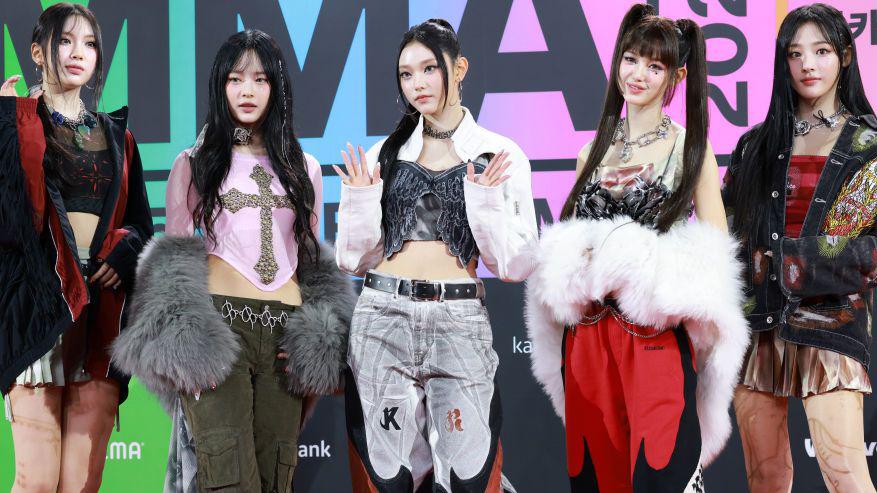
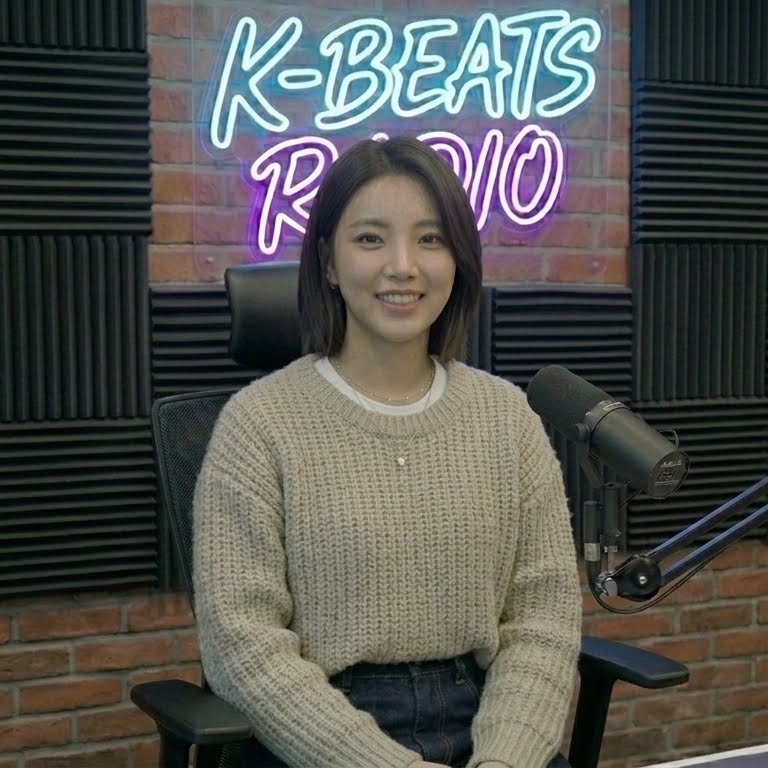
The carefully curated world of K-Pop was rocked this week not by a scandalous dating rumor or a dramatic contract dispute, but by something far more visceral and raw: unfiltered, public vulnerability. In an event that has sent shockwaves through stan Twitter, online forums, and agency boardrooms alike, VIVIDANCE member Hyejin turned a routine "goodnight" livestream into a confessional booth, sparking a heated debate about mental health, idol-fan boundaries, and the immense pressure cooker of the so-called "5th Generation."
The incident, which fans are now grimly referring to as "The Weverse Avalanche," saw the 19-year-old idol, often praised for his powerful stage presence and cheerful demeanor, break down in tears while comparing his own perceived shortcomings to the talents of his fellow members. This act of public "trauma-dumping"—a term psychologists use for oversharing heavy emotional burdens without consent or context—has divided his group's fandom, VIVID, and ignited a crucial conversation about what fans are truly prepared to handle from the idols they support.
The Making of a 5th-Gen Phenom: VIVIDANCE's Meteoric Rise
To understand the weight of Hyejin's words, one must first understand the stratospheric trajectory of VIVIDANCE. Debuted in late 2022 under Starlight Entertainment, the seven-member boy group was billed as the vanguard of a new era. They didn't just release music; they pioneered a "hyper-reality" concept, blending intense, lore-heavy music videos with an almost constant stream of behind-the-scenes content, personal vlogs, and impromptu livestreams. Their success formula was built on unprecedented accessibility. Fans felt they weren't just watching idols, but living alongside them in real-time.
This strategy catapulted them to fame. Their last mini-album, 'X-RAY', debuted at number one on major real-time charts, and their choreography challenges dominated TikTok for months. Hyejin, positioned as a lead dancer and sub-vocalist, was particularly beloved for his "duality"—the stark contrast between his fierce performance mode and his giggly, affectionate persona during fan calls and broadcasts. This carefully managed duality, however, appears to have masked a growing internal crisis.
The Burden of Constant Connection
The 5th Gen model, as pioneered by groups like VIVIDANCE, demands a 24/7 connection that previous generations never faced. While 2nd and 3rd-gen idols had periods of relative privacy, today's rookies are expected to be perpetually "on," curating a personal brand across Weverse, Bubble, Instagram, and TikTok. The line between professional performance and personal life has not just blurred; it has been systematically erased. As explored in our previous analysis of the unbearable weight of the spotlight, this constant exposure turns every personal moment into potential public content, leaving little room for private struggle.
The Livestream Heard 'Round the K-Pop World
The broadcast began like any other. At 1:30 AM KST, Hyejin logged onto Weverse Live, greeting viewers with a tired smile. He was alone in what appeared to be a company practice room. For the first twenty minutes, he chatted lightly about his day, practiced a few dance moves for an upcoming song, and read fan comments. The shift was gradual but palpable. A fan commented, "You worked so hard today, Hyejin-ah! Your dance break was the best part."
Hyejin paused, his smile fading. He stared at the comment for a long moment before responding, his voice quieting.
"The best part? No... that was Minseo. My timing was off by a fraction. You can see it in the fancam. Everyone can see it. You’re all just too kind to me. Sometimes I watch the others... Taewoo's voice is like a stable anchor. Junho writes lyrics that make the producers cry. Minseo dances like he was born on stage. And I... I just feel like I'm running behind them, trying to catch up, pretending I belong in the same picture."
What followed was a 40-minute monologue, interspersed with long silences and choked-back tears. He detailed sleepless nights spent reviewing his own fancams, a deep-seated fear of letting the group down, and a paralyzing sense of being the "least essential" member. He spoke of the guilt he felt when fans complimented him, believing their love was based on a version of himself he couldn't consistently uphold. Crucially, he framed everything as a direct comparison: "Why can't I hit that note like Taewoo?" "I'll never have Junho's stage charisma."

Beyond "Idol Stress": A Cry for Help?
This wasn't standard idol fatigue. Mental health struggles in the industry are, tragically, not new. However, the specific, detailed, and comparative nature of Hyejin's confession, broadcast live to an audience of over 200,000 concurrent viewers, crossed into uncharted territory. He wasn't vaguely stating he was tired or stressed; he was offering a raw, unmediated diagnosis of his own perceived inferiority within the group dynamic. He was, effectively, trauma-dumping his deepest insecurities onto a global audience of fans, many of whom are minors themselves.
Fandom Fractured: The VIVID Civil War
The reaction was instantaneous and seismic. The fandom, VIVID, splintered into multiple camps, turning stan Twitter into a digital battlefield.
- Camp 1: The Protective Heartbroken: This largest faction flooded timelines with messages of support, trending #HyejinYouAreEnough worldwide. They praised his "bravery," framed the livestream as a necessary breaking of the "idol facade," and demanded Starlight Entertainment issue a statement of support and provide immediate psychological care.
- Camp 2: The Concerned and Critical: A significant portion expressed deep worry but criticized the method. "My heart breaks for him, but why did he say this *on live*?" one viral tweet read. "This wasn't sharing; this was unloading. Now fans, including kids, are carrying his trauma and fighting each other to defend him. This wasn't fair to anyone." This group argues the incident highlights a dangerous lack of agency support and proper boundaries.
- Camp 3: The "Anti-Stans" and Accusers: A vocal minority, including some solo stans of other members, have turned venomous. They accuse Hyejin of seeking sympathy, manipulating fans, and creating unnecessary drama that paints his bandmates in a negative light. "He's making the other members look like bullies who make him feel this way, when it's all in his head," one forum post aggressively stated.
The internal strife mirrors past conflicts, such as the divided reactions analyzed in the RM-Jungkook interview controversy, where a leader's words were interpreted through starkly different lenses. However, the stakes here feel more personal and psychologically charged.
Industry Analysis: A Symptom of a Bigger Crisis
Hyejin's breakdown is not an isolated incident but a glaring symptom of systemic issues within the accelerated, high-stakes 5th-Gen idol system.
1. The "Realness" Paradox: The 5th-Gen market demands "authenticity." Fans crave glimpses behind the curtain. But what happens when what's behind the curtain is clinical anxiety or depression? Agencies sell "realness" but are often ill-equipped to handle the real, messy human emotions that come with it. Hyejin, perhaps feeling the pressure to be "authentic," may have felt this was the only outlet available to him.
2. The Erosion of Managerial Safeguards: In previous eras, managers might have had more control over an idol's public communication. The direct-to-fan model of apps like Weverse and Bubble has decentralized that control. While empowering in some ways, it also leaves emotionally vulnerable young adults without a buffer. Where was Hyejin's manager during this 1 AM livestream? This incident raises serious questions about duty of care.
3. The Comparison Trap, Amplified: Idols have always compared themselves to peers. But the 5th-Gen idol lives in a world of real-time metrics: live view counts, instant fan comments, side-by-side fancam comparisons, and daily brand ranking lists. This quantitative barrage turns abstract insecurity into a concrete, numbers-based nightmare. Hyejin didn't just *feel* behind; he had what he believed was digital proof.
This trend towards extreme fan control and "purity" of interaction, as seen in the controversial Elysian Clause fansign rules, shows the industry's attempt to curate idol-fan relationships. Yet, Hyejin's live stream proves the emotional content can never be fully controlled.
What Comes Next: Recovery, Reckoning, and Redefinition
The path forward for Hyejin, VIVIDANCE, and the industry is fraught with complexity. Starlight Entertainment's initial statement was a masterclass in corporate vagueness, citing "exhaustion" and promising "adequate rest," which only fanned the flames of fan anger.
For Hyejin: Genuine, long-term psychological support is non-negotiable. A temporary hiatus from activities may be necessary, but it must be framed as a positive step for health, not a punitive measure. His return will need to be handled with extreme sensitivity. Can he rebuild his stage persona after showing such profound vulnerability? The journey will be challenging, not unlike the public evolution seen in artists like Park Ji Hoon's soloist evolution, who used time and artistic control to redefine his narrative.
For the Group: The internal group dynamic has been forcefully made public. The other members must now navigate supporting their friend while dealing with their own feelings and the unfair scrutiny placed upon them. Their next group comeback will be analyzed under a microscope for any perceived distance or tension.
For the Industry: This is a wake-up call. Agencies must implement mandatory, regular mental health check-ups with independent professionals, not company-affiliated counselors. Training on healthy boundary-setting with fans is crucial. Perhaps there needs to be "safe" offline channels for idols to express these feelings without the crushing pressure of a live audience. Some may even follow the path of those seeking a completely different life, as seen with former idols who redefine their spotlight on their own terms.
The 5th Generation promised a revolution in idol-fan intimacy. VIVIDANCE's Hyejin has shown the dark side of that revolution. The question now is whether the industry will learn from this painful moment, developing new frameworks to protect the very humans it packages as idols, or if the emotional avalanches will continue. The eyes of every fan, agency, and future trainee are watching. The response will define the emotional contours of K-Pop's next era. For more ongoing coverage of this developing story and its impact, follow our dedicated news page.