
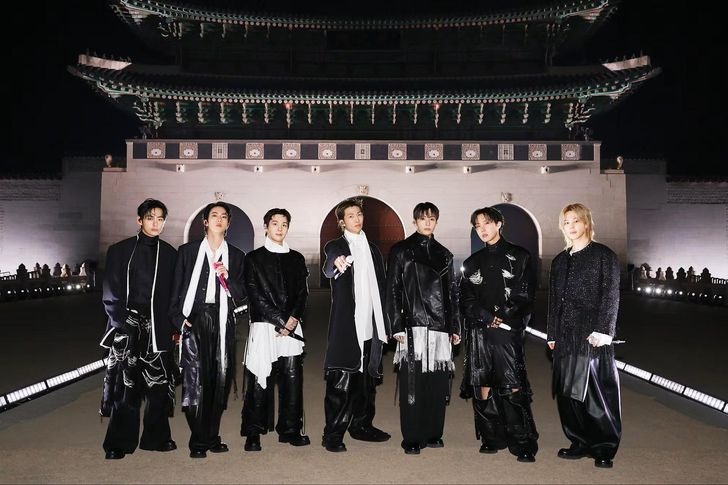
In the high-octane world of K-Pop, concert fashion is often a spectacle of coordinated luxury, avant-garde silhouettes, and brand-heavy statements. It’s a visual language of unity and concept. But for BTS's monumental "ARIRANG" tour, the sartorial narrative took a profoundly intimate turn. Moving beyond mere costume design, the iconic outfits for this record-shattering series of concerts were born from a collaborative, deeply personal process involving each member as a co-creator. The result was not just a wardrobe, but a wearable autobiography—a fusion of traditional Korean ethos, individual identity, and the raw, unfiltered personalities of seven artists who have spent over a decade in the public eye.
This journey from ideation to inauguration reveals a pivotal moment in the group's evolution. As explored in our analysis of HYBE's sharpest minds in "Beyond Genius: How HYBE's Sharpest Male Idols Are Redefining 'Brains' in K-Pop", the intellectual and creative agency of idols is becoming a central force. The "ARIRANG" outfits stand as a stunning testament to this shift, proving that when given the tools, BTS doesn't just wear the art—they are the architects.
The Fabric of a Legacy: BTS and the Evolution of Stage Identity
To understand the significance of the "ARIRANG" attire, one must look back at the sartorial journey of Bangtan Sonyeondan. From the rebellious streetwear of their debut to the sleek, designer-laden suits of their "Dynamite" era, their fashion has always been a direct reflection of their musical and thematic arc. Early concepts used clothing as armor—bulky layers, dark palettes, and aggressive accessories that embodied their "bulletproof" stance against societal pressures. As their message matured into self-love and global connection, their wardrobe softened, incorporating brighter colors, more fluid fabrics, and a blend of high fashion with accessible style.
However, a consistent thread has been the subtle, and sometimes overt, incorporation of Korean elements. This wasn't always through traditional hanbok silhouettes, but through patterns, colors, and motifs that nodded to their heritage. The "ARIRANG" tour, named after a beloved Korean folk song symbolizing the nation's sorrow, joy, and resilience, demanded a deeper, more intentional engagement with this heritage. It presented an opportunity to move beyond allusion and into embodiment. The tour itself was a homecoming—a series of stadium shows in Seoul that felt like a culmination of their journey. The clothing needed to tell that story on a cellular level, and the group's leadership, in a groundbreaking move, insisted the storytellers be the members themselves.
From Muses to Collaborators: A Shift in Creative Power
The traditional K-Pop model places stylists and creative directors firmly in the driver's seat. Idols are fitted, styled, and presented. For "ARIRANG," this hierarchy was dissolved. According to sources within HYBE's creative team, the process began not with mood boards from designers, but with personal briefs from RM, Jin, SUGA, j-hope, Jimin, V, and Jung Kook. Each member was asked a simple, profound question: "What do you want to say with what you wear on this stage, at this moment in your life?"
"It was less about designing a 'costume' and more about translating a feeling, a memory, or a piece of their soul into a tangible form," shared Head Stylist Park Mina (a pseudonym used to protect the source's identity). "Jin brought in sketches of fluid lines that represented water and peace. SUGA had very specific notes on fabric weight and mobility. V arrived with a book of Renaissance art. They weren't just giving feedback; they were providing the blueprint."
This collaborative dive meant initial meetings stretched for hours, with members poring over fabric swatches, discussing the cultural weight of specific colors like obangsaek (Korea's traditional five-colour spectrum), and sharing personal artifacts that held meaning. The stylists and designers, including both Korean traditional garment specialists and contemporary avant-garde houses, became facilitators rather than auteurs.
Decoding the "ARIRANG" Wardrobe: A Member-by-Member Tapestry
The final stage looks were a masterclass in cohesive diversity. While united by a palette inspired by Korean landscapes—deep indigos, mountain greys, sunset crimsons, and mineral whites—each outfit was a distinct chapter.
RM & Jin: The Pillars of Nature and Tradition
RM's ensembles heavily featured asymmetric draping and gat (traditional hat)-inspired structural elements, but reinterpreted in modern, architectural fabrics. His input focused on "roots and growth," with subtle tree-bark texturing on jackets and pants that mirrored the lyrical themes of his solo work. Jin, embracing his "Worldwide Handsome" persona with newfound depth, requested fabrics that moved like water or silk, emphasizing elegance and a sense of calming fluidity. His outfits often incorporated delicate, embroidered cranes—a symbol of longevity and peace—a nod to his desire to project serenity and enduring grace for ARMY.

SUGA & j-hope: The Architects of Contrast
True to his producer's mind, SUGA's involvement was technical and precise. He championed outfits that allowed for his intense, explosive performance style while embedding personal symbolism. One standout jacket featured a deconstructed durumagi (traditional overcoat) silhouette with a cyberpunk-inspired wiring pattern on the interior, revealed only during specific choreography. It represented, as he later hinted, "the hidden circuitry of thought and emotion." j-hope, the group's sunshine, merged traditional saekdong (multicolored stripes) patterns with vibrant, streetwear-inspired cuts. His looks were a festival of joy, incorporating bells and lightweight materials that accentuated his dancing, literally making music with his movement.
Jimin, V, & Jung Kook: The Embodiments of Emotion
Jimin's designs centered on duality and connection. Sheer, flowing layers contrasted with structured harnesses, representing vulnerability and strength. His color story revolved around passionate red and calming white, often blending in a single garment. V, with his noted passion for art and photography, leaned into texture and vintage fusion. Velvets, brocades, and painterly prints referenced his "Tae-Tae" aesthetic, while cuts were intentionally grand and slightly romantic, like a wandering prince from a different era. Jung Kook, the golden maknae, focused on versatility and symbolism of the tiger—a national emblem of Korea and his own spirit animal. His outfits balanced athletic, performance-ready functionality with bold tiger-stripe motifs and golden accents, speaking to his powerful stage presence and cherished role within the group.
This level of detail underscores a broader trend in idol-fan interaction, where authenticity is paramount. As discussed in our piece "Digital Kingdom: The 2026 Instagram Followership Crown", fans crave genuine glimpses into an idol's true self. The "ARIRANG" wardrobe is that philosophy, rendered in silk and thread.
ARMY's Thread: Fan Reaction and Cultural Resonance
The fanbase, ARMY, renowned for its detective-like scrutiny and deep emotional investment, did not miss a single stitch. As the outfits debuted on the first night of the Seoul concerts, social media platforms erupted not just with admiration, but with analysis. Hashtags like #BTSArirangClothing and #WearYourSoul began trending globally.
- Symbolic Decoding: Fans with expertise in Korean art history and textile traditions created elaborate threads explaining the cultural references in each outfit, from knot designs to color symbolism, educating an international audience and deepening the collective appreciation.
- Emotional Connection: Many ARMY expressed feeling a deeper connection to the performances, knowing the clothing held personal meaning. "Seeing Jin point to the crane on his sleeve during 'Epiphany' wasn't just a gesture; it felt like a secret handshake with his heart," one fan tweeted, a sentiment echoed thousands of times.
- Appreciation for Agency: There was overwhelming praise for HYBE and the creative team for enabling this collaboration. Fans viewed it as a sign of respect for the members' artistry and maturity, a stark contrast to the restrictive control sometimes seen in the industry, a topic we've examined in reports like "After the Storm".
The reaction transcended typical fashion commentary, becoming a discourse on artistic integrity, cultural pride, and the power of collaborative storytelling. It proved that an audience can feel the difference between being styled and being represented.
The Industry Tailors: Impact and a New Paradigm
The ripple effects of the "ARIRANG" wardrobe experiment are already being felt across the K-Pop industry. This move by the world's biggest boy band sets a powerful precedent.
First, it redefines the role of the idol in fashion. No longer just a mannequin for brand deals or a hanger for a creative director's vision, the idol is now being positioned—and increasingly, demanding to be—a co-creator. This aligns with the broader trend of idols taking control over their music, production, and concepts. Expect future contract negotiations and creative briefs for senior artists to include clauses or expectations for input into styling, especially for significant, identity-driven projects like tours or comebacks.
Second, it elevates the commercial and artistic value of culturally-grounded design. By seamlessly blending traditional Korean elements with hyper-modern fashion, BTS has created a blueprint for "heritage fusion" that is both respectful and revolutionary. This doesn't just sell clothes; it sells a narrative. Luxury brands and traditional craft alliances are taking note. The success of this approach may encourage more groups to explore their cultural roots in a tangible, wearable way, moving beyond stage props and into integrated design.
Third, it deepens the fan-idol bond through shared narrative. In an era where connection is currency, providing fans with a richer, multi-layered story to unpack creates immense loyalty and engagement. The "ARIRANG" outfits are a gift that keeps on giving—a source of analysis, appreciation, and emotional resonance long after the concert lights dim. This strategic depth is as savvy as it is artistic, building a legacy that is about more than just music. For more on the complexities of this bond, our exploration in "The Direct Message Dilemma" provides a contrasting, ground-level view.
Weaving the Future: What This Means for BTS and Beyond
For BTS, the "ARIRANG" wardrobe is more than a tour outfit; it's a milestone in their journey as artists. It marks a transition into a phase where their individual identities, fully formed and confident, can be woven directly into the fabric of their collective project. It sets a dauntingly high bar for their own future endeavors and for the solo projects that continue to flourish. Will Jung Kook's next solo tour feature his own tiger motifs? Will Jimin's next concept film be inspired by the fabrics he helped choose? The likelihood has increased exponentially.
For the industry, the challenge is issued. While not every group has the creative leverage or seniority of BTS, the principle of artistic involvement is now firmly planted. Agencies may begin piloting similar, scaled-down collaborations with their artists, starting with accessories or specific performance pieces, to test this new model. It also places greater importance on the role of stylists as diplomats, translators, and collaborators—a skillset that will be in high demand.
As the "ARIRANG" tour continues its global run, the outfits will be seen by millions. Each thread, each color, each carefully considered detail stands as a silent manifesto. It declares that true style is not about what you wear, but why you wear it. For BTS, they wear their history, their homeland, their heart, and their hard-won right to self-expression. They have, quite literally, woven their souls into the spectacle, creating a legacy that will be remembered long after the final encore. To explore the evolving identities of other artists making their mark, visit our Artists page for in-depth profiles and the latest updates.
As the charts continue to measure streams and sales, the true impact of this sartorial revolution may be measured in a different currency: authenticity. And in that market, as our Charts page can sometimes reflect in surprising ways, BTS remains untouchable. The story of "ARIRANG" is still being written, not in setlists, but in silk, sweat, and the profound understanding that sometimes, the most powerful statement you can make is sewn into the seams.