
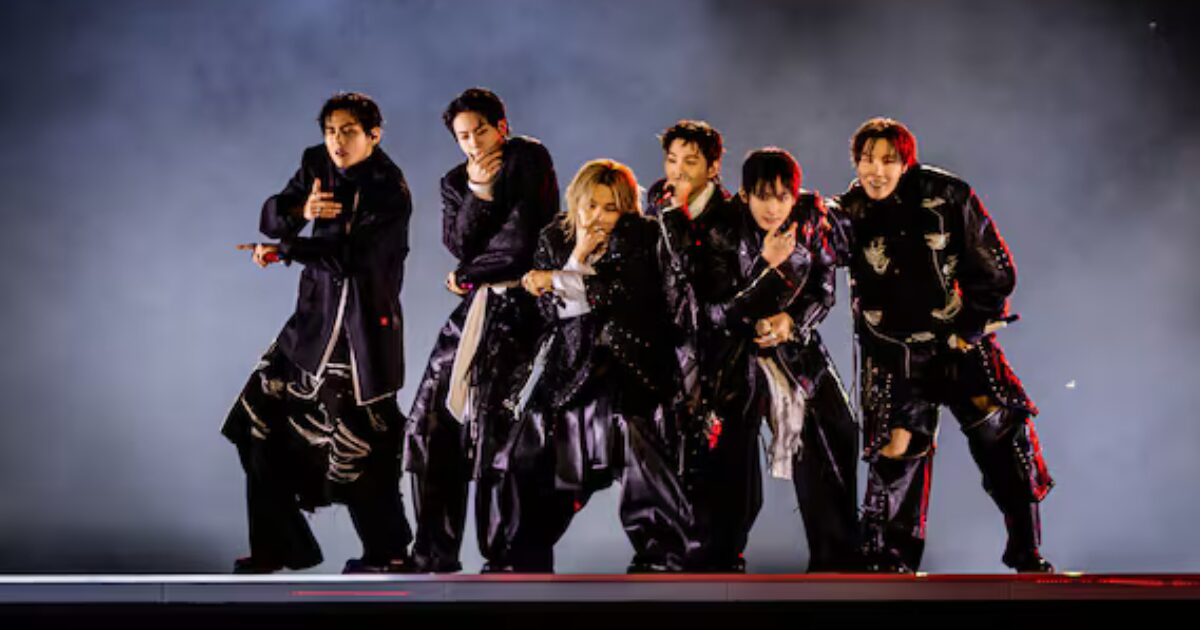

The news rippled through the industry not with a bang, but with a whisper—a murmur of disbelief that quickly escalated into a roar of speculation. According to multiple reports from industry insiders and advertising executives, BTS's planned large-scale comeback concert, a momentous event marking the full-group return from mandatory military service, has encountered an unexpected hurdle: a conspicuous absence of major sponsorship deals. For a group synonymous with record-breaking commercial power, whose very endorsement can shift market trends, this development is more than just surprising; it is a seismic event that forces a re-examination of the entire K-pop ecosystem. At K-Beats, we've spoken with sources across advertising, music production, and fan community leadership to unravel the complex story behind the headlines.
A Legacy Built on Breaking Records
To understand the shockwaves this news has sent, one must first appreciate the commercial colossus that is BTS. Since their debut, the seven-member group has rewritten the rulebook on what a musical act can achieve, both artistically and financially. Their journey from underdogs to global icons is well-documented, but their impact as brand ambassadors is arguably unparalleled. From luxury fashion houses like Louis Vuitton and Dior to global tech giants like Samsung and Hyundai, BTS's affiliation has been a golden ticket, guaranteeing visibility, prestige, and massive sales boosts.
Their concerts have historically been not just musical events, but multi-platform commercial spectacles. The 2019 Love Yourself: Speak Yourself tour and the 2022 Permission to Dance on Stage concerts were backed by a roster of high-profile sponsors, integrating products seamlessly into the fan experience—from exclusive VIP packages to broadcast partnerships. These deals were mutually beneficial, offering brands unparalleled access to the devoted ARMY fandom while providing production capital for the group's ambitious, high-concept stages. This model became the industry standard, one that even newer groups aspire to replicate, as seen in campaigns like the innovative McDonald's "KPop Demon Hunters" collaboration with HUNTR/X and Saja Boys.
The HYBE Ecosystem and Post-Enlistment Expectations
The group's management under HYBE has further professionalized this approach, building a vast, interconnected business empire. The comeback of BTS as a full unit has been the most anticipated event on HYBE's calendar, a guaranteed moment of cultural and financial reckoning. Industry forecasts predicted a sponsorship feeding frenzy, with brands clamoring for a piece of the historic moment. The group's individual activities during their hiatus, from Jungkook's chart-topping solo hits to Jin's successful variety ventures, had only maintained and even heightened their collective marketability. The full-group comeback was seen as a sure bet, a sponsorship Super Bowl with a guaranteed global audience of millions.
Deconstructing the Silence: Why Deals May Have Fallen Through
Our sources indicate that the issue is not a lack of interest, but a confluence of high-stakes negotiation points that have, so far, led to an impasse. Several factors are at play, painting a picture of a market that is evolving in the shadow of BTS's own monumental success.
The Astronomical Price Tag and Exclusivity Demands
First and foremost is the cost. "The asking price for a title sponsorship role for this event is in a stratosphere previously unseen in entertainment," confided an executive from a major beverage conglomerate who was involved in early talks. "HYBE is understandably positioning this as a unique, historic moment. But with that comes expectations of a fee that matches its historical significance." Coupled with this is HYBE's reported insistence on extreme exclusivity per category—meaning one soft drink, one telecom, one automotive partner. For mega-conglomerates with sprawling portfolios, this creates internal conflict and limits cross-promotional opportunities they might normally seek.
"It's a high-stakes game of chicken. Brands know the value, but they're also weighing it against their entire annual marketing budget for global campaigns. Is a single concert, even BTS's, worth that percentage?"
This financial caution is not happening in a vacuum. The global economic climate has led to tighter marketing budgets and a demand for measurable, direct ROI that extends beyond mere logo placement. Brands are seeking deeper, more integrated content partnerships, a shift that requires longer lead times and more complex contracts than a traditional sponsorship deal.
The "Netflix Effect" and Broadcast Rights Complications
A crucial twist in this narrative is the potential involvement of streaming platforms. HYBE has forged a strong relationship with Netflix, evidenced by the monumental success of "THE COMEBACK LIVE: ARIRANG". It is widely speculated that the comeback concert is being planned with a major streaming partner—likely Netflix or Disney+—from the outset. This changes the sponsorship calculus dramatically.

"When a streaming giant is involved, they often command certain exclusive advertising rights or have strict policies about third-party brand integration within their content," explained a media rights advisor we spoke to. "A traditional stage banner or a sponsored segment might clash with the platform's desire for a pristine, uninterrupted viewing experience for its subscribers." This could force sponsors into less visible, "brought to you by" credit roles, which offer far less bang for the buck. The success of Rosé's "APT." in markets like the UK, as detailed in our analysis of her triple-platinum achievement, shows the power of streaming, but it also highlights a platform-centric model that can sideline traditional sponsors.
A Fandom Divided: ARMY's Rallying Cry and Critical Discourse
The reaction from ARMY has been multifaceted, a blend of fierce loyalty, pragmatic business understanding, and pointed criticism. On platforms like Twitter, Weverse, and online forums, the discourse is intense.
A significant portion of the fandom has adopted a defiantly supportive stance. Hashtags like #WeAreYourSponsor and #ARMYSponsorsBTS have trended globally, with fans jokingly—and seriously—suggesting that the collective power of the fandom could fund the event through direct support. Many point to the group's history of breaking barriers without corporate backing in their early days. "BTS built their empire with ARMY, not sponsors," one fan wrote on Weverse. "If they have to do it that way again, we're here. This changes nothing about our excitement."
Scrutiny and Skepticism
Conversely, other fans and netizens have turned a critical eye toward HYBE's strategy. "This isn't 2014. They're not nugus. For a company of HYBE's size and with BTS's legacy, to not have this locked down feels like poor planning or unreasonable greed," commented a user on a popular K-pop news forum. Some speculate that the lack of sponsors could lead to scaled-back production, which would be a disappointment for fans expecting a visually stunning, no-expense-spared spectacle to mark the ot7 return.
There is also a fascinating meta-discourse about consumerism and artistry. A segment of ARMY sees a potential silver lining: "Maybe this means the concert will be purely about the music and the members, not packed with brand integrations," one fan mused. This sentiment echoes broader conversations in the industry about authenticity, similar to those sparked by heartfelt reunions of older generations, like Girl's Day's recent gathering, which was celebrated for its genuine, non-commercial warmth.
Industry Repercussions: A Market Correction or a Canary in the Coal Mine?
The implications of this sponsorship standoff extend far beyond a single concert. Industry analysts we consulted see this as a potential inflection point.
1. The Valuation Ceiling: BTS has consistently pushed the ceiling for what K-pop is worth. This situation may be testing the absolute limit of that value in the traditional sponsorship model. "The market is deciding if there's a ceiling," said a veteran entertainment analyst. "BTS is the test case. If HYBE blinks and lowers prices, it resets expectations for every top-tier act that follows. If they hold firm and succeed, it creates a new, even more exclusive tier."
2. The Shift to Platform-Direct Deals: The future may lie not with soda or car companies, but with streaming services and tech platforms. A mega-deal with a Netflix or Apple Music, which includes global distribution, exclusive behind-the-scenes content, and perhaps even a documentary series, could ultimately be more lucrative and impactful than a patchwork of classic sponsors. This concert could be the pilot for a new hybrid entertainment product.
3. Impact on the Broader Roster: HYBE manages a vast roster of acts, visible on our Artists page. While BTS operates in its own realm, market coolness at the top could have a trickle-down effect, making it harder for other groups to command high premiums. Conversely, if BTS proves that direct-to-fan and platform-based models are more profitable, it could liberate other artists from the sponsorship treadmill altogether.
This moment also highlights the changing demographics and priorities within K-pop. As the industry matures, with artists like BELUGA's Sena redefining life paths for idols, the narrative is expanding beyond pure commercial conquest. Sustainability, artistic control, and long-term career health are becoming as important as headline sponsorship deals.
The Path Forward: What Comes Next for BTS and HYBE?
So, where does this leave the most anticipated comeback in recent music history? Our sources suggest several likely scenarios.
Scenario A: The Strategic Holdout. HYBE may be playing a long game, confident that as the concert date draws nearer and hype reaches a fever pitch, a premier brand will meet their terms. A single, headline-grabbing partnership with a luxury or tech leader (akin to a Spotify or a Meta) could be announced, framing the event as selectively curated rather than under-supported.
Scenario B: The Platform Partnership Pivot. The company may already be deep in negotiations with a streaming partner that includes a significant financial package, reducing the need for multiple external sponsors. The "concert" could be re-envisioned as the core of a larger content package, with sponsorship elements baked into the platform's own advertising model.
Scenario C: The Lean-In, Fan-First Model. HYBE could leverage this moment to double down on direct engagement. This could involve premium, paid live streams on Weverse, exclusive merch bundles, and virtual experiences funded directly by ARMY, turning perceived weakness into a narrative of fan-powered independence. This would be a risky but potentially revolutionary move.
Regardless of the business outcome, the music and the moment remain untarnished. The hunger for BTS's return is palpable, and their artistic output has never been defined by the logos on a stage banner. This sponsorship paradox is, at its heart, a business story—a fascinating glimpse into the negotiations that happen in the shadows of the spotlight. It underscores a pivotal transition in how cultural power is monetized in the digital age. One thing is certain: all eyes will remain on the charts, on global trends, and on the stage itself, waiting to see how the biggest band in the world writes its next record-breaking chapter, with or without the traditional corporate chorus behind them.