The Like That Lit the Fuse
In the hyper-scrutinized world of K-pop, where every social media notification is a potential headline, an idol's digital footprint is more than just casual engagement—it's a curated performance, a strategic communication tool, and, as BTS's Jungkook is learning, a minefield of interpretation. This week, a routine gesture of support towards a fellow artist erupted into a controversial online discourse, dragging the global superstar into an unexpected and fierce debate about "appropriate behavior," age dynamics, and the suffocating expectations placed on idols. What began as a simple interaction on the fan platform Weverse quickly escalated, forcing ARMYs to mobilize in defense and industry watchers to ponder the increasingly fragile social contract between idols and the public.
The incident serves as a stark reminder that even for an artist of Jungkook's stature—a Grammy-nominated, record-shattering soloist and member of the most influential group in modern music—the court of public opinion is always in session. It underscores a persistent tension in K-pop: the desire for idols to be relatable, authentic human beings who support their peers, clashing violently with an archaic, often unforgiving set of unwritten rules governing their conduct, particularly in cross-gender interactions. This isn't just about a comment; it's a symptom of a much larger conversation about ownership, projection, and the price of fame in the digital age.
Jungkook: From Golden Maknae to Global Solo Phenomenon
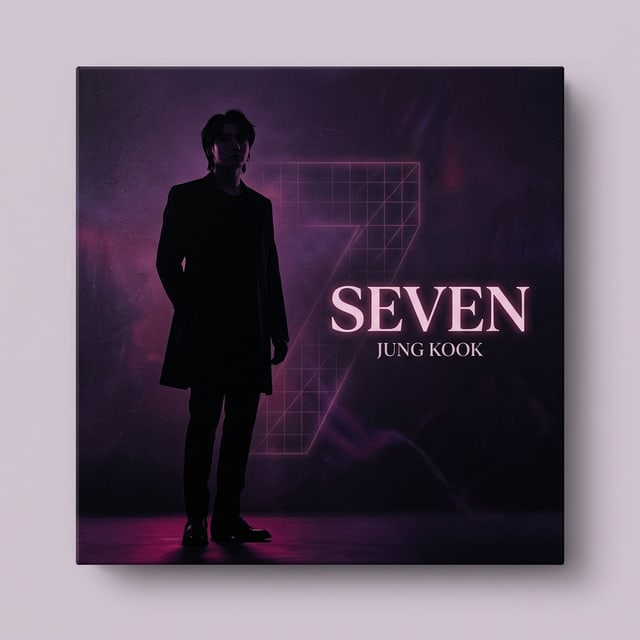
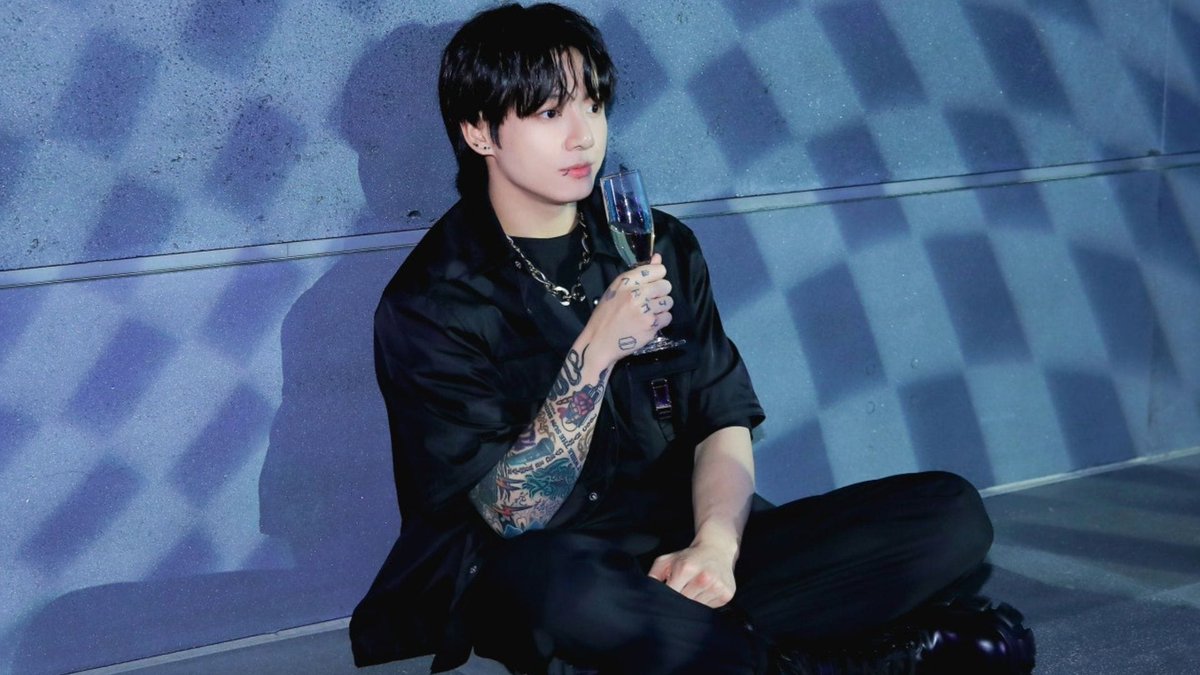
To understand the magnitude of the reaction, one must first appreciate the unique position Jeon Jungkook occupies in the cultural landscape. Debuted at just 15 years old as the youngest member of BTS, he was quickly christened the "Golden Maknae" for his all-round excellence in singing, dancing, and performance. His growth has been a public narrative, chronicled by millions who have watched him evolve from a shy teenager into a confident, globally-recognized artist. His recent solo debut with the album GOLDEN and hits like "Seven (feat. Latto)" and "3D" have cemented his status not just as a group member, but as a formidable standalone superstar with a distinct, more mature musical identity.
This evolution is key. The Jungkook of 2024 is not the same as the Jungkook of 2018. His artistry explores more adult themes, his public appearances carry a newfound self-assuredness, and his social media, while still heavily curated by Big Hit Music standards, offers glimpses of a 26-year-old man with his own tastes, friendships, and sense of humor. Yet, for a segment of the audience, the internalized image of him as BTS's beloved "maknae" persists, creating a cognitive dissonance when his actions don't align with that perpetually youthful, innocent archetype. As we explored in our analysis of public perception in "An Idol's Right to Breathe", the line between an idol's personal life and public property remains dangerously blurred.
His activity on Weverse, a platform designed for direct artist-fan communication, is often characterized by playful banter, heartfelt messages to ARMY, and, notably, his support for other artists' work. He is known to openly listen to and praise songs by a diverse range of musicians, from Charlie Puth to his own bandmates. This context is critical—his recent interaction was not an anomaly but part of an established pattern of engaging with the art and artists he admires.
Deconstructing the Digital Drama: What Actually Happened?
The controversy stems from a sequence of events on Weverse over a 48-hour period. It began when a rookie female idol from a recently debuted fourth-generation group posted a series of photos and a lighthearted message to the platform for her own fans. The content was typical idol-fan fare: stylish behind-the-scenes photos from a schedule and a message of gratitude. Jungkook, who follows a wide array of artists on the platform, visited her post and left a reaction—specifically, a "like" and a series of friendly, supportive emojis, such as hearts and fire symbols.
"It was a gesture no different from how he supports his hyungs or other colleagues. The interpretation of it as something 'inappropriate' says more about the interpreters than it does about Jungkook," argued one industry insider we spoke to, who requested anonymity due to the sensitivity of the topic.
Almost instantly, screenshots circulated on online communities like Pann Nate and theqoo. The discourse, however, did not focus on the supportive intent. Instead, it zeroed in on two factors: the age gap between Jungkook (born 1997) and the rookie idol (reportedly born 2002), and the simple fact that he, a male idol, had publicly interacted with a female idol's post. A vocal minority of netizens began constructing a narrative of "inappropriate" behavior, suggesting the interaction was overly familiar or had romantic undertones. Some comments questioned, "Why is a senior male idol so focused on a junior female's post?" while others attempted to dissect the "true meaning" behind the choice of emojis.
It is crucial to note that the idol in question did not respond to or acknowledge Jungkook's reaction on the public post, and there has been no indication of any private communication or prior close relationship. The "incident" existed entirely within the realm of public perception, fueled by speculation and a predetermined set of strict, often sexist, social codes that many expect idols to follow. This phenomenon mirrors the intense scrutiny we've seen in other contexts, where normal interactions are pathologized, as discussed in our piece on Kep1er’s “Killa”, where every artistic choice is subject to intense, often conflicting, interpretation.
The Role of Weverse and Shifting Platform Norms
Platform dynamics play a significant role here. Weverse operates differently from Instagram or Twitter/X. It is a semi-walled garden where idols and fans communicate with a perceived sense of intimacy and exclusivity. When a high-profile artist like Jungkook crosses over from his own group's feed to another artist's space, it disrupts the expected boundaries of that "garden." For some fans, especially solo stans or toxic fans of the rookie idol's group, this intrusion is seen as a threat or a transgression, triggering protective—and often possessive—responses. The platform, designed to foster connection, can ironically become a petri dish for conflict when those connections extend beyond approved channels.
ARMY Rallies: A Unified Front of Context and Defense
The backlash towards Jungkook was met with an immediate, massive, and organized counter-response from the global ARMY fandom. Within hours, social media was flooded with hashtags like #RespectJungkook and #JungkookIsSupportive, which trended worldwide. The defense strategy was multifaceted and revealing of modern fan culture's sophistication.
First, fans provided overwhelming context. They compiled lengthy threads showcasing countless examples of Jungkook using identical or similar emojis in interactions with his older bandmates (like Jin and Suga), other male artists, and even in posts about food, pets, and his own work. The argument was clear: this is his default mode of positive interaction, stripped of any gendered or romantic subtext.
"He puts fire emojis on a picture of kimchi stew. Is he in love with the stew? This is about him being a supportive sunbae, full stop," tweeted a fan with hundreds of thousands of followers, encapsulating the prevailing sentiment.
Second, fans attacked the underlying misogyny and hypocrisy of the accusations. They pointed out that male idols regularly interact without scrutiny, while any cross-gender contact is sensationalized. They defended the rookie idol as well, arguing that she deserved to receive support from a respected senior without her character being questioned or the interaction being sexualized.
Third, and perhaps most significantly, the fandom mobilized to protect the narrative. They mass-reported malicious comments and spam posts, flooded positive keywords to push negative search results down, and created supportive content highlighting Jungkook's history of kind and professional behavior. This demonstrated not just passion, but a deep understanding of the mechanics of online reputation management. This powerful fan engine is the same force that has propelled BTS to historic achievements, such as their sixth win for "SWIM", proving their ability to focus collective energy towards a common goal.
Industry Under the Microscope: Why This Keeps Happening
This incident is not an isolated one. It fits into a long, troubling pattern within the K-pop industry and its fan ecosystem. The core issue is the persistence of parasocial relationships—one-sided emotional bonds where fans feel intimately connected to idols—coupled with a set of antiquated "idol rules." These unwritten codes, remnants of earlier industry generations, suggest that idols, especially those marketed on boyfriend/girlfriend images, should avoid public interactions with the opposite sex to maintain the fantasy for fans.
However, the industry itself is in a state of flux. As K-pop globalizes, these strict rules are becoming increasingly untenable. Idols like Jungkook are collaborating with international artists, engaging on global social media platforms, and presenting more multifaceted personas. The clash is inevitable. "The industry is trying to have it both ways," says cultural critic Lee Hana. "They want idols to be global, relatable stars who express individuality, but a segment of the traditional fanbase and media still clings to a model of extreme control and manufactured innocence. Incidents like this are the growing pains."
The gender and age dynamics are particularly glaring. A five-year age gap between two adults in their 20s is normalized in virtually every other entertainment industry and in general society. Yet, in K-pop, it can be weaponized to imply a power imbalance or inappropriate conduct. This not only infantilizes adult female idols but also frames senior male idols as potential transgressors by default. It creates an environment where genuine professional mentorship and camaraderie become fraught with risk, potentially stifling healthy networking and support systems within the industry. For more on how groups navigate public perception while growing and changing, the journey of groups like MAMAMOO offers a compelling study in maintaining artistic integrity over time.
The Management Calculus: Silence as Strategy
Notably, as of this writing, neither Big Hit Music nor the agency of the rookie idol has issued an official statement. This silence is almost certainly strategic. To address the controversy directly would be to legitimize it, potentially dragging the younger idol further into a spotlight she did not seek and escalating the issue. By ignoring it, the agencies are likely betting on the story losing steam—a calculation made easier by the formidable force of ARMY's defense. It is a reminder that in the age of viral scandals, sometimes the most powerful PR move is to do nothing, allowing the organic support of a loyal fandom to drown out the noise.
Looking Ahead: A Line in the Sand or a Repeating Cycle?
So, what comes next for Jungkook and the broader industry? In the immediate term, we can expect Jungkook to continue his activities—likely with even more caution in his digital interactions. He may retreat further into a carefully managed bubble, limiting his Weverse engagement to his own feed and that of his BTS members. This would be a loss for the platform's intended spirit of open communication but a pragmatic step for personal and professional safety.
In the longer term, this incident adds weight to the growing call for a reevaluation of idol-fan boundaries. Each public blow-up like this one chips away at the unsustainable model. The question is whether the industry will proactively guide this change or be dragged into it by force. Can agencies educate fandoms and manage expectations to allow their artists more breathing room? Will platforms like Weverse develop tools or guidelines to mitigate cross-fandom friction?
For fans, this is a moment of reflection. The fierce defense of Jungkook was justified, but it also reinforces a reality where idols require constant protection from the very audience that claims to adore them. The path forward requires a collective shift towards viewing idols as complete human beings—artists who can appreciate a colleague's work, have friends of all genders, and exist outside the confines of a fan-constructed fantasy. The paradox, as seen in stories like "The 'Sneakers' Paradox", is that the things that make idols relatable—their tastes, their opinions, their spontaneous interactions—are often the very things that trigger the most intense backlash.
Ultimately, the storm surrounding Jungkook's emojis will subside. The charts will keep moving, comebacks will be announced, and the relentless news cycle will turn. But the residue of this controversy will remain, a faint yet persistent marker in the ongoing struggle to define what it means to be an idol in the 2020s. It is a struggle between authenticity and control, between support and possession, and between the right to a public persona and the right to a private, unscrutinized thought. The resolution, if it ever comes, will shape not just Jungkook's future posts, but the very fabric of the industry for the next generation of artists finding their way on our Artists page and in the pages of our News section.