
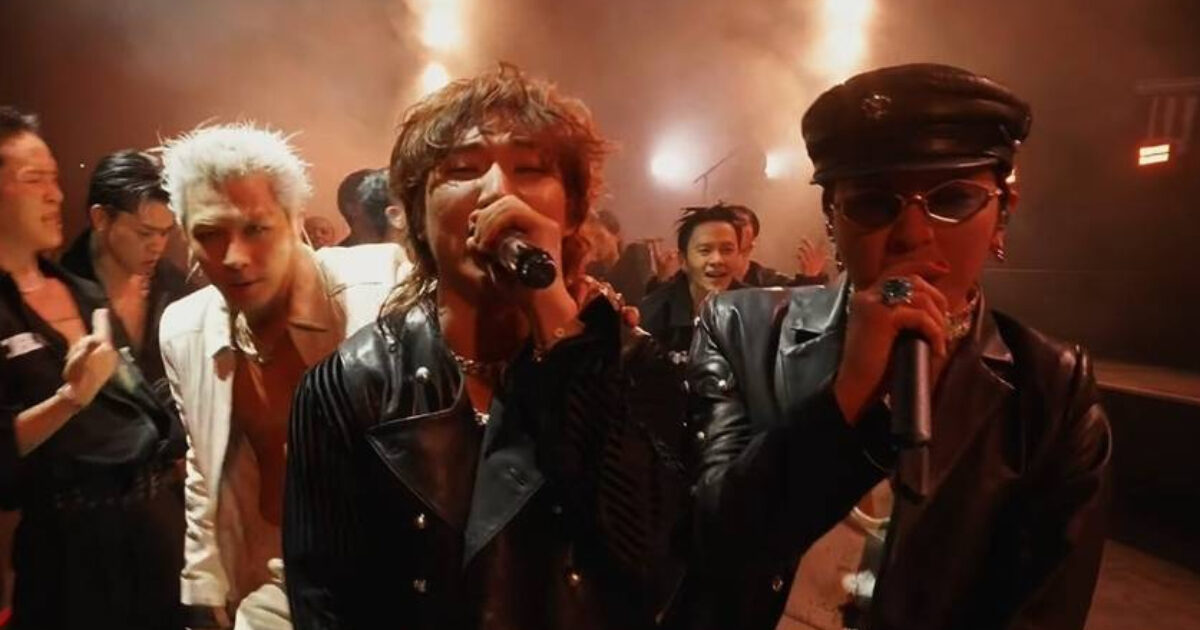
The reported seven-figure appearance fee for BIGBANG's history-making 2025 Coachella set wasn't just a paycheck; it was a financial valuation of legacy. This analysis reveals how their deal, dwarfing typical K-Pop festival fees, serves as a stark benchmark for the industry, separating transient fame from generational cultural capital. It underscores that in the global live music economy, proven hit-makers with a decade-plus of influence command a premium no current hype can match.
- What Was the BIGBANG-Coachella Deal, Really?
- Why Was Their Fee on a "Different Level"? What Does This Mean for the K-Pop Industry?
- How Does the BIGBANG Fan Economy Fuel This?
- Is This a New Benchmark for All Top K-Pop Acts?
- Frequently Asked Questions
What Was the BIGBANG-Coachella Deal, Really?
While official figures are guarded, industry insiders confirm the deal for BIGBANG’s headliner-caliber spot was structured unlike any previous K-Pop booking at the festival. It was not merely an "artist fee" but a comprehensive package acknowledging their unique status.
The Structure of a Legacy Act Booking
For an act of BIGBANG's stature, fees encompass far more than performance time. Negotiations include production costs, creative control over stage design, dedicated rehearsal slots, and specific billing prominence. Their deal likely guaranteed a prime sunset or night-time slot on the main stage, a critical factor for visibility and live stream impact. This contrasts with earlier K-Pop acts who performed in tent stages or earlier daytime slots.
Contextualizing the Numbers
To understand the scale, one must look at festival economics. Top-tier global headliners at Coachella can command fees from $3-5 million and up. BIGBANG’s reported fee, while substantial, positions them as a premium special guest or sub-headliner, a remarkable feat for a non-Western act. It places their market value firmly in the realm of established global rock and pop legends, not just within the K-Pop bubble.
This wasn't about booking a hot K-Pop group. This was about securing a cultural event. Promoters weren't paying for 90 minutes of music; they were paying for 15 years of history, fashion, and hit-making to manifest on their stage.
Why Was Their Fee on a "Different Level"?
Several pillars of BIGBANG’s career converged to create this unmatched valuation. Their fee is a direct reflection of assets most groups spend careers trying to build.
1. The Catalog of Anthems
BIGBANG possesses a discography of self-composed, era-defining anthems like "Bang Bang Bang," "Fantastic Baby," "Haru Haru," and "BANG BANG BANG" that transcend language. These are not just fan songs; they are globally recognized festival-ready tracks with proven crowd reaction. This gives promoters absolute confidence in their set's impact, reducing financial risk.
2. Individual Superstar Power
Each member—G-Dragon, T.O.P, Taeyang, Daesung—is a standalone celebrity and trendsetter. This "supergroup" effect means the booking attracts not just a united fandom (VIPs) but also fans of their solo ventures and fashion lines. It multiplies the promotional reach and media coverage, offering Coachella multiple headline angles. For a study in individual evolution within a group, see our analysis of The Jennie Kim Dossier.
3. The Scarcity and Comeback Factor
Their period of military service and hiatus created unprecedented pent-up demand. Their Coachella appearance was framed as a major chapter in their comeback narrative, akin to a must-see reunion tour. Scarcity drives value, and BIGBANG's limited engagements post-return made this a exclusive global ticket.

What Does This Mean for the K-Pop Industry?
The ripple effects of this deal are already being felt across agency boardrooms, resetting expectations for what top-tier K-Pop is worth on the global stage.
A Shift in Power Dynamics
This move demonstrates that the ultimate leverage lies with artists who own their creative narrative and sound. BIGBANG’s involvement in production and songwriting gives them a ownership stake in their success that purely performance-focused groups lack. It empowers them in negotiations, a lesson for the next generation. This echoes the artistic ownership seen in bands like Xdinary Heroes.
Redefining "Global Success" Metrics
The industry often measures global success through streaming numbers, social media followers, or brand deals. BIGBANG’s fee introduces a new, hard-nosed metric: guaranteed live music revenue. It proves that deep, lasting fandom translates directly into ticket and festival revenue, a more sustainable indicator than viral moments.
K-Pop Act / Event Tier Primary Global Metric Festival Booking Power Financial Valuation Basis BIGBANG (Legacy Tier) Catalog Ownership, Live Event Demand Headliner / Premium Sub-Headliner Guaranteed Fee, Cultural Capital Current "Global" Groups (Peak Hype Tier) Streaming Records, Social Trends Main Stage Featured Act Brand Lift, Youth Demographic Draw Rising & Niche Acts Fan Community Strength, Critical Praise Side Stage / Tent Showcase Exposure, Career LaunchpadHow Does the BIGBANG Fan Economy Fuel This?
The financial might of the VIP fandom is the engine behind this valuation. Their loyalty is not passive; it's an active, long-term economic force.
The Demographics of Spending Power
Unlike fandoms centered on younger teens, a significant portion of VIPs have grown with the group. Now in their 20s, 30s, and beyond, they possess greater disposable income. This allows for high-ticket spending on travel, premium tickets, and merchandise, making a Coachella trip a feasible pilgrimage. This mature, financially-empowered fandom is a promoter's dream.
Loyalty Beyond "Comebacks"
VIP loyalty is sustained through member solo activities, fashion lines, and artistic ventures. This creates a continuous engagement loop that survives group hiatuses. The fandom's investment is in the individuals' artistry as much as the group, ensuring stability. This deep, narrative-driven connection is similar to the dynamic explored in Bom's Catharsis regarding 2NE1's legacy.
Is This a New Benchmark for All Top K-Pop Acts?
While transformative, the BIGBANG benchmark is not universally applicable. It sets a high bar, but one that requires specific foundational elements to meet.
The "BIGBANG Criteria" for Comparable Value
For an act to command a similar fee, they would need to check most of these boxes:
- Decade+ Career Longevity: Surviving multiple industry cycles.
- Self-Produced Hit Catalog: Ownership of iconic, stadium-sized songs.
- Individual Member Star Power: Each member as a viable headline draw.
- Mature, Global Fanbase: With proven spending power for live events.
- Cultural Trendsetter Status: Influence extending beyond music into fashion and art.
Very few groups, even among the most successful today, have fully matured into this complete package.
The Danger of Direct Comparison
Expecting a 4th or 5th-generation group to match this fee now is misguided. Their value is calculated differently, based on current virality and youth appeal. The BIGBANG model is an aspirational endpoint, a blueprint for building a career that culminates in this level of institutional respect and financial reward. Track the evolution of newer acts on our Charts page.
Frequently Asked Questions
Q: Did BLACKPINK's Coachella headlining set pave the way for this fee?
A: Partially, but in a complementary way. BLACKPINK's historic headline proved the massive draw and production capability of a top K-Pop act, raising the floor for the industry. BIGBANG's fee then established the financial ceiling for legacy acts, showing promoters will pay a premium for a unique, generation-defining cultural moment.
Q: Will this make festival bookings more expensive for all K-Pop acts?
A: It will create a more tiered and nuanced market. Promoters will now have clear "tiers" in mind: legacy act premiums, current global headliners, and rising stars. While top-tier fees may rise, it also helps serious artists with dedicated fanbases command better deals than being lumped in as a generic "K-Pop" act.
Q: What does this mean for other 2nd generation groups considering reunions or tours?
A: It significantly increases their negotiating power. Groups like 2NE1 or TVXQ! who have legendary status and a mature fanbase can now point to this deal as a precedent. It validates the commercial viability of "heritage act" tours and festival appearances on a global scale. Discover more about 2nd gen narratives on our Artists page.
Q: Does a high fee put more pressure on the performance itself?
A: Absolutely, but BIGBANG's history is their safety net. The pressure is immense, but their fee is partly for the reduced risk they represent. Their experience, iconic setlist, and stage command are considered guaranteed deliverables. The expectation is a career-defining show, which is precisely what their catalog and history are built to provide.
Q: How does this relate to soloists like Yves pursuing artistic collaborations?
A: It highlights different paths to value. While BIGBANG's fee is about collective legacy, artists like Yves build value through curated artistic evolution and critical collaboration. Both models—the powerhouse legacy group and the evolving solo auteur—are vital, demonstrating that commercial and artistic credibility can coexist in K-Pop at the highest levels.
Conclusion: The Price of a Legacy
The reaction to BIGBANG's Coachella fee was a moment of collective industry recalibration. It moved the conversation from "Can K-Pop sell out stadiums?" to "What is decades of K-Pop innovation and influence actually worth on the open market?" The answer, as evidenced by the deal, is: a substantial premium.
This isn't just a win for BIGBANG; it's a win for the entire ecosystem. It provides a concrete goalpost for longevity, rewards artistic ownership, and forces the global market to financially acknowledge K-Pop's deepest roots. For fans, it validates that the music and artists they've supported for years hold real, quantifiable power. For the industry, it's the ultimate case study in building a career that lasts.
What's Next? Watch how this affects negotiations for other legendary groups and monitor whether newer acts start publicly prioritizing catalog ownership and individual brand building with this long-game model in mind. The true impact will be measured in the career choices of the next decade. For continued analysis on pivotal moments in K-Pop, stay locked to our News page.