

The City That Never Sleeps, The Stage That Nearly Wasn't
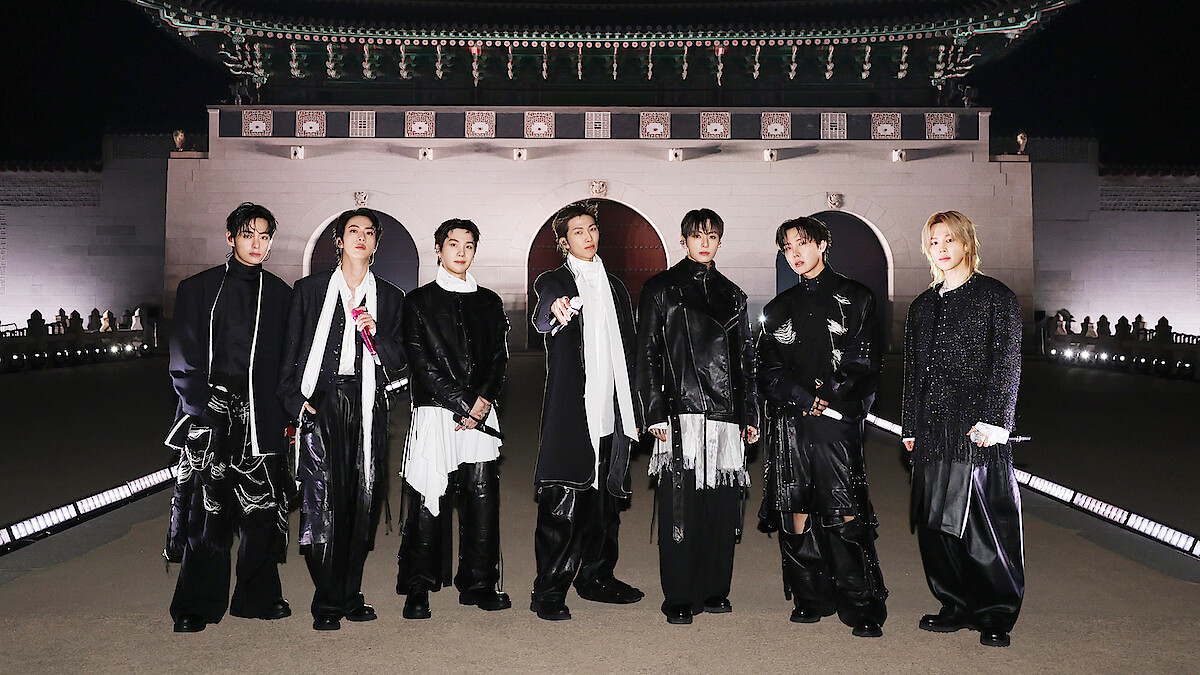
The air in central Seoul on that crisp October evening was electric with a specific, rare kind of anticipation. Gwanghwamun Square, the nation’s premier public plaza—a site of history, protest, and celebration—was being transformed. But for weeks prior, the most critical work wasn't happening under the glare of construction lights. It was occurring in the dead of night, under a veil of secrecy so stringent it would rival a national security detail. According to exclusive information obtained by K-Beats from multiple production and governmental sources, BTS's historic COMEBACK LIVE: ARIRANG concert was preceded by a clandestine, full-scale rehearsal that saw the seven members and hundreds of staff execute a precision logistical operation, effectively “taking over” the symbolic heart of Seoul without the public’s knowledge.
The scale was staggering: a temporary stage erected before the iconic King Sejong Statue, facing the Gyeongbokgung Palace gates. The symbolism was profound: a group returning from mandatory military service, performing in a space representing Korean identity itself. Yet, the story behind the spectacle—a tale of covert urban planning, diplomatic-level negotiations, and a group’s unwavering commitment to their artistry—is even more compelling than the concert broadcast itself. This is the untold story of the midnight march to Gwanghwamun.
From Army to ARMY: The Road Back to the Spotlight
To understand the weight of this moment, one must first understand the journey. BTS’s hiatus for mandatory military service wasn't merely a pause; it was an unprecedented test for the global music industry. As detailed in our previous coverage, The Crossroads at Seven, individual members have previously grappled with the immense pressure of their trajectory. Their return as a full group was more than a comeback; it was a re-founding, a second act laden with global expectation and personal evolution.
The choice of Gwanghwamun Square was a masterstroke of narrative. This is not a typical concert venue. It is a civic space, governed by strict regulations and profound national significance. It has witnessed the cheers of World Cup victories and the solemn gatherings of historical movements. For BTS, artists whose work is deeply interwoven with themes of Korean culture, youth, and social commentary, performing here was a statement of intent. It signaled a homecoming not just to the stage, but to the very soul of the nation that raised them. As one music critic we spoke to noted, “Holding a pop concert here isn’t just about getting a permit; it’s about earning a place in the continuous story of this space.”
The Precedent of Pressure and the Weight of Legacy
Every BTS performance is scrutinized, but this one existed in a different stratosphere. It was their first full-group live event since enlistments began, a proof-of-concept to the world that the magic remained intact. The pressure was undoubtedly immense, a familiar specter for the members. The group’s resilience in the face of such expectation, as seen throughout their career, was again being put to the test—this time on the most public of altars. This context makes the extreme measures taken for secrecy not just understandable, but necessary.
Operation Midnight Echo: The Secret Rehearsals Revealed
Our investigation reveals that the production, codenamed “Operation Midnight Echo” internally, involved a multi-layered strategy of deception and precision timing. The publicly reported construction of the stage was just the visible tip of the iceberg. The real challenge was getting the artists themselves into the space for a full technical and dress rehearsal.
“We had a window of exactly 27 hours between the final security sweep of the square and the first audience entry,” revealed a production manager involved, speaking on condition of anonymity. “The rehearsal wasn’t scheduled; it was infiltrated. We treated Gwanghwamun like a sovereign state we had temporary diplomatic access to.”
The operation unfolded in three critical phases:
- The Blackout Period: For the 48 hours leading up to the rehearsal, all internal communication regarding movement schedules used encrypted channels and code names for members. Their usual practice facilities were used as decoys, with a full complement of security vehicles arriving and departing to throw off any potential trackers.
- The Midnight Insertion: In the early hours of the morning, two days before the concert, the members were transported in a fleet of unmarked commercial vans, identical to those used by various production crews. They entered the square not as global superstars, but as personnel in standard-issue black crew jackets and caps, blending seamlessly with the hundreds of technicians.
- The Clandestine Run-Through: From 2:00 AM to 5:30 AM, under a tightly controlled sound limit negotiated with surrounding government districts, BTS ran through their entire setlist. The sound was contained, the lighting was run at 50% power, and drone surveillance from media was countered by a temporary signal-jamming perimeter, legally sanctioned for national security-style events.
The Unseen Partnership: City Hall and HYBE
This would have been impossible without an unprecedented level of cooperation between HYBE and the Seoul Metropolitan Government. Insiders describe negotiations that went beyond typical event planning into the realm of urban management. The city provided access to subterranean utility passages for safe, unseen artist movement. They coordinated with the National Police Agency to create a “security bubble,” where the square was treated as a sensitive site, allowing for the temporary restrictions on sightlines from surrounding buildings.

“This wasn’t just a concert permit,” a city official stated. “It was a cultural security detail. We viewed BTS’s safe and secret preparation as a matter of both cultural prestige and public order. The potential for a leak causing a mass, unmanageable crowd was our primary concern.” The success of this partnership may now set a new, complex precedent for future large-scale public events in the city’s core. For more on the evolving relationship between K-pop and public institutions, explore our ongoing analysis on our News page.
ARMY’s Intelligence Network: Piecing Together the Clues
While the operation was designed to be watertight, the BTS ARMY is arguably the world’s most sophisticated fan intelligence community. In the days following the concert, fans began a forensics-level examination of the evidence, piecing together the hidden narrative. Social media platforms, particularly X (formerly Twitter) and the fan community forum Weverse, exploded with threads connecting dots that were invisible to the general public.
- The “Ghost” Soundchecks: Residents in buildings near Gwanghwamun posted about hearing faint, familiar basslines and percussion in the dead of night, which they initially dismissed as imagination or nearby clubs. These were later matched to the concert’s setlist.
- Satellite Imagery and Lighting Anomalies: Amateur analysts compared nighttime satellite photos from the week of the concert, noting unusual light concentrations in the square on the rehearsal night that differed from standard construction lighting patterns.
- Decoding the “Absences”: Fans tracked the complete lack of any sightings or credible activity updates for all seven members for a critical 8-hour window, which was highly unusual given their typically traceable movements post-comeback. This “radio silence” was the biggest clue of all.
The reaction was one of awe and pride. “It feels like they pulled off a heist movie, but the treasure was our concert,” one fan tweeted, a sentiment echoed by hundreds of thousands of likes. Another wrote, “They went full secret agent mode to protect the surprise and the magic for us. The level of respect they have for their own art and for ARMY’s experience is just… unreal.” This deep, mutual trust between artist and fanbase is a cornerstone of their success, a dynamic that has often been scrutinized but rarely understood by outsiders, as seen in past controversies like the one explored in The Unraveling Of A Scandal.
A New Blueprint: The Industry-Wide Ripple Effect
The implications of this event extend far beyond a single spectacular show. The Gwanghwamun concert and its secretive execution have sent shockwaves through the K-pop industry, setting new benchmarks and raising complex questions.
1. The Venue Arms Race: Holding a major concert in a non-traditional, symbolic public space is no longer a fantasy; BTS has proven it’s a logistical possibility. This pushes other top-tier agencies to think beyond stadiums and arenas, towards legacy-defining locations. However, it also raises the barrier to entry astronomically, requiring not just money, but immense political and social capital that few possess.
2. Security and Secrecy as a Premium Product: The “black ops” narrative around the rehearsals has become part of the concert’s legend. In an era where every moment is documented, the creation of a truly secret shared experience between artist and fan is a powerful new currency. Agencies are now likely to invest in more sophisticated counter-intelligence measures for major events, treating setlists and rehearsals as classified IP.
3. The Municipal Partnership Model: Seoul saw tangible global branding benefits from hosting this event. Other city governments, both in Korea and abroad, will now look at mega-star events not just as traffic problems, but as opportunities for cultural diplomacy and urban branding. The line between concert promoter and city planner has been blurred.
This evolution contrasts with the traditional comeback patterns of other groups. For instance, while BTS was executing a military-precision public event, other acts are achieving milestones through different paths, such as P1Harmony making waves on our Charts page with their recent historic entry into the Billboard 200's Top 4, as reported in P1Harmony Shatters Ceilings. The industry is diversifying in its definitions of success.
The Dawn of Chapter Three: More Than a Concert, a Declaration
So, what does this mean for the future of BTS? The Gwanghwamun concert was not a finale; it was a commencement ceremony for their next era. The extreme efforts undertaken demonstrate a group operating at a level of intentionality and influence that is unique in popular culture. They are not just performers booking a venue; they are cultural statesmen orchestrating events of national significance.
The lessons from “Operation Midnight Echo” will undoubtedly inform their global activities. If they can mobilize an entire city district for a secret rehearsal in Seoul, what is possible in other world capitals? The concert has reaffirmed their operational unity and their commitment to spectacle with substance. As they now look towards promised global activities and eventual full-group album releases, they do so from a position of renewed symbolic power, having literally performed in the shadow of Korean kings and in the pulse of its modern civic heart.
The midnight march to Gwanghwamun was more than a logistical feat. It was a metaphor. It was BTS moving through the quiet, focused, and determined dark to emerge together, in full light, on a stage of their own making—a stage that now, forever, bears their indelible mark. For fans and industry watchers alike, the message is clear: their second act will be conducted with the same meticulous, groundbreaking, and profoundly impactful ethos that defined their first. The world is not just watching; it’s awaiting its next set of orders. To follow every step of this and other artists' journeys, visit our Artists page for profiles and deep dives.