

The K-Pop landscape is a perpetual cycle of innovation and homage, where every new synth wave finds its roots in a decade-old melody. While fans fiercely debate the merits of 4th versus 5th generation production, a more fascinating conversation lies in tracing the direct lineage of pop DNA. What happens when you pit definitive title tracks from different eras against each other, not for supremacy, but for scholarly deconstruction? Imagine a chart battle not constrained by time: the digital-age shimmer of BoA's "Copy & Paste," the proto-bubblegum energy of Chakra's "Oh! My Boy," and the flirtatious playground pop of Hello Venus's "Sticky Sticky." This isn't just a fight for clicks; it's an archaeological dig into the evolving language of Korean pop femininity, performance, and commercial craft.
This theoretical showdown, inspired by The Bias List's conceptual feature, provides a unique framework to analyze how core concepts—the confident diva, the cute crush, the playful tease—have been packaged and repackaged across fifteen pivotal years of industry growth. Each song is a timestamp, a capsule containing the production trends, marketing strategies, and societal expectations of its moment. By placing them side-by-side, we hear not just three great pop songs, but the story of K-Pop's journey from localized trend to global powerhouse, one infectious hook at a time.
Setting the Stage: Artists as Era-Defining Archetypes
To understand the weight each song carries, one must first grasp the monumental context of the artists behind them. They are not just performers; they are archetypes and pioneers who carved paths for those who followed.
BoA: The Solo Pioneer & Industry Blueprint
Released in 2010, "Copy & Paste" arrived from an artist who was already a legend. BoA wasn't just a singer; she was a strategic project and a cultural bridge. Debuting at 13 in 2000, she spearheaded SM Entertainment's early forays into the Japanese market, achieving unprecedented success and proving that a Korean artist could dominate abroad. By 2010, she was the undisputed queen, a veteran at 24. Her music had evolved from teen pop into sophisticated, often Western-leaning electropop and R&B. "Copy & Paste" came from her seventh Korean album, Hurricane Venus, a project that solidified her as a mature, autonomous artist in control of a razor-sharp, high-tech image. She was the blueprint for the solo female artist as a global entity, a template that would later inform the careers of idols like Sunmi and Taeyeon. As explored in our analysis of soloist AWU's recent work, the shadow of BoA's artistic autonomy looms large over every female soloist who follows.
Chakra: The First-Generation Experiment in Fusion
Rewind to 2000. Chakra was a phenomenon of a different kind. In an era dominated by co-ed groups and pure pop, Chakra, produced by Lee Soo-man himself, was a bold experiment in "ethnic pop." Their concept fused Korean traditional imagery, mysticism, and Middle Eastern-inspired sounds with catchy dance beats. "Oh! My Boy," from their second album in 2001, was arguably their most purely pop moment, yet it retained a distinct, almost otherworldly vibe. They were performance-focused, with intricate, storytelling choreography—a precursor to the theatricality of later groups. While their career was relatively short, their impact is often overlooked. They proved that a strong, avant-garde concept could achieve mainstream success, paving the way for future genre-bending and conceptually dense groups. They represent the fearless, sometimes chaotic, innovation of first-generation K-Pop.
Hello Venus: The Gateway to 'Bright Concepts'
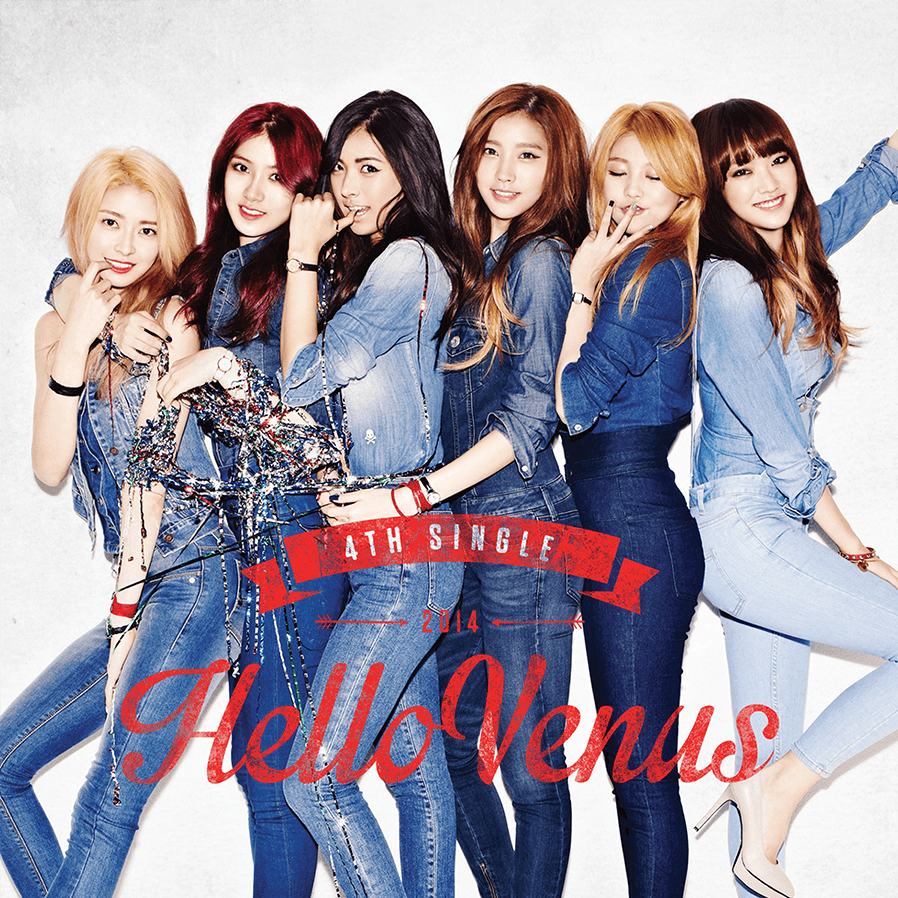
By 2015, K-Pop's system was refined, and girl group concepts were neatly categorized. Hello Venus, a joint venture between Fantagio and Pledis Entertainment, initially navigated a mature, elegant concept before a pivotal member change and reboot. Their 2015 single "Sticky Sticky" marked a complete shift into the "bright," playful, and slightly aegyo-driven concept that would dominate the mid-2010s for many mid-tier groups. It was cute but not childish, flirtatious but not overtly sexy—a safe, commercially palatable, and incredibly catchy formula. Hello Venus became a prime example of a group that found its niche and audience through this precise, upbeat identity. They represent the era of optimized pop, where concepts were market-tested and sonic palettes were designed for maximum digital streaming appeal.
The Sonic Showdown: A Musical & Thematic Dissection
With their historical roles defined, the songs themselves become texts to be decoded. Each track employs a different toolkit to achieve a similar goal: creating an unforgettable, repeat-worthy pop moment.
BoA's "Copy & Paste": The Polished Power Statement
"Copy & Paste" is a masterclass in cold, confident electropop. Built on a skittering, glitchy synth line and a monstrously deep, wobbling bass, the production feels metallic and futuristic—a sound deeply in vogue in 2010's global pop scene. Lyrically, it's a declaration of unique, irreplicable star power. The hook, "I'm original, you're just a copy," is a direct, arrogant boast. BoA's performance is contained and precise; the choreography highlights sharp isolations and powerful gestures. There's no crowd-pleasing aegyo here, only controlled dominance. The song’s message aligns with her position: she is the source code, and imitators are merely using the copy and paste function. It’s a title track that reinforces an established icon's status, rather than introducing a new artist.

The song's sonic palette—all synthetic sheen and algorithmic precision—mirrors the K-Pop industry's own journey toward a globally competitive, factory-precise production standard.
Chakra's "Oh! My Boy": The Whimsical, Unfiltered Crush
From its opening giggle and toybox synth melody, "Oh! My Boy" exists in a world of unfiltered, almost cartoonish infatuation. The production is of its time: a straightforward, buoyant dance track with a four-on-the-floor beat, punctuated by the group's distinct, chanted vocals and that unforgettable, squeaky "Oh! My Boy!" hook. The lyrics are simple and direct, expressing pure, excited affection. The charm lies in its lack of irony and its sheer exuberance. The choreography likely involved playful, repetitive point moves rather than complex formations. This is pop as pure, sugary emotion—a stark contrast to BoA's calculated cool. It captures the innocent, hopeful spirit of early K-Pop crush anthems, where the fantasy was simple and bright.
Hello Venus's "Sticky Sticky": The Playful, Calculated Tease
"Sticky Sticky" operates in a more nuanced space. Its sound is a bright, fizzy cocktail of funky bass guitar, handclaps, and sparkling synths. It’s irresistibly danceable but meticulously clean. The concept is "playful temptation." Lyrics like "You’re a candy boy, I’m a candy girl" and the titular "Sticky Sticky" use childish metaphors to frame a flirtation. The aegyo is present but packaged as part of a coherent, charming character. The choreography is iconic for its memorable "sticky" hand gestures and bouncy, energetic group sequences designed for easy fan imitation. This is pop as a perfectly engineered product of its era: incredibly catchy, visually cohesive, and engineered to be a "meme-able" hit on music shows and social media. It reflects the industry's full embrace of idol culture, where the song, dance, and fan interaction are a unified package.
This evolution mirrors broader industry shifts, akin to how controversies today can stem from perceived missteps in cultural representation, much like the intricate fallout discussed in our coverage of recent geopolitical tensions in K-Pop performances.
Fan & Community Pulse: Nostalgia vs. Legacy
On forums and social media, the hypothetical battle sparks distinct conversations. For older fans, Chakra triggers a wave of nostalgic reverence. "This was K-Pop when it was raw and weirdly wonderful," one fan commented on a retrospective thread. "You wouldn't get a concept like that today without it being hyper-polished." Chakra represents a cherished, pioneering past.
BoA's supporters, often industry-savvy, argue from a position of legacy. "You can draw a straight line from 'Copy & Paste' to the soloist power anthems of today," a longtime fan tweeted. "It's about artistic authority. She wasn't just singing a song; she was embodying a fact." The song is cited in "K-Pop history" video essays as a pivotal moment in soloist branding.
Reactions to Hello Venus are often wrapped in affectionate nostalgia for a specific, sunnier period in 3rd generation K-Pop. "This was the soundtrack to my university years," writes one fan. "It's pure serotonin. No deep meaning, just fun." However, some critics within the community note that this era's "bright concept" could sometimes edge into infantilization, a complex issue the industry continues to grapple with, even as newer generations attempt to redefine norms, similar to NEBULA's Sia's pragmatic approach to public perception.
The debate highlights how a fan's entry point into K-Pop shapes their aesthetic loyalty. It's less about which song is "better" and more about which era's philosophy of pop resonates most deeply. For a comprehensive look at artists shaping these conversations, explore our extensive artist database.
Industry Analysis: What Each Track Teaches Us
Beyond the melody, each track is a case study in K-Pop's commercial and artistic evolution.
"Oh! My Boy" (2001) represents the Localized Experiment Phase. The industry was focused on domestic success, willing to try bold, culturally specific fusions. Marketing was driven by TV music programs and physical albums. The group's identity was paramount, but the systemic "idol training" model was still being standardized.
"Copy & Paste" (2010) signifies the Global Aspiration & Soloist Elevation Phase. The production aligns with international pop trends. The artist is positioned as a self-referential brand. This era saw concerted efforts to break into markets like Japan and the beginnings of Western curiosity. The music video and choreography are high-budget statements of intent.
"Sticky Sticky" (2015) embodies the Digital Optimization & Concept Specialization Phase. The song is engineered for streaming and digital downloads. The concept is a clear, marketable niche within a crowded girl group landscape. Success is measured in music show wins, YouTube views, and the ability to create viral dance challenges. The entire project reflects a hyper-efficient, system-produced idol package.
The trajectory from Chakra's whimsical fusion to Hello Venus's optimized pop mirrors the industry's transformation from a cottage industry of ideas to a precision-engineered cultural export machine.
This relentless evolution isn't without its internal tensions, as seen when corporate communication falters, eroding fan trust—a dynamic not unlike the recent retraction crisis at HYBE over artist representation.
Looking Forward: The Legacy Casts Long Shadows
So, who "wins" this battle of the title tracks? The answer is deliberately elusive, because the true victor is K-Pop's enduring, adaptive pop sensibility itself. You can hear the echo of Chakra's fearless genre-blending in the experimental sounds of groups like (G)I-DLE or aespa's Kwangya mythology. BoA's blueprint of the powerful, self-possessed soloist is alive and well in every stage performance by Chungha or Jeon Soyeon. The bright, playful, and perfectly packaged essence of Hello Venus's peak informs the early careers of groups like STAYC or Weeekly.
The battle illuminates a cyclical truth: today's cutting-edge trend is tomorrow's nostalgic reference, and the fundamental desires these songs tap into—confidence, infatuation, joy—remain constant. The packaging evolves with technology and taste. As we look to the future, with 5th generation groups pushing boundaries in virtuality and global integration, the lessons from these three touchstones remain vital. Understanding where the pop formulas came from is key to appreciating where they are going next. The next definitive title track, currently climbing our real-time charts, is already somewhere in a production studio, perhaps unconsciously weaving together a thread from BoA's metallic confidence, a splash of Chakra's colorful daring, and the sticky-sweet catchiness that made Hello Venus a moment in time. The great K-Pop songbook is never closed; it is only ever being remixed.