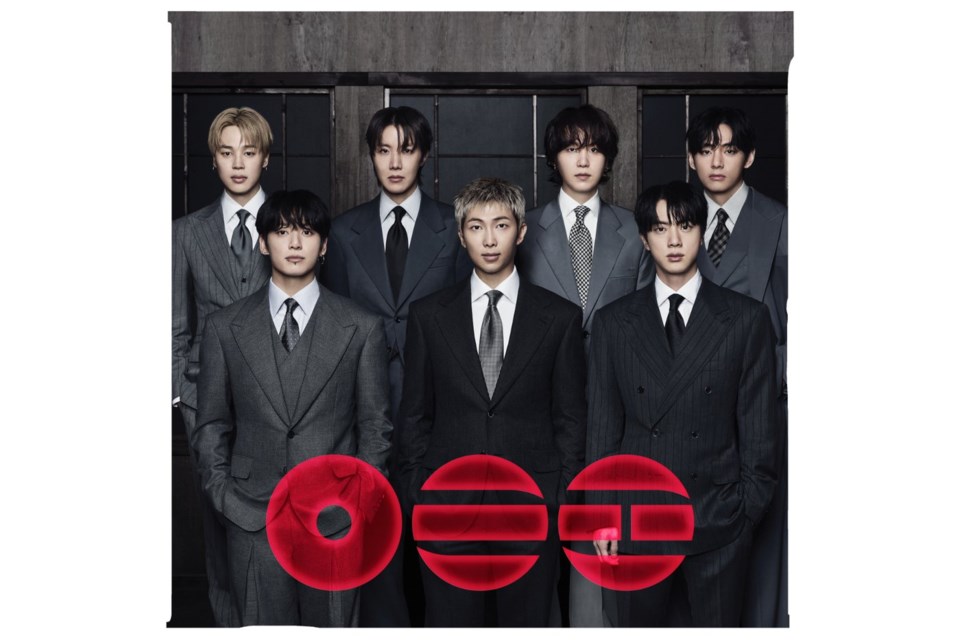

In the meticulously orchestrated universe of K-Pop, a new release from BTS is less of an event and more of a global cultural moment. Announcements trigger seismic shifts in streaming patterns, social media transforms into a sea of purple, and the industry holds its breath. So, when the septet dropped their latest album, ARIRANG, the anticipation was, as ever, stratospheric. However, the aftermath has unfolded not with a unanimous roar of acclaim, but with a palpable, murmuring undercurrent of dissent from a segment of their historically devoted fanbase, ARMY. This isn't a story of failure—commercial metrics remain colossal—but one of fascinating creative dissonance. What happens when the world's biggest boy band takes a path that leaves some of its most loyal listeners feeling unmoored?
A Legacy Forged in Evolution
To understand the weight of this moment, one must first appreciate the journey. Since their debut, BTS has built an empire on a foundation of relentless evolution and intimate communication. Their discography is a map of their growth: from the rebellious, hip-hop infused themes of school and youth to the lush, self-referential complexity of the Love Yourself and Map of the Soul eras, and the pandemic-born introspection of BE. Each phase was a conversation with ARMY, often raw, vulnerable, and tackling universal anxieties. This narrative of shared growth, of "walking together" as they often lyricize, created an unparalleled bond. It's a bond we've chronicled in moments like their emotional Gwanghwamun concert, where gratitude wasn't just spoken, but deeply felt.
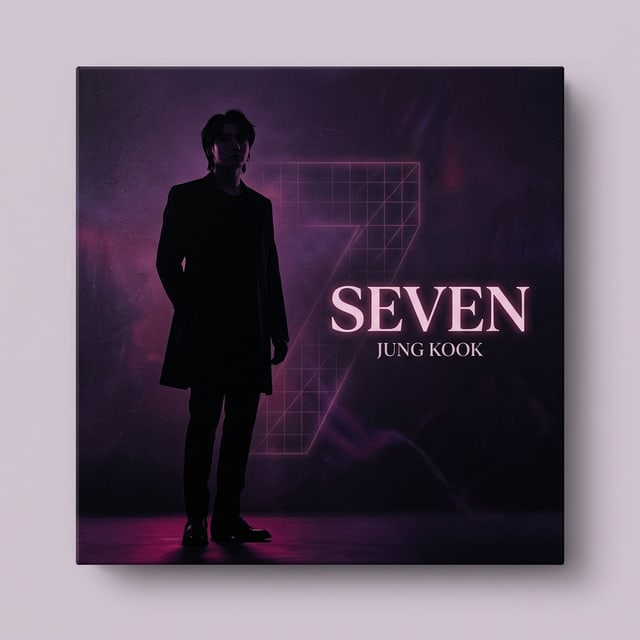
Their recent solo ventures, sanctioned under the Chapter 2 umbrella, further diversified their artistic portfolios, from Jin's rock-tinged ballads to j-hope's gritty hip-hop and Jung Kook's pop dominance. The implicit promise of a group comeback was thus laden with expectation: a synthesis of these matured individual voices into a new, cohesive BTS sound. The pre-release buzz for ARIRANG, titled after the iconic Korean folk song symbolizing sorrow and resilience, suggested a profound, perhaps even traditionally rooted, statement. The stage was set for a masterpiece.
Deconstructing the Disappointment: Five Core Friction Points
The album's release, accompanied by the lead single "SWIM" and its music video, has instead ignited a complex debate. The criticism is nuanced, not a blanket rejection, but a series of pointed questions about artistic direction. Here are the core areas where fan expectations and the album's reality have diverged.
1. The "SWIM" MV: Aesthetic Ambiguity vs. Narrative Expectation
The music video for "SWIM" is undeniably a high-concept, cinematic piece. Shot in muted, desaturated tones with sweeping shots of isolated landscapes and the members often framed separately, it leans heavily into metaphorical, abstract imagery. For some fans, this departure from the more narrative-driven, character-heavy MVs of the past—think the interconnected stories of "I Need U" or the vibrant, symbolism-rich "Blood Sweat & Tears"—feels cold and distancing. The critique isn't about production value, which is sky-high, but about emotional accessibility. Where earlier videos invited fans to decode a story *together*, "SWIM" presents a mood that some find elusive and intentionally opaque.
"It's beautiful, but it feels like I'm watching an art film about someone else's melancholy. I miss the feeling that we're in the story with them," one fan commented on a popular forum, a sentiment echoed in thousands of similar posts.
2. Lyrical Obfuscation and the Language Divide
BTS's lyricism, particularly from the pen of leader RM and the group's rapline, has been a cornerstone of their appeal. Their ability to weave complex personal and generational angst into poignant, often brutally honest, verses is legendary. ARIRANG, however, sees a shift towards more impressionistic and abstract language. Korean-speaking fans have pointed out that the wordplay is less direct, the metaphors more layered and personal to the point of being cryptic. This has inadvertently widened a gap within the fandom.
International ARMYs, who rely heavily on subtitles and fan translations, find themselves at a double remove: first from the original Korean, and second from the new lyrical ambiguity. The shared understanding that came from clear, powerful themes—mental health in "The Last" by Agust D, self-acceptance in "Answer: Love Myself"—feels softened. The album's title promised a connection to a shared Korean emotional heritage, but the execution, some argue, has made that connection less translatable, fracturing the global fandom's unified interpretative experience.
3. Sonic Experimentation at the Expense of Melodic Anchor
Musically, ARIRANG is a bold experiment. It heavily incorporates ambient soundscapes, minimalist production, and dissonant jazz elements, particularly in its B-sides. The hip-hop roots are present but abstracted, and the anthemic, sing-along choruses that defined hits like "Dynamite" or "Spring Day" are largely absent. This has been interpreted by disappointed fans as a move away from "songcraft" and toward "sound design."

While critics may praise the artistic audacity, a portion of the fanbase listens for emotional catharsis through melody. Tracks perceived as meandering or deliberately arrhythmic challenge that desire. It raises a question critical to pop artistry: at what point does experimentation distance the art from the audience that cherishes it? This shift also stands in contrast to the performance-centric history of K-Pop, a legacy explored in our look at 3rd generation male idol dancers, where music and physical expression were tightly, accessibly linked.
4. The "Group" Dynamic in a Solo-Heavy Configuration
Following the intense focus on solo work during Chapter 2, fans were ravenous for OT7 interactions—the specific, irreplaceable chemistry of all seven members together. ARIRANG, however, is structurally sparse on moments where all voices intertwine in the way classic BTS tracks do. Many songs are structured as solo or unit pieces within the album framework, with the full group appearing only on a few tracks, and even then, often in layered, fragmented ways.
For a fandom that fetishizes the group's synergy—the way Jungkook's golden voice lifts a RM rap verse, or how Jin's and V's timbres play off each other—this album can feel like a collection of adjacent solo projects rather than a reconvergence. It lacks the conversational, call-and-response quality that made their earlier group work feel like a dialogue between the members themselves.
5. The Weight of the "Arirang" Legacy
The album's title itself may be its biggest burden. Arirang is not just a folk song; it's a symbol of Korean identity, endurance, and han—a deep, collective sorrow. By invoking this name, BTS set an expectation of a work of profound cultural resonance and emotional gravity. For some fans and casual observers, the album's abstract, personal, and at times sonically disjointed nature doesn't connect convincingly to that monumental legacy. It feels, to them, like an aesthetic reference rather than a spiritual or thematic inheritance. The title promised a grand, unifying statement, but the delivery is being interpreted by some as introspective and niche.
The ARMY Schism: Vocal Criticism in a Culture of Support
The reaction within ARMY is a microcosm of a modern fandom's complexity. On one side, a vocal cohort on platforms like Twitter, Reddit, and Weverse is expressing its disappointment openly, dissecting the album's perceived flaws with the detailed ear of veteran critics. These aren't anti-fans; they are invested, passionate followers who feel the album has strayed from what they love about BTS. This internal critique is a sign of the fandom's maturation—they are engaging as discerning consumers of art, not just celebrants.
Conversely, another large segment is rallying in fierce defense, arguing that artistic growth requires risk and that fans should support the members' chosen direction unconditionally. They see the criticism as disloyal, especially during the group's enlistment period, a time often framed as challenging. This has sparked heated, intra-fandom debates about the very nature of support: is it blind celebration, or is respectful, constructive critique a form of deeper engagement?
This tension highlights a pivotal moment for one of the world's most organized fandoms. As seen in projects like the post-concert cleanup at Gwanghwamun, ARMY's collective identity is built on positive action. Widespread negative critique of the group's core art is uncharted territory, testing the fandom's cohesion. The discourse is less about abandoning ship and more about navigating how to voice divergent opinions within a community known for its monolithic public front.
Industry Analysis: A Calculated Risk or a Misstep?
From an industry perspective, the ARIRANG rollout is fascinating. HYBE is not a company that makes uncalculated moves. The album's direction suggests a conscious pivot, perhaps aiming to cement BTS's legacy as *artists* in the traditional, critical sense, beyond the confines of the "idol" or "pop star" label. It's an attempt to transcend the very system they dominate, a move reminiscent of legacy acts in Western pop who turn to minimalist or experimental works to burnish their artistic credentials.
Furthermore, this may be a strategic long-game. With the members currently fulfilling mandatory military service, releasing a less immediately "pop" album could serve to lower the frantic, hit-making pressure upon their eventual full-group return in 2025. It allows the narrative to be about artistic exploration rather than chart domination for a cycle. However, the risk is alienating the core pop audience that propelled them to global fame. The commercial success is still immense—topping our Charts page and others globally—but the fan sentiment data reveals a crack in the foundation of enthusiasm that money can't measure.
It also reflects a broader, simmering tension within HYBE, as previously analyzed in pieces like our report on the divergent attendance estimates for their concert, where corporate narratives and external realities don't always align. Is ARIRANG the artist's vision, the corporation's strategy, or an uneasy blend of both? The fan reaction suggests the blend may be more visible than intended.
What's Next: Navigating the Uncharted Waters
The path forward for BTS and ARMY is now one of reconciliation, not necessarily of sound, but of expectation and reality. The group has never been static, and this disappointment may simply be the growing pains of their most radical evolution yet. History shows that initially divisive albums can later be reevaluated as classics, or at least as necessary detours.
The coming months will be telling. Will HYBE and BTS address this sentiment directly, perhaps through behind-the-content discussions on Weverse or in future interviews explaining the album's intent? Or will they remain silent, letting the work stand on its own and trusting time to judge? The focus will likely shift back to the individual members' activities as their service periods continue, with fans closely watching our News page for updates on their journeys.
Ultimately, ARIRANG may be remembered not for its songs alone, but for the conversation it sparked. It has challenged the fan-idol contract, probing its limits. It has asked ARMY: will you follow us into the abstract, the challenging, and the unfamiliar? The answer, for the first time, is not a resounding, unified "yes." Some will dive in eagerly, others will tread water, and a few may look for shore. But in demanding this choice, BTS has reaffirmed one core truth: they remain artists incapable of taking their audience, or their own art, for granted. The disappointment itself is a testament to the profound depth of connection that exists—a connection so strong that its slightest fraying is felt as a seismic event. The next chapter in their story will be defined by how, or if, this thread is woven back together. For more on the artists shaping this industry, explore our Artists page.