
A Crescendo of Beats and Tears: The SMTM12 Final Crown
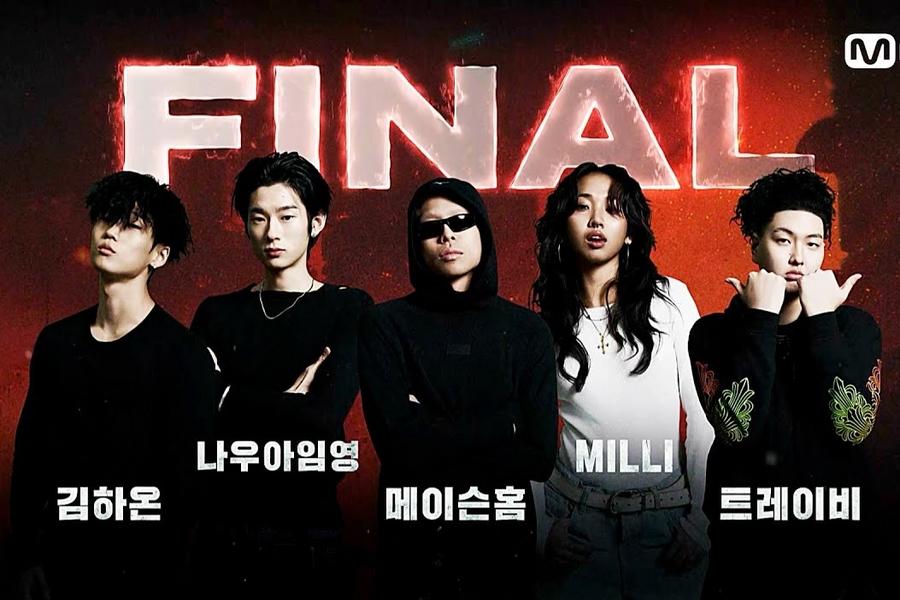
The air in the Mnet soundstage was thick with a potent mix of spray paint, sweat, and palpable tension. On the night of April 2, the decade-defining rap competition Show Me The Money 12 reached its dramatic climax, not just crowning a winner but staging a cultural spectacle that blurred the lines between underground grit and mainstream K-Pop spectacle. After months of grueling challenges, the live finale delivered a masterclass in performance, emotion, and raw talent, culminating in the victory of the season's most compelling underdog: D.Ark, under the meticulous guidance of producer-judge Zico. His win, against formidable finalists, was less a simple announcement and more the culmination of a redemption arc watched by millions.
The three-hour broadcast was a relentless parade of hip-hop prowess, featuring not only the top contestants but a legendary lineup of special performers including Jay Park, Lee Young Ji, and a surprise appearance that sent social media into a frenzy. Yet, beyond the pyrotechnics and star power, the heart of the night belonged to the journeys of the top five. The finale served as a powerful testament to how the SMTM platform continues to evolve, acting as a high-pressure forge where new legends are minted and established icons reaffirm their dominance. This season, perhaps more than any other, highlighted the deep, symbiotic relationship between the K-Pop industry and Korean hip-hop, a theme echoed in recent discussions on our News page covering cross-genre collaborations.
The Road to the Final Stage: A Season of High Stakes and Historic Judging Panels
To understand the weight of this finale, one must look back at the seismic setup of Show Me The Money 12. This season was framed by what many called the "most powerful producer lineup" in the show's history. On one side, Team Zico x Jay Park—a duo representing the apex of entrepreneurial success in Korean hip-hop, both having built empires from their artistry. On the other, Team Dynamic Duo (Gaeko and Choiza) x Yumdda—veterans whose foundational influence and street credibility are unquestioned. This dichotomy created a fascinating tension between commercial polish and raw, experienced soul, a battle of philosophies that played out through their chosen contestants.
Enter the contestants. The season was notably stacked with familiar faces and awe-inspiring rookies. D.Ark, in particular, carried a heavy narrative. First appearing on SMTM 10 as a teenage phenom, his journey has been public, turbulent, and marked by immense growth. His return wasn't just about competition; it was about proving his maturity as an artist and a person. Other finalists like the lyrical powerhouse Khundi Panda, the versatile Chillin Homie, the soulful Ryu Byeong Joon, and the fierce Nob each represented distinct facets of the Korean hip-hop spectrum. The season's narrative was steeped in this context, making the finale not a standalone event, but the decisive chapter of a best-selling story.
Zico's Mentor Method: Building a Champion
A significant subplot throughout the season was Zico's transformative role as a mentor. Known for his perfectionism and hit-making prowess as the leader of Block B and a solo artist, Zico approached his team with a strategic, almost surgical precision. His sessions with D.Ark were frequently highlighted, showing a producer not just tweaking flows but refining artistic identity. This mentorship mirrors the intense, detail-oriented training seen in idol production, but applied to the inherently individualistic world of hip-hop. Zico’s investment went beyond the show; it was a public nurturing of talent, reminiscent of how senior artists in K-Pop occasionally guide the next generation, though rarely with such high-stakes visibility.
The Live Finale: A Night of Unforgettable Performances and a Shocking Verdict
The finale operated in two acts: the explosive special stages and the tense final contestant performances leading to the winner's announcement. The special stages alone could headline a major concert. Jay Park took the stage, delivering a medley that reminded everyone of his immutable status, his performance a blend of effortless swagger and technical mastery. The queen of versatility, Lee Young Ji, brought her signature high-energy, crowd-commanding charisma, showcasing why she remains one of the most sought-after collaborators in the industry.
However, the collaborative stages between the producers and their finalists were where the competition was truly decided. Each performance was a mini-musical film. Khundi Panda, with Dynamic Duo and Yumdda, delivered poignant, narrative-driven rap that felt like a documentary in verse. Chillin Homie's stage was a dynamic showcase of flow and presence. But the night's turning point was the duo stage from Team Zico x Jay Park: D.Ark and his fellow finalist. Their chemistry was electric, a seamless exchange of bars over a bass-heavy Zico beat that had the live audience and the judge's table on their feet.
"This isn't just a performance; it's a statement. You can see the years of struggle, the hours in the studio, and the sheer will in every word. Tonight, they're not contestants; they're artists claiming their space," commented a visibly moved Jay Park during the judge's feedback session.
The final individual performances were a test of endurance and artistry. When D.Ark performed his finale track, a deeply personal song addressing his past controversies and his journey to self-acceptance, the atmosphere shifted. It was raw, vulnerable, and technically impeccable—a combination that is notoriously difficult to pull off live. The reaction from the panel, especially from the typically stoic Zico, who offered a proud, acknowledging nod, signaled a shift in the competition's gravity.

The winner announcement was a moment of pure, unscripted television. As the confetti fell and the name "D.Ark" echoed through the studio, the rapper collapsed to his knees, overcome with emotion. Zico and Jay Park immediately enveloped him in a bear hug, a powerful image of mentor and protégé triumph. The victory was a shock to many who had predicted a win for the more traditionally "hip-hop" rooted Khundi Panda, proving that the SMTM audience and judges valued compelling narrative and artistic evolution just as highly as pure technical skill.
The Fandom Erupts: Tears, Memes, and Debates Flood Social Media
In the digital coliseum of social media, the finale played out in real-time with explosive reactions. The hashtag #DArkSMTM12Winner trended globally on Twitter/X within minutes, accompanied by clips of his emotional breakdown. Fan communities were fractured yet fervent. Supporters of D.Ark flooded timelines with edits of his journey, from his teenage appearance on SMTM10 to his triumphant moment, labeling it "the greatest comeback story in SMTM history."
Meanwhile, fans of Khundi Panda and other finalists expressed respectful disappointment, arguing for the purity of his lyrical craft. However, the overarching sentiment was one of celebration for the season itself. Memes of judge reactions, particularly Gaeko's intense focus and Yumdda's animated celebrations, went viral. On platforms like TikTok and Instagram Reels, clips of Lee Young Ji's performance and the surprise guest appearances were spliced and shared millions of times, demonstrating the show's reach far beyond the core hip-hop audience and into the broader K-Pop idol fandom.
This fusion of audiences is telling. The discourse mirrored conversations seen after major idol comebacks, where artistic direction is hotly debated. As one fan on a popular forum wrote, "This finale had the emotional payoff of a drama, the production value of a K-Pop award show, and the raw skill of a hip-hop cypher. It's no longer just a rap competition; it's the ultimate variety show for music stans." The passionate, divided, yet engaged reaction is reminiscent of the fervor surrounding releases like ITZY's "Sneakers," a track that, as we analyzed in "The 'Sneakers' Paradox", proved that polarizing art can drive immense engagement and success.
Industry Ripples: What D.Ark’s Victory Signals for K-Hip-Hop and Beyond
D.Ark's victory is more than a personal achievement; it's a data point in the evolving narrative of Korean music. First, it reinforces Zico's Midas touch as a producer and industry shaper. His ability to identify, refine, and present winning talent cements his position as a central architect of contemporary Korean pop culture. The win also validates the "idol-producer" model, where figures like Zico and Jay Park successfully bridge the perceived gap between the idol industry and "authentic" hip-hop.
Second, the finale's viewership and social metrics prove the enduring, even growing, power of the SMTM franchise. In an era of fragmented media, it remains a rare unifying live event. Advertisers and labels were undoubtedly watching not just the winner, but every performer on that stage for their marketability. The immediate spike in streams for all the finale tracks on Melon and other platforms, details you can track on our Charts page, indicates a direct and powerful commercial pathway from the show to the mainstream.
Furthermore, the heavy involvement of stars like Lee Young Ji underscores the show's role as a prestige platform. For established artists, performing on the SMTM finale is not a side gig; it's a reaffirmation of their relevance and skill to a highly engaged, critical audience. It functions similarly to a coveted Grammy performance slot in the U.S. market. The season also continued to demonstrate hip-hop's central role in K-Pop's global sound, a synergy that fuels everything from BTS's record-breaking successes, as seen with their historic wins for "SWIM" discussed in our coverage, to the genre-blending experiments of fourth-generation groups.
The Blurring Lines and Future Collaborations
The most significant takeaway for industry analysts is the continued erosion of barriers. An idol-trained producer (Zico) can coach a non-idol rapper to victory on national television, with a former idol (Jay Park) as co-pilot, while a genre-queen (Lee Young Ji) performs alongside underground legends. This ecosystem of constant collaboration and cross-pollination is unique to Korea and is becoming its biggest musical export. It suggests a future where debuts are increasingly likely to emerge from such hybrid backgrounds, and where fan bases are more omnivorous in their tastes.
What's Next: Album Deals, World Tours, and the SMTM Legacy
For D.Ark, the future is blindingly bright, but also under a microscope. The winner's curse on SMTM is real—managing the sudden fame and meeting heightened expectations has tripped up past champions. However, backed by Zico's KOZ Entertainment (under the HYBE umbrella), D.Ark has a structural advantage few previous winners enjoyed. Expect a meticulously planned winner's single and album, high-profile featuring opportunities, and likely performances on the year-end award show circuit. His story of growth and redemption will be a central part of his marketing, appealing to a generation that values artist authenticity.
For the other finalists, the exposure is itself a career launchpad. Labels will be scrambling to sign them, and collaborations within the final five group are almost guaranteed. For the judges, their stature is further elevated. Zico and Jay Park will return to their respective CEO desks with even greater influence. Dynamic Duo and Yumdda have reaffirmed their legendary status to a new generation.
As for the Show Me The Money franchise itself, Season 12 has injected it with renewed vitality. It proved the format can still surprise, move, and dominate conversations. The discussions it sparked—about mentorship, the definition of "real" hip-hop in a K-Pop world, and the power of narrative—will linger long after the confetti is swept away. Just as MAMAMOO is now planning a global tour marking a decade of their unique bond, as we reported in "Beyond the Moosical", SMTM is cementing its own legacy as an institution that doesn't just reflect Korean music trends but actively shapes them. The throne has been claimed, but the empire of sound it represents is only expanding.