
The relentless churn of the entertainment industry, whether in drama or idol music, often presents a polished facade of success. We see the chart-topping debuts, the viral fancams, the scripted award show speeches. But what of the quiet moments in between? The crushing weight of comparison, the silent battles with self-doubt, the sheer exhaustion of simply trying? JTBC’s newly released teaser for “We Are All Trying Here” doesn’t just peek behind that curtain—it tears it down, offering a sanctuary in shared struggle. Starring Koo Kyo Hwan and Go Youn Jung, the poignant preview has struck a nerve far beyond typical drama promotions, echoing sentiments deeply familiar within the K-pop fandom psyche.
A Glimpse of Sanctuary in a World of Noise
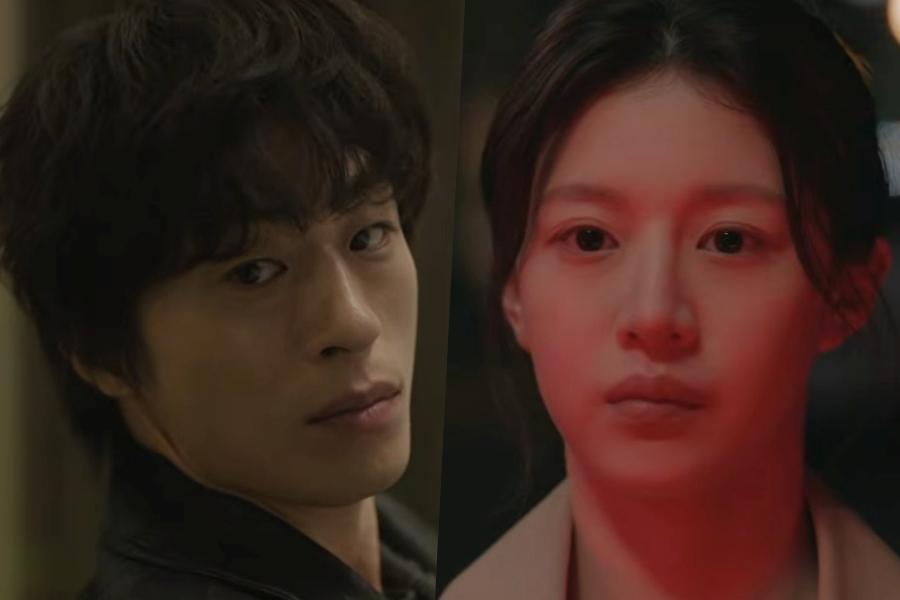
The teaser, released on JTBC's official channels, is a masterclass in atmospheric storytelling. It forgoes bombastic plot reveals for a mood piece centered on its two leads. We see Koo Kyo Hwan as Hwang Dong Man, a man physically and emotionally adrift, surrounded by peers who wear their success as easily as a suit. The visual language is one of isolation—empty spaces, distant gazes, the oppressive quiet of being left behind. In stark contrast, Go Youn Jung's character enters not as a whirlwind, but as a calm port. The teaser’s most powerful moments are wordless: a shared glance that holds understanding, a simple act of presence, the unspoken agreement to be each other's reprieve. The tagline, "We are all trying here," transforms from a statement of fact into a gentle, collective exhale.
The most compelling narratives often exist in the silence between the notes, and this teaser suggests 'We Are All Trying Here' will be a symphony of those quiet, human moments.
This premise immediately resonates in a cultural landscape where performers are under constant, microscopic scrutiny. The idea of finding one person who sees your struggle not as a failure, but as a shared state of being, is profoundly attractive. It's a narrative that mirrors the desire fans often project onto their favorite idols—the hope that behind the scenes, they too have a sanctuary, a person who lets them simply be.
From Supporting Roles to Leading Lights: The Actors’ Ascent
To understand the significant buzz around this drama, one must look at the trajectories of its leads. These are not overnight sensations, but artists who have meticulously built their reputations through compelling, often unconventional choices.
Koo Kyo Hwan: The Chameleon of Discomfort
Koo Kyo Hwan has become one of the most fascinating actors of his generation, specializing in characters that vibrate with quirky, off-kilter energy or profound vulnerability. His breakout role in the film Peninsula showed his action chops, but it was his scene-stealing, morally ambiguous performance in Netflix’s D.P. that cemented his status as a critical darling. He possesses a rare ability to make discomfort compelling, a skill perfectly suited to play Hwang Dong Man. Koo’s path mirrors that of many solo artists or actors from idol groups who branch into atypical roles—it’s a career built on defying easy categorization, much like the journey explored in Dreamcatcher's Gahyun's recent pivot into acting under a new name.
Go Youn Jung: From Rising Star to Emotional Anchor
Go Youn Jung has rapidly ascended from promising newcomer to a sought-after lead. Her role in the monumental hit Alchemy of Souls showcased her range and star power, allowing her to hold her own against established names. She brings a grounded, empathetic quality to her performances, an essential counterbalance to Koo Kyo Hwan’s more erratic character energy. Her casting suggests her character will be the emotional core, the stable ground amidst Dong Man’s turmoil. This dynamic—the resilient anchor and the drifting soul—is a classic yet potent setup, promising significant chemistry.
Both actors represent a shift towards performers valued for depth and idiosyncrasy over pure mainstream appeal, a trend also visible in the music industry as idols seek more authentic, personal artistic expressions.
Deconstructing the Teaser: More Than a Love Story
While the teaser hints at a romantic connection, its primary focus is on emotional rescue. The narrative appears to be less about grand romantic gestures and more about the healing power of mutual recognition. This aligns with a broader trend in Korean dramas moving away from fantastical Cinderella stories towards stories of realistic healing and mental wellbeing.

Themes of Performance Anxiety and Social Comparison
The brief shots of Dong Man surrounded by impeccably successful acquaintances tap directly into the universal fear of inadequacy. In the hyper-competitive world of K-pop, this is a daily reality. Idols are constantly measured against their peers on our Charts page, in brand deals, and in public perception. The pressure to perform, to succeed visibly and consistently, can be crippling. Dong Man’s plight is a dramatized reflection of the anxiety many young people, including idols, face. It recalls the immense pressures discussed in contexts like the raw confessional moments from BTS about bearing the weight of their crown, highlighting the human cost of being perpetually in the spotlight.
Sanctuary vs. Spectacle
The teaser visually constructs the leads' interactions as a private world. The lighting is softer, the frames more intimate, the soundscape quieter when they are together. This creates a direct contrast with the colder, more chaotic world of "success" that isolates Dong Man. This dichotomy is crucial in fan culture. Fans often crave glimpses of their idols in unguarded, "sanctuary" moments—behind-the-content that shows them relaxed and real—as opposed to the highly produced "spectacle" of stages and photoshoots. The drama seems to be building its central relationship on this very intimate, sanctuary-like foundation.
The Fandom Pulse: Relatability and Protective Instincts
Fan reaction to the teaser has been swift and emotionally charged. Across platforms like Twitter, TikTok, and dedicated drama forums, the response underscores how effectively the preview has tapped into a collective nerve.
“This feels like a hug in drama form,” one fan commented on YouTube. “I already feel seen, and it’s just a teaser.” Another wrote, “Watching Koo Kyo Hwan’s character feels like looking at my own social anxiety personified. I need this healing story.” Many have praised the casting, noting the unique and compelling energy both actors bring, suggesting they are “not your typical leads,” which in itself is a draw for audiences seeking fresh narratives.
Furthermore, a strong undercurrent of protective empathy has emerged for Hwang Dong Man’s character. This mirrors a common fan behavior in K-pop: the desire to support and protect idols perceived as underdogs or going through a hard time. The teaser has successfully triggered this instinct, building immediate character investment. This dynamic is complex, as explored in our analysis of the social contract of fandom, where fan protectiveness can sometimes blur lines. Here, however, it translates into potent, early audience engagement.
The comment sections are filled with people not just saying 'this looks good,' but 'I need this.' That's a different level of connection. The drama is marketing emotional utility, not just entertainment.
Industry Resonance: Why This Story Matters Now
The significance of “We Are All Trying Here” extends beyond its potential ratings. It arrives at a cultural moment where conversations about mental health, the toxicity of comparison on social media, and the dehumanizing aspects of performative success are at the forefront, especially in entertainment.
The Idol Parallel: Living in a Highlight Reel
Idols exist in an ecosystem built on visible, quantifiable achievement. Every comeback is a public exam, every variety show appearance a performance. The relentless pursuit of "more"—more wins, more followers, more records—can create a dissonance similar to Dong Man’s. The drama’s focus on finding value outside this narrow definition of success is a powerful message that will undoubtedly resonate with industry insiders and fans alike. It complements the growing number of idols who are candid about their struggles, contributing to a more nuanced public conversation about wellbeing, similar to the intimacy fostered by moments like J-Hope's candid admission about his aversion to swimming.
Shifting Narratives in Korean Drama
This drama is part of a wave of content prioritizing mellow healing and character-driven solace over high-stakes melodrama. In a post-pandemic world fatigued by conflict, stories about people gently helping each other through ordinary despair are finding a massive audience. For a broadcast network like JTBC, this represents a strategic move to capture this zeitgeist. The success of this show could further greenlight projects with similar empathetic, low-key premises, potentially influencing the types of roles offered to actors, including those transitioning from idol careers listed on our Artists page.
What Lies Ahead: Anticipation and Expectations
As the premiere date approaches, anticipation will hinge on several factors. First and foremost is the chemistry between Koo Kyo Hwan and Go Youn Jung. The teaser promises a delicate, nuanced bond; the full series must deliver on that promise without falling into cliché. Secondly, the narrative must balance its healing themes with enough dramatic tension to sustain a full series. Will it offer platitudes, or will it delve into the genuine, messy work of overcoming self-doubt?
The drama also enters a competitive landscape. To stand out, it must ensure its portrayal of struggle feels authentic and earned, avoiding the trap of being simply "sad for sad's sake." Given the pedigree of its leads and the potency of its premise, it has a strong foundation. Its ultimate impact may be measured not just in viewership numbers, but in the cultural conversations it sparks about success, failure, and the quiet courage it takes to simply keep trying in a world that often feels like it's moving on without you.
In many ways, “We Are All Trying Here” is poised to become more than a drama; it could serve as a narrative touchstone for a generation navigating relentless pressure. It reminds viewers, and perhaps indirectly those in the glittering world of K-pop news, that sometimes the greatest act of resilience is not in achieving glory, but in finding someone who offers you peace in the struggle—a sanctuary, not a spotlight. The journey of Hwang Dong Man and his sanctuary promises to be one of the most closely watched and deeply felt narratives of the coming season.