

Opening: The Clip That Broke the ARMY Internet
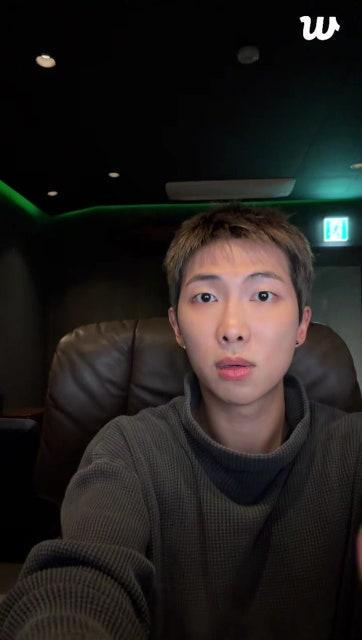
It was a typical, intimate Weverse Live—the kind where thousands log on just to bask in the quiet presence of their idol. BTS leader RM, real name Kim Namjoon, was sitting in what appeared to be his home studio, talking softly about music, art, and the mundane thoughts of a day off. Then, it happened. A fleeting, unguarded moment where his screen share flickered, and for a few decisive seconds, the world saw not a curated playlist, but the raw, unfiltered clutter of his YouTube homepage. The clip exploded across every social media platform, from Twitter to TikTok to niche fan forums. It wasn't scandalous, but it was profoundly intimate. The mystery of what really fuels the intellectual engine of K-Pop's most revered leader was, inadvertently, laid bare. This wasn't about a privacy breach; it was a keyhole into the mind of a modern Renaissance idol, and the resulting frenzy from ARMY wasn't about judgment—it was about connection, analysis, and finally understanding the algorithm of Namjoon himself.
Background: The Curator Idol and the Cult of Namjoon’s Intellect
To understand the magnitude of this digital slip, one must first understand the unique position RM holds within the industry. He is not just the leader of the world's biggest boy band; he is widely acknowledged as its philosophical core, its most public intellectual. Long before his solo projects like the album Indigo, Namjoon cultivated a reputation as a voracious consumer of culture. His conversations are peppered with references to obscure modern artists like Lee Bul or Ólafur Elíasson, philosophical concepts, contemporary literature, and global music genres far beyond the typical idol purview.
This curated intellect is part of BTS's brand, but fans have always wondered about the process. How does he find these things? In a past interview, he famously mentioned using YouTube for everything from learning about sculpting to falling asleep to documentaries. This admission created a mythical "Namjoon's YouTube Algorithm" in the fandom's mind—a digital realm of highbrow art analysis, deep-cut music reviews, and existential lectures. It became a symbol of his authentic self, separate from the idol machinery. The fascination ties into a larger industry trend where an idol's personal taste becomes part of their allure, much like aespa's NingNing leveraging social media for visual self-expression. For RM, however, it was always cerebral, never fully revealed, making the Weverse Live moment the equivalent of a scholar's private research notes being published.
The Pressure of the Intellectual Mantle
This incident also sheds light on the unseen pressures idols like RM face. He is expected to be perpetually insightful, a source of wisdom for millions. As explored in our piece on the burdens of legacy at HYBE, the weight of being a role model can be immense. Every book he mentions becomes a bestseller; every artist he cites sees a surge in interest. His YouTube algorithm, therefore, wasn't just a personal tool—it was, in the eyes of fans, a sacred scroll of inspiration that held the secrets to his creative genius. The vulnerability of having that exposed, even accidentally, cannot be understated.
The News: Deconstructing the Digital Breadcrumbs
So, what did the world actually see in those pixelated seconds? Through meticulous frame-by-frame analysis by the ARMY digital forensics team (a common and formidable force in the fandom), the homepage was decoded. The revelations were delightfully human and complexly eclectic, completely shattering the monolithic "high art only" assumption.
"It was like looking at a map of his brain in real-time. There was a video on post-modern architecture right above a compilation of funny dog fails. Next to a deep-dive analysis of a Miles Davis album was a gameplay clip from a popular RPG. It was... normal. Genius, but normal." - @KimDaily, a fan translator and analyst with over 500k followers.
The breakdown generally fell into several clear categories:
- The Deep Cuts: As expected, there were recommendations for channels dedicated to art history, critical music theory, and long-form video essays on socio-political topics.
- The Algorithmic Rabbit Holes: Clusters of videos suggested deep dives into specific niches—for instance, a series on mid-20th-century Korean abstract painters, or the history of specific synthesizers.
- The Pure Pop Culture Junk Food: This was the biggest surprise to many. Mixed in were clips from popular late-night shows, highlights from recent global sports events, and viral comedy sketches.
- The Personal & Nostalgic: Recommendations for old Korean variety shows and music videos from early 2000s K-pop groups hinted at a nostalgic browsing session.
- The Practical: Videos about plant care (a known passion of his), home workout routines, and even cooking tutorials.
During the live, after realizing what had happened, RM didn't panic or end the stream. Instead, he leaned into the moment with characteristic grace and humor. “Ah, you saw that?” he laughed, running a hand through his hair. “Well, now you know. My YouTube is just… a mess. It’s not all fancy documentaries. Sometimes I watch a guy build a cabin in the woods for three hours. Sometimes I watch a 10-second clip of a panda sneezing 20 times in a row. The algorithm… it knows I’m a person, not a professor.” He then spent a few minutes genuinely explaining how certain recommendations appeared, walking fans through the connective tissue from a video on landscape design to one on environmental science.
The Real “Solve”: Authenticity in a Curated World
The "mystery" wasn't about a technical glitch; it was about the human behind the icon. The solve was the realization that RM's algorithm is powerful precisely because it is not curated for public consumption. It is a reflection of a genuinely curious mind that needs both intellectual stimulation and simple, dumb fun. It is the digital footprint of someone who, despite his monumental status, still uses the internet like anyone else—to learn, to escape, to laugh, and to wander. This accidental transparency did more for his image than any carefully crafted "genius" playlist could have. It showcased a holistic authenticity that resonates deeply in an era where fans are increasingly savvy to PR tactics.

Fan & Community Reaction: From Forensic Analysis to Collective Embrace
The reaction across ARMY social media was instantaneous and multifaceted. Within an hour, the hashtag #NamjoonsAlgorithm was trending worldwide, not with mockery, but with celebratory analysis.
- The Data Analysts: Screenshots were enhanced, thumbnails translated, and channels identified. Fans created elaborate infographics tracing the likely path of his watch history, turning his YouTube sidebar into a choose-your-own-adventure story of his interests.
- The Meme Squad: Countless memes juxtaposed a thumbnail of a serious philosopher with the panda sneezing clip, captioned "Namjoon's brain in a nutshell." The humor was affectionate, reinforcing his relatable humanity.
- The Emotional Core: Many fans wrote long threads about how comforting it was to see this. "It makes me feel better about my own chaotic YouTube mix," one fan wrote on Weverse. "It's a reminder that growth and curiosity aren't linear. You can love art and dumb videos. It's all part of being a thinking, feeling person."
The event also sparked a broader community challenge: fans began sharing their own "embarrassing" or chaotic algorithm mixes, using the hashtag #MyNamjoonAlgorithm, fostering a sense of shared, vulnerable connection. This collective action turned a potential privacy faux pas into a massive, positive community-building exercise, demonstrating the unique symbiotic relationship between BTS and their fandom.
Industry Analysis: The Idol as a Digital Native—Risks, Authenticity, and Power
This incident, while specific to RM, casts a spotlight on several critical evolving dynamics within the K-Pop industry and celebrity culture at large.
1. The Erosion of the "Perfect Curated Feed": For years, an idol's social media was a polished extension of their stage persona. Now, as seen with RM's live and trends like aespa's NingNing's bold personal posts, there is a market—and a demand—for controlled glimpses of the unpolished self. The "real" algorithm is more compelling than a branded one. This authenticity is a currency, but it comes with risk, as the line between public and private blurs further.
2. Live Streaming's Double-Edged Sword: Platforms like Weverse Live and Instagram Live offer unparalleled intimacy but are minefields for accidental reveals. This event will undoubtedly lead to stricter internal guidelines and technical checks at labels like HYBE. The industry is perpetually balancing safety with spontaneity, a tension we've seen in physical contexts as well, such as the reported on-set safety concerns for BTS during commercial shoots.
3. The Idol as Tastemaker & The Algorithm as Collaborator: RM’s browsing history directly influences global cultural trends. A single mention can alter a YouTube channel's trajectory. This positions top idols as algorithmic influencers, whose unconscious consumption patterns can have measurable economic impacts. It’s a passive power that extends far beyond traditional endorsements.
4. Mental Health and the "Always-On" Expectation: The incident underscores the constant pressure idols face to be "on," even during personal time. His need to explain and justify his viewing habits speaks to a perceived responsibility to his audience. This aligns with broader conversations about idol well-being, similar to those sparked by TWICE Chaeyoung's health-related hiatus, highlighting an industry at a crossroads regarding sustainable workloads and personal boundaries.
What's Next: New Chapters and New Conversations
The fallout from this viral moment is unlikely to be negative. For RM, it has further cemented his image as an authentic, relatable intellectual. It may even influence his future creative outputs; one can imagine a solo live stream or even a curated video series where he discusses interesting finds from his YouTube journeys, formally embracing the role of cultural curator his fans have always seen him as.
For the industry, it’s a case study. Agencies will see the overwhelming positive engagement and might encourage other idols to share more "authentic" digital snapshots—though likely with more controlled parameters. The conversation about an idol's right to a private digital life, even in public view, will continue.
Most importantly, for fans and the culture at large, the "solve" of RM's algorithm mystery reinforces a beautiful, simple truth: that depth and breadth are not opposites. That curiosity is not a straight path toward erudition, but a winding road with stops for both profound art and simple joy. In solving the mystery of his YouTube recommendations, ARMY didn't just get a look at RM's homepage—they received a gentle, unintentional reminder about the wonderful, messy complexity of being human. And in the high-stakes, high-gloss world of K-Pop, that might be the most revolutionary insight of all.
As the industry watches charts and plans comebacks, moments like these remind us that the most powerful connections are often unscripted. For the latest on how these human stories intersect with the music, keep an eye on our Charts page and for more in-depth analysis on your favorite artists, visit our Artists page.