
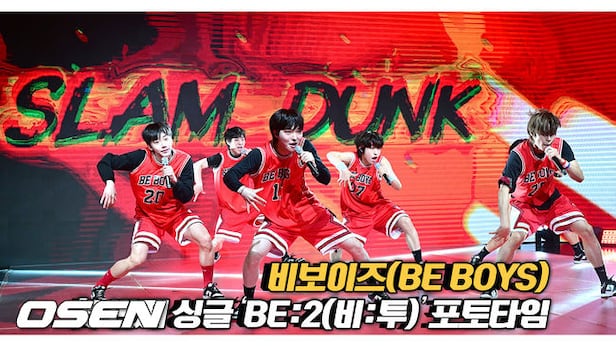

Be Boys have executed a stunning pivot with their fiery comeback single, "Slam Dunk." A year after their underwhelming debut, the group has shed its clumsy musical skin to deliver a track of focused intensity, merging aggressive hip-hop swagger with unexpectedly sharp vocal performances. This isn't just an improvement; it's a complete identity recalibration that positions them as serious contenders in the crowded fourth-generation boy band arena. Our deep-dive analysis reveals how precise production, thematic cohesion, and raw confidence turned a potential fade-out into a breakout moment.
- What Makes 'Slam Dunk' a Dramatic Improvement?
- How Does the Production Elevate the Track?
- What Does This Comeback Say About Be Boys' Identity?
- How Do the Performance and Visuals Seal the Deal?
- Can Be Boys Sustain This New Momentum?
- FAQ: Be Boys' 'Slam Dunk' Answered
What Makes 'Slam Dunk' a Dramatic Improvement?
The leap from "I'm So Sorry But I Love You" to "Slam Dunk" is not incremental; it's revolutionary. Where their debut felt like a patchwork of safe, tried-and-tested tropes, the comeback is a declaration of intent. The improvement lies in conviction, clarity, and a unified artistic vision that was previously missing.
From Apology to Assertion: A Thematic Shift
Their debut centered on a pleading, almost passive romantic apology—a common but risky trope for a new boy group trying to establish charisma. "Slam Dunk" flips the script entirely. The theme is now one of confident assertion, using the basketball metaphor to communicate skill, competition, and inevitable victory. This shift from emotional supplication to powerful self-belief provides a much stronger foundation for their performance style and fan engagement.
Cohesion Over Compilation
"I'm So Sorry..." suffered from a disjointed structure, where verses, pre-chorus, and chorus felt like separate ideas stitched together. "Slam Dunk" operates as a single, driving unit. The abrasive synth line introduced in the intro pulses through the entire track, tying the aggressive rap verses directly to the anthemic, chant-heavy chorus. This creates a memorable and relentless sonic identity from the first second to the last.
Vocal and Rap Execution
The debut showcased potential but lacked polish, with vocal runs sometimes feeling strained and raps lacking definitive character. Here, the vocalists attack their lines with a gritty, almost athletic force that fits the concept perfectly. The rappers, meanwhile, have found a cadence and tone that exude natural swagger rather than forced aggression. It's the sound of a group that has spent a year not just practicing, but discovering their core strengths.
AspectDebut: "I'm So Sorry But I Love You"Comeback: "Slam Dunk" Core ThemeApologetic, passive romanceConfident assertion & competitive victory Musical CohesionDisjointed, patchwork structureUnified, driving sonic identity Group PortrayalUncertain, leaning on tropesCharismatic, self-assured, skilled Performance HookMelodic chorusAnthemic, chant-based chorus & iconic point choreography Industry PerceptionForgivable rookie nervesLegitimate contender with clear directionHow Does the Production Elevate the Track?
The production of "Slam Dunk" is its secret weapon. It moves beyond generic K-pop bombast to craft a textured, physical listening experience that supports the song's thematic core at every turn. This is a track built for impact, not just streams.
The Architecture of Aggression
The producers, notably Kwon Nam-yong (credited on several tracks for heavier-hitting groups), employ a minimalist yet brutal approach. The foundation is a distorted, buzzing synth bass that feels more like an industrial tool than a musical instrument. This isn't background accompaniment; it's the track's central nervous system. Percussion is stripped to essentials—sharp snares and booming 808 kicks—that hit with the finality of a sneaker squeaking on court. The space in the mix allows each element to land with maximum force.
Layering for Dramatic Effect
Unlike the wall-of-sound approach common in debut tracks trying to prove their worth, "Slam Dunk" uses strategic layering. The first verse is relatively sparse, highlighting the rappers' tone. Ad-libs and vocal layers are added in the second verse to build energy. The pre-chorus introduces a tense, rising melodic synth line that effectively funnels all momentum into the explosive, crowd-style chorus. This thoughtful progression creates a compelling narrative arc within the song itself.

This production style marks a clear move towards the more mature, genre-blending sound that defines successful senior acts. It’s reminiscent of the strategic evolution we analyzed in TXT's Sonic Evolution Decoded, where each comeback refined their core identity through production choices.
The "Dunk" Moment: Sonic Imagery
The most clever production trick is the use of sonic imagery. The synth stabs in the chorus don't just play notes; they mimic the swift, decisive arc of a basketball shot. The brief moment of silence followed by the heavy beat drop after the line "Slam Dunk" is a direct audio representation of the ball clearing the net. This level of detail shows a production team deeply invested in selling the concept, transforming a metaphor into a tangible sound.
What Does This Comeback Say About Be Boys' Identity?
With "Slam Dunk," Be Boys are no longer a group defined by their debut's missteps. They have actively carved out a nascent but promising identity built on athleticism, directness, and performative power. This is a crucial step in escaping the "just another rookie" label.
Embracing a "Player" Persona
The group fully leans into the sports analogy, presenting themselves as skilled players in the high-stakes game of K-pop. This persona is more relatable and active than a generic "boyfriend" image. It allows for displays of teamwork, competitive spirit, and individual skill—all highly marketable traits. Their styling in associated content, mixing luxury sportswear with court-ready accessories, reinforces this identity with visual consistency.
Confidence as a Core Tenet
Every element of this comeback screams cultivated confidence, not arrogance. The lyrics speak of practiced skill ("years of training show") and inevitable success. This narrative is incredibly potent for a fanbase, as it invites supporters to be part of an upward trajectory and a "winning team." It’s a foundational identity that can support future concepts, whether they choose to go darker, more electronic, or more hip-hop focused.
Differentiation in the 4th Gen Landscape
The current boy group scene oscillates between ethereal fantasy concepts and intense "noise music." Be Boys, with this release, plant a flag in a grounded, almost gritty zone of sports-inspired performance. It’s less about otherworldly lore and more about human excellence and competition. This could carve them a unique niche, similar to how earlier groups used performance-oriented concepts to stand out. For a broader look at how idols establish their space, fans often start on our Artists page.
How Do the Performance and Visuals Seal the Deal?
A powerful song can be let down by weak staging. Be Boys and their creative team understood the assignment, delivering a performance package that amplifies the track's strengths and creates instant-iconic moments.
Choreography: Beyond Mimicry
The choreography smartly avoids literal basketball dribbling for most of the routine. Instead, it translates athletic movements into dance vocabulary: swift passes, defensive stances, and most importantly, the explosive jumping motion of the titular "slam dunk" in the chorus's climax. This move is poised to become their signature, a perfect blend of concept and catchy point dance. The formation work emphasizes unity and power, with sharp, synchronized movements that sell the "team" aspect.
Music Video Aesthetics
The MV alternates between stark, high-contrast practice rooms (symbolizing the grind) and the dramatic lighting of an empty arena (symbolizing the stage). This visual dichotomy effectively tells the story of preparation meeting opportunity. The use of slow-motion during key choreography highlights their precision, while the quick cuts during rap verses maintain high energy. The color palette—dominated by blacks, reds, and cool whites—is mature and avoids any rookie "cuteness."
Stage Presence and Live Delivery
Early music show performances reveal a newfound command of the stage. Their facial expressions sell the confidence of the lyrics, and their live vocal stability during the demanding chorus chants is impressive. This ability to deliver the song's energy live is critical for converting casual listeners into fans. It shows a group that is performance-ready, not just recording-studio polished. Their stage rankings can be followed on our Charts page.
Can Be Boys Sustain This New Momentum?
"Slam Dunk" is a phenomenal reset, but in K-pop's relentless landscape, a single hit is not enough. The question now is whether Be Boys and their agency can leverage this success into a sustainable career trajectory.
The Follow-Up Conundrum
The biggest challenge will be the next release. Do they double down on the aggressive, sports-adjacent sound to solidify this identity, or do they attempt a slight pivot to show range? History suggests that a too-drastic shift after a defining hit can confuse the fanbase. A strategic move would be a "Part 2" concept that explores a different facet of the same competitive, confident identity—perhaps a more hip-hop focused B-side or a title track about "victory" in a different context.
Building a Loyal Fandom
A successful comeback like this is the perfect catalyst for fandom growth. The agency must now foster that community through consistent, high-quality content that extends the "Slam Dunk" universe. This includes behind-the-scenes looks at training, variety content that showcases their team dynamics, and thoughtful fan communication. The group has given fans a compelling reason to invest; now they must be given a community to invest in.
The power of a mobilized fanbase cannot be understated, as seen in recent industry-shaking events. The relationship between artist identity and fan expectation is delicate, a dynamic explored in depth during the S.K.Y Fallout analysis.
Long-Term Artistic Development
The most promising groups use a hit as a platform for artistic exploration. Can Be Boys begin to participate in songwriting or production for future B-sides? Showcasing individual members' talents in solo activities or unit projects will add depth to the group's profile. Their evolution will be fascinating to watch, potentially mirroring the kind of artistic maturation we praised in HITGS's "Cherry Blossom".
FAQ: Be Boys' 'Slam Dunk' Answered
Q: Who produced "Slam Dunk"?
A: The track credits include producer Kwon Nam-yong, known for his work with groups specializing in hard-hitting, rhythmic tracks. His influence is clear in the song's aggressive, minimalist architecture.
Q: Is the "slam dunk" choreography based on a real basketball move?
A: While inspired by the motion, the point choreography is a stylized dance interpretation. It captures the explosive upward thrust and powerful finish of a dunk without being a literal sports reenactment, making it more replicable and iconic as a dance move.
Q: How has the Korean public reacted compared to their debut?
A: The reaction has been markedly more positive. "Slam Dunk" entered several real-time music charts upon release, a feat their debut did not achieve. Online communities are praising the song's cohesiveness and the group's improved performance, signaling a strong public reappraisal.
Q: What does this mean for the other members' visibility?
A: The song's structure allows for more distinct member highlights. The rappers have defining moments in the verses, while the vocalists shine in the pre-chorus and the anthemic chorus harmonies. This balanced distribution helps the public learn individual names and talents.
Q: Are there notable performance covers yet?
A: Yes. The distinct point choreography has led to a surge in dance covers on platforms like TikTok and YouTube from other idol trainees and dance crews, a key indicator of a song's cultural penetration and performance appeal.
"Slam Dunk" is more than a good song; it's a masterclass in career recalibration. Be Boys have taken the lessons from a lukewarm debut and channeled them into a focused, powerful, and identity-defining comeback. They've moved from apology to assertion, from compilation to cohesion, and from potential to proven performance. The track succeeds by marrying an aggressive, minimalist production with a fully committed sports-concept performance package.
The path forward is now clear: solidify this confident identity, nurture the burgeoning fanbase, and carefully plan the next strategic move. Be Boys are no longer a question mark. With "Slam Dunk," they've scored a decisive victory in the first quarter and have successfully changed the narrative of their rookie season. For continued analysis on how songs redefine careers and shake up the industry, stay tuned to our News page for the latest breakdowns and insights.