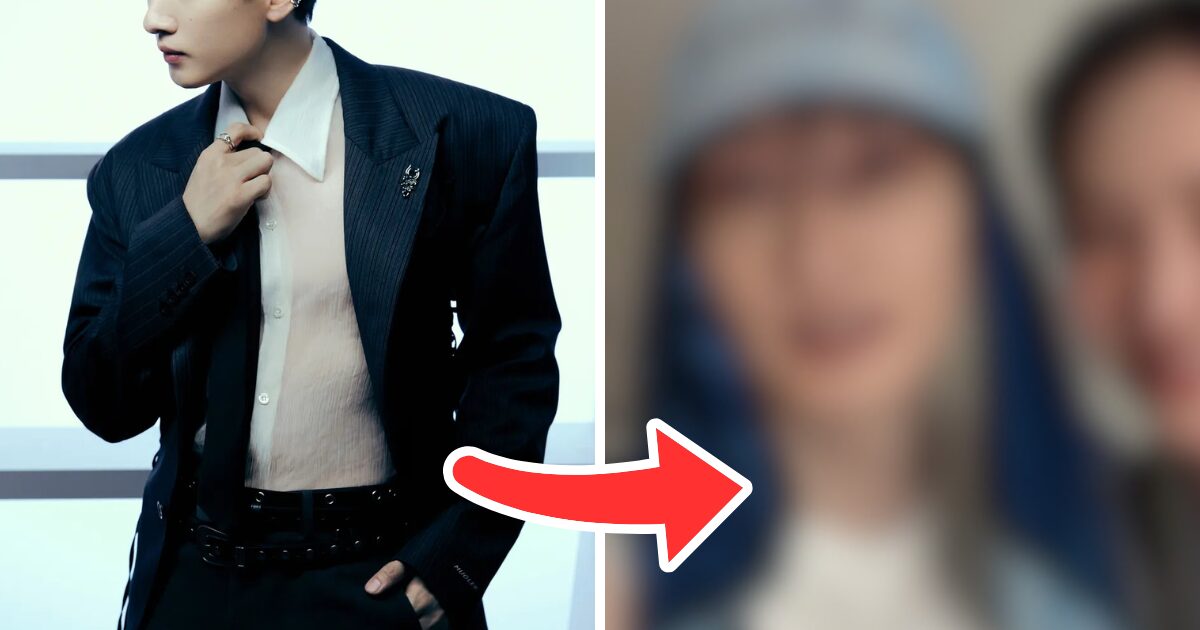

The internet, particularly the meticulously curated world of K-Pop fandom, operates on a delicate balance of revelation and mystique. Idols offer carefully staged glimpses: behind-the-scenes vlogs, "self-cams" with flawless lighting, and bubble messages that feel intimate yet remain professionally managed. So, when a single, unadorned selfie shatters that curated image, the shockwaves are felt across continents. This week, that tremor originated from the phone of Shotaro, a member of SM Entertainment's rising boy group RIIZE. A photo, uploaded to the group's private Bubble channel and subsequently leaked, depicted a version of the dancer fans barely recognized. Gone was the bright-eyed, boyish charm of his debut; in its place was a stark, tired, and profoundly raw visage that instantly ignited a firestorm of concern, speculation, and debate, rocketing to the top of Korean community forums and global trending lists within hours.
This was not a typical "no-makeup" idol reveal. The image, captured in harsh, direct light, showed Shotaro with significantly altered facial contours, pronounced cheekbones, and a weary expression that seemed to transcend mere physical fatigue. Comments ranged from alarmed ("Is he sick?") to accusatory ("SM did something to him!") to analytical ("It's just weight loss and angles"). Yet, to dismiss this as mere gossip is to miss the profound cultural moment. Shotaro's viral selfie has become a Rorschach test for the industry, forcing conversations about the intense physical and mental pressures of idol life, the complex relationship between artists and their audiences, and the painful, often hidden, journey of personal transformation under the blinding spotlight.
From SM's Rookie Treasure to RIIZE's Pillar: Who is Shotaro?
To understand the magnitude of the reaction, one must first understand Shotaro's trajectory. Discovered through SM's global auditions, he was introduced not through a traditional group debut, but as a new member added to the legendary group NCT in 2020. His entrance was met with the intense scrutiny reserved for any newcomer joining an established, mega-popular unit. Shotaro, primarily celebrated for his exceptional, powerful dancing—often compared to a "dancing machine"—initially faced the challenge of carving out an identity beyond his formidable skill set. His time in NCT was marked by a cheerful, energetic, and slightly shy persona, a young talent absorbing the immense culture of one of K-Pop's most complex groups.
The landscape shifted in 2023 when SM Entertainment announced a new boy group, RIIZE, built from members of the NCT system and new trainees. Shotaro, alongside fellow NCT member Sungchan, was positioned as a foundational pillar of this new venture. RIIZE's concept, "Rise & Realize," promised a departure from NCT's expansive lore, focusing instead on "emotional pop" and relatable, growth-oriented narratives. For Shotaro, this was a reset—a chance to step out of a sub-unit and into a defined role as a main dancer and core performer in a group with a fresh identity. The pressure, however, was immense. He was no longer a rookie in a large team; he was now a senior shouldering the direct hopes of a new fandom, BRIIZE, and the commercial expectations of SM's next-generation boy group. As we've explored in analyses of company strategies on our News page, the launch of a new flagship group under a major label like SM is a high-stakes endeavor where every member's evolution is micromanaged and magnified.
The Weight of a Fresh Start
Debuting anew carries a unique psychological burden. While fans celebrated his "finally getting the spotlight," the reality for Shotaro involved dismantling one public image to construct another, all while under constant observation. RIIZE's promotions have been relentless and successful, with hits like "Get A Guitar" and "Talk Saxy" establishing them as chart-toppers. This success, however, is built on a grueling schedule of practice, performances, filming, and fan interaction—a cycle that leaves little room for private recalibration. The cheerful "Taro" presented on stage and in variety shows is a professional persona, a part of the performance. The man in the leaked selfie appeared to be someone caught in a rare, unguarded moment between acts.
Deconstructing the Viral Moment: More Than a Photo
The leaked image itself is a study in stark contrast. Analysts and fans have dissected it pixel by pixel. The lighting is unforgiving and frontal, eliminating the softening shadows professional shoots employ. His hair, often styled brightly or dramatically for concepts, appears dark and flat. Most notably, his facial structure looks markedly different—leaner, with sharper angles. The immediate, visceral fan reaction was one of medical concern, sparking theories about extreme dieting, health issues, or the effects of intense stress.
"This isn't the Shotaro we know. This is someone who looks like he's carrying the world on his shoulders. My heart aches. SM, let your artists breathe." – A trending comment on theqoo
However, industry insiders and image trainers quoted in subsequent reports suggest a confluence of factors. Idols, especially those in intense comeback preparation, undergo significant physical transformations. Drastic weight loss for a " sharper" on-camera look is commonplace, a practice that can dramatically alter facial fat distribution. Combined with the complete absence of the cosmetic "idol makeup" that defines contours and brightens features, the difference can be shocking. Furthermore, extreme fatigue changes everything: posture, skin tone, and the light in one's eyes. This selfie likely captured the perfect storm of all these elements—a physical transformation for an upcoming concept, sheer exhaustion, and the raw, unfiltered reality of a camera that doesn't lie.
The Leak: A Breach of Trust in the Digital Sanctuary
The method of the photo's spread is crucial to the story. It was first shared on Bubble, a paid, private messaging service designed as a "direct line" between idols and fans. This platform is marketed as a safe, intimate space. The leak represents a profound breach of that contract. It transformed a moment possibly intended for a close-knit community—perhaps even a vulnerable sharing of his real state—into a global spectacle. This incident echoes the ongoing industry conversation about privacy and parasocial relationships, a topic we've examined in controversies like that surrounding Krystal Jung’s friendship advocacy, where the boundaries between an idol's personal and public life are constantly negotiated and violated.

The Fractured Chorus of Fandom: Concern, Critique, and Conspiracy
The fan and online community reaction has been a multi-layered symphony of emotion, highlighting the diverse ways audiences engage with their idols.
The Protective Wave
A significant portion of BRIIZE and casual observers have responded with overwhelming concern and protection. Hashtags like #WeLoveYouShotaro and #HealthyShotaro trended worldwide. This faction focuses on the idol's well-being, urging SM Entertainment to provide adequate rest and care. They interpret the photo as a cry for help or a sign of overwork, framing the narrative around the industry's often inhumane demands.
The Analytical Detectives
Another segment dove into forensic analysis. Side-by-side comparisons with past photos, discussions on camera lens distortion, and debates about potential cosmetic procedures flooded forums. Some argued this is simply the result of natural aging (Shotaro is in his early 20s, a time when facial features can mature) combined with rigorous training. This group often clashes with the "protective" faction, accusing them of infantilizing the idol and creating unnecessary drama.
The Critical Chorus
A smaller, but vocal, group has used the moment to critique Shotaro and SM's management directly. Some comments question if the change was necessary, expressing disappointment that his previously softer, approachable look has been altered. Others, in a more toxic vein, have engaged in outright mockery or body-shaming, a grim reminder of the relentless scrutiny idols face. This reaction underscores the unforgiving beauty standards within the industry, where any change is subject to public judgment.
"Whether it's health, pressure, or a conscious choice, this photo is a landmark. It breaks the fourth wall of K-Pop. We're not supposed to see this version." – A viral tweet from a K-Pop commentator.
The intensity of this spectrum of reactions proves that the idol image is a communal property, and any unauthorized alteration—real or perceived—causes a systemic shock. For more on how fan interpretation can fuel industry-wide narratives, the discourse around the BTS Jungkook and aespa Winter rumors shows how a single piece of "evidence" can ignite furious global debate.
Industry Lens: The Price of Perfection and the Era of "Realness"
From an industry perspective, Shotaro's situation is a case study in several key, modern K-Pop tensions.
First is the Parasocial Contract. Idols sell a fantasy of accessibility. Platforms like Bubble strengthen this by offering "authentic" interaction. But what happens when the authenticity delivered is not the cheerful, filtered version, but one of exhaustion? The system isn't built for that kind of realness. The leak exploited this gap, showing the uncomfortable truth that the "real" self an idol shares is still a curated product, and a truly unfiltered moment can be destabilizing.
Second is the Physical Demands of Concept Evolution. Boy group concepts often mature from youthful to more masculine, intense, or sophisticated. This evolution is frequently accompanied by physical changes—more muscular builds, leaner physiques, sharper styling. What fans may perceive as alarming weight loss could be part of a deliberate, professionally guided transformation for RIIZE's next musical chapter. SM Entertainment is a master of visual storytelling and rebranding, as seen across generations from TVXQ to EXO to NCT. Shotaro's new look could be the first, unpolished glimpse of a new concept direction, accidentally revealed. You can track how such visual evolutions coincide with chart success on our Charts page.
Finally, it highlights the Mental Health Dichotomy. The industry is now more vocal about mental wellness than ever before. Yet, the structural engine of K-Pop—non-stop comebacks, perfect visuals, 24/7 social media engagement—remains inherently stressful. This incident forces companies and fans alike to confront the human cost behind the glossy performances. Is the industry's growing talk of "self-care" compatible with its relentless output? The legal and corporate battles, such as those detailed in our analysis of HYBE's intellectual property wars, show that the business machinery is often at odds with individual artist welfare.
The Road Ahead: Silence, Statement, or Artistic Integration?
The immediate question is how SM Entertainment and Shotaro will navigate the aftermath. The company faces a PR tightrope. A formal statement could medicalize or over-dramatize the issue, potentially confirming worrying narratives they wish to avoid. Remaining silent, however, allows speculation to fester and fan anxiety to grow.
The most likely, and perhaps most skillful, path would be a soft, organic response. This could involve Shotaro himself appearing on a scheduled live broadcast, looking healthy and engaged, indirectly addressing concerns through his demeanor. Or, RIIZE's next content drop—a behind-the-scenes video or a new photoshoot—could showcase his current look in a controlled, artistic context, reframing the narrative from "shocking change" to "intentional transformation for art."
Long-term, this moment may become a pivotal point in Shotaro's career arc. It has brutally underscored his transition from a cheerful rookie addition to a central figure bearing immense pressure. How he and his team reclaim that narrative will define his trajectory. Perhaps this raw glimpse will later be seen as the turning point before a powerful, confident comeback, where the tired young man in the selfie emerges as a more mature, defined artist. His journey, and the public's reaction to it, mirrors the growth pains of any artist shedding an old skin, albeit with millions of witnesses.
In the end, Shotaro's viral selfie is more than gossip. It is a mirror held up to the K-Pop industry itself. It reflects our obsession with image, our conflicted desire for both perfection and authenticity, and the very real human beings operating within an unforgiving system of our own creation. The photo may fade from feeds, but the questions it raises about the cost of the dreams we consume—and the people who live them for us—will linger long after the next comeback stage begins. For a look at artists who are consciously bending genres and challenging expectations on their own terms, explore the story of YOUNG POSSE's latest manifesto. The future of K-Pop lies in navigating the space between flawless performance and undeniable humanity. Shotaro, perhaps unwillingly, has just become a central figure in that defining conversation.