
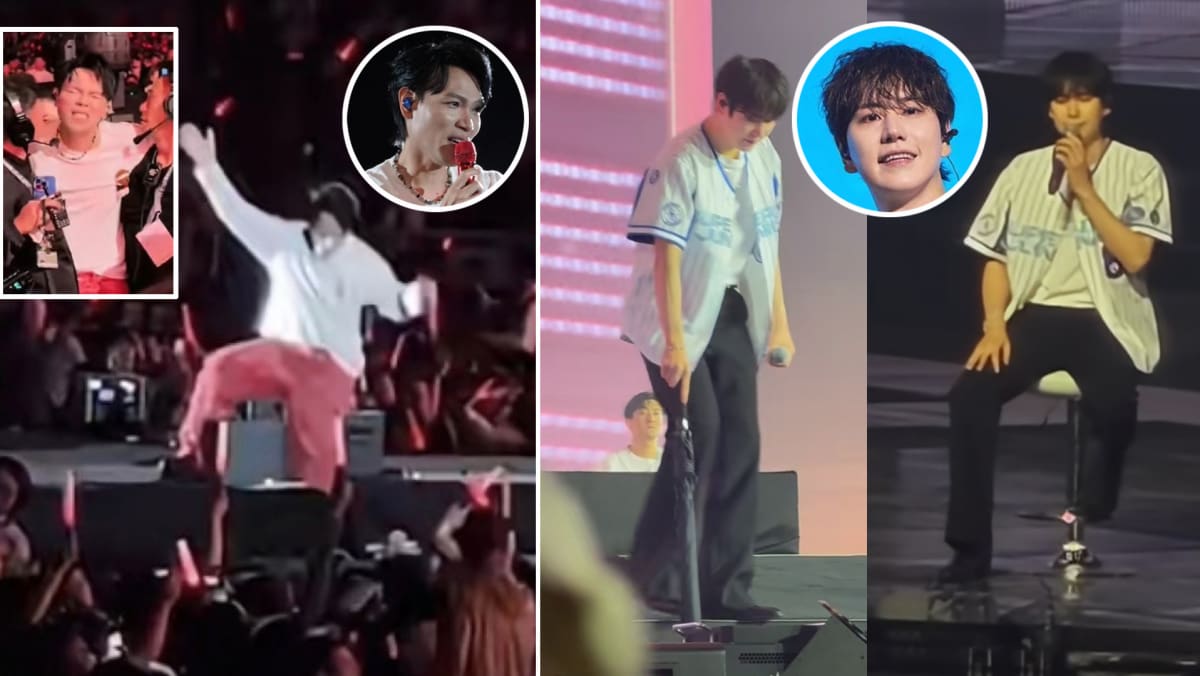

The roar of the crowd, the synchronized glow of sapphire blue light sticks, the electric thrill of a decades-long bond between artist and audience—these are the hallmarks of a Super Junior concert. But for the third night of their highly anticipated encore concerts, a disturbing incident cut through the celebratory atmosphere, leaving physical injuries and a wave of concern in its wake. SM Entertainment, the powerhouse agency that has shepherded the group's legendary 19-year career, has now issued a formal apology, acknowledging an accident that resulted in three fans being injured. This event transcends a simple news bulletin; it strikes at the core of the live music experience, raising urgent questions about safety protocols, corporate responsibility, and the sacred trust between idols and the fans who built their empire.
A Legacy Forged in Perseverance
To understand the profound impact of this incident, one must first appreciate the monumental legacy of Super Junior. Debuting in 2005 under SM Entertainment, they were pioneers of the large-scale "idol group" concept, navigating member changes, mandatory military enlistments, and the ever-shifting tides of the K-pop industry with remarkable resilience. Their fandom, E.L.F. (Ever Lasting Friends), is renowned for its loyalty and longevity, forming one of the most enduring artist-fan relationships in the business. This isn't merely a performer-audience dynamic; it's a shared history.
Their concerts are emotional victory laps, celebrations of survival and continued relevance in a genre obsessed with the "next big thing." As we've seen in the recent restructuring of other SM groups, like the confirmed plans for NCT's Next Frontier, longevity requires constant evolution and careful management. For Super Junior, their concerts are a testament to that longevity, making any disruption to that experience deeply felt. They are elder statesmen whose stages are less about proving something and more about communal celebration—a context that makes any failure in safeguarding that community particularly poignant.
The Unbreakable Bond of E.L.F.
The strength of the E.L.F. fandom cannot be overstated. They have supported the group through every chapter, from super-rotational sub-unit projects to individual acting and variety careers. This bond is a two-way street; Super Junior members are famously interactive and affectionate with their fans, known for remembering long-time supporters and incorporating fan culture into their work. This deep-seated mutual respect turns a concert from a performance into a family reunion, which is why news of fan injuries resonates with such acute distress across the entire K-pop ecosystem.
The Incident: A Breakdown in the Festive Facade
According to statements from SM Entertainment and fan accounts circulating online, the incident occurred on April 5 during the third night of Super Junior's "SUPER SHOW 9: ROAD" encore concerts held at the KSPO DOME in Seoul. While precise technical details are still being clarified, reports indicate the accident was related to stage equipment or seating structures in the fan seating area. Three attendees sustained injuries significant enough to require immediate on-site medical attention and subsequent hospital visits.
"We sincerely apologize to the fans who were injured during the concert. We are providing all necessary support for their recovery and will thoroughly review and reinforce our safety measures to prevent any recurrence. The safety of our artists and fans is our top priority."
SM Entertainment's statement, released on April 6, was direct in its apology but initially sparing in specific operational details. The agency confirmed they had "immediately halted the concert to provide first aid" and that staff had accompanied the injured to the hospital. They pledged a comprehensive internal review. For an agency of SM's stature, with decades of experience orchestrating some of the world's most elaborate K-pop productions, such a public admission of a safety failure is a significant event. It shifts the conversation from artistic spectacle to fundamental duty of care.
The Immediate Aftermath: Silence and Support
Following the incident, the concert reportedly continued after a pause, but a pall had been cast. Online communities and social media platforms became the immediate forum for concern. Initial confusion gave way to an outpouring of worry for the injured fans, with the E.L.F. community mobilizing to share information and offer support, while also demanding clearer answers from SM. The contrast between the planned joy of an encore concert—meant to be a peak celebratory experience—and the reality of a safety accident created a powerful sense of dissonance that fans are still processing.
A Chorus of Concern: The Fan and Community Uproar
The reaction from the E.L.F. fandom and the wider K-pop community has been multifaceted, blending empathy, anger, and a call for systemic change. On platforms like X (formerly Twitter), Weverse, and dedicated fan cafes, the primary sentiment has been overwhelming concern for the well-being of the injured parties. Hashtags wishing for a speedy recovery trended immediately, showcasing the community's instinct to circle the wagons.

However, this supportive energy is coupled with pointed criticism. Long-time concert-goers are sharing comparative anecdotes, questioning if cost-cutting, rushed setups for back-to-back encore shows, or overlooked inspections played a role. "We trust them with our hearts at these concerts, they have to be worthy of that trust with our physical safety too," one fan posted on an online forum, a sentiment echoed by hundreds. This incident has tapped into a broader, simmering anxiety among fans regarding increasingly complex stage designs and crowded venues.
This community dialogue often references other recent industry events, drawing parallels to the need for transparent communication. For instance, when groups like ZEROBASEONE Re-emerges as a Quintet, the focus is on a new chapter and aesthetic. In contrast, this Super Junior news forces a conversation about the foundational, unglamorous aspects of fan management: safety, logistics, and accountability. Fans are explicitly drawing lines between the dazzling "front of house" performance and the critical "back of house" operations that must be flawless to ensure it all runs safely.
Beyond One Fandom: A Universal K-Pop Concern
The concern is not confined to E.L.F. Supporters of other groups, from emerging acts to top-tier stars, are vocalizing their own fears. Comments like "This could have been at any concert" and "Our [fandom name] next time?" flood quote-retweets of the news. It has sparked a preemptive wave of demand toward other agencies to publicly reaffirm their safety protocols. The incident has effectively served as a wake-up call, reminding everyone that the high-energy, immersive concert experience—a cornerstone of K-pop's global appeal—carries inherent risks that must be mitigated with the utmost seriousness.
Industry Under the Microscope: Safety as a Non-Negotiable Standard
This incident places SM Entertainment, and by extension the entire K-pop concert production industry, under a harsh and necessary spotlight. SM is not a fledgling company; it is a blueprint for the industry, a trendsetter in stage design, tour planning, and fan engagement. When a leader stumbles on a fundamental issue like audience safety, it prompts a sector-wide audit of practices.
Industry analysts are noting that the pressure from this event will likely accelerate existing discussions about standardizing safety certifications for temporary concert structures, increasing the ratio of safety staff to attendees, and implementing more rigorous, third-party equipment inspections—especially for multi-day encore runs where fatigue can set in for both crew and infrastructure. The focus is shifting from "How spectacular can we make this?" to "How spectacular can we make this safely?"
This reckoning comes at a time of intense competition and innovation in live performances. While companies experiment with holograms, expansive moving stages, and interactive audience technology, the Super Junior incident is a stark reminder that all innovation must be underpinned by ironclad safety engineering. It echoes concerns raised when discussing ambitious new groups, such as the promises surrounding YH Entertainment's AND2BLE; the ambition for a "new vanguard" must extend to behind-the-scenes standards as well. Fans are now watching to see if SM's response will become a new industry benchmark, much like their musical styles often do.
The Economic and Reputational Calculus
Beyond ethics, there is a clear business imperative. A single major accident can irreparably damage an agency's reputation, lead to costly litigation, and incite fan boycotts. In an era where an artist's brand is intricately tied to their agency's perceived competence and care, SM's handling of the aftermath will be dissected by shareholders, partners, and competitors alike. Their promise of a "thorough review" will need to be demonstrably thorough and its results transparent, or they risk losing the faith of a fanbase that has been their bedrock for nearly two decades.
The Road Ahead: Healing, Accountability, and Moving Forward
So, what comes next? The immediate path involves three parallel tracks: care, investigation, and communication. First and foremost, the full recovery of the injured fans is the absolute priority. SM's commitment to providing "all necessary support" will be judged by its actions, not its words.
Secondly, the promised internal review must be swift, deep, and result in tangible, publicly communicated changes. Will they hire independent safety auditors? Revise their venue partnership checklists? Implement new fan zone safety barriers? The specifics of their action plan, expected in a follow-up statement, will be critical. The entire industry, from legacy companies to rising agencies, will be looking for a template on how to responsibly address such a crisis.
Finally, for Super Junior and E.L.F., this is a moment that will become part of their shared story. The group members themselves, known for their close fan connection, are undoubtedly deeply affected. How they acknowledge this event—whether through a future heartfelt statement during a concert or a more private manner—will be significant. The challenge will be to honor the seriousness of the incident while eventually rebuilding the unbridled joy that defines their concerts. Their legacy of perseverance will now include navigating this difficult chapter with grace and responsibility.
This incident serves as a somber reminder that at the heart of the multi-billion dollar K-pop industry are human beings—artists and fans alike. The dazzling charts-topping hits and record-breaking sales are meaningless without a foundation of safety and respect. As the community awaits updates and the injured fans heal, the hope across the board is that this becomes a definitive turning point, not just for SM, but for every agency that stages a dream. The final measure of success will be a future where the only thing fans carry home from a concert is a hoarse voice, cherished memories, and the anticipation of the next safe reunion. For all the latest developments on this story and more from across the K-pop world, follow our continuous coverage on our News page.