
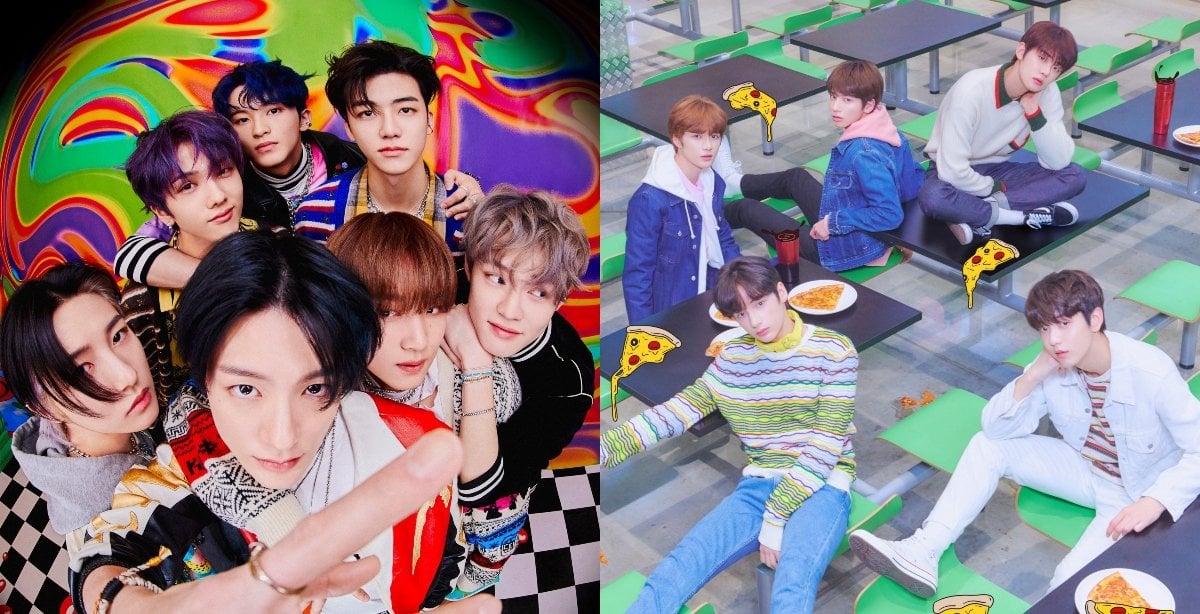

The K-Pop landscape is a vibrant tapestry woven from countless concepts, genres, and artistic visions. Yet, within this creative ferment, a familiar and fiery debate has reignited. Over the past week, the digital realm of K-Pop fandom has been consumed by a heated controversy, with the passionate fandom of Tomorrow X Together (TXT) leveling serious allegations of conceptual plagiarism against a popular rookie group from the industry juggernaut, SM Entertainment. What began as murmurs on social media platforms like Twitter and TikTok has erupted into a full-scale online confrontation, raising profound questions about intellectual property, the nature of inspiration in a saturated market, and the fiercely protective nature of modern fandoms. This is not merely about similar outfits or a shared color palette; it is a clash over deeply constructed narrative worlds that form the very core of these groups' identities.
Understanding the Architects: TXT and the SM Rookie Legacy
To grasp the weight of the accusations, one must first understand the artistic bedrock of the groups involved. TXT, under Big Hit Music (now HYBE Labels), debuted in 2019 as the "it boys" following in the formidable shadow of BTS. From the outset, their identity was meticulously crafted not around replication, but around a distinct, story-driven "youth" concept. Their debut era, "The Dream Chapter: STAR", established a magical-realist universe where adolescence was depicted as a period of infinite possibility, laced with both wonder and melancholy. Their lore, involving portals, celestial imagery, and a "Star Seekers" narrative, has been consistently developed across multiple albums, music videos, webtoons, and even original soundtracks for mobile games. For their fandom, MOA (Moments of Alwaysness), this intricate "Dream Chapter" saga is sacred text—a unique identifier that sets TXT apart in a crowded field.
On the other side stands an SM Entertainment rookie group, whose meteoric rise has been a cornerstone of the agency's latest generation. SM is renowned for its sophisticated, often high-concept "culture technology," building elaborate fictional universes for groups like NCT with its multiverse theory, and aespa with its AI avatar SYNK concept. This new group debuted with a polished, ethereal concept centered on dreams, self-discovery, and traversing inner worlds. SM's history of interconnecting lore across groups, known as the "SM Culture Universe," adds another layer of complexity. The agency has previously faced scrutiny over conceptual overlaps, a tension familiar to those who followed the discourse around the strain of NCT's fixed and rotational system. The rookie group's concept was immediately praised for its depth and visual cohesion, but now that very depth is under a microscope.
The Anatomy of an Allegation: A Side-by-Side Breakdown
The current firestorm was ignited not by a single piece of evidence, but by a cumulative dossier compiled by MOAs across various online platforms. The argument does not suggest direct audio plagiarism, but a meticulous replication of thematic and visual storytelling elements that MOAs believe form the unique skeleton of TXT's concept.
Core Narrative Parallels
At the heart of the dispute is the central metaphor of the "dream" as a navigable, almost physical space. TXT's lore is built on characters who can enter "The Dream," a dimension where they confront their anxieties, hopes, and lost childhood. Critics point to the SM rookies' latest comeback, which introduces a "Dreamscape"—a personalized, surreal inner world members visit to resolve internal conflicts. Both narratives frame adolescence as a journey through this metaphorical landscape, using motifs of doors, keys, and mirrors as transitional objects. MOAs argue that while the "dream" motif is common in art, the specific construction of it as an alternate reality crucial to character development is uniquely TXT's domain, developed over four years of consistent storytelling.
Visual and Stylistic Echoes
The visual comparisons have formed the most viral component of the debate. Side-by-side threads juxtapose:
- Iconography: The use of specific, recurring symbols. TXT's "blue hour" gradient sky, star-shaped accessories, and vintage telephones have been iconic. The SM group's recent photoshoots feature a strikingly similar pastel "twilight" sky, celestial body motifs (moons versus TXT's stars), and rotary phones as props.
- Set Design and MV Aesthetics: Scenes set in endless, water-flooded rooms (a hallmark of TXT's "Crown" and "Run Away" MVs) are compared to the rookie group's latest video, which features a member floating in a submerged bedroom. The use of distorted, oversized school settings and hallways as labyrinths has also been highlighted.
- Styling Choices: A specific styling overlap involving school uniforms with undone ties, layered under oversized blazers, and a "soft grunge" aesthetic during performance stages has been cataloged by fans as moving beyond trend into direct conceptual mimicry.
"This isn't about owning the color blue or the idea of dreams. It's about the precise architectural blueprint of a fictional universe that we, as MOAs, have invested in for years. Seeing it replicated note-for-note by a company with SM's resources doesn't feel like homage; it feels like appropriation," posted a prominent MOA content creator on a fan forum.
The Digital War Room: Fandom Reactions and Escalating Tensions
The reaction has been swift and divisive, turning Twitter, TikTok, and Instagram into battlegrounds. MOA have mobilized under hashtags like #ProtectTXTConcept and #OriginalDreamMakers, creating exhaustive comparison videos and infographics that have garnered millions of views. Their core argument is one of respect for artistic integrity and the years of narrative building. They express a sense of betrayal, feeling that a major label is leveraging its influence to co-opt a unique identity rather than innovate.
Conversely, the rookie group's fandom and neutral observers have pushed back. Defenders argue that the "youth dream" concept is a universal trope in Korean pop culture, citing precedents in earlier K-Pop generations and Korean drama. They accuse MOAs of "gatekeeping" broad themes and suggest the visual similarities are simply the result of trending aesthetics in the industry's current "Y2K/whimsigoth" cycle. Some have pointed to SM's own history of dream-related concepts in older groups as precedent. However, this has done little to quell the outrage, with MOAs countering that execution and narrative specificity matter more than the generic theme. The conflict has grown increasingly toxic, with instances of cyberbullying and malicious trending on both sides, overshadowing the original artistic discussion.

The silence from the involved companies, HYBE and SM Entertainment, has been deafening. This lack of official statement is standard protocol to avoid fueling flames, but it has created a vacuum filled with fan speculation and anger. Industry insiders suggest that legal action over conceptual plagiarism is notoriously difficult to pursue, making a formal response unlikely unless the public pressure reaches a critical mass. For more on how fan backlash can shape an idol's career, consider the case detailed in our analysis of Mark's recent message controversy.
In the Industry's Shadow: Precedent, Pressure, and Creative Bankruptcy
This incident is far from an isolated case in K-Pop. The industry operates on fast-paced cycles where successful concepts are often emulated. The line between "trend" and "theft" is perpetually blurred. Analysts point to several factors at play:
- The "Proven Formula" Pressure: Rookie groups, even from major agencies, face immense pressure to succeed quickly. Borrowing elements from a proven, popular concept (like TXT's critically acclaimed narrative world) is seen by some strategists as a lower-risk path to market resonance.
- The SM Methodology: SM has built its empire on refining and repackaging concepts, often from Western or alternative sources, into a distinctly K-Pop product. Their strength lies in execution and scale. This case tests whether that methodology has turned inward, targeting a successful concept from a direct competitor within the same industry and geography.
- Fandom as Watchdog: The modern, digitally-native fandom is more analytical and empowered than ever. They are archivists, cultural critics, and defenders of their idol's legacy. This episode demonstrates their role as a potent, if sometimes chaotic, check on corporate creative decisions.
The controversy also indirectly highlights the immense stress placed on idols themselves, who are often the last to be consulted on these high-level conceptual choices. They become the faces of a potential scandal not of their making, a dynamic we've seen in other contexts, such as when artists like Ten navigate departures from major agencies to seek greater creative control.
Looking Forward: Resolution, Repercussions, and the Road Ahead
So, where does this go from here? The most likely outcome is a gradual cooling of public outrage, with no official admission or apology from SM Entertainment. The rookie group will continue their promotions, and TXT will prepare for their next chapter, likely further evolving their concept to stay ahead of the curve. However, the repercussions may be more subtle and lasting.
First, the relationship between the two fandoms may be permanently damaged, creating a persistent undercurrent of hostility that could flare up during future comebacks. Second, this event serves as a stark warning to all creative directors in K-Pop: fandoms are vigilant. In an era where every detail is documented and dissected, superficial concept lifts are more easily exposed than ever. It may push agencies to invest more genuinely in original creative direction rather than calculated derivation.
Ultimately, this controversy is a symptom of a larger issue within a hyper-competitive industry. It questions whether the relentless demand for novelty can coexist with true artistic innovation, or if it simply leads to endless recombination of existing ideas. For fans of both groups, the hope is that their respective idols can transcend the fray. For TXT, that means continuing to build their one-of-a-kind universe, undeterred. For the SM rookies, the path forward may involve a deliberate and visible pivot in their next era to carve out a definitively unique identity, separate from the shadow of these comparisons.
As the K-Pop world continues to expand, conversations about artistic integrity will only grow louder. This incident is a pivotal case study in that evolving dialogue. For the latest developments on this and other stories shaping the industry, follow our ongoing coverage on our News page, and explore the profiles of the artists involved on our Artists page.