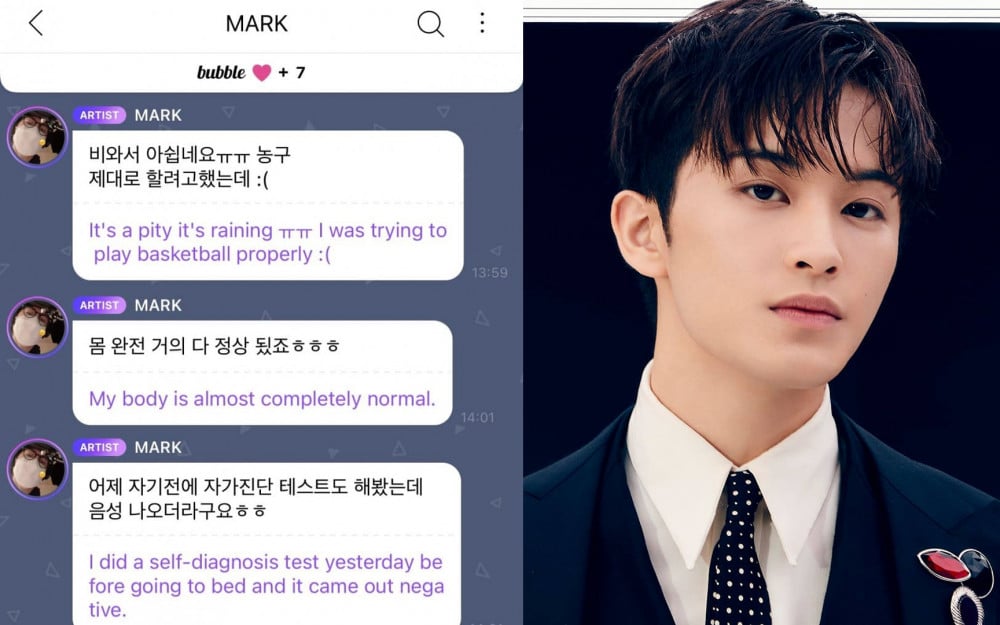

In the meticulously curated world of K-Pop, where idol-fan relationships are often governed by unspoken rules of perpetual gratitude and carefully measured vulnerability, a single misperceived message can unravel years of built-up goodwill. This week, the industry witnessed a startling and sobering example as Mark Lee, the indefatigable center of NCT and SuperM, found himself at the center of a burgeoning controversy not for a scandal, but for his words. Known universally as the "Golden Boy" for his impeccable talent, relentless work ethic, and consistently positive public image, Mark's recent attempt at heartfelt, "real" communication with fans has backfired spectacularly, opening a complex dialogue about burnout, artistic agency, and the sometimes fragile contract between idol and admirer.
The incident serves as a stark reminder that in the hyper-connected age of Weverse and Bubble, the line between endearing authenticity and perceived insensitivity is perilously thin. What was intended as a moment of genuine connection has morphed into a case study in modern fandom dynamics, leaving industry watchers and fans alike to dissect how one of K-Pop's most untouchable figures stumbled into the line of fire.
From Toronto to the Top: The Unassailable Rise of Mark Lee
To understand the magnitude of the current reaction, one must first appreciate the pedestal upon which Mark Lee stands. Debuted in 2016 as the first member of the rotational unit NCT U and later becoming a fixture in NCT 127, NCT DREAM, and the supergroup SuperM, Mark’s career trajectory is the stuff of agency legend. His rap skills, sharpened under the tutelage of SM Entertainment’s training system, quickly became a defining feature of NCT’s sonic identity. Beyond talent, his personality—a blend of earnest Canadian politeness, self-deprecating humor, and visible passion—cemented his status as a fan favorite.
For years, Mark’s narrative was one of harmonious duality: the fierce performer on stage and the humble, slightly awkward "Mark-hyung" off it. He became synonymous with resilience, famously re-joining the "graduation" system-scarred NCT Dream against all odds. His image was so meticulously positive that criticism rarely, if ever, touched him. He was the safe bet, the idol other idols praised, the artist whom fans pointed to as the standard for hard work paying off. This pristine background makes the current backlash not just surprising, but fundamentally disorienting for the community. It challenges a core narrative of his public identity.
The Burden of the "All-Rounder" Label
This incident cannot be separated from the immense, multi-faceted pressure Mark has operated under for nearly a decade. Juggling activities across three active units (NCT 127, NCT Dream, and the currently paused SuperM) has meant a schedule of legendary intensity. Fans have often expressed concern for his well-being, celebrating his successes while worrying about the physical and mental cost. This context of concern is crucial; the fanbase’s protective instincts have always been a key part of their relationship with Mark. They have rooted for him not just as a performer, but as a person they fear is being stretched too thin by the corporate machinery of SM Entertainment, a topic we explored in depth regarding Ten's strategic departure from the label.
His role as a lyricist and contributor to songwriting has further painted him as an artist invested in his craft, adding a layer of intellectual and creative expectation to his persona. He wasn't just executing concepts; he was helping to shape them. This history sets the stage: any communication from Mark is filtered through a lens of immense respect and built-up empathy, making a negative reaction all the more significant.
The Message That Sparked the Flame
While the exact platform and full text of the message remain a point of discussion, the core of the controversy stems from a lengthy post Mark made earlier this week, intended as a reflective, off-the-cuff "heart-to-heart" with fans. According to multiple fan translations and summaries circulating online, the message touched on several key points that collectively triggered the upset.
First, Mark reportedly reflected on the recent completion of NCT 127's successful world tour, expressing not just gratitude, but a sense of exhaustion and a desire to "step back and breathe." Second, and most critically, he mused on the nature of his artistry, suggesting a need to "explore music without thinking about charts or immediate fan expectations," and voiced a tentative interest in potentially working on projects that might not align with the "NCT sound" his fans are accustomed to. He framed this as a necessary journey for his growth as an individual artist.
"I love you all so much, and I'm so grateful. But I think I need to love what I do in a different way, for myself, too. Maybe that means some music you won't like at first, or me being a little less present. I hope you can understand that growth sometimes looks like stepping away from what's comfortable."
From Mark's perspective, this was likely seen as a moment of brave authenticity—a departure from the scripted thank-yous to share a more complex, human reality. However, the reception was starkly different.
Deconstructing the Disappointment
The backlash did not stem from a single phrase, but from a perceived confluence of tones and implications. Critics and disappointed fans zeroed in on a few key interpretations:
- Perceived Ungratefulness: Following a massively successful, fan-supported tour, the expression of exhaustion felt, to some, like a dismissal of the very fans who made it possible. The timing was cited as particularly poor.
- The "Anti-Fan" Framing: Phrases like "without thinking about fan expectations" were interpreted by a vocal segment as subtly framing fans as obstacles to his artistry, rather than partners in it.
- Ambiguity and Fear: The mention of being "less present" and exploring non-NCT sounds sparked immediate anxiety about his future in the group, leading to frantic speculation and fear amidst an already unstable period for SM's boy groups, as highlighted by recent shifts like Ten's revised contract situation.
The message, intended to be unifying, instead acted as a Rorschach test, exposing latent anxieties within the fandom about artistic fatigue, group stability, and the future.
A Fandom Divided: Love, Hurt, and Heated Debate
The reaction across social media platforms, particularly on Twitter, Weverse, and Korean forums like Instiz and Pann, has been fractious and emotionally charged. It presents a clear picture of a fan community in conflict with itself.
On one side, a significant number of fans, particularly on international platforms, have rallied under hashtags like #WeUnderstandMark and #LetMarkBreathe. They argue that his message was a long-overdue admission of human limits and praise his courage. "He's given us everything for eight years. He's allowed to be tired and want to try new things," one Twitter user with over 50k followers posted. This camp views the criticism as an entitlement issue, accusing the angry fans of treating their idol as a product without autonomy.
On the other side, the criticism, concentrated more heavily on Korean forums, is steeped in a sense of betrayal and hurt. The sentiment isn't necessarily anger at his fatigue, but at the delivery and framing. "We've always worried for him, but to hear him say he might make music we don't like and be less present feels like a slap after we just spent so much to support the tour," a highly-upvoted Pann comment read. This perspective sees the message not as a bid for freedom, but as a distancing maneuver that undermines the reciprocal relationship of idol and fan.
A third, more analytical segment is dissecting the role of SM Entertainment's management. Many are asking whether Mark was poorly advised or if this was a deliberate, if clumsy, attempt to begin softening his image for a future solo venture, a strategy that has precedent in the industry. The debate has even drawn parallels to other moments where idol lineage or personal life becomes a flashpoint, much like the discussions around the public fascination with idol families.
The Cultural Chasm in Interpretation
Analysts point to a potential cultural disconnect in the reactions. The more supportive international response often stems from a Western-inflected perspective that values individual artistic expression and public discussions of mental health. The critical Korean response, however, is rooted in a different fan culture that emphasizes tight-knit, reciprocal bonds and views the idol's commitment to the fanbase as a paramount, non-negotiable virtue. Mark's message, in trying to bridge these two worlds, ended up highlighting the gap between them.
Industry Analysis: A Symptom of a Larger Fatigue
This incident transcends Mark Lee and NCT. It is a microcosm of the growing pains affecting the entire K-Pop industry as it globalizes. The "Golden Boy" narrative is ultimately unsustainable. No human can maintain a perfect image forever, and the pressure to do so creates a psychological powder keg. Mark's attempt to cautiously dismantle that narrative, to introduce nuance, was met with the very resistance that likely kept it in place for so long.
Industry insiders speaking to K-Beats on background suggest this reflects a broader crisis of communication between aging idol groups (and their members) and established fanbases. "The third-generation idols who are now in their mid-to-late twenties are grappling with how to evolve beyond their debut personas," one insider noted. "They want to be seen as adults and artists, but the fan-idol contract established years ago can feel infantilizing. Navigating that transition publicly is a minefield."
Furthermore, the incident exposes the double-edged sword of direct communication platforms like Bubble. While designed to foster closeness, they provide no buffer for misinterpretation. A deeply personal, complex feeling typed in a moment of reflection is broadcast instantly to millions, stripped of tone and body language, and subjected to immediate, global scrutiny. There is no editor, no PR filter—just the artist and the send button, a dynamic fraught with risk.
This moment also inevitably invites comparison to other SM artists asserting their paths. The careful, respectful handling of Ten's transition, as detailed in our analysis of his next chapter, stands in contrast to the messy, public misunderstanding surrounding Mark's message. It underscores that there are multiple ways for an artist to claim agency, and not all are received equally.
What's Next for Mark and NCTzens?
The path forward is delicate. SM Entertainment has, as of this writing, issued no official statement—a silence that speaks volumes. The standard playbook would involve a carefully managed apology or clarification, but that risks undermining the very authenticity Mark sought to project. Alternatively, doubling down could further alienate a segment of the core fanbase.
The most likely scenario is a period of quiet, followed by a demonstrated commitment through actions. Mark's next musical releases, whether with NCT or in a solo capacity, will be dissected for signs of the artistic direction he hinted at. His level of engagement on fan platforms will be microscopically monitored. The true resolution will be whether he can successfully integrate his desire for artistic growth with the expectations of his fans, perhaps by involving them more transparently in the journey rather than announcing a potential divergence from it.
For the fandom, the incident is a stress test. It will likely result in a reshuffling of the community, with some fans reassessing their connection and others doubling down on their support. It serves as a sobering lesson in the complexities of idol worship, reminding everyone that the personas on our Artists page and the humans behind them are engaged in a constant, difficult negotiation.
Ultimately, "The Mark Lee Backlash" may be remembered not as a scandal, but as a pivotal growing pain. It marks the moment one of K-Pop's most reliable stars tried to step out of the golden light and into a more complicated, realer shadow, only to find that his audience wasn't entirely ready to follow. How he, his company, and his fans navigate the next steps will be a defining chapter for his career and a case study for the industry at large. The charts, as always, will tell one part of the story—you can follow commercial performance on our Charts page—but the human dynamics at play here are far more revealing of K-Pop's current, turbulent evolution. The era of the flawless golden boy may be ending, but what emerges from its gilding remains to be seen.