
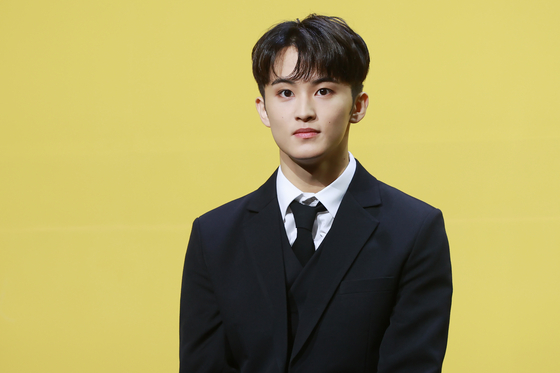
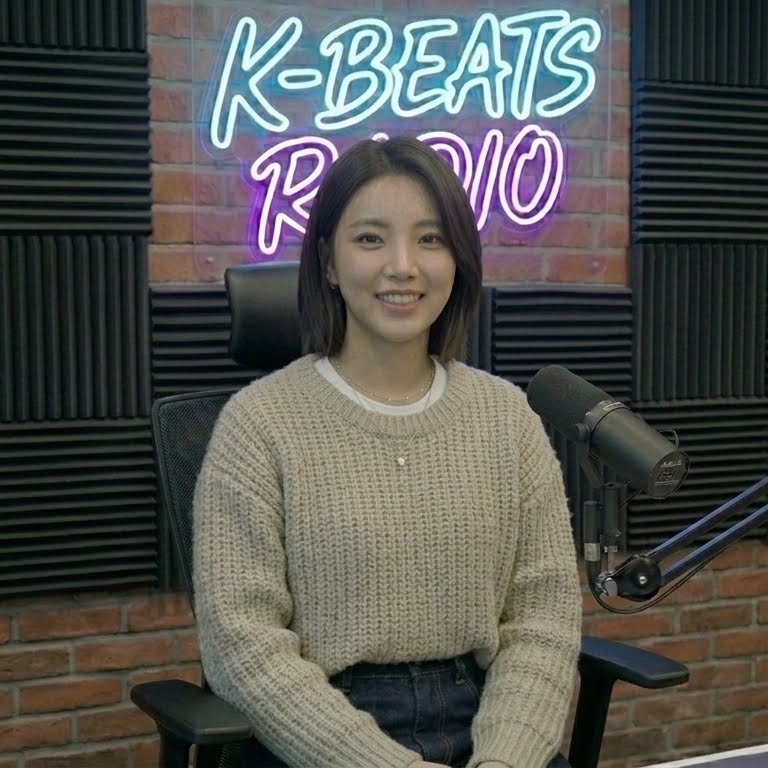
The air in the sleek Gangnam event hall was thick with the scent of expensive perfume and unspoken tension. It was the launch party for the fall issue of Éclat Seoul, a high-fashion magazine, and among the glittering guests was Mark Lee of NCT. Known for his relentless work ethic and cheerful disposition, Mark was fulfilling a schedule that would buckle most. Just hours prior, he had been on stage with NCT 127; the following morning, he would rehearse with NCT DREAM. But it was an offhand remark from the magazine’s senior editor, captured on a fan’s shaky cellphone video and now spreading like wildfire across social media, that ripped the carefully curated veneer off the K-Pop industry. The editor, in a moment of misguided candor, publicly apologized to Mark—not for a logistical error, but for the very fact of his presence, citing the idol's "unthinkable" schedule and the "unfair burden" of his dual-group life. This wasn't a simple faux pas; it was a startling, public indictment of a system, laying bare the immense human cost behind NCT’s revolutionary concept.
A Tale of Two Units: Mark Lee's Unparalleled Journey
To understand the seismic reaction to the editor's words, one must first understand Mark Lee’s unique position in the K-Pop ecosystem. Debuting in 2016 as the center of the then-teenaged NCT DREAM and a main rapper of the fixed unit NCT 127, Mark became the living, breathing engine of NCT’s "infinite expansion" model. He was the first idol to be a permanent member of two simultaneously active units under the same brand, a testament to his talent but also a staggering professional commitment.
For years, fans—known collectively as NCTzens—watched with a mixture of awe and concern as Mark oscillated between concepts. One week, he was the sunbaenim in 127, delivering hard-hitting rap verses in "Kick It"; the next, he was the bright-eyed "Dream" center, full of youthful energy in "Hello Future." His graduation from the Dream unit in 2018, followed by his emotional return in 2020 after the system revision, only deepened the narrative of a performer caught in the gears of a corporate experiment. His schedule was legendary, a blur of recordings, practices, flights, and fittings that defied the limits of a 24-hour day.
"Mark isn't just promoting in two groups; he's living two separate idol lifetimes concurrently. The creative and physical whiplash must be profound," commented industry insider Kang Ji-woon on our News page earlier this year.
The Precedent of Change: Ten's Strategic Departure
This incident does not exist in a vacuum. It follows a period of significant upheaval for SM Entertainment and NCT, most notably the departure of key member Ten from the agency. As K-Beats extensively reported in our in-depth piece, "Ten's Strategic Departure: How Leaving SM Entertainment Solidifies His Role in NCT's Future," Ten’s move was framed as a strategic decision for greater artistic autonomy, while he vowed to remain in NCT and WayV. This created a new template: an idol maintaining group activities while seeking external management for solo work. It fundamentally questioned the necessity of the all-encompassing, traditional agency contract and sparked conversations about idol agency—both in the literal and figurative sense.
The Incident: A Public Apology That Shook the Industry
The event at Éclat Seoul was meant to celebrate Mark's first solo magazine cover. During the editor's speech, after the usual thanks to the brand and team, she turned directly to Mark, who stood smiling politely on stage. Her tone shifted from celebratory to somber.
"To Mark-ssi, I feel I must offer a personal apology," she began, as the room quieted. "When we confirmed this cover, we knew you were preparing for 127’s comeback. We did not know Dream’s activities would also be in full swing. Seeing your schedule, it is… unthinkable. To ask you to be here, to be your brilliant self for us, feels almost unfair. You are carrying the weight of this entire universe on your shoulders. So, thank you, and I am sorry."
The clip, lasting less than a minute, was a bombshell. Here was an industry insider, not a fan on Twitter, publicly acknowledging what NCTzens had been worried about for years. The apology framed Mark’s dedication not just as commendable hard work, but as a potential point of exploitation. It bypassed SM Entertainment’s PR machinery and spoke directly to the elephant in the room: is this system sustainable for the artists at its core?
SM's Response and the Culture of "Sincerity"
SM Entertainment’s response was swift and characteristically controlled. Within hours, a statement was issued to news outlets: "We thank the editor for her care towards our artist. Mark is a professional who is passionately committed to all his activities with NCT 127 and NCT Dream. All schedules are coordinated with his health and well-being as the top priority. There is no need for an apology regarding his dedication to his craft and his fans."

The statement, while addressing the incident, performed a delicate dance. It accepted the "care" but rejected the premise of the apology, re-centering the narrative on Mark’s "professionalism" and "passion"—key tenets of the idol industry that often place the onus of endurance on the artist themselves. It silenced the critique by praising the very behavior being critiqued.
The NCTzen Fracture: Love, Anger, and Exhaustion
Fan reaction was instantaneous and multifaceted, revealing deep fissures within the fandom. Platforms like Twitter, Instagram, and the Korean forum Instiz became battlegrounds of perspective.
- The Protective Faction: A large segment of fans shared the editor’s sentiment, expressing profound relief that someone "with a platform finally said it." Hashtags like #WeLoveYouMark and #LetMarkRest trended globally. Comments focused on visible fatigue, the impossibility of his timeline, and a desperate plea for SM to reassess. "We want him to shine forever, not burn out," one viral tweet read.
- The Purist Faction: Another group criticized the editor for "overstepping" and "creating drama where none exists." They argued that Mark, a grown adult, is capable of managing his career, and that the public apology was patronizing and could undermine his professional image. "He's not a child. He's an elite idol. Stop painting him as a victim," argued a popular post on DC Inside.
- The Systemic Critics: This group used the incident as a springboard to attack the NCT system itself. Debates raged about the fairness of the fixed/rotational model, with many comparing it to the more traditional, stable unit structures of groups like IVE or Stray Kids. The conversation expanded to include other overworked idols, becoming a microcosm of the wider industry debate on schedule density and mental health.
The incident also triggered a poignant wave of nostalgia for "Haechan and Mark" moments, highlighting how the duo—both bridging 127 and Dream—have become symbols of this unique strain. The emotional resonance was similar to the fascination with idol families we analyzed in "The Wonyoung Effect," but here, the focus was on chosen brotherhood under immense pressure.
Industry Analysis: Beyond a Gaffe, A Symptom of Structural Fatigue
This event transcends gossip. It is a symptom of a critical juncture for SM Entertainment and the industry at large. The analysis points to three converging pressures:
- The Limits of the "Infinite" Model: NCT’s concept was a bold, forward-thinking gamble. However, as members age, pursue solo careers, and fulfill military duties, the logistics become a nightmare. Mark’s situation exposes the model's core vulnerability: its dependence on a few key linchpins bearing disproportionate weight. The system, designed for flexibility, risks breaking its most vital components.
- The New Idol-Agency Dynamic: Following Ten's re-negotiated path—detailed in our exclusive "A Contract of Two Halves"—and the rise of artist-founded labels, idols have more precedents for self-determination. The editor’s apology, while not coming from Mark himself, fuels the fire for renegotiated terms. Could Mark, or members like him, eventually seek hybrid arrangements for subunit activities?
- Public Scrutiny of "Wellness": The global K-Pop audience is increasingly attuned to issues of mental and physical health. What was once praised as "hardworking" is now scrutinized as "overwork." Agencies can no longer rely on "it's his passion" as a blanket defense. The editor vocalized a mainstream concern that directly impacts brand perception and, ultimately, profitability.
Furthermore, the timing intersects with SM’s own internal struggles and hyper-competitive market. With new groups debuting constantly, the pressure on established acts like NCT to maintain a relentless output is immense. This incident raises the question: is SM protecting its most valuable assets, or running them into the ground to feed the content machine?
The Fashion Angle: Idols as More Than Mannequins
Interestingly, the incident occurred in the fashion world, a sector that often views idols as transient muses. The editor’s apology humanized Mark in a space that typically values aesthetics over autobiography. It reflects a growing trend, seen in brands like AND2BLE, where conceptual depth and artist identity are becoming paramount. The industry is starting to see idols not just as clotheshorses, but as complex creative partners with limited bandwidth.
What's Next for Mark, NCT, and the System?
The immediate fallout will be a period of intense, behind-the-scenes management. SM will likely carefully curate Mark’s public appearances, ensuring he projects nothing but energized positivity. His next V Live or bubble message will be parsed for any hint of subtext.
In the medium term, this incident applies undeniable pressure on SM’s strategic planning. The company is at a crossroads with NCT. The upcoming military era for the 127 hyung line will create unavoidable gaps. Will the solution be to further lean on multi-unit members like Mark and Haechan, or will it force a creative contraction—prioritizing fixed unit activities and allowing rotational projects to become more sporadic, special-event undertakings?
The most significant outcome may be in the realm of contract renewals. As members' initial contracts conclude, the events surrounding Ten and now the public discourse around Mark’s workload provide powerful negotiating context. Idols and their representatives can point to these moments as evidence for the need for more sustainable, individualized plans.
For Mark personally, the incident is a double-edged sword. It validates the concerns of his most devoted fans and may lead to internal advocacy for better schedule management. However, it also places him under a microscope. Every sigh, every moment of quiet, will be interpreted through this new lens. His challenge will be to navigate this heightened concern without letting it define his narrative, asserting his own voice in determining his limits and his dreams.
Ultimately, the editor’s apology did more than address one idol. It held up a mirror to K-Pop’s relentless engine and asked a question the industry can no longer afford to ignore: At what cost, the dream? The answer will shape the next chapter not just for NCT, but for the generation of idols that follows. For the latest on this evolving story and other shifts in the idol landscape, readers can follow our ongoing coverage on the Charts page and explore profiles of the artists involved on our Artists page.