
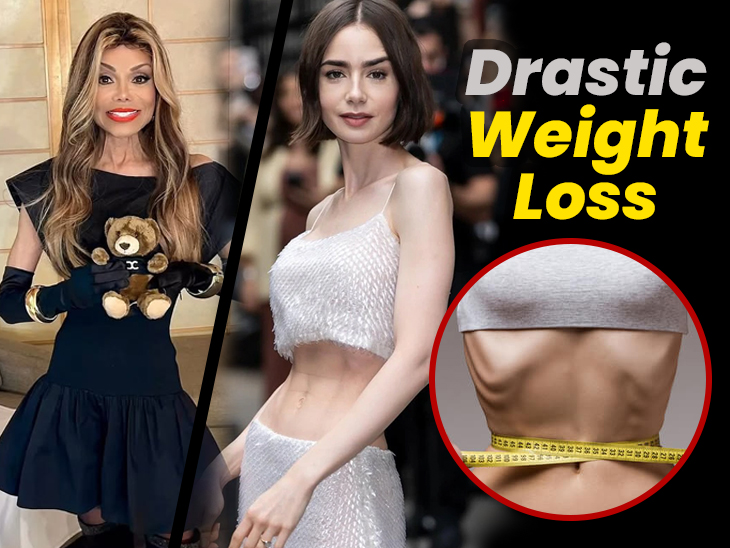

A recent, alarming photo of a top-tier female idol has ignited a firestorm of concern, shifting discourse from casual critique to urgent welfare discussions. This incident is not an anomaly but a symptom of a pervasive, industry-wide pathology that equates extreme thinness with success, discipline, and marketability. This analysis delves beyond the viral moment to examine the systemic pressures, psychological toll, and tangible solutions needed to dismantle K-Pop's most dangerous beauty standard.
- What Exactly Sparked This Latest Wave of Concern?
- Is This "Ideal" Actually an Industry-Wide Mandate? What is the Psychological and Physical Toll on Idols?
- Do Fans Play a Role in Perpetuating This Standard?
- Where Do Agencies' Legal and Ethical Responsibilities Lie?
- Is Meaningful Change Possible? Models for a Healthier Future
- Frequently Asked Questions (FAQ)
What Exactly Sparked This Latest Wave of Concern?
The catalyst was a candid fancam from a recent music show encore stage. The idol, known for her powerful stage presence and previously healthy physique, appeared startlingly frail. Her collarbones and wrists were pronounced, and her stage outfit hung loosely on a frame that seemed to have diminished rapidly since her last promotional cycle.
A Visual Shock That Broke Through the Filter
Unlike heavily produced official content, fancams offer a relatively unfiltered view. This raw footage bypassed agency-controlled imagery, presenting an unvarnished reality that fans and netizens could not ignore. The visual dissonance between her energetic performance and her visibly weakened state created a powerful, worrying contrast.
From "Diet Goals" to "Health Crisis" in the Comments
The online reaction marked a significant shift. While comments on idol weight often contain toxic "body goals" praise, the response here was overwhelmingly dominated by worry. Phrases like "Please eat well" and "This is frightening" trended, indicating a growing public awareness and rejection of extreme thinness as an aspiration.
Is This "Ideal" Actually an Industry-Wide Mandate?
Unfortunately, this standard is not a coincidence but a deeply ingrained operational norm. The pressure to maintain a specific, often dangerously low, weight is a well-documented open secret within the industry.
The "Visual" Member and Weight Clauses
Many trainee and idol contracts include vague "appearance maintenance" clauses. For those cast specifically as the "visual" member, the pressure is exponentially higher. Their marketability is explicitly tied to a narrowly defined aesthetic, which agencies often interpret as extreme slenderness. This commercializes their body in a direct and damaging way.
Sample Sizes and Stylist Frustrations
The problem manifests tangibly in styling rooms. As explored in our previous investigation, The Petite Idol Phenomenon, it's common for stylists to purchase children's sizes or extensively alter adult clothing. This normalization of fitting into non-adult sizes creates a feedback loop where the unnatural becomes the expected standard.
A Comparative Look: Agency Approaches to "Appearance Management"
Agency Type/Example Reported Weight Management Tactics Public-Facing Stance on Health Major Public Corps (e.g., Big 4) Regular weigh-ins, strict diet plans, "guidance" from managers. Emphasizes "healthy lifestyles" and "self-discipline"; rarely acknowledges mandates. Mid-Tier Agencies Often more overt pressure, potential contract penalties linked to weight gain. Minimal public discussion; treats it as an internal management issue. Progressive/Artist-Centric Labels Focus on nutritionists and trainers for strength/endurance, not just weight loss. May openly prioritize mental/physical health over strict weight targets.What is the Psychological and Physical Toll on Idols?
The pursuit of this standard inflicts severe damage that extends far beyond a number on a scale. It's a holistic crisis affecting mind and body.

Physical Burnout and Long-Term Health Risks
Extreme calorie restriction coupled with intense dance practices leads to catastrophic energy deficits. Idols risk amenorrhea (loss of menstrual cycle), osteoporosis, muscle wasting, hair loss, and permanent metabolic damage. Their immune systems weaken, making them prone to injury and illness, threatening their very careers.
The Mental Health Spiral: From Diet to Disorder
Constant monitoring and criticism of one's body can trigger or exacerbate eating disorders like anorexia nervosa or bulimia. The environment fosters a distorted self-image. The idol's identity becomes conflated with their weight, creating profound anxiety around food and a deep fear of "failure" represented by natural weight fluctuation.
The industry's structure often mirrors the control mechanisms seen in abuse cases. Isolating trainees, controlling their food, and tying their worth to compliance creates a perfect storm for psychological harm. We've seen this in systems that fail their artists, as detailed in our report on severe mistreatment by agencies.
Do Fans Play a Role in Perpetuating This Standard?
While agencies bear primary responsibility, fan culture is often an unwitting accomplice, creating a market demand for the very image that harms idols.
"You Look So Thin!" as a Backhanded Compliment
Comments praising drastic weight loss, even with good intentions, reinforce the idea that thinness is an achievement. This feedback, seen on fan cafes and social media, signals to agencies that this image is commercially desirable, validating their stringent policies.
The "Anti-Fan" Weaponization of Weight
Conversely, minor weight gain is frequently weaponized by malicious netizens and anti-fans as "evidence" of laziness or a lack of professionalism. This constant threat of public shaming forces idols into pre-emptive, extreme measures to avoid criticism, creating a cycle of fear-based control.
Where Do Agencies' Legal and Ethical Responsibilities Lie?
This moves beyond bad practice into potential breaches of duty of care and labor law. Agencies act as both employer and guardian for young idols, a responsibility many are failing.
Duty of Care vs. Exploitative Control
A legal duty of care requires providing a safe working environment. Mandating dangerous diets and ignoring signs of eating disorders likely violates this. The line between "strict management" and "endangerment" becomes blurry, echoing the systemic failures we analyzed in the NEVRA trainee scandal.
Child Protection and Minor Trainee Safeguards
For trainees who are minors, the ethical imperative is even greater. Imposing adult beauty standards on developing adolescents can cause irreversible physical and psychological harm. Regulatory bodies have been slow to intervene in what is often framed as a "cultural" or "career" choice rather than a welfare issue.
Is Meaningful Change Possible? Models for a Healthier Future
Despite the grim reality, a path forward exists. Change requires action from within the industry, shifts in fan culture, and potential regulatory oversight.
Internal Reform: Prioritizing Health as an Asset
Forward-thinking agencies must shift the paradigm: a healthy, strong idol is a sustainable, profitable asset. This means hiring in-house nutritionists focused on performance, not just weight loss, and providing mandatory, confidential mental health support. Success should be measured in stamina and vocal stability, not just dress size.
Fan Culture Shift: Rewriting the Compliment Script
Fans hold immense power. Consistently praising energy, skill, and talent over appearance sends a powerful market signal. Celebrating healthy, strong physiques and expressing concern over drastic weight loss in unified voices can pressure agencies to change policies.
Industry-Wide Standards and Unionization
Long-term, the establishment of a fair industry standard or a strong idol union could explicitly ban weight mandates and guarantee access to healthcare. This would protect artists from the arbitrary and harmful dictates of individual agencies.
Frequently Asked Questions (FAQ)
Q: Why don't idols just speak out or refuse to follow these extreme diets?
A: The power imbalance is immense. Trainees and younger idols are deeply indebted to their agencies for training costs. Refusal can be framed as a breach of contract, ingratitude, or lack of professionalism, risking their debut, career, and financial future. The culture emphasizes obedience.
Q: Is this problem exclusive to female idols?
A>While the pressure is often more intense and visually scrutinized for women, male idols are not immune. They face pressure for extreme leanness with visible muscle definition ("shredded" looks), which can also lead to unhealthy dehydration and disordered eating around comebacks.
Q: Can an idol recover from the physical effects of severe weight loss?
A>Recovery is possible with proper medical and nutritional intervention, but some effects, like bone density loss or metabolic damage, can be long-term or permanent. The psychological recovery from an eating disorder is also a lengthy and challenging process.
Q: How can I, as a fan, help without overstepping?
A>Focus your public support on their art and performance. In fan letters or at fansigns, emphasize how their strength and talent inspire you. Support idols who speak about healthy habits. Avoid commenting on body changes altogether, as even "you look healthier" can be loaded.
Q: Are any agencies known for having better practices?
A>While no agency is perfect, some smaller, artist-led labels and a few mid-tier companies have garnered reputations for prioritizing artist input and health. However, these practices are often not formalized and can change with management shifts.
Conclusion & The Path Forward
The disturbing image of a beloved idol's frail frame is a mirror held up to the entire K-Pop industry. It reflects a broken system that commodifies the human body to a dangerous extreme. This is not about one idol's diet; it is about a structural failure of duty of care, enabled by a market that has, until now, rewarded this aesthetic.
Meaningful change is a three-pronged effort: agency accountability, fan re-education, and potential industry regulation. We must move from expressing shock at individual cases to demanding systemic reform. The conversation must shift from "she's too thin" to "why does the system demand this?"
The next step is sustained pressure. Follow the discourse on our News page for ongoing coverage of artist welfare. Support idols who showcase strength and health, and let your stan tweets and comments reflect that value. The health of an entire generation of artists depends on our collective willingness to redefine what true beauty and success in K-Pop looks like. The industry's future vibrancy, and its very humanity, is at stake.