
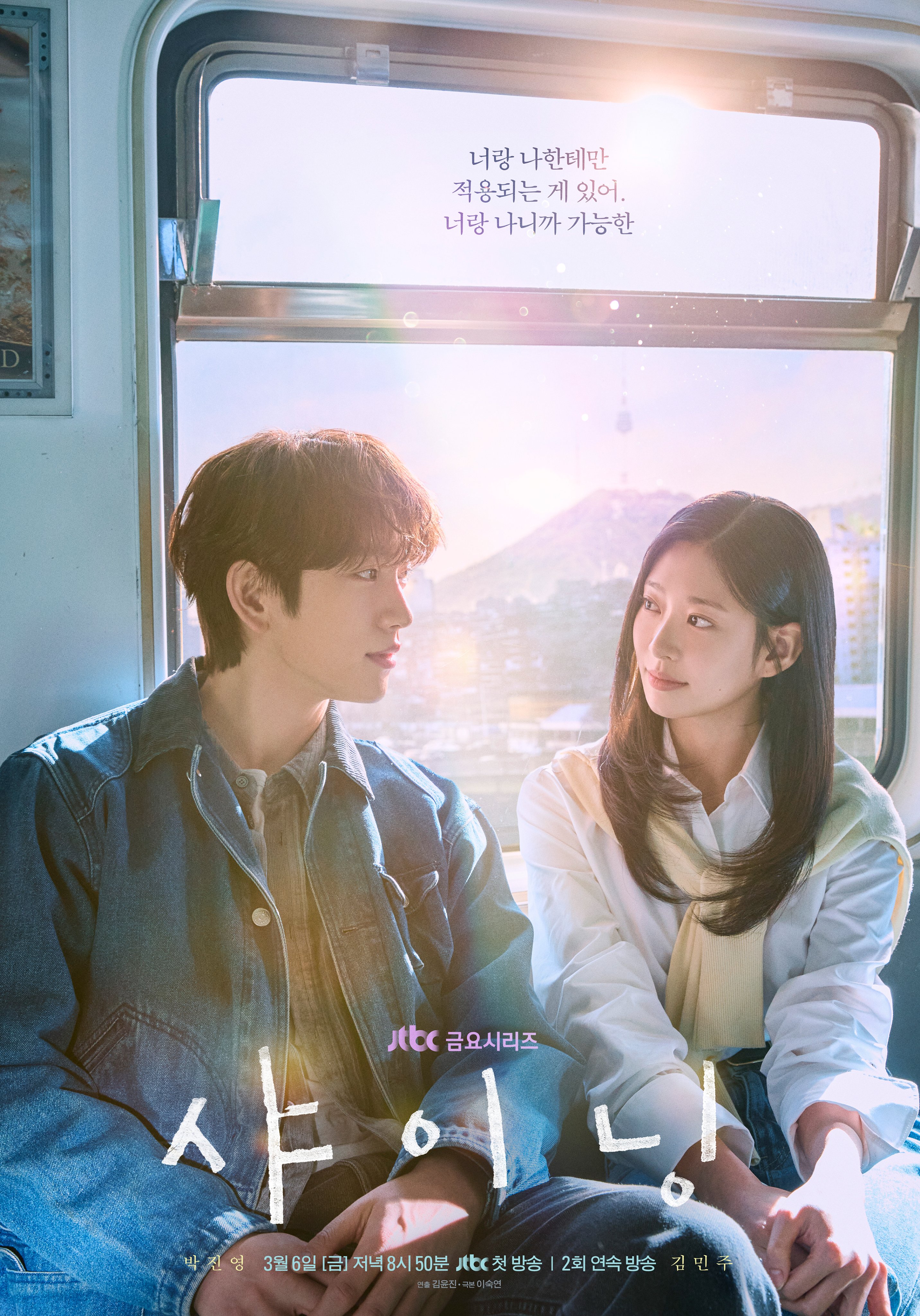

The Stage is Set: Idols in the Dramatic Arena
A Hook That Captivates
The world of K-drama is no stranger to heart-wrenching romance, but when the leads are two of K-Pop's most beloved idols, the stakes are infinitely higher. JTBC's Friday-Saturday drama "Still Shining" has masterfully tapped into this potent crossover appeal, weaving a narrative that resonates deeply with a generation raised on both chart-topping hits and binge-worthy series. The show, which follows the tumultuous love story of a dedicated music producer and an aspiring fashion designer, has carved out a unique space in the competitive landscape by blending the gloss of idol culture with the raw emotion of realistic relationship trials. Its latest episode, however, has sent shockwaves through its viewership, not with a whisper, but with a narrative earthquake that threatens to pull its central couple, played by GOT7's Park Jinyoung and IZ*ONE's Kim Min Ju, irrevocably apart.
This isn't merely a plot point; it's a cultural moment. The concept of a long-distance relationship, challenging under any circumstances, takes on a mythic quality when the individuals involved are symbols of an industry built on proximity—to fans, to group members, to the stage itself. The drama’s title, "Still Shining," now feels like a poignant question rather than a statement: can love shine when forced into the shadows of separation and unforeseen crisis? As the characters brace for their second attempt at making love work across continents, the show holds up a mirror to the very real sacrifices and sudden, career-altering incidents that idol-actors often face, blurring the lines between scripted fiction and the off-screen pressures of celebrity.
From Stage to Screen: The Paths of Jinyoung and Min Ju
To understand the weight of this narrative turn, one must first appreciate the journeys of the artists bringing it to life. Park Jinyoung is not just a member of the iconic group GOT7; he is a multifaceted powerhouse whose evolution has been closely documented by outlets like our News page. From his early days as a charismatic performer and skilled songwriter under JYP Entertainment to his current status as a sought-after actor and founder of his own agency, Sublime Artist Agency, Jinyoung has meticulously built a reputation for depth and diligence. His acting portfolio, including roles in "The Devil Judge" and "Yumi's Cells," showcases a deliberate shift from idol to actor, a transition he navigates with a quiet intensity that has won over even the most skeptical drama critics.
On the other side of this on-screen partnership is Kim Min Ju, whose trajectory epitomizes the modern K-Pop multi-hyphenate. Rising to global fame through the survival show "Produce 48" and her subsequent tenure in the record-shattering project group IZ*ONE, Min Ju was always celebrated for her visual elegance and graceful demeanor. Post-disbandment, while others rushed back to music, she chose a path less traveled by many of her peers, focusing squarely on acting. Her choices in dramas like "The Mirror: Witch's Game" and "Love Alarm" have been strategic, aiming to shed the idol label and be recognized solely for her dramatic chops. This shared history of navigating career pivots under the public eye makes their casting in "Still Shining" a piece of meta-genius, as explored in analyses of other idols on our Artists page.
"Choosing this role was about exploring resilience," a source close to Jinyoung shared in a recent behind-the-scenes feature. "He saw parallels between his character's struggle to maintain a connection and his own experiences in GOT7, where members often had to support each other from afar during individual activities. It's a theme that resonates on a personal level."
This background is crucial. It informs every glance, every strained conversation between their characters. Their real-world experience with the demands of fame—schedules that span the globe, the constant scrutiny, the need to reinvent—lends an authenticity to "Still Shining" that pure actors might struggle to convey. They aren't just playing roles; they are channeling nuanced understandings of sacrifice and public expectation.
The Drama Unfolds: 'Still Shining' and Its Latest Volatility
Unexpected Incidents: A Detailed Breakdown
The core of the current headlines revolves around episodes 9 and 10, which aired last week. After a fragile reconciliation and a heartfelt decision to try a long-distance relationship again—a nod to an earlier, failed attempt in the series—the narrative is abruptly upended by a series of unexpected incidents. For Jinyoung's character, Lee Kang, it's a professional opportunity of a lifetime that morphs into a personal prison: a lucrative, long-term contract to score a major international film series based in Los Angeles, contingent on his immediate and continuous presence overseas for the next eight months. The catch? Communications during the intensive scoring process will be severely limited, effectively creating a blackout period.
For Min Ju's character, Han Seo-ryeon, the incident is more visceral and traumatic. A sudden family emergency forces her to return to her hometown, coinciding with a breakthrough moment in her fashion career that requires her to be present in Seoul. This is compounded by a devastating studio fire that destroys her entire collection for an upcoming showcase, a blow that is both financial and deeply emotional. The script cleverly avoids melodrama by grounding these incidents in the plausible realities of creative industries—sudden travel, artistic disaster, family duty—making the separation feel agonizingly inevitable rather than contrived.
The direction here is masterful. Scenes are edited to emphasize the cruel synchronicity of their plights. As Kang stares at a contract in a sleek Seoul high-rise, Seo-ryeon is shown watching her life's work go up in flames. The drama utilizes the very distance it imposes, using parallel storytelling to heighten the sense of isolation. This isn't just about being in different places; it's about being swallowed by entirely different, all-consuming crises that leave no room for the other person. It’s a sophisticated take on the long-distance trope, one that acknowledges that sometimes, the world doesn't just separate you—it actively pulls you in opposite directions with forces too strong to resist.

- Incident One: The Golden Cage Contract. Kang's opportunity mandates complete immersion, with strict non-disclosure agreements that limit what he can share, creating an emotional void.
- Incident Two: The Familial Anchor. Seo-ryeon's sick parent requires her presence, triggering guilt and duty that override career ambitions.
- Incident Three: The Creative Inferno. The studio fire is a literal and metaphorical destruction of her dreams, a setback that demands her full attention to rebuild.
These plot devices do more than create conflict; they reflect a very K-Pop adjacent reality. The industry is built on such "golden cage" opportunities—world tours, overseas promotions, acting projects—that propel careers while straining personal bonds. The narrative of "Still Shining" is, in many ways, a dramatic exploration of the costs behind the glamour showcased on our Charts page.
Reactions and Repercussions: Fandom and Industry in Flux
Social Media Symphony: Fan Voices Amplified
Within minutes of the episodes concluding, the digital sphere erupted. The hashtag #StillShiningSeparation trended #1 on Twitter in South Korea, with related tags like #JinyoungMinJu and #LongDistancePain following closely. Fan reaction has been a fascinating study in collective empathy and speculative fervor. AHGASE (GOT7 fandom) and WIZ*ONE (IZ*ONE fandom) have largely united in their anguish, flooding social media with edited video clips, fan art depicting the characters' reunion, and lengthy thread analyses of every micro-expression the actors delivered.
"I've never cried so hard for fictional people who feel so real," tweeted a user with over 50k followers. "Seeing Jinyoung's character have to choose between his dream and his love... it's like watching GOT7's 2021 chapter all over again. The pain is familiar."
This comment touches on a raw nerve for fans: the parallel to GOT7's period of members focusing on solo activities after leaving JYP, a time of uncertainty and longing for group activities. Similarly, Min Ju's fans see echoes of IZ*ONE's disbandment in her character's loss—a sudden, fiery end to something beautiful that must be rebuilt from ashes. Online communities like NetizenBuzz and Pann Choa are filled with posts dissecting whether the characters will survive this test, with many drawing parallels to other idol-centric narratives, such as the nuanced fan dynamics discussed in our article on ENHYPEN's unspoken processing of Heeseung's hiatus.
However, not all reactions are rooted in sorrow. A significant segment of viewers praises the drama for its maturity. "Finally, a show that doesn't use miscommunication as a cheap trick," wrote a popular Korean drama reviewer on YouTube. "These are adult problems requiring adult solutions. The separation hurts because it's logical, not lazy." This sentiment highlights a growing appetite for more complex, grounded storytelling in idol-led dramas, a demand that "Still Shining" is fulfilling.
Broader Implications: Idol-Actors and Narrative Trends
The success and narrative boldness of "Still Shining" signal a pivotal moment in the perception of idol-actors within the Korean entertainment industry. For years, the label "idol-actor" came with a stigma, a presumption of limited range and a built-in fanbase cushion. This drama, alongside performances by peers like ASTRO's Cha Eun-woo or former IZ*ONE member Kim Se-jeong, is actively dismantling that prejudice. Jinyoung and Min Ju are being assessed primarily on their dramatic merits, with their idol backgrounds serving as added texture rather than the main headline.
Industry insiders note that the drama's ratings spike following these episodes correlates with a broader trend: audiences are rewarding substance. "The market is saturated with rom-coms," says Lee Hyun-woo, a veteran drama producer. "Shows that dare to integrate the real-world pressures of modern careers, especially in the creative fields that idol-actors know intimately, are finding a deeper connection. 'Still Shining' isn't just a love story; it's a commentary on the millennial and Gen-Z experience of work-life balance—or the drastic lack thereof."
This ties into larger movements within K-Pop itself, where artists are asserting more narrative control over their careers. Just as BTS has redefined concepts of unity and individuality through projects like the member-specific remixes for "SWIM," as detailed in our analysis of BTS's solo-within-the-unit concept, idol-actors are now curating filmographies that reflect their personal growth. The choice of a challenging, non-glamorous role in a drama about separation and resilience is a strategic statement of artistic intent, moving beyond mere brand extension.
Furthermore, the drama’s handling of crisis mirrors how agencies now manage real-life idol incidents—be it health hiatuses, military enlistment, or personal matters. There is a move towards transparency and narrative framing, much like how BOYNEXTDOOR’s announced comeback builds a fresh chapter in their story, as reported in our coverage of their grand return plans. "Still Shining" operates as a metaphor for this entire ecosystem: the show must go on, relationships must be maintained, and sometimes, unforeseen events demand a complete recalibration of the script.
Looking Forward: The Future of 'Still Shining' and Beyond
Predictions and Possibilities
With six episodes remaining, the question on every viewer's mind is: can Kang and Seo-ryeon's love survive? Drama previews and production notes suggest a roadmap fraught with more internal conflict than external villains. The forthcoming episodes will likely delve into the psychological toll of their separation—exploring themes of jealousy (fueled by new colleagues in their respective fields), the erosion of shared daily experiences, and the struggle to maintain intimacy through sporadic, strained digital communication.
- The Test of Time: The narrative will probably employ a time jump, showing the characters adapting—or failing to adapt—to their new normal. This device will allow the show to explore whether their love is sustained by memory or active, daily choice.
- Individual Growth Arcs: Expect profound solo development. Kang's journey in the cutthroat world of film music and Seo-ryeon's fight to rebuild her fashion line from scratch will be central. Their love story's survival may hinge on whether they can grow as individuals without growing apart.
- The Role of Support Systems: Secondary characters, including fellow idols making cameo appearances, are poised to become crucial confidantes or potential romantic rivals, adding layers of complexity to the central relationship.
Beyond the plot, the real-world implications for Park Jinyoung and Kim Min Ju are significant. A successful, critically acclaimed run in "Still Shining" solidifies their positions as bankable actors, opening doors to more diverse and leading roles. For Jinyoung, it reinforces his brand as a serious artist capable of anchoring a primetime drama. For Min Ju, it could be the definitive project that completes her transition from "former IZ*ONE member" to "actress Kim Min Ju," much like how BTS's "ARIRANG" project was about reclaiming a narrative, as examined in our piece on BTS redefining success.
The drama also sets a precedent for future idol-acting ventures. It proves that audiences are ready for stories that don't shy away from the gritty, unromantic aspects of life and love. This could influence upcoming projects featured at events like KCON LA 2026, where the lineup often reflects the evolving synergy between music and acting talents.
In conclusion, "Still Shining" is more than a weekly television event; it is a cultural barometer. By placing two idol-actors at the heart of a meticulously crafted story about distance, duty, and disaster, it challenges outdated industry hierarchies and engages with the authentic complexities of modern relationships. The unexpected incidents separating Park Jinyoung and Kim Min Ju's characters are not just plot twists—they are narrative catalysts for a deeper conversation about resilience, both on-screen and off. As the drama moves toward its climax, one thing is certain: the way it navigates this turbulent separation will shine a light on the future of storytelling in the ever-expanding K-Pop universe.